Destinations
Best Places to Visit During Fall for Wildlife Migration Magic
By sarahhendricks
November 20, 2026
Field Notes
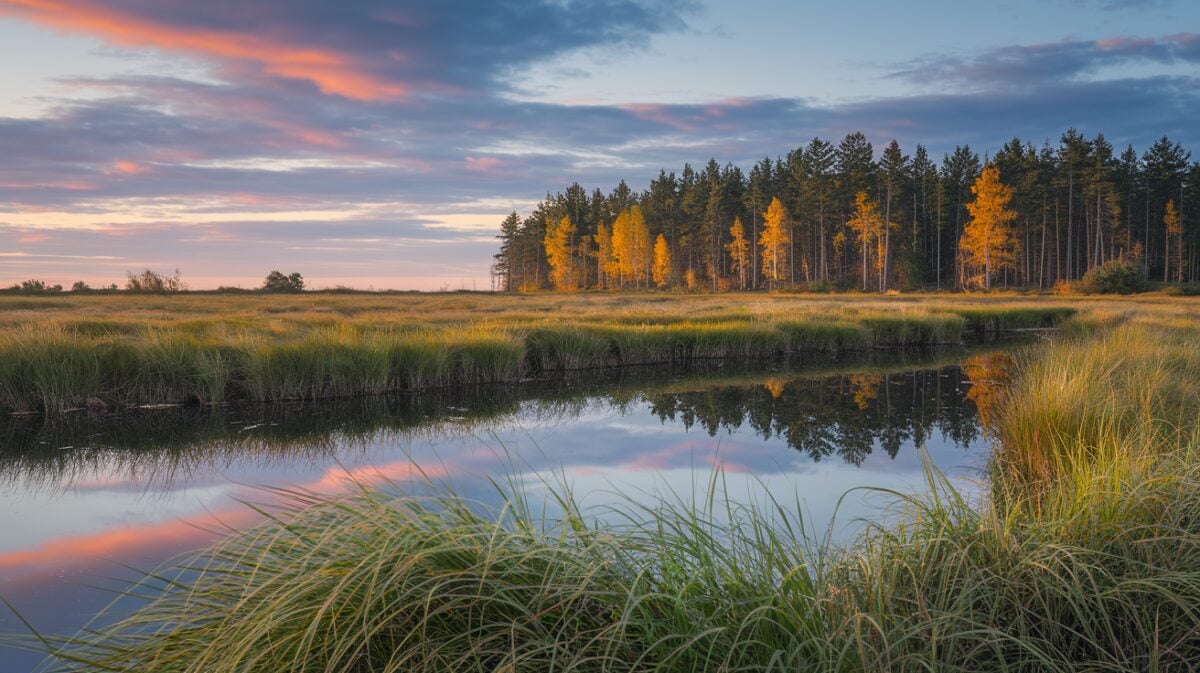
Think migration is a spring thing? Not in fall.
That’s when skies and shores go wild with birds, whales, cranes, and even monarch butterflies.
This guide cuts through the noise and shows the best fall spots where the action is reliable, when each peak happens, and what you actually need to see it.
Answer four quick questions and you’ll pick the right place fast: which species, which month, how much walking you can handle, and whether you want a big spectacle or a calmer watch.
Here’s your map to real, doable migration trips.
Top Fall Wildlife and Bird Migration Destinations at a Glance
Picking the right fall migration trip comes down to four questions. What species do you want to see? What month can you travel? How much walking or driving can you handle? And are you chasing birds, big mammals, butterflies, or ocean life? Answer those and the list of good options narrows fast. Some places peak for a tight two week window. Others stretch across two or three months, giving you more room to work around flights and work schedules.
Here’s a side by side look at fourteen of the strongest fall wildlife and birding destinations, so you can compare before digging into the details later in this guide.
| Destination | Peak Fall Window | Main Species or Event | Access and Nearby Base | Best For |
|---|---|---|---|---|
| Cape May, New Jersey | Late September to October | Warblers, shorebirds, raptors | Roadside, Cape May base | Variety seekers |
| Hawk Mountain, Pennsylvania | September to October | Raptor flights, ridge thermals | Hiking trail to lookouts | Raptor watchers |
| Hawk Ridge, Duluth | September to October | Daily raptor counts in thousands | Platform, Duluth base | Easy raptor access |
| Point Pelee and Long Point | Late September to early October | Passerines, waterfowl | Boardwalk, roadside | Songbird fallouts |
| Bosque del Apache, New Mexico | November | Sandhill cranes, snow geese | Auto tour loop, Socorro base | Crane spectacles |
| Klamath Basin, CA/OR | October to November | Waterfowl, cranes | Roadside, Klamath Falls base | Waterfowl numbers |
| Monterey Bay, California | September to November | Seabirds, whales | Boat charter | Marine wildlife |
| Yellowstone and Grand Teton | September to October | Elk rut, bison, wolves | Roadside, guided hike | Large mammals |
| Michoacán monarch reserves | Late October onward | Overwintering monarchs | Guided hike | Butterfly spectacle |
| Strait of Gibraltar, Tarifa | September to October | Raptors, storks | Roadside, guided watch points | Raptor passage scale |
| Wadden Sea | September to November | Shorebird staging | Tide dependent viewing | Shorebird numbers |
| Doñana, Spain | September to November | Waterbirds, waders | Guided hike, boardwalk | Marsh birding |
| Serengeti–Masai Mara | Through October | Wildebeest, zebra crossings | Guided safari | Herd migration |
| Yellow Sea mudflats | August to October | Endangered shorebirds | Guided, permit limited | Rare shorebird species |
If you want one dependable, do it yourself birding trip with a good mix of species, Cape May is tough to beat. If cranes and geese are the draw, Bosque del Apache in November delivers one of the loudest, most dramatic wildlife shows in North America. Travelers chasing big mammals should look hard at Yellowstone and Grand Teton during the September to October elk rut. And if you’re ready to build a whole trip around one migration event, Gibraltar’s raptor passage or the monarch reserves in Michoacán are worth the extra planning. A map showing all fourteen spots grouped by flyway or world region would make a handy visual here, especially for travelers comparing regions side by side.
North American Fall Migration Hotspots Along the Four Flyways
(((alt-img2)))
Birds don’t scatter randomly across the continent in fall. They funnel. Coastlines, mountain ridges, river valleys, and big lakes all create natural bottlenecks where migrating birds concentrate, because flying around water or over open ocean costs more energy than following a reliable landform. That’s exactly why a handful of specific spots produce incredible numbers while the surrounding countryside stays quiet. Four major flyways organize this whole continent-wide movement, and knowing which one runs near you changes everything about where you should plan your trip.
Final Words
Pick your main target—raptors, shorebirds, monarchs, or elk—and match it to the right window and region. This guide laid out top fall sites, flyway logic, a Pacific Flyway route, and standout international spectacles.
We covered mammals, timing tools like radar and tides, planning and budgets, optics and photo tips, viewing ethics, and beginner-friendly stopovers.
When you’re ready, use the comparison table and timing tips to choose the best places to visit during fall for wildlife and bird migration, add a weather buffer day, and enjoy the show. You’ll leave refreshed and full of good stories.
FAQ
Q: Where do hummingbirds typically migrate to in the fall?
A: The hummingbirds typically migrate to Mexico, Central America, and the Caribbean in fall, with some species overwintering in the southern U.S. Migration usually occurs late summer into September–November, depending on species and weather.
Q: Do birds feel fear before migration?
A: Birds can show stress or alarm before migration, but whether they feel fear like humans is uncertain. Their behavior is driven by instinct, hormonal shifts, and environmental cues that trigger departure.
Q: Where is the prettiest place to go in the fall?
A: The prettiest place in fall depends on species, month, and access. For foliage and easy strolls choose New England or Shenandoah; for big bird movements pick Cape May or Klamath; for monarchs try Michoacán.
Q: Where are the best places to go birding in the US during winter?
A: The best places to go birding in the U.S. during winter include Florida Everglades, Bosque del Apache, Gulf Coast refuges, Salton Sea, and coastal California, offering waterfowl, wintering shorebirds, and rare visitors.