Itineraries
7 Day Southern Italy Itinerary: Amalfi to Sicily
By Travelin Guru Leisure
March 22, 2026
Field Notes
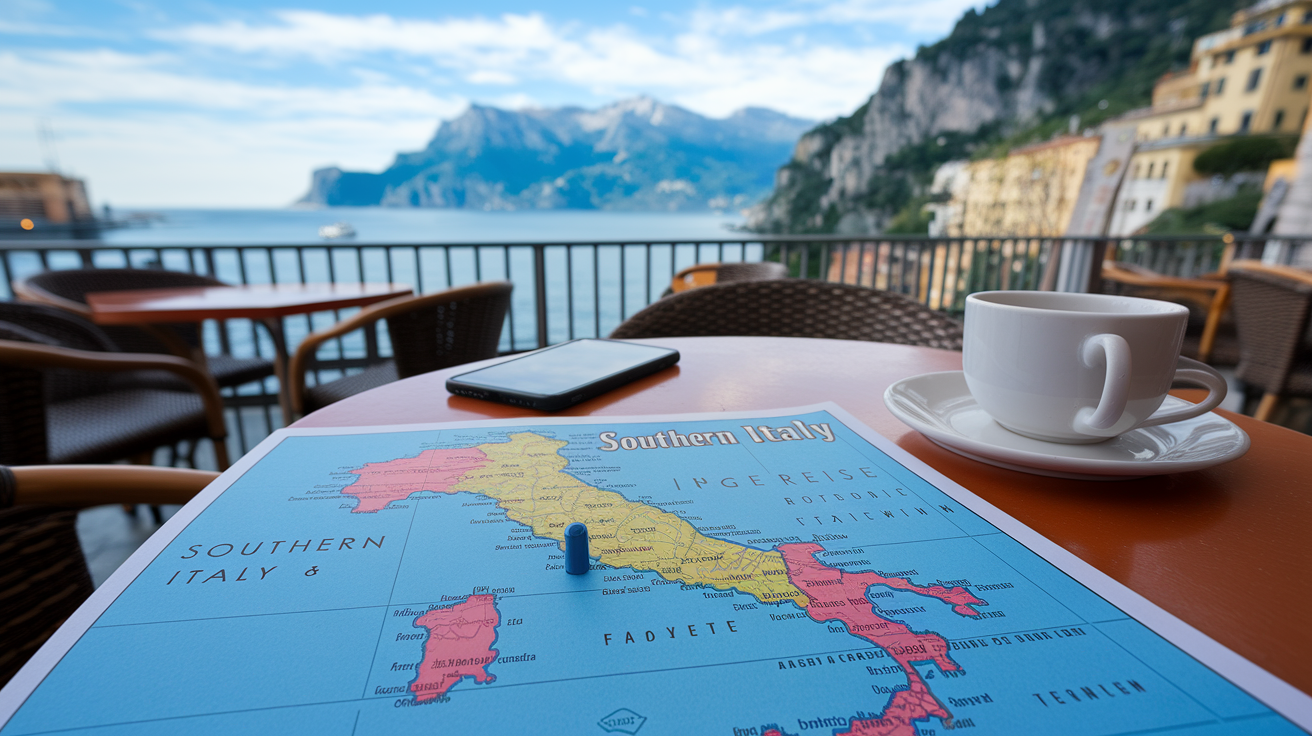
Think seven days can’t do southern Italy justice? Think again.
This 7 Day Southern Italy Itinerary: Amalfi to Sicily lays out a real, doable loop from Naples down the Amalfi Coast, across to Matera’s cave city, then through Puglia’s trulli and Adriatic towns.
It’s paced so you actually taste the food and see UNESCO sites without rushing.
You’ll get practical daily targets, transit tips for with or without a car travelers, and one slower option per day.
Follow this plan and you’ll finish ready to hop a ferry or train on to Sicily, not exhausted.
Southern Italy 7‑Day Itinerary Overview
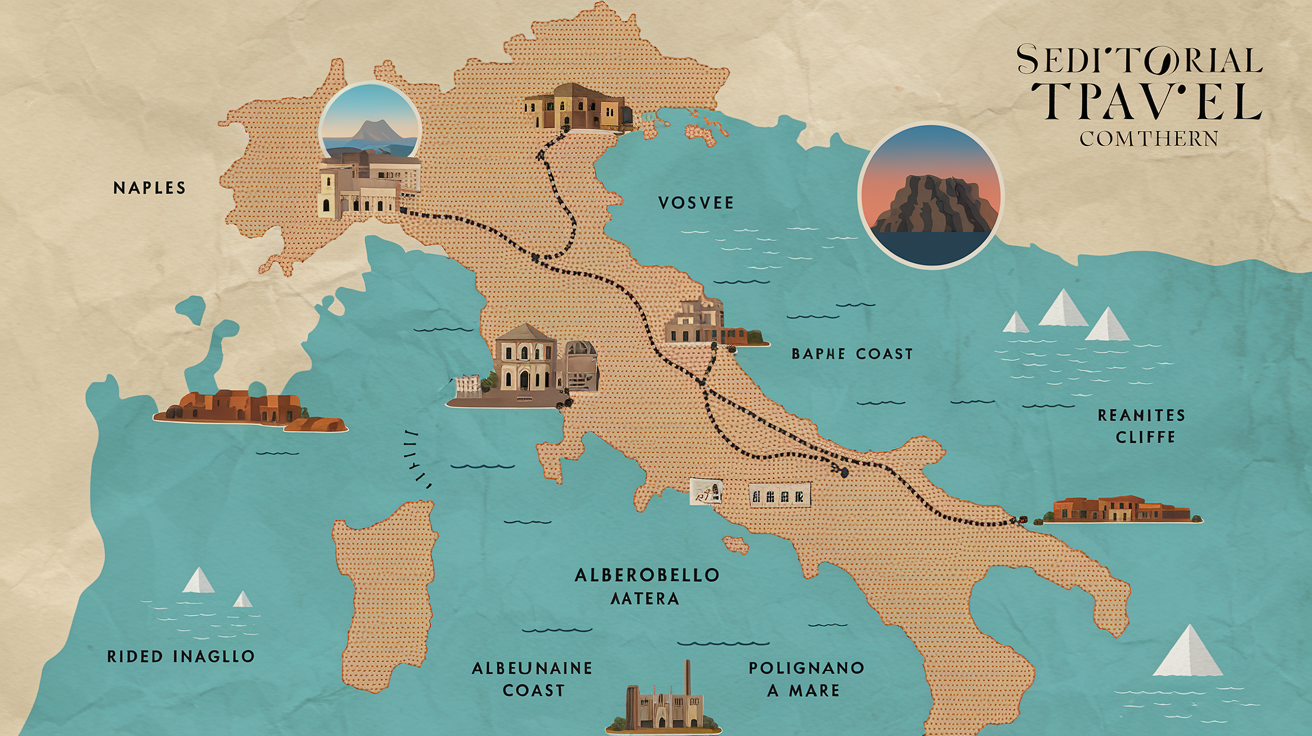
This 7‑day southern Italy itinerary connects the highlights of Campania, Basilicata, and Puglia in one manageable loop. You’ll start in Naples, swing down the Amalfi Coast, cross inland to the ancient cave city of Matera, then explore the whitewashed trulli towns and Adriatic coast of Puglia before looping back to Bari for your departure. The route covers about 350 miles (560 kilometers) and includes UNESCO sites, dramatic coastal scenery, clifftop towns, and some of the best food regions in Italy.
Works with or without a car, though having one makes things smoother. Most legs are short drives under two hours. Public transport handles Naples, Pompeii, and the Amalfi Coast well enough. The Matera to Puglia stretch gets easier with your own wheels, but buses and trains still run daily.
- Day 1: Arrive in Naples, explore Spaccanapoli and the historic center
- Day 2: Day trip to Pompeii ruins and Mount Vesuvius National Park
- Day 3: Drive or bus the Amalfi Coast, stopping in Sorrento, Positano, and Amalfi town
- Day 4: Transfer to Matera, walk the Sassi cave districts and viewpoints
- Day 5: Visit Alberobello’s trulli cone houses, continue to Polignano a Mare or Monopoli
- Day 6: Explore Polignano a Mare cliffs and Monopoli beaches, overnight near Bari
- Day 7: Morning in Bari Vecchia, depart from Bari airport or train station
With a rental car, you’ll control your timing and can add side stops in smaller hill towns. Without one, stick to trains and buses for Naples, Pompeii, and the coast, then use regional buses and prebooked transfers between Matera, Alberobello, and the Adriatic towns. Either way, keep your daily driving or transit under three hours so you’ve got time to actually walk, eat, and enjoy each place.
Day 1: Arrival in Naples & Historic Center Exploration
Most travelers fly into Naples International Airport, about 4 miles (7 kilometers) from the city center. Quickest route into town is the Alibus shuttle or a taxi, both taking around 20 minutes in light traffic. If you’re coming by train from Rome, you’ll land at Napoli Centrale just east of the historic quarter.
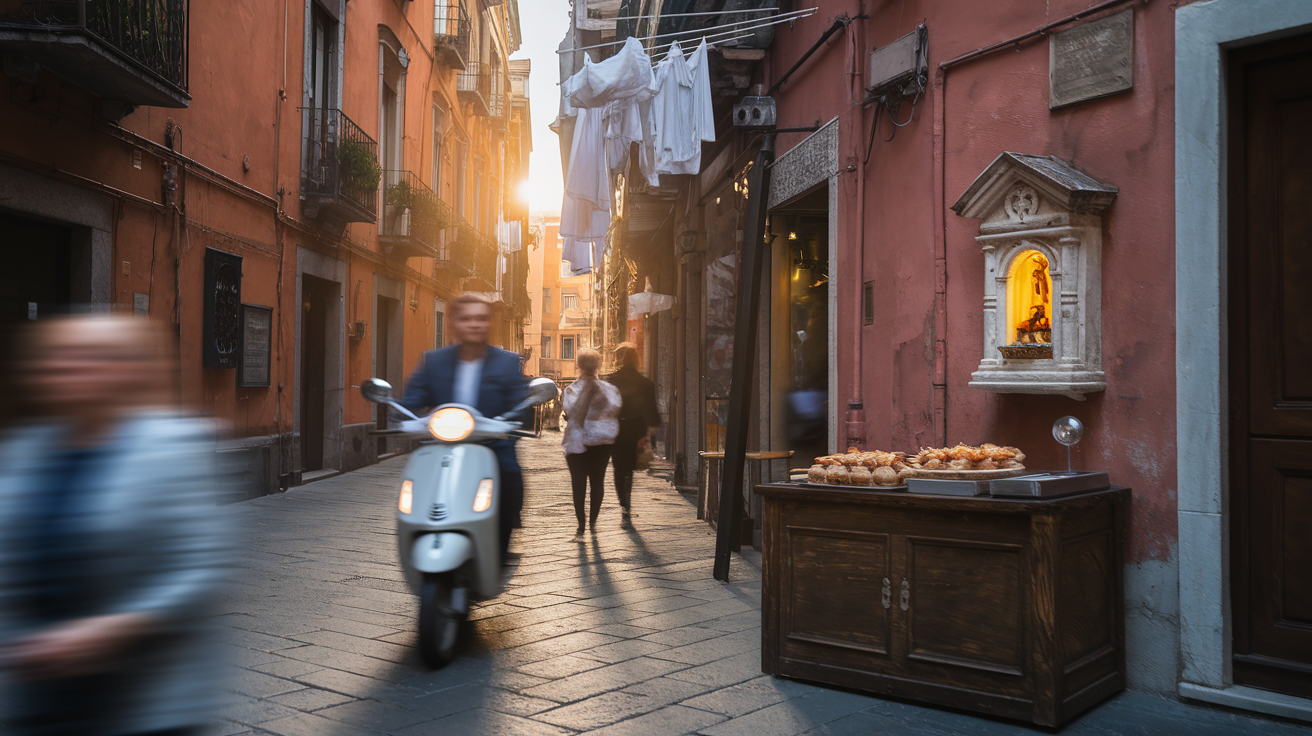
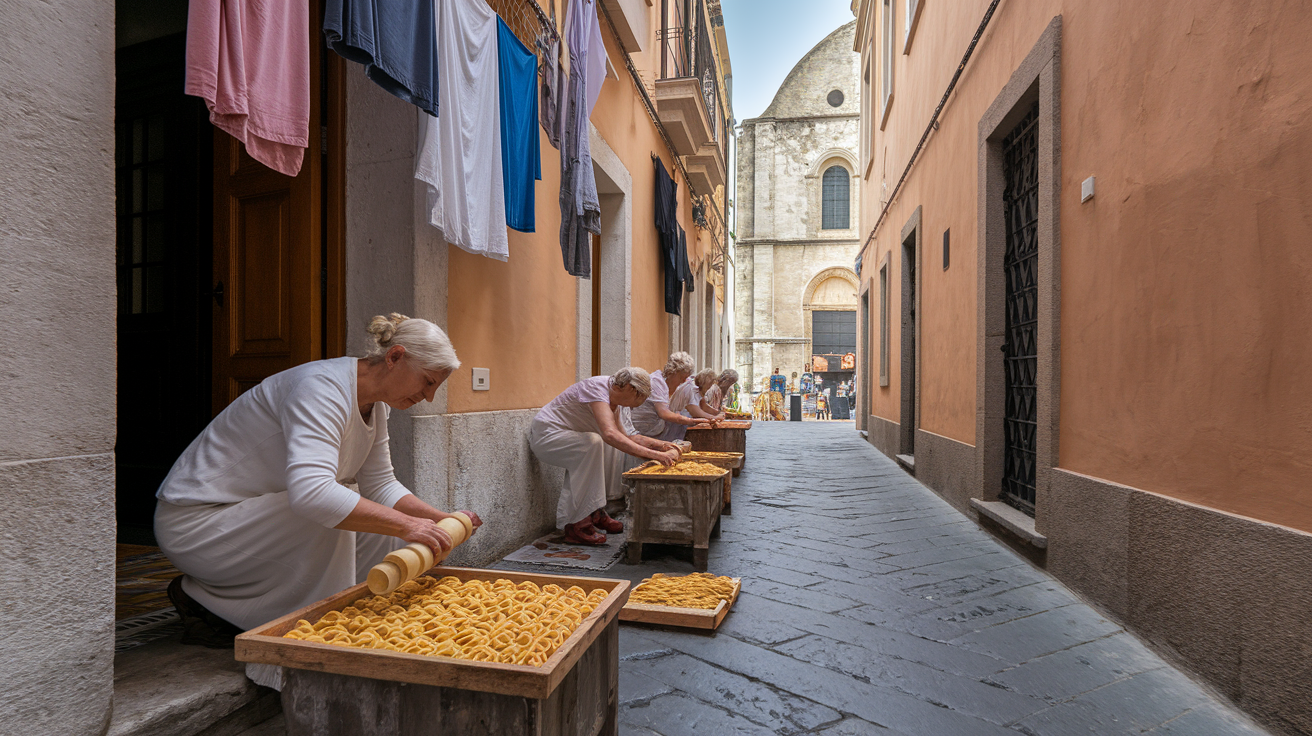
Drop your bags and head straight into Spaccanapoli, the long, straight street that slices through the oldest part of Naples. The name means “Naples splitter,” and it follows the layout of an ancient Greek road. Walk slowly here. Duck into side alleys to see washing lines strung between buildings, tiny street shrines, and nonne rolling pasta dough in doorways. Stop at the Duomo di Napoli to see the relics of San Gennaro, then walk down Via dei Tribunali for a mid‑afternoon sfogliatella and espresso.
By late afternoon, move toward the waterfront near Castel dell’Ovo. The medieval castle sits on a small island connected by a short causeway. Views back toward Vesuvius are clearest in the golden hour before sunset. For dinner, look for a family‑run trattoria in the Quartieri Spagnoli. Order simply: spaghetti alle vongole, friarielli (sautéed greens), and a carafe of local white wine.
Dining recommendations for Day 1:
- L’Antica Pizzeria Da Michele for classic Margherita pizza (thinner crust, wood‑fired)
- Gino e Toto Sorbillo for a thicker, airier dough and creative toppings
- Attanasio for warm sfogliatelle straight from the oven in the morning
- Any small caffè along Via San Gregorio Armeno for taralli and espresso
Budget travelers can stay in guesthouses or hostels near Napoli Centrale for easy train access on Day 2. For more comfort, book a mid‑range hotel in the Chiaia or Santa Lucia neighborhoods closer to the water. Plan roughly three hours for morning arrival logistics, four hours for afternoon walking and sightseeing, two hours for a relaxed evening meal.
Day 2: Pompeii & Mount Vesuvius
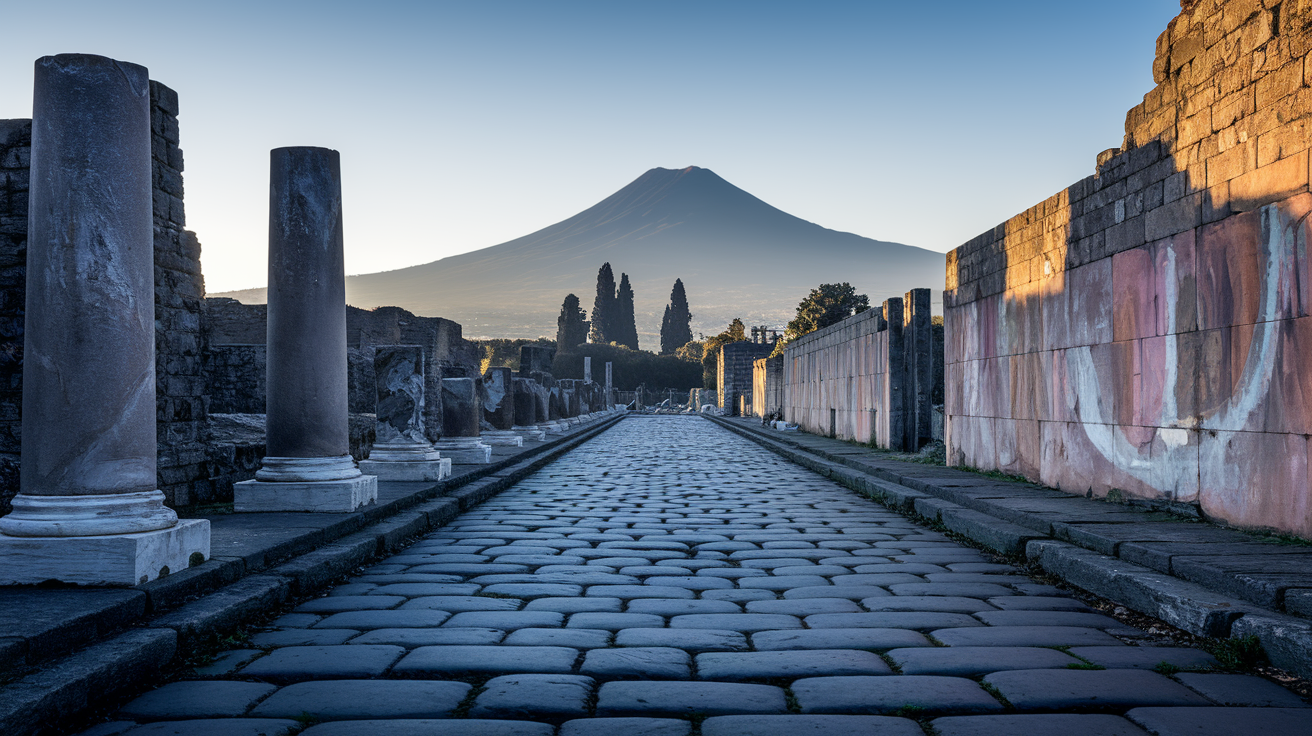
Pompeii sits about 15 miles (24 kilometers) southeast of Naples. Reachable by the Circumvesuviana commuter train in around 35 minutes. Trains leave from Napoli Garibaldi (beneath Napoli Centrale) every 20 to 30 minutes. Driving? Take the A3 autostrada and park in one of the large paid lots near the Porta Marina entrance. The ruins open at 9:00 a.m. Get there close to opening to beat the tour buses.
Pompeii was buried by the eruption of Mount Vesuvius in 79 CE, preserving streets, homes, bakeries, even carbonized loaves of bread. The site covers about 170 acres, so you can walk for three or four hours easily. Guided tours help decode the frescoes and explain daily Roman life, but you can also rent an audio guide and explore on your own. Don’t skip the Forum, the Villa of the Mysteries, and the plaster casts of eruption victims in the Garden of the Fugitives.
After Pompeii, drive or take a taxi 20 minutes uphill to Mount Vesuvius National Park. The final parking area sits about 3,300 feet (1,000 meters) above sea level. From there, it’s a 20‑ to 30‑minute uphill hike on a gravel path to the crater rim. The view down into the crater and across the Bay of Naples makes the climb worthwhile, especially on a clear day. Bring water, sunscreen, and sturdy shoes. The trail is steep and exposed.
Typical Day 2 flow:
- Catch the 8:00 a.m. Circumvesuviana train or drive to Pompeii by 9:00 a.m.
- Spend 3 to 4 hours walking the ruins. Grab a panino at the cafeteria if you’re hungry.
- Transfer to Vesuvius by taxi or private driver, allow 20 minutes for the drive.
- Hike to the crater rim (20–30 minutes) and spend 30 minutes at the top.
- Return to Naples by late afternoon or continue to Sorrento to overnight closer to the Amalfi Coast for Day 3.
Without a car, you can book a combined Pompeii and Vesuvius tour from Naples that includes transport and a guide. These tours typically run six to seven hours and return you to Naples by early evening. Or stay flexible and use local taxis or rideshare apps to move between the ruins and the volcano.
For accommodation, either return to the same Naples hotel or transfer to Sorrento (a 30‑minute train ride from Pompeii) to cut your travel time on Day 3. Sorrento offers a calmer base with sea views and direct ferry access to the Amalfi Coast.
Day 3: Amalfi Coast (Sorrento, Positano & Amalfi)
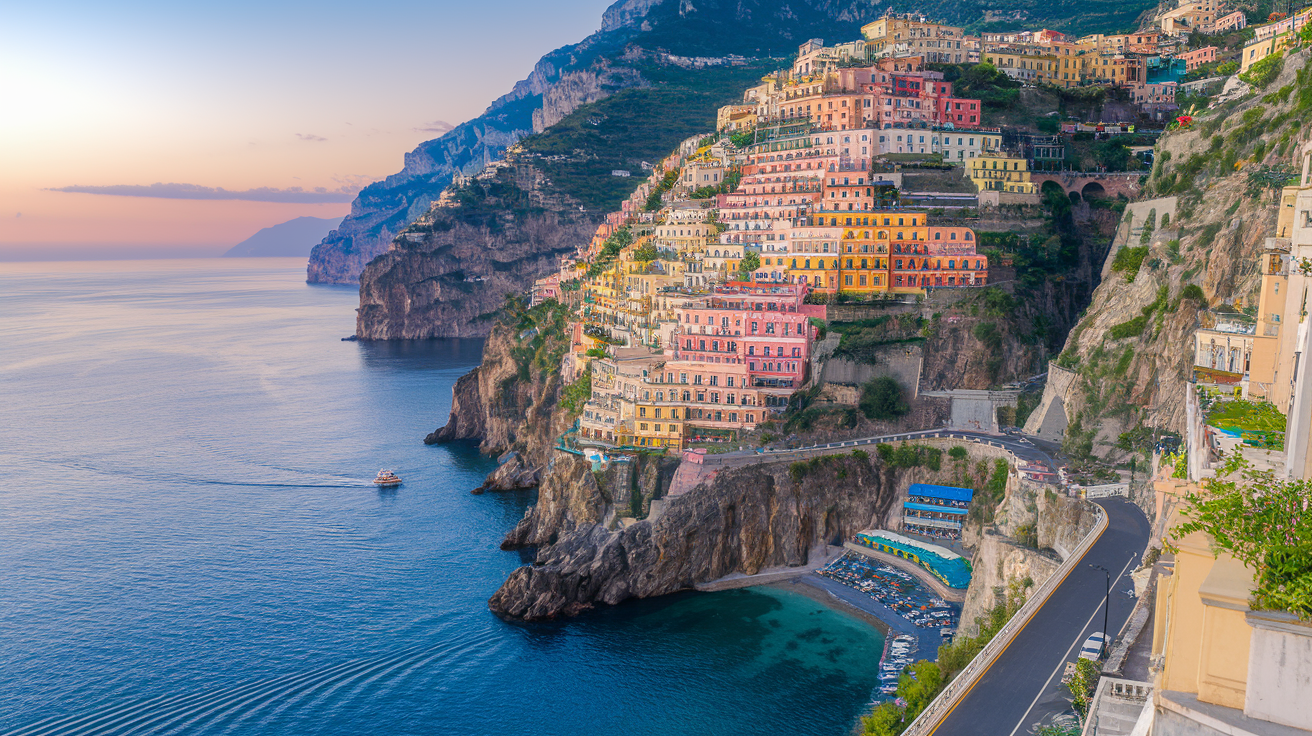
The Amalfi Coast stretches 31 miles (50 kilometers) along the southern edge of the Sorrentine Peninsula. Easiest way to see it is by a combination of SITA buses, ferries, and short walks. Driving? Start early to claim a parking spot in Positano or Amalfi before 10:00 a.m., when lots fill and street parking becomes impossible.
From Sorrento, catch the SITA bus toward Amalfi. The bus hugs the cliffside road, passing lemon groves and ceramic shops, with hairpin turns that open onto sudden views of turquoise water and pastel villages. Get off at Positano, about 30 minutes from Sorrento. Walk downhill through the narrow lanes lined with linen boutiques and limoncello stands. Spiaggia Grande, the main beach, sits at the bottom. Want fewer crowds? Follow the coastal path west to Fornillo beach, a quieter cove with a couple of small beach clubs.
Stay in Positano for a late lunch, ideally something simple like spaghetti alle vongole or grilled fish at a waterfront trattoria. Then catch the next SITA bus (or a ferry, if the sea’s calm) to Amalfi town, another 30 minutes along the coast. The Amalfi Cathedral, built in the 9th century, dominates the main piazza. Climb the steps to see the bronze doors cast in Constantinople and the crypt holding the remains of Saint Andrew. Wander the back streets for ceramics, paper shops, and small caffès serving delizia al limone, a lemon‑cream sponge cake.
From Amalfi, take a short 20‑minute bus ride uphill to Ravello, perched 1,200 feet (365 meters) above the sea. Villa Cimbrone and Villa Rufolo both have formal gardens with panoramic terraces overlooking the coast. The Terrace of Infinity at Villa Cimbrone is one of the best viewpoints in southern Italy. Spend an hour in Ravello, then catch the bus back down to Amalfi in time for the last SITA or ferry departure to Sorrento.
Recommended Amalfi Coast stops for Day 3:
- Sorrento: breakfast and morning coffee in Piazza Tasso, visit the Basilica di Sant’Antonio before departure
- Positano: mid‑morning beach walk, boutique browsing, a swim if it’s warm enough
- Amalfi: cathedral visit, lemon pastries, a short stroll along the marina
- Ravello: Villa Cimbrone gardens and a quiet aperitivo overlooking the cliffs
- Return to Sorrento: evening passeggiata and dinner in the centro storico
- Optional: book a sunset boat tour from Positano or Amalfi for views of the coastline from the water
Planning to move on to Matera the next morning? You can overnight in Sorrento or backtrack to Naples. Either city has good onward bus or train connections. Matera sits about 150 miles (240 kilometers) east, roughly a 3‑hour drive or a combination of train and bus via Salerno or Potenza. Early risers can leave Sorrento by 7:00 a.m. and reach Matera by lunch.
Timing estimates: Sorrento to Positano = 30–40 minutes, Positano stop = 2 hours, Positano to Amalfi = 30 minutes, Amalfi visit = 1.5 hours, Amalfi to Ravello = 20 minutes, Ravello visit = 1 hour, return to Sorrento = 1 hour total transit. You’ll spend most of Day 3 on the move, so pack light and wear comfortable shoes for the steep streets.
Day 4: Matera (Cave Dwellings & Historic Sassi District)
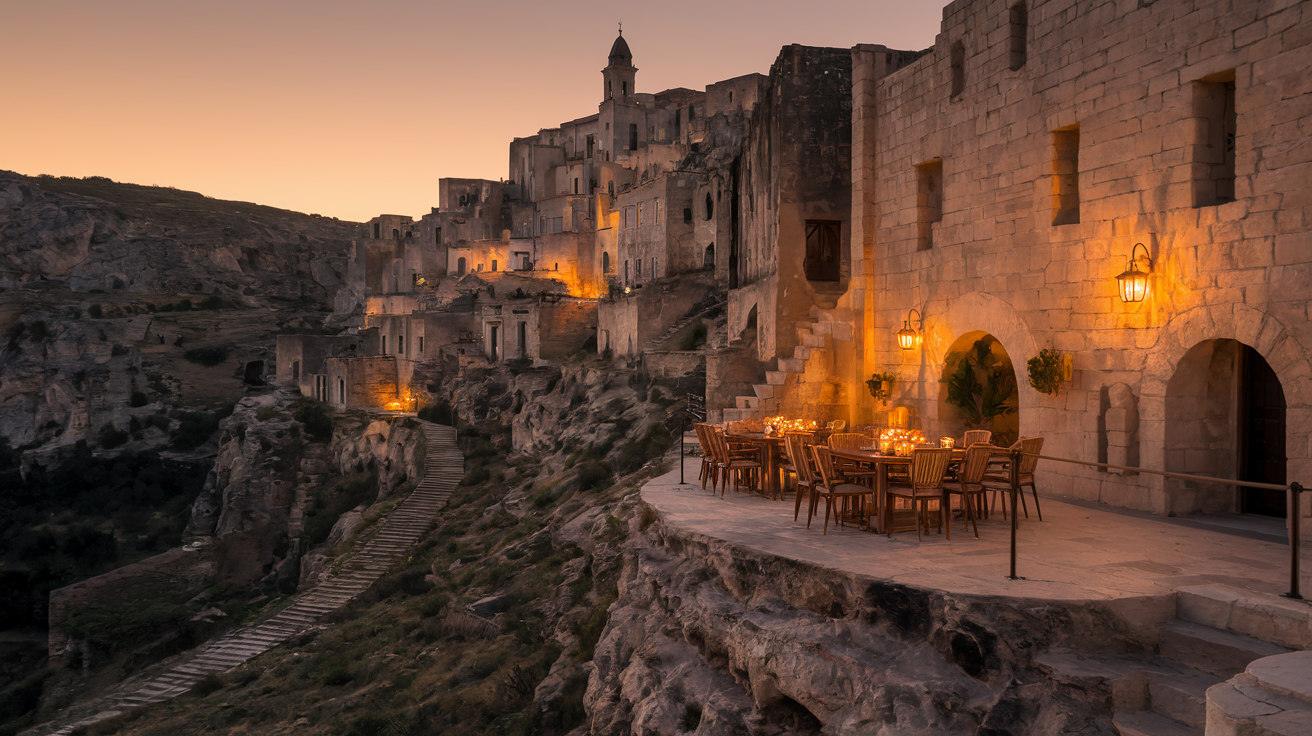
Matera sits in Basilicata, just across the regional border from Puglia. The city’s famous for its sassi, ancient cave dwellings carved into the limestone cliffs that have sheltered people for roughly 9,000 years. In 1993, the sassi districts were named a UNESCO World Heritage Site. Many of the caves have since been transformed into boutique hotels, restaurants, and small museums.
Park near the Belvedere di Piazza Giovanni Pascoli for your first view over the Sasso Barisano and Sasso Caveoso districts. The clusters of stacked stone houses and cave openings cascade down the ravine, with a few baroque churches and bell towers rising above the rooflines. From the belvedere, walk downhill into the sassi. The streets are steep, uneven, and often stepped, so leave the wheeled luggage at your hotel and carry a small daypack.
Start in Sasso Caveoso, where you can visit the Casa Grotta di Vico Solitario, a preserved cave home showing how families lived here into the 1950s. Then walk across to the Chiesa Rupestre di Santa Maria di Idris, a rock‑hewn church with Byzantine frescoes inside. For lunch, look for a trattoria serving Lucanian cuisine: orecchiette with cime di rapa, cruschi peppers, or lamb stew. Many restaurants are built into the caves themselves, with vaulted stone ceilings and candle‑lit tables.
In the afternoon, cross the ravine to the opposite viewpoint at Belvedere Murgia Timone. The walk takes about 30 minutes each way and gives you a panoramic view back across the sassi. Prefer a slower pace? Spend the afternoon wandering the alleys, ducking into artisan workshops, or visiting the MUSMA sculpture museum housed in Palazzo Pomarici. End the day with aperitivo on a terrace overlooking the ravine as the stone buildings turn golden in the late sun.
Optional variations: want to soak in the atmosphere? Book two nights in Matera and use the second morning to explore the upper town and the Convento di Sant’Agostino. On a tighter schedule? You can see the highlights in one full day and drive to Alberobello the same evening (about 1 hour 15 minutes).
Cave‑hotel accommodation suggestions for Matera:
- Sextantio Le Grotte della Civita: luxury cave suites with original stone and minimal modern intervention
- Sant’Angelo Luxury Resort: spa facilities and breakfast terraces carved into the cliffs
- Local Airbnb sassi rentals: budget‑friendly caves with kitchenettes and authentic details
Day 5: Alberobello & the Trulli of Puglia
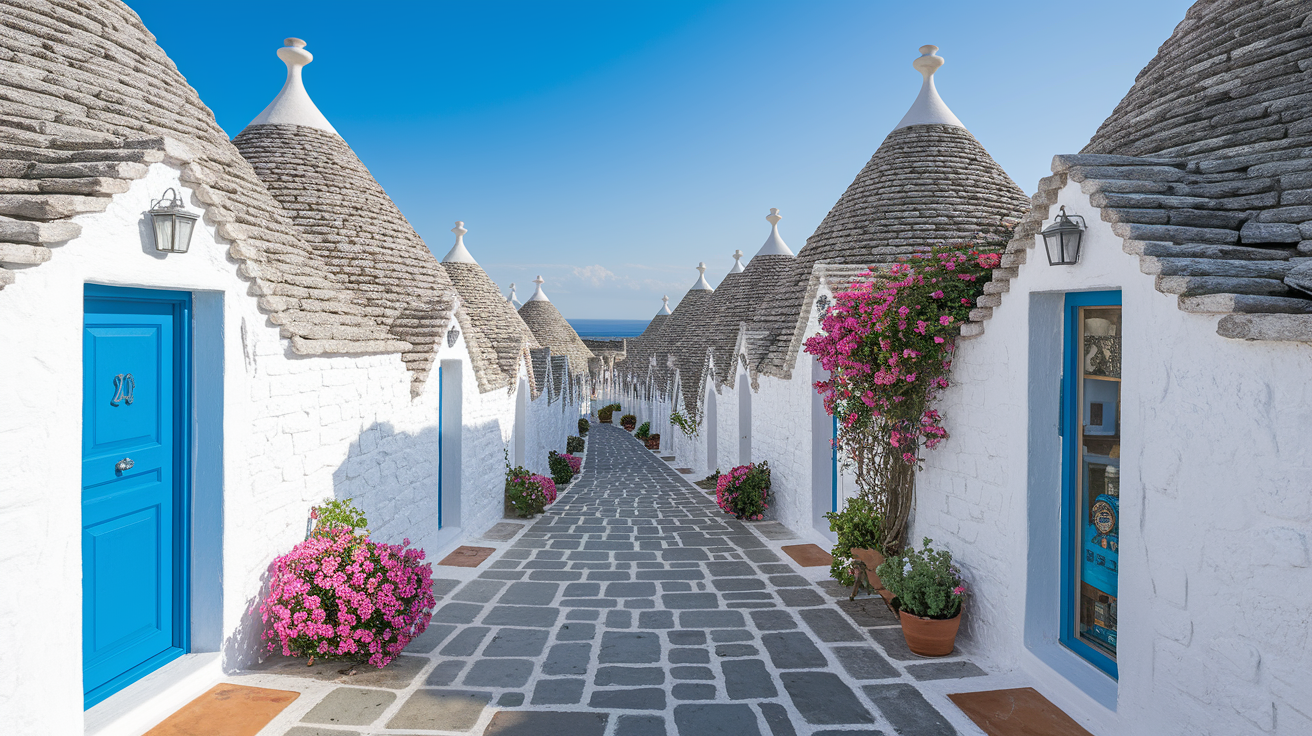
Alberobello sits in the heart of the Itria Valley, about an hour’s drive northeast of Matera. The town’s known for its trulli, small whitewashed stone houses with conical roofs made from stacked limestone slabs. The style dates back several centuries and was originally built without mortar so roofs could be quickly dismantled to avoid taxes. Today, more than 1,500 trulli cluster in Alberobello’s two main districts, Rione Monti and Aia Piccola, both protected as a UNESCO World Heritage Site.
Arrive early, ideally by 9:00 a.m., to walk through Rione Monti before the day‑trip buses arrive. The narrow streets wind uphill past rows of trulli, many now converted into souvenir shops, cafés, and small craft studios. For the best photos, head to the Belvedere Terrazza Santa Lucia, a raised viewpoint overlooking hundreds of conical roofs. Aia Piccola, on the quieter south side of town, still has residents living in their trulli and feels less commercial.
You can step inside a few trulli that operate as museums or shops. The interiors are small, dim, and cool, with thick stone walls that keep the heat out in summer. Some trulli have two or three cones stacked together to create multiple rooms. After an hour or two in Alberobello, the rhythm starts to feel repetitive, so plan a short visit and move on.
From Alberobello, you’ve got two options. Drive northwest to the hilltop town of Locorotondo (15 minutes) for a white‑walled centro storico and a glass of Verdeca wine on a terrace. Or continue northeast toward the Adriatic coast and the towns of Polignano a Mare and Monopoli, where you’ll spend Day 6. Got time? Stop in Martina Franca (20 minutes from Alberobello) for baroque architecture and a porchetta panino at a local macelleria.
Transport guidance: driving from Matera to Alberobello takes about 1 hour 15 minutes via the SS7. From Alberobello to Polignano a Mare, it’s another 40 minutes. Without a car, take a regional train from Matera to Bari, then a smaller Ferrovie del Sud Est train to Alberobello. The journey takes around 2.5 to 3 hours with a connection in Bari. Buses also run between Alberobello and nearby coastal towns, but schedules are limited, so check times the day before.
Optional variations:
- With a car: add stops in Locorotondo, Martina Franca, and Cisternino for wine tasting and slow lunches
- Without a car: spend the full day in Alberobello and take an afternoon train directly to Polignano a Mare or Monopoli to overnight
- For wine lovers: book a morning winery visit in the Itria Valley to taste Primitivo and learn about the local DOC zones before continuing to the coast
Day 6: Polignano a Mare & Monopoli Coastal Towns
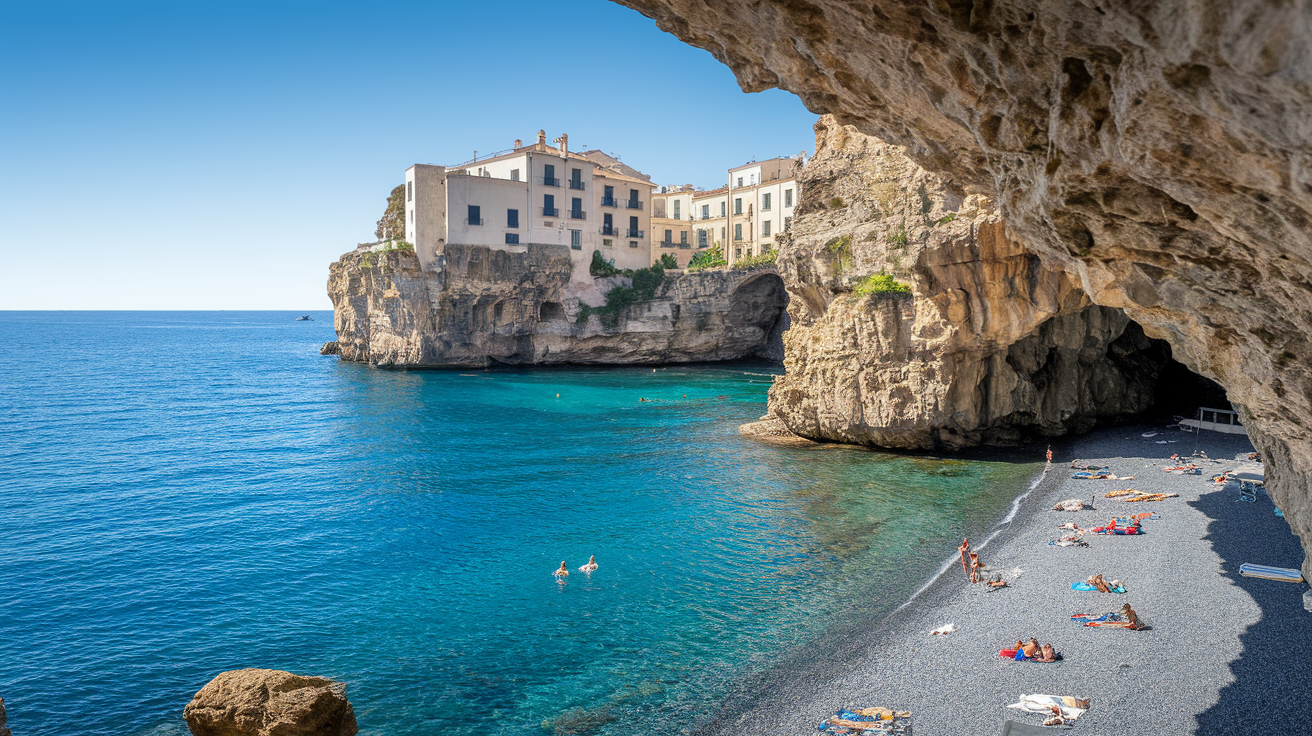
Polignano a Mare perches on limestone cliffs 65 feet (20 meters) above the Adriatic. The old town’s a maze of whitewashed alleys that open onto sudden balconies overlooking the turquoise sea. The most famous viewpoint is the Terrazza Santo Stefano, where you can look down at Lama Monachile, a small pebble beach wedged into a rocky cove. In summer, cliff jumpers launch from the rocks next to the Grotta Palazzese restaurant, a dining room built into a sea cave.
Arrive in Polignano early to claim a sunbed on Lama Monachile or one of the nearby beaches. The water’s clear and calm in the morning, and the cliffs provide some shade by mid‑afternoon. Prefer a longer stretch of sand? Drive 10 minutes south to Cala Ponte or Cala Fetente, both quieter and less crowded. After a swim, walk back up into the centro storico for lunch. Look for orecchiette con cime di rapa or grilled octopus at a trattoria with a sea‑view terrace.
In the afternoon, drive 15 minutes north to Monopoli. The town’s larger and less touristy than Polignano, with a working harbor, a small castello, and a long seafront promenade. The old town has a more lived‑in feel, with locals shopping in the market, fishermen mending nets, and kids playing soccer in the piazzas. Walk the city walls, then head to Spiaggia di Porto Verde, a sandy beach just outside the historic center, for a late‑afternoon swim.
Plan to overnight in or near Monopoli, or continue 25 minutes north to Bari if you want to be closer to the airport for your Day 7 departure. Monopoli has a good selection of small hotels and guesthouses, many within walking distance of the beach.
Recommended swimming spots for Day 6:
- Lama Monachile (Polignano a Mare): iconic pebble cove, arrive before 10:00 a.m. for space
- Cala Ponte (south of Polignano): sandy, sheltered, and less crowded
- Cala Fetente: rocky but beautiful water, bring water shoes
- Spiaggia di Porto Verde (Monopoli): long sandy beach with shallow water and a few lidos
Transport notes: driving? Parking in Polignano fills up by mid‑morning in summer. Use the paid lot near the train station and walk 10 minutes into town. Monopoli has more parking options closer to the centro storico. Without a car, regional trains connect Bari, Polignano, and Monopoli every 30 to 60 minutes, with journey times under 30 minutes.
Dining suggestions: in Polignano, try Antiche Mura for seafood pasta and a cliffside table. In Monopoli, head to the Mercato Coperto for fresh burrata, then find a simple osteria in the old town for grilled fish and a carafe of Negroamaro.
Day 7: Bari Old Town & Departure
Bari’s Puglia’s regional capital and a major transport hub, with an international airport and a large train station connecting to Rome, Naples, and the rest of Italy. Overnighted in Monopoli or Polignano? Drive or take the train to Bari in the morning, leaving your bags at the hotel or a station locker. You’ll have a few hours to explore Bari Vecchia, the old town, before your departure.
Bari Vecchia is a tight grid of narrow streets between the port and the newer commercial center. The neighborhood feels rough around the edges, lived‑in and loud, with laundry hanging overhead and motorini squeezing through the alleys. Walk along Strada delle Orecchiette, where older women sit outside their doorways rolling fresh pasta by hand. You can buy a bag of orecchiette to take home or stop for a plate of orecchiette con cime di rapa at a nearby trattoria. The Basilica di San Nicola, built in the 11th century, is worth a quick visit for its Romanesque architecture and crypt holding the relics of Saint Nicholas.
Got time before your flight or train? Walk the lungomare, the long waterfront promenade that curves around the port. It’s a popular spot for morning joggers and evening strollers, with views across the harbor and a few caffès serving espresso and cornetti. For a final snack, grab a slice of focaccia Barese, a thick, oily flatbread topped with tomatoes and olives, from a bakery near the train station.
Last‑minute stops in Bari:
- Panificio Fiore for warm focaccia Barese and taralli to take on the plane
- Small shops along Via Sparano for Puglian olive oil, dried pasta, or conserved vegetables in oil
- Mercato del Pesce (fish market) near the port for a quick look at the morning catch
Bari Karol Wojtyła Airport sits about 5 miles (8 kilometers) northwest of the city center. A taxi takes 15 to 20 minutes, or you can catch the Tempesta bus from the train station. Departing by train? Bari Centrale has direct high‑speed connections to Rome (about 4 hours), Naples (about 3 hours), and other Italian cities. Book your ticket in advance for the best prices and seat selection.
Best Time to Visit Southern Italy
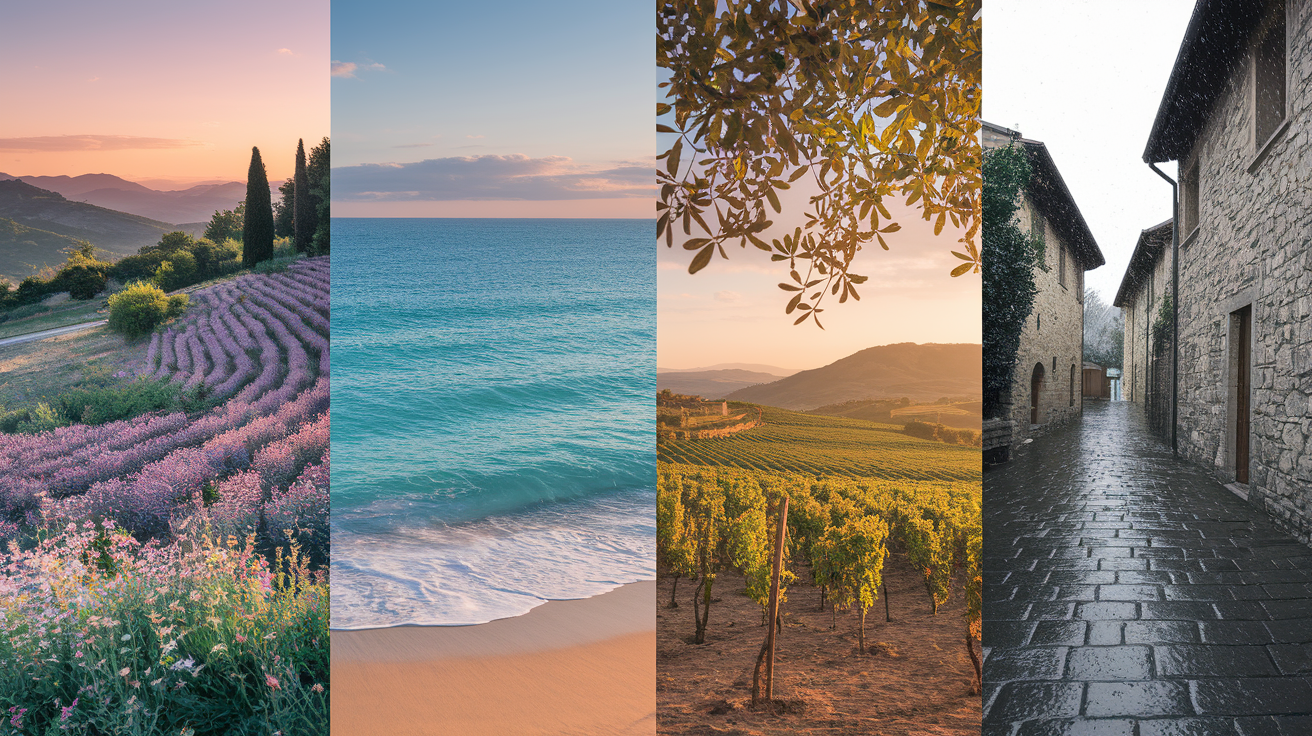
Southern Italy enjoys a Mediterranean climate with hot, dry summers and mild, wet winters. The shoulder seasons, spring and autumn, offer the best combination of comfortable weather, fewer crowds, and lower prices. Summer brings intense heat and packed beaches, especially along the Amalfi Coast and in popular towns like Positano and Alberobello.
Spring runs from April through early June. Temperatures range from the mid‑60s to mid‑70s Fahrenheit (18–24°C), wildflowers cover the hillsides, and most hotels and restaurants are open but not yet crowded. This is the ideal window for hiking the Path of the Gods or exploring Matera’s outdoor staircases without overheating. Autumn, from mid‑September through October, offers similar conditions with the added bonus of harvest season in the vineyards and olive groves.
| Season | Weather | Pros | Cons |
|---|---|---|---|
| Spring (April–June) | 65–75°F (18–24°C), occasional rain | Fewer crowds, blooming landscapes, comfortable walking temps | Some beach clubs may not open until late May |
| Summer (July–August) | 80–95°F (27–35°C), dry and sunny | Warmest sea temps, long daylight hours, lively beach atmosphere | Extreme heat, packed hotels, higher prices, difficult parking |
| Autumn (September–October) | 70–80°F (21–27°C), warm and stable | Harvest season, still‑warm sea, fewer tourists, beautiful light | Some seasonal restaurants close in late October |
| Winter (November–March) | 50–60°F (10–16°C), rain likely | Lowest prices, authentic local experience, empty streets | Many hotels and restaurants closed, beaches cold, shorter days |
Estimated Costs & Budget Planning
A week in southern Italy can range from budget‑conscious to comfortably mid‑range depending on your choices for accommodation, dining, and transportation. Solo travelers and couples willing to stay in guesthouses, eat at local trattorias, and use public transport can expect to spend around €70 to €100 per person per day. Mid‑range travelers who prefer boutique hotels, occasional taxis, and nicer dinners will land closer to €150 to €200 per person per day.
Accommodation’s usually the largest single expense. Budget options like hostels or Airbnb rooms in Naples, Bari, or Matera start around €40 to €60 per night. Mid‑range hotels and trullo or sassi cave stays run €100 to €150 per night. Luxury properties, especially along the Amalfi Coast, can easily exceed €300 per night. Book early for the best rates, and consider staying slightly outside the most famous towns to save money without losing convenience.
Typical daily expenses (per person, approximate euro amounts):
- Budget breakfast: €3–5 (cornetto and cappuccino at a bar)
- Lunch: €10–15 (pizza, panino, or a plate of pasta at a trattoria)
- Dinner: €20–35 (antipasto, primo or secondo, house wine, cover charge)
- Gelato or snack: €3–5
- Museum or site entry: €5–15 (Pompeii’s around €18, many churches are free)
- Local transport: €1.50–3 per bus or metro ticket, €10–20 for short taxi rides
- Car rental: €30–50 per day for a compact car, plus fuel (€1.80–2.00 per liter) and parking fees
- Ferry tickets: €15–25 per trip (Sorrento to Capri or along the Amalfi Coast)
- Guided tours: €40–80 for half‑day group tours, private tours run €150–300
These ranges assume you’re traveling in the shoulder season and choosing a mix of self‑guided and guided activities. Summer prices climb by 20 to 30 percent, and Amalfi Coast hotels can double their rates in July and August.
Transportation & Driving Tips
Southern Italy’s transport network combines high‑speed trains, regional trains, SITA buses, ferries, and a well‑maintained highway system. Trains work well for the Naples‑Pompeii‑Sorrento corridor, but once you head inland to Matera or across Puglia, a rental car saves time and opens up smaller towns that buses serve infrequently.
Planning to rent a car? Pick it up in Naples after your Day 2 visit to Pompeii and drop it in Bari at the end of Day 7. Most international agencies have offices at both Naples and Bari airports. An International Driving Permit is technically required alongside your home license, though enforcement is inconsistent. Fuel’s expensive compared to North America, and many town centers have restricted ZTL zones where only residents can drive. Look for parking just outside the old towns and walk in.
Driving the Amalfi Coast requires patience. The SS163 coastal road is narrow, winding, and shared by buses, scooters, and pedestrians. Expect slow progress, especially in summer. Parking in Positano and Amalfi fills early, so plan to arrive by 9:00 a.m. or use a paid garage. If the idea of navigating these roads stresses you out, stick to the SITA buses and ferries, which run frequently and connect all the major towns. Ferry schedules depend on weather, so always have a backup plan.
For travelers without a car, trains cover Naples, Pompeii, Sorrento, and Bari efficiently. The Circumvesuviana and Ferrovie del Sud Est regional lines connect smaller towns in Puglia, though schedules can be sparse outside peak hours. Buses fill the gaps, particularly the SITA buses along the Amalfi Coast and the regional Marozzi or Marino buses from Naples to Matera. Book intercity buses in advance online to guarantee a seat.
Hotel Recommendations by Region
Naples has the widest range of accommodation, from backpacker hostels near Napoli Centrale to elegant waterfront hotels in the Chiaia neighborhood. For proximity to the historic center and easy walking access to Spaccanapoli, look for hotels in the Centro Storico or near Piazza del Gesù. Budget travelers should check guesthouses along Via Toledo or near the university. Mid‑range and luxury options cluster around the seafront near Castel dell’Ovo, where rooms often include Vesuvius views and quieter streets.
Along the Amalfi Coast, Sorrento offers the best value and the easiest base for day trips. Hotels here range from family‑run pensioni with simple rooms and breakfast terraces to boutique properties with infinity pools overlooking the Bay of Naples. Positano’s more expensive and harder to navigate due to steep streets and limited parking, but staying there puts you in the heart of the postcard scenery. Look for hotels with porter service if you’re carrying luggage uphill.
Accommodation types for the Amalfi Coast:
- Budget: small guesthouses or Airbnb rooms in Sorrento or Praiano, often inland from the water
- Mid‑range: family hotels with sea‑view balconies, breakfast included, and helpful owners who book ferries and restaurant tables
- Luxury: clifftop resorts in Positano or Ravello with spa facilities, private beach access, and Michelin‑level dining
Matera’s sassi cave hotels are the most unique lodging experience on this itinerary. Even budget travelers can find renovated cave rooms with stone walls, vaulted ceilings, and small terraces overlooking the ravine. Higher‑end properties add features like spa tubs carved into the rock, underfloor heating, and in‑room espresso machines. Book well in advance, especially if you’re visiting in spring or autumn. Many sassi hotels are small, with fewer than ten rooms, and fill quickly.
Puglia accommodation varies by location. In Alberobello, you can rent an entire trullo for a night or two, which feels like sleeping in a tiny stone igloo. Polignano a Mare and Monopoli have boutique hotels and B&Bs tucked into the old town, many within a five‑minute walk of the beach. Bari offers standard business hotels near the train station and a few charming guesthouses in Bari Vecchia if you want to stay in the thick of the action. For a rural experience, look for masserie, traditional fortified farmhouses converted into agriturismi with pools, olive groves, and farm‑to‑table dinners.
Puglia accommodation types by area:
- Alberobello: trullo rentals (unique cone‑house stays), small family hotels
- Polignano a Mare: boutique hotels with sea views, cliff‑edge terraces, cave rooms
- Monopoli: beachfront B&Bs, historic center guesthouses, small resort hotels
- Bari: business hotels near the station, charming rooms in Bari Vecchia, airport‑area chains for early departures
Final Words
in the action, this post maps a simple route: Naples, Pompeii/Vesuvius, Amalfi Coast, Matera, Alberobello, Polignano/Monopoli, and Bari.
You’ll get transport choices, timing notes, food tips, hotel types, and budget ranges. There are clear suggestions for traveling with or without a rental car and slower alternatives when you want to take it easy.
Treat the 7 day southern italy itinerary as a flexible frame: pick one main thing each morning, leave time for meals and a nap, and slow down when you want. Enjoy the sea, the food, and easy strolls — come home rested and full of great stories.
FAQ
Q: How many days do you need in Southern Italy?
A: The number of days you need in Southern Italy is at least seven for a relaxed highlights trip—Naples, Pompeii, Amalfi, Matera, and Puglia. Add extra days for islands or slower travel.
Q: When to avoid Italy in 2026?
A: You should avoid Italy in 2026 during July and August because of intense heat and crowds, and around Ferragosto (Aug 15) when many businesses close. Also avoid northern areas during the Feb 2026 Winter Olympics.
Q: What is better, Amalfi Coast or Puglia?
A: Choosing between the Amalfi Coast or Puglia depends on what you want: Amalfi for dramatic cliffs, quick seaside glamour and viewpoints; Puglia for slower village life, unique trulli houses, affordable food, and wide sandy beaches.
Q: What is the nicest part of Southern Italy?
A: The nicest part of Southern Italy depends on your taste: many prefer the Amalfi Coast’s cliffs, Matera’s cave city charm, or Puglia’s coastal villages. Choose based on whether you want scenery, history, or slow beaches.