Destinations
Visit Dublin Ireland: Top Attractions and Essential Tips
By Travelin Guru Leisure
May 20, 2026
Field Notes
You don’t need a week to enjoy Dublin—48 hours will show you the highlights.
But if you want museums, neighborhoods, and an easy day trip, three to five days makes the trip relaxed and better.
If you’ve ever landed hungry and tired, you’ll want the practical tips here: where to stay, how to get around, what to book ahead, and when to visit to avoid crowds.
Read on for a clear, relaxed plan of top sights and essential tips so you can enjoy Dublin without overbooking or wasted time.
Essential Information for Visiting Dublin, Ireland (Quick Guide)
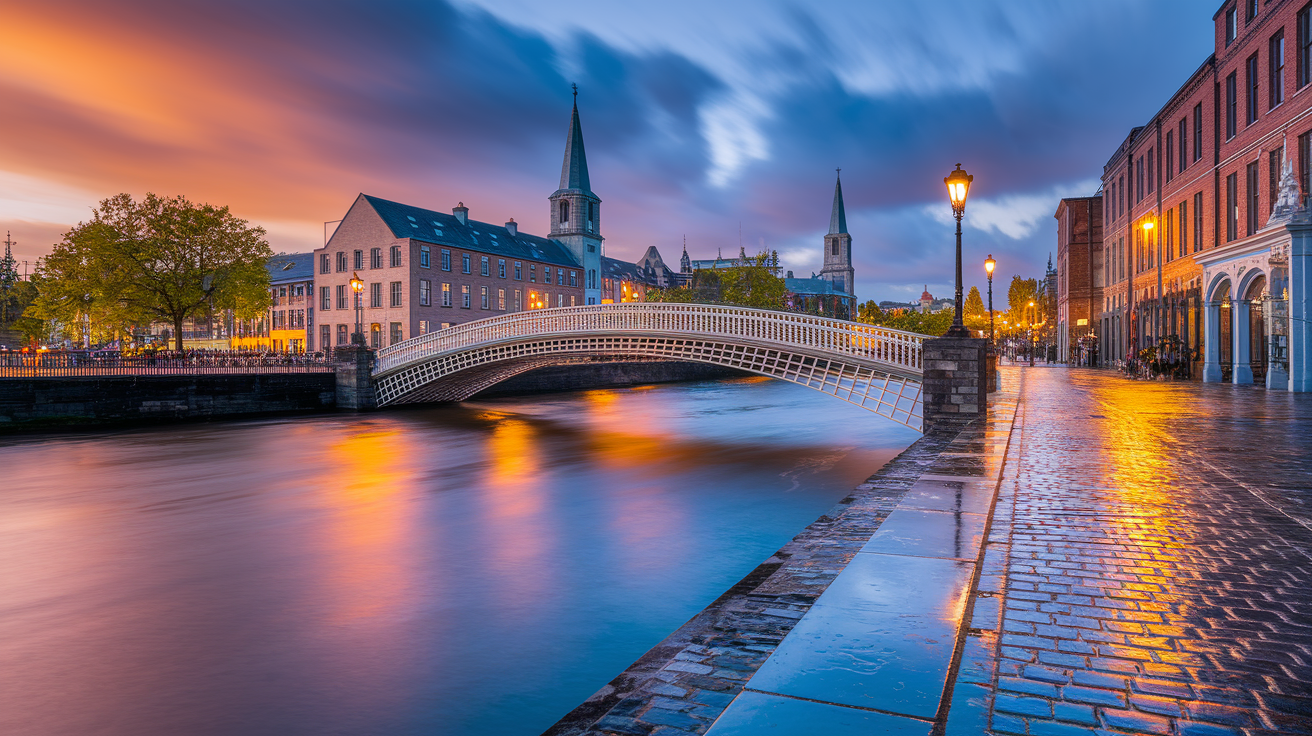
Dublin sits on Ireland’s east coast where the River Liffey cuts through, mixing centuries of history with the kind of modern energy you feel the second you step off the plane. Trinity College has been around since 1592. Temple Bar stays loud and packed. The Guinness Storehouse still pulls crowds to St. James’s Gate. Georgian townhouses frame squares like Merrion and Fitzwilliam, and the city loves its literary past—Joyce, Yeats, Wilde—enough to earn UNESCO City of Literature status. Over 700 pubs serve about 1.2 million people in the metro area, and the social fabric here is built on conversation, music, and a good pint.
First-timers should plan at least two full days to hit the big stuff. Three to five days feels better if you want museums, neighborhoods, and maybe a day trip. The city center is compact and walkable. Most major sites sit within a 30 to 40-minute stroll of each other. Public transport fills in the gaps when your feet hurt or the rain shows up, which happens a lot.
Best months to visit are April through June and September through October. Summer brings long days and warm weather, but also peak crowds and expensive hotels. The week around St. Patrick’s Day on March 17 is chaos, and accommodation books out nearly a year ahead, especially for early June. Winter gives you quieter streets and lower rates, though shorter days and frequent drizzle push you indoors to museums, galleries, and warm pub corners.
Quick essentials before you go:
- Currency is the Euro. Cards work almost everywhere.
- Leap Cards make bus, tram, and DART fares easier with daily caps at €6 and weekly caps at €24.
- Book popular attractions like the Guinness Storehouse and Trinity College’s Book of Kells online ahead of time.
- Pack layers and a waterproof jacket. Dublin weather doesn’t give warnings.
- Many national museums, including the National Gallery and National Museum of Archaeology, are free.
Top Dublin Attractions and Experiences
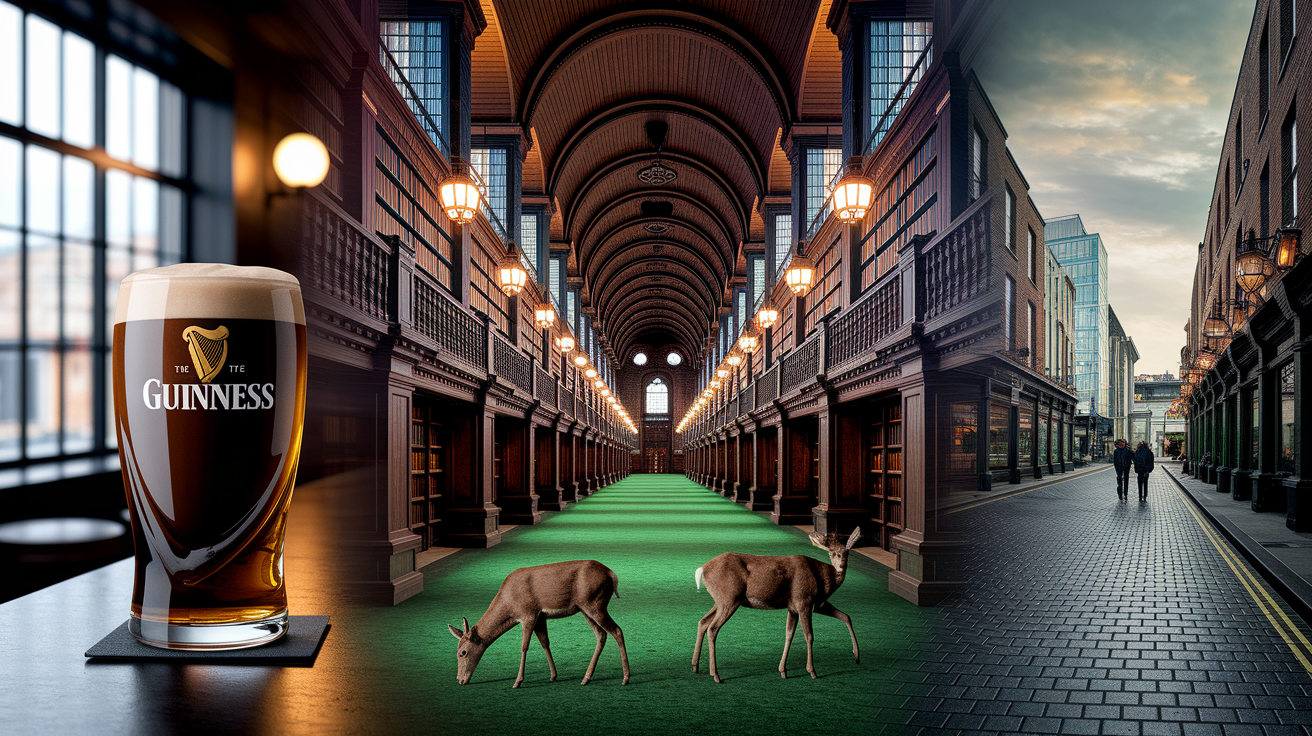
The Guinness Storehouse pulls over a million people each year through its seven-story setup at St. James’s Gate. Arthur Guinness signed a 9,000-year lease here in 1759, and the exhibits walk you through the four ingredients—barley, water, hops, yeast—that go into every pint. Plan two to three hours for the full tour. It ends at the Gravity Bar on the top floor, where floor-to-ceiling windows give you 360-degree city views and a complimentary pint. Tickets start around €30. Cheaper slots show up on weekday mornings and off-peak times.
Trinity College anchors the scholarly heart of Dublin, and the Long Room library holds the Book of Kells, an illuminated manuscript from around 800 AD. The vaulted hall stretches 65 meters and houses over 200,000 of the college’s oldest books under a barrel-vaulted ceiling. Arrive about 15 minutes before opening to skip the longest queues. Buy tickets online to guarantee entry. A guided Trinity Trails tour before your Book of Kells visit adds historical context and lets you explore the wider campus.
Phoenix Park covers 1,750 acres. That makes it one of Europe’s largest enclosed urban parks, bigger than London’s Hyde Park and New York’s Central Park combined. Wild fallow deer roam freely. The grounds include the President’s residence, the U.S. Ambassador’s residence, and Dublin Zoo. Rent a bike at the park entrance to cover more ground, or just walk the tree-lined avenues and pause at the Victorian People’s Garden. It’s a quiet break from the busier tourist zones and costs nothing to enter.
Temple Bar might be Dublin’s most photographed district, but it delivers more than Instagram backdrops. Cobblestone streets host live traditional music sessions every night of the week. Small theaters like The Project Arts Centre showcase cutting-edge performances. The area can feel overrun with tourist crowds and stag parties on weekend nights, but early evening offers a more relaxed window to grab a pint and hear a fiddle tune before things get messy.
Six experiences that define a Dublin visit:
- Attend a live traditional music session at The Cobblestone, O’Donoghue’s, or The Brazen Head (operating since 1198).
- Tour Kilmainham Gaol to understand Ireland’s struggle for independence. Guided tours only. Book online weeks ahead.
- Walk the Ha’Penny Bridge, one of 24 bridges crossing the Liffey, named for the half-penny toll once charged to cross.
- Explore the Chester Beatty Library behind Dublin Castle for free access to manuscripts, Japanese prints, and rooftop gardens.
- Take afternoon tea on a vintage 1960s double-decker bus with tiered service and live commentary as you roll through the streets.
- Catch a comedy show at InStitches Comedy Club, Den Craic, or the International Bar, which runs performances Thursday through Sunday.
How to Get Around Dublin

Dublin’s city center fits comfortably within walking range. Most visitors cover the triangle between Trinity College, St. Stephen’s Green, and Temple Bar entirely on foot. A 30-minute walk connects the Guinness Storehouse to Grafton Street, and another 20 minutes brings you north across the Liffey to O’Connell Street. Rain gear and comfortable shoes matter more than route planning for short hops.
When legs tire or distances stretch, Dublin Bus, Luas trams, and DART trains fill the network. The Leap Card is a rechargeable smartcard that works across all three systems. Purchase one for a €5 fee and load credit using the Leap Top-Up app or at corner shops and transit stations. Bus fares validate for 90 minutes of transfers, but you only tap on when boarding. Luas and DART require both tap-on and tap-off, or penalties apply. Daily spending caps at €6 and weekly caps at €24 make the card a better deal than single-ride paper tickets if you’re hopping around for more than a day.
Driving in central Dublin isn’t worth it. Parking costs mount quickly, traffic snarls during rush periods, and most streets favor pedestrians and cyclists. If you’re collecting a rental car to explore the countryside, pick it up on your way out of the city and leave it parked at your hotel while you’re based in Dublin.
| Transport Type | Coverage | Best For |
|---|---|---|
| Dublin Bus | City-wide network; routes reach suburbs and some coastal towns | Budget travel, reaching neighborhoods off the tram and train lines |
| Luas (Tram) | Red Line (Docklands to Tallaght) and Green Line (St. Stephen’s Green to Broombridge) | Fast trips between central zones and southwest districts |
| DART (Train) | Coastal route from Malahide and Howth south to Greystones and Bray | Seaside day trips, Howth cliff walks, Forty Foot swimming spot |
Where to Stay in Dublin
Accommodation fills up fast, especially from late spring through summer, and prices climb higher than many European capitals. Booking three to six months ahead secures better rates and more choice. South of the River Liffey generally feels safer and quieter at night, with easier walking access to Trinity College, the National Gallery, and St. Stephen’s Green. North-side hotels can offer better value, but plan on a 10 to 20-minute walk to reach the main museum and shopping clusters.
Temple Bar puts you in the middle of nightlife and live music, but weekend noise levels spike after 10 p.m. and the area swarms with pub crawls and stag parties. If you want to be close to the action but still sleep, look just south toward Grafton Street or the blocks around Merrion Square. St. Stephen’s Green offers a central, park-adjacent base with easy access to shopping on Grafton Street and cultural sites along Kildare Street. The Georgian architecture adds charm, and the neighborhood stays relatively calm after dark.
The Docklands stretch along the north and south quays east of the city center, mixing modern apartment towers, tech campuses, and waterfront dining. Hotels here tend to be newer, with amenities like gyms and parking, and you’re a short tram ride from Temple Bar or Trinity. Phibsborough and Drumcondra, north of the center, give you a taste of local Dublin without the tourist density. Prices drop, corner pubs fill with regulars, and you’re still only a 15-minute bus or tram ride from O’Connell Street.
Four neighborhoods to consider:
- Temple Bar — Central nightlife hub, live music every night, crowded on weekends, higher hotel rates.
- St. Stephen’s Green / Grafton Street — Quiet park access, premium shopping, walking distance to museums, mid to high prices.
- Docklands — Modern hotels, good transit links, waterfront views, slightly removed from historic core.
- Phibsborough / Drumcondra — Residential feel, local pubs and cafés, lower nightly rates, quick bus or tram into center.
Dublin Food, Pubs, and Local Culture
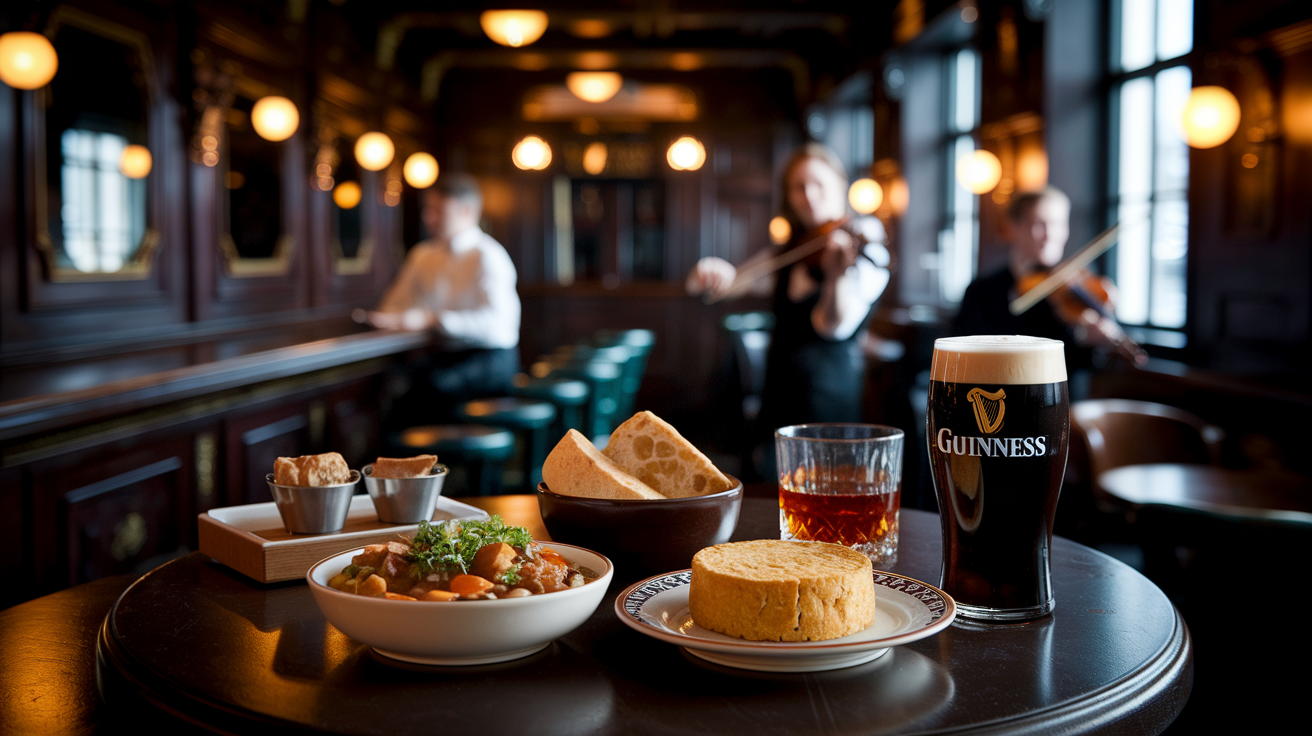
Traditional Irish cooking leans on stews, potatoes, soda bread, and fresh seafood, but Dublin’s dining scene has expanded way beyond the clichés. Boxty, a potato pancake fried or baked with fillings, comes in three regional styles and shows up on menus at spots like Gallaghers Boxty House. Fish and chips remain a reliable quick meal, best eaten near the docks in Howth or wrapped in paper on a bench by the Liffey. For a step up, the Seafood Café serves coastal catches with French technique, while neighborhood bistros in Portobello and Ranelagh offer modern Irish plates built around seasonal ingredients.
Pubs anchor Dublin’s social life in a way that goes beyond drinking. Traditional music sessions happen nightly across the city, often starting around 9 p.m. and running until closing. The Cobblestone in Smithfield and O’Donoghue’s near St. Stephen’s Green draw serious musicians and appreciative crowds. Grogan’s Castle Lounge on William Street South has served locals since the 1970s and keeps a low-key, conversation-friendly vibe. The Long Hall on South Great George’s Street stands out for its Victorian woodwork and mirrors, and it pours beers from Changing Times Brewery alongside the usual suspects.
Temple Bar’s pub strip offers high energy and tourist-friendly menus, but the food often skews generic and overpriced. Venture a few blocks in any direction to find better value and more authentic flavors. Portobello, southwest of St. Stephen’s Green, clusters creative restaurants and wine bars along quiet canals. Richmond on Richmond Street South does weekend brunch and weeknight early-bird menus that pull neighborhood regulars. BIGFAN on Aungier Street serves Chinese bao and dumplings with inventive cocktails. Loose Canon Cheese and Wine on Drury Street pours European wines by the glass and builds toasties that justify the name.
Coffee culture runs strong, with independent roasters scattered through side streets and laneways. First Chapter on Fade Street pulls excellent cortados, and Shoe Lane Coffee near Trinity roasts its own beans. For dessert, Spilt Milk Ice Cream on Drury Street scoops rich, small-batch flavors. Pistachio stands out as a local favorite.
Four must-try foods and drinks:
- Irish stew — slow-cooked lamb or beef with root vegetables, served with soda bread for dipping.
- Guinness — the dry stout tastes different on home soil. Try it at the brewery or in a neighborhood pub with a skilled pour.
- Boxty — potato pancake fried crisp or baked soft, filled with meats, seafood, or vegetables.
- Whiskey flight — sample three regional styles at the Irish Whiskey Museum (€23, one-hour guided tour) or at a distillery like Teeling or Jameson Bow Street.
Best Day Trips from Dublin
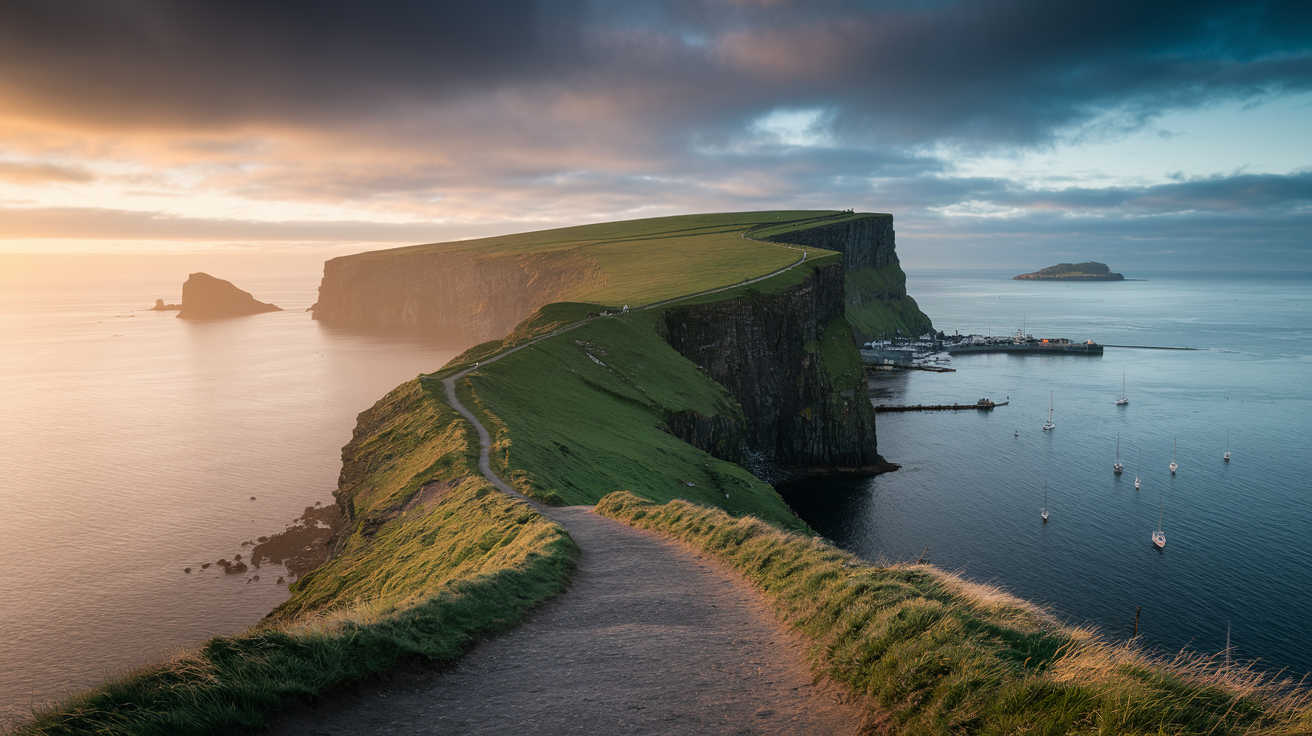
Howth sits on a peninsula 20 minutes north of the city center by DART train, making it the easiest half-day escape. The harbor village lines up seafood shacks and chowder cafés, and a cliff path loop stretches about six kilometers with views over Dublin Bay and out to Ireland’s Eye island. Weekends draw crowds, so aim for a weekday morning if you want quieter trails. The walk takes roughly two hours at a relaxed pace, and you can finish with fish and chips at one of the harbor stalls before catching the train back.
Glendalough lies in the Wicklow Mountains about an hour’s drive south. The Early Medieval monastic site dates back 1,400 years and includes a round tower, stone churches, and Celtic crosses scattered among two glacial lakes. The Upper Lake trail offers an easy, scenic walk along the water, and the valley stays green even in summer. Day-tour coaches from Dublin bundle Glendalough with a stop at Powerscourt Estate, but renting a car or hiring a private driver gives you control over timing and lets you linger without a group schedule.
Kilkenny requires about 90 minutes by car or bus and works better as an overnight than a rushed same-day return. The 12th-century Kilkenny Castle dominates the Medieval Mile, a compact heritage trail linking St. Canice’s Cathedral, the Black Abbey, and lanes of craft shops and traditional pubs. The town’s walkable scale and slower rhythm make it a good counterpoint to Dublin’s busier streets.
The Cliffs of Moher draw tour buses from Dublin, but the round trip eats up eight to ten hours, most of it sitting on a coach. The cliffs are easier and more enjoyable when visited from Galway, which itself sits two and a half hours west of Dublin and deserves at least one night. The Giant’s Causeway in Northern Ireland makes more sense as a day trip from Belfast than from Dublin, given the three-hour drive each way.
| Destination | Travel Time | Highlights |
|---|---|---|
| Howth | 20 minutes by DART | Cliff walk, seafood harbor, Ireland’s Eye views, easy half-day trip |
| Glendalough | 1 hour by car | 1,400-year-old monastic site, round tower, Upper Lake trail, Wicklow Mountains |
| Kilkenny | 90 minutes by car or bus | 12th-century castle, Medieval Mile, St. Canice’s Cathedral, craft shops and pubs |
| Galway | 2.5 hours by car or bus | Vibrant arts scene, coastal walks, gateway to Cliffs of Moher, better as overnight stay |
Practical Tips for a Smooth Trip
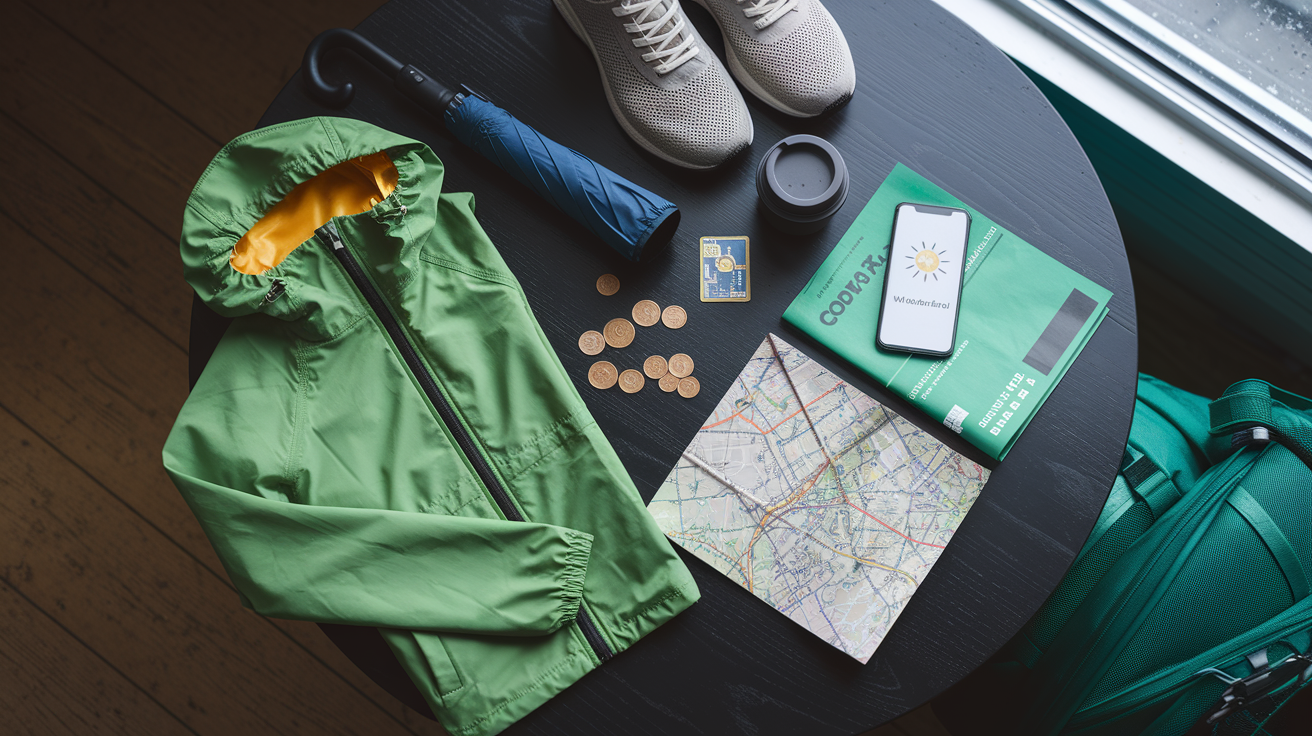
Dublin weather shifts without warning, even in summer. Mornings start clear and turn wet by lunch, or vice versa. Pack a lightweight waterproof jacket and layers you can peel off when the sun breaks through. Locals joke that you experience four seasons in a single day, and that holds true more often than not. Comfortable walking shoes with good grip handle wet cobblestones better than fashion sneakers.
Card payments work almost everywhere, from corner shops to pub taps, and contactless limits are high enough to cover most daily spending. ATMs are easy to find if you need cash for small vendors or tips, though tipping culture is more relaxed than in North America. Rounding up the bill or leaving 10 percent in restaurants is appreciated but not required. For taxi drivers and hotel porters, a couple of euros is standard.
Museum lovers benefit from Dublin’s generous free-entry policy. The National Gallery of Ireland, the National Museum of Ireland (Archaeology branch on Kildare Street), the Irish Museum of Modern Art, and the Chester Beatty Library all waive admission fees. Temporary exhibitions sometimes charge, but permanent collections stay open to everyone. Budget your paid-ticket funds for the Guinness Storehouse, Trinity College’s Book of Kells, Kilmainham Gaol, and any distillery tours.
Six practical tips:
- Book Kilmainham Gaol tours weeks ahead. Slots sell out quickly and walk-ups are rarely available.
- Avoid changing money at airport kiosks. Withdraw Euros from an ATM in the arrivals hall for better rates.
- Take advantage of early-bird dining deals, common at restaurants between 5 and 7 p.m., often cutting main-course prices by €5 to €10.
- Store bags at your hotel after checkout if you have a late flight. Most hotels hold luggage for free or a small fee.
- Stay aware of your belongings in crowded pubs and on packed buses, especially late at night around Temple Bar and O’Connell Street.
- Check museum and attraction hours on Mondays. Some close or run shorter schedules at the start of the week.
Final Words
Step into cobbled streets and the hum of Temple Bar, then wander past Trinity College and the Guinness Storehouse. This post covered top sights, best months to go, and how Dublin Bus, DART, and Luas help you get around.
We ran through where to stay, what to eat, easy day trips like Howth and Glendalough, and the small tips that keep travel smooth—cards, weather, and museum hours.
When you visit dublin ireland, take it slow, leave space for surprise, and enjoy the easy pace.
FAQ
Q: How many days do you really need in Dublin?
A: You really need about three full days in Dublin to see main sights like Trinity College, Guinness Storehouse, and Temple Bar; two days suffice for a quick trip, and four to five lets you add a day trip.
Q: What not to do in Ireland as an American?
A: As an American visiting Ireland, don’t assume everyone shares US views, avoid loud political or historical debate, tip modestly, never drive on the right, and respect local customs and small-town pace.
Q: What is the best month to go to Dublin, Ireland?
A: The best months to go to Dublin are April to June and September to October, when weather is milder, crowds are smaller, and outdoor sights and tours run more smoothly.
Q: What is the number one thing to do in Dublin?
A: The number one thing to do in Dublin is visit the Guinness Storehouse, where you learn brewing history, enjoy city views from the top, and taste a proper pint in a lively setting.