Destinations
Virginia’s Best Attractions and Must-See Destinations
By derekashford
April 4, 2026
Field Notes
Think you can’t get mountains, beaches, history, and vineyards all in one short trip?
Virginia squeezes wide-open nature, colonial towns, lively cities, and quiet shorelines into a state you can actually explore without hopping hotels every night.
This guide points you to the best attractions, from Shenandoah overlooks and Colonial Williamsburg to Virginia Beach and Chincoteague, and shows how to cluster them into relaxed, realistic days.
If you want comfort, variety, and a simple plan you can use, this is the place to start.
Top Places to Visit Across Virginia for Trip Planning
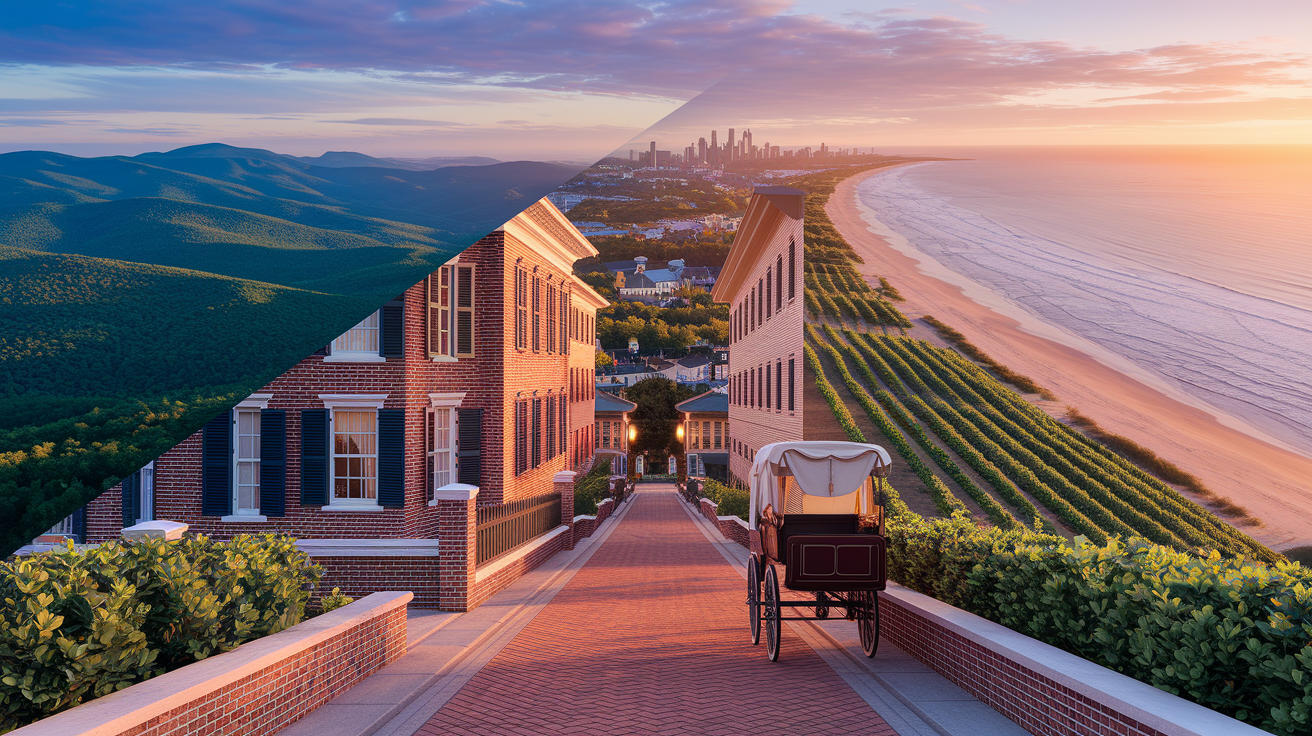
Virginia packs mountains, ocean beaches, city blocks, and working vineyards into one mid-Atlantic state. Most of the good stuff sits within two hours of each other. You can wake up on a river trail, grab lunch in a colonial town, and catch sunset from a winery without changing hotels. The state stretches nearly 400 miles east to west, so clustering your stops makes more sense than racing from one end to the other.
Most people build trips around a few anchor spots and fill the gaps with smaller towns along the way. Shenandoah National Park pulls in hikers and leaf watchers to the Blue Ridge spine. Colonial Williamsburg and Jamestown anchor the Historic Triangle. Virginia Beach draws summer crowds looking for boardwalk energy and wide sand. Richmond mixes river trails with walkable neighborhoods and a major free art museum. Charlottesville pairs Thomas Jefferson’s estate with a lively downtown mall and wineries scattered across the hills.
Small towns like Alexandria and Fredericksburg offer brick sidewalks, waterfront parks, and the kind of pacing that suits a slower weekend. Natural attractions range from the 215-foot Natural Bridge arch to underground cathedral rooms at Luray Caverns. Coastal islands like Chincoteague give you wild ponies, birding trails, and quiet beaches that feel totally different from the boardwalk scene 90 minutes south.
Top statewide highlights worth planning around:
- Shenandoah National Park: 105 miles of Skyline Drive, mountain hikes, waterfalls, frequent wildlife.
- Colonial Williamsburg: costumed interpreters, 18th-century streets, guided access to period buildings.
- Luray Caverns: sprawling underground formations and a working stalactite organ.
- Virginia Beach: long boardwalk, dolphin tours, surf lessons, family aquarium.
- Richmond: riverside trails, free museum, old neighborhoods, craft beer scene.
- Charlottesville: wine country, University of Virginia grounds, Monticello nearby.
- Chincoteague and Assateague: barrier islands with wild ponies, kayaking, birding.
These spots suit different travel styles without locking you into one type of trip. Nature lovers lean toward the mountain parks and coastal refuges. History buffs spend days inside plantation museums and battlefield walks. Families layer interactive museums with beach time and cave tours. Weekend planners appreciate towns that pack dining, shopping, and short trails into walkable grids. You can build a trip around one interest or mix a few depending on who’s coming and how much time you’ve got.
Virginia Nature Highlights and Scenic Places to Visit
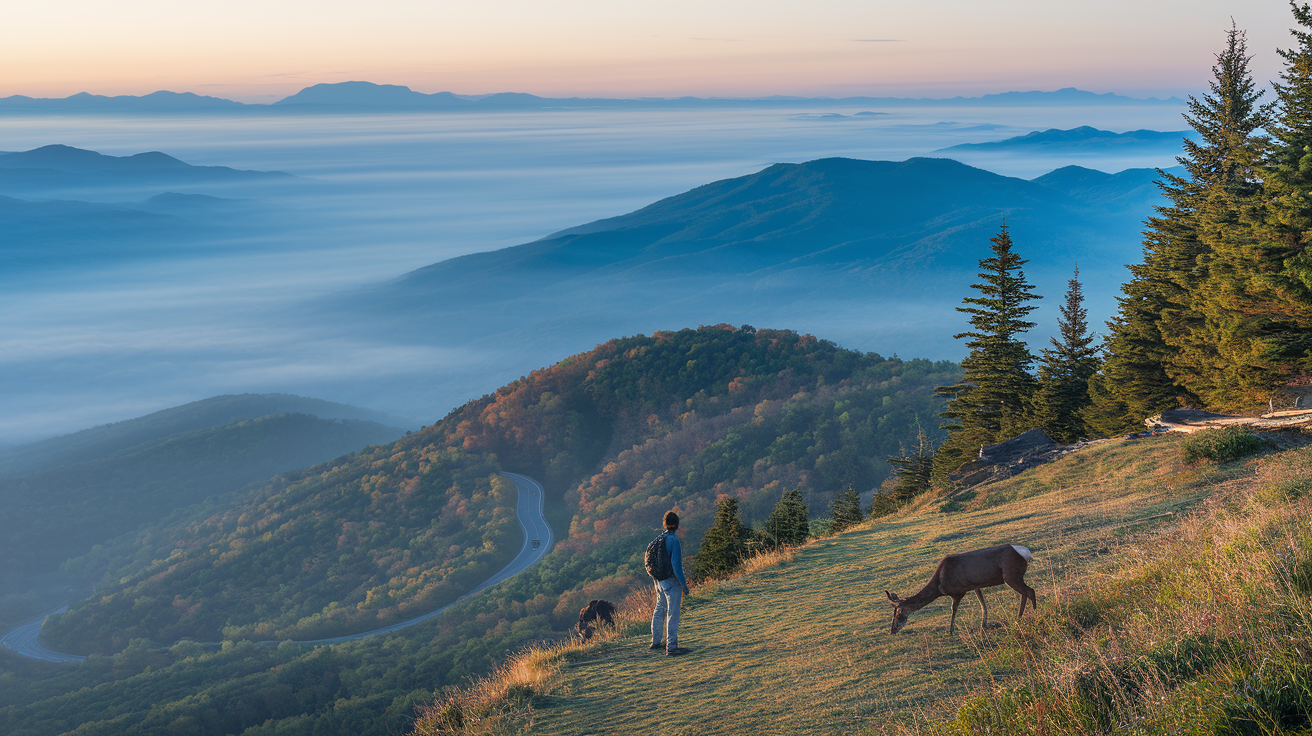
Shenandoah National Park stretches along the Blue Ridge crest with Skyline Drive running the full 105-mile length. The road connects more than 75 overlooks, so you can stop every few miles without seeing the same view twice. The $30 entrance fee covers seven days, and most people spend at least one full day driving and hiking. Old Rag is the park’s signature scramble. Expect rock climbing near the summit and crowds on weekends. Dark Hollow Falls offers a shorter waterfall hike that works well if you’ve got limited time or younger kids. Deer sightings happen almost daily. Black bears show up often enough that the park posts reminders about food storage.
The Blue Ridge Parkway picks up where Skyline Drive ends and continues south through Virginia with the same winding, overlook-heavy design. Humpback Rocks is one of the most accessible trails along the Virginia section. It’s a steep but short climb to a rocky summit with long-range views. Wildflower meadows bloom heaviest in late spring and early summer. Ranger programs run seasonally and cover everything from geology to folklore. The Parkway moves slower than an interstate, so plan extra time if you’re using it to get somewhere specific.
Great Falls Park sits just outside Washington, D.C., where the Potomac River drops over a series of jagged ledges. Three main overlooks give you different angles on the whitewater, and the best views require only a short walk from the parking lot. The Billy Goat Trail follows the river edge with rockhopping sections that demand focus and dry conditions. The gentler River Trail stays farther back and works better after rain or if you’re hiking with people who prefer steady ground. Early mornings on weekdays keep the crowds manageable, especially in summer and fall.
Top hikes worth noting:
- Old Rag (Shenandoah): strenuous scramble with rock obstacles near the summit.
- Dark Hollow Falls (Shenandoah): shorter waterfall trail, good for families.
- Humpback Rocks (Blue Ridge Parkway): steep but quick climb to open views.
- Hawksbill Mountain (Shenandoah): moderate roundtrip, highest point in the park.
- Rhododendron Trail (Grayson Highlands): high-elevation meadows with wild ponies.
Historic and Cultural Places to Visit in Virginia
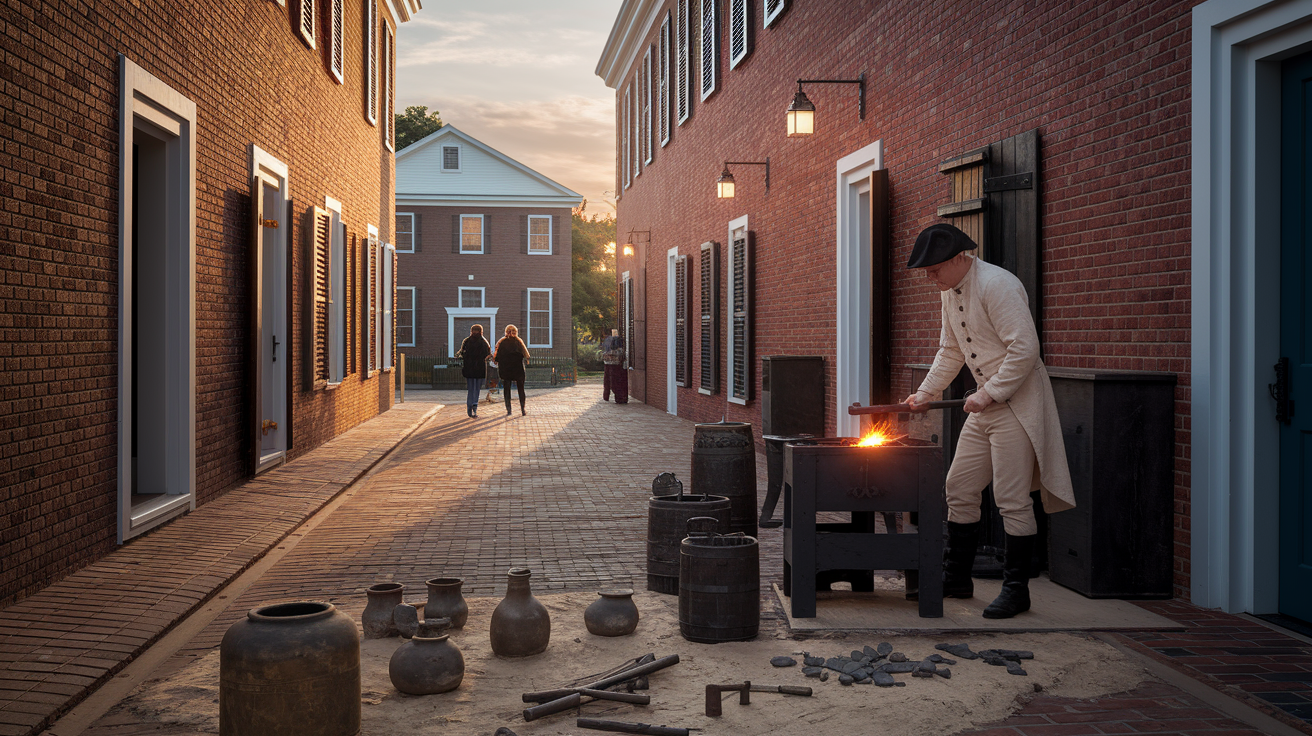
Colonial Williamsburg recreates an entire 18th-century town with costumed interpreters, working tradespeople, and period buildings you can walk into with a ticket. The main street stays open to the public for free, so you can stroll the brick sidewalks, watch blacksmiths work, and browse the shops without paying admission. Interior access to the Governor’s Palace, the Capitol, and guided tours require tickets, which you buy online or at the visitor center. Carriage rides run daily when weather permits, and the interpreters answer questions in character. Conversations can turn into mini history lessons if you’re curious.
Jamestown marks the site of the first permanent English settlement in North America, established in 1607. Historic Jamestowne includes active archaeological digs where crews still uncover artifacts more than 400 years old. Jamestown Settlement sits nearby with full-scale replicas of the three ships and a recreated fort and Powhatan village. The two sites complement each other. The Settlement offers the hands-on, family experience, while Historic Jamestowne gives you the actual ground where colonists lived and the raw history that comes with ongoing research.
Monticello sits on a hilltop outside Charlottesville, designed by Thomas Jefferson with engineered breezes, rotating bookshelves, and a seven-day clock built into the entrance hall. Tours walk you through the main house and explain Jefferson’s inventions, his approach to agriculture, and the lives of the enslaved people who built and maintained the estate. The gardens peak in spring, and the grounds include a small graveyard where Jefferson is buried. Mount Vernon offers a similar presidential estate experience but with George Washington’s story. Working farm, riverside views, a large museum and education center, and an onsite restaurant. Both estates require advance tickets during peak season.
Important Civil War Sites in Virginia
Virginia holds more Civil War battlefields than any other state, and the National Park Service manages the major sites as preserved landscapes you can walk. Appomattox Court House is where Lee surrendered to Grant in April 1865, ending the war’s final chapter. The village has been restored to its 1865 appearance, and rangers lead programs explaining the surrender terms and what happened in the days that followed. Manassas (Bull Run) hosted two major battles and now offers hiking trails that cross the same fields where soldiers fought. Chancellorsville sits in dense woods south of Fredericksburg, and the trails there require more imagination because the forest has grown back over most of the open ground. If you’ve never walked a battlefield, expect quiet, park-like settings that ask you to picture the noise and chaos rather than see it.
Coastal Virginia and Beach Places Worth Visiting
Virginia Beach runs for miles along the Atlantic with a wide boardwalk that handles bikes, runners, and foot traffic all day. The sand is broad enough that you can spread out even on busy summer weekends, and the water stays calm compared to the Outer Banks farther south. Dolphin-watching tours leave from the marina and run most reliably in warmer months when pods move into the bay to feed. Surf lessons through clubs like Atlantic Park include coaches, boards, and access to pools and lounge areas if you want a break between sessions. First Landing State Park sits at the north end of the beach strip with hiking trails, a quiet shoreline, and campsites tucked into maritime forest.
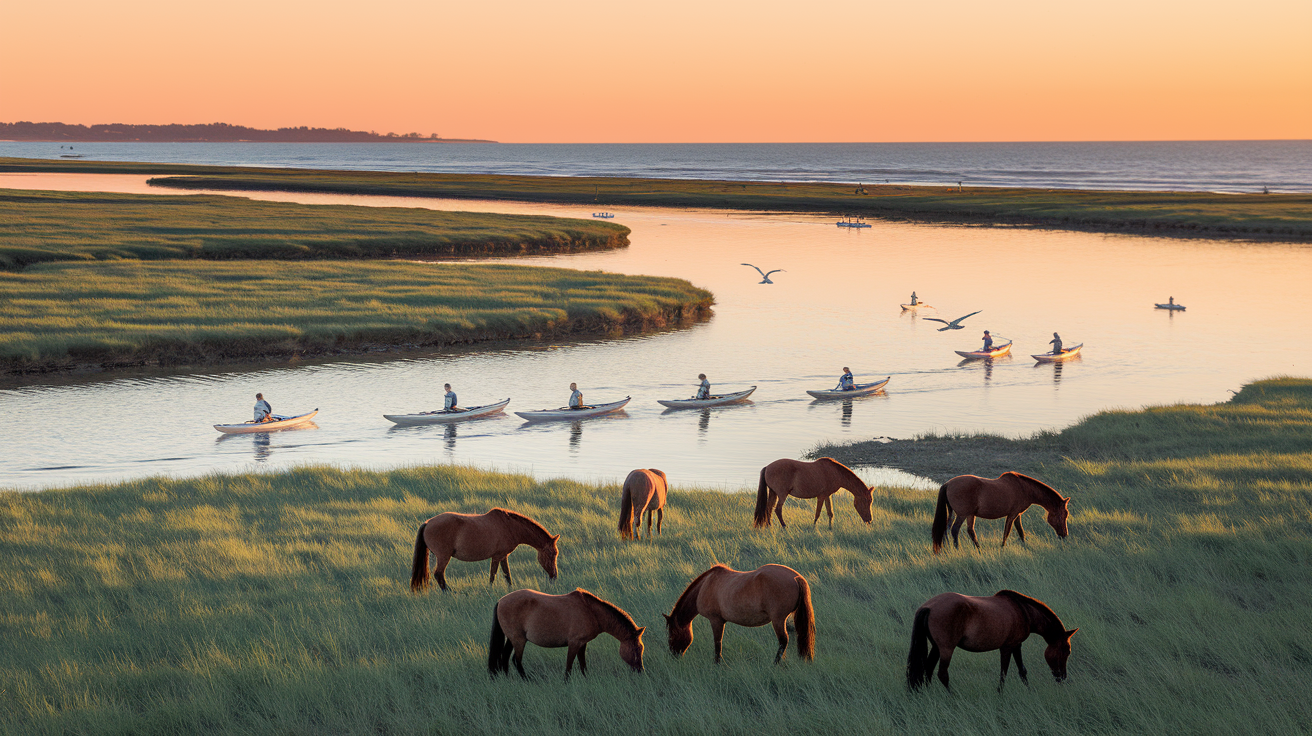
Chincoteague and Assateague form a pair of barrier islands on Virginia’s Eastern Shore, connected by a short bridge and known for the wild ponies that roam the dunes and marsh grass. Assateague National Seashore protects the wilder, less developed beaches where you can walk for an hour and see more birds than people. Kayaking through the tidal creeks gives you close looks at herons, egrets, and the ponies when they wade into shallow water to graze on cordgrass. The refuge is a major stop on the Atlantic Flyway, so serious birders bring scopes and checklists. Sunsets from the beach or the bay side are dramatic and unobstructed, especially in fall when the light turns orange and the crowds thin out.
Top coastal experiences to plan for:
- Dolphin tours from Virginia Beach marina: peak season runs late spring through early fall.
- Kayaking the tidal creeks at Chincoteague: early morning offers the best light and wildlife activity.
- Boardwalk biking at Virginia Beach: rentals available along the oceanfront strip.
- Wildlife viewing at Assateague: wild ponies, migratory birds, undeveloped shoreline.
Cities and Small Towns in Virginia to Visit
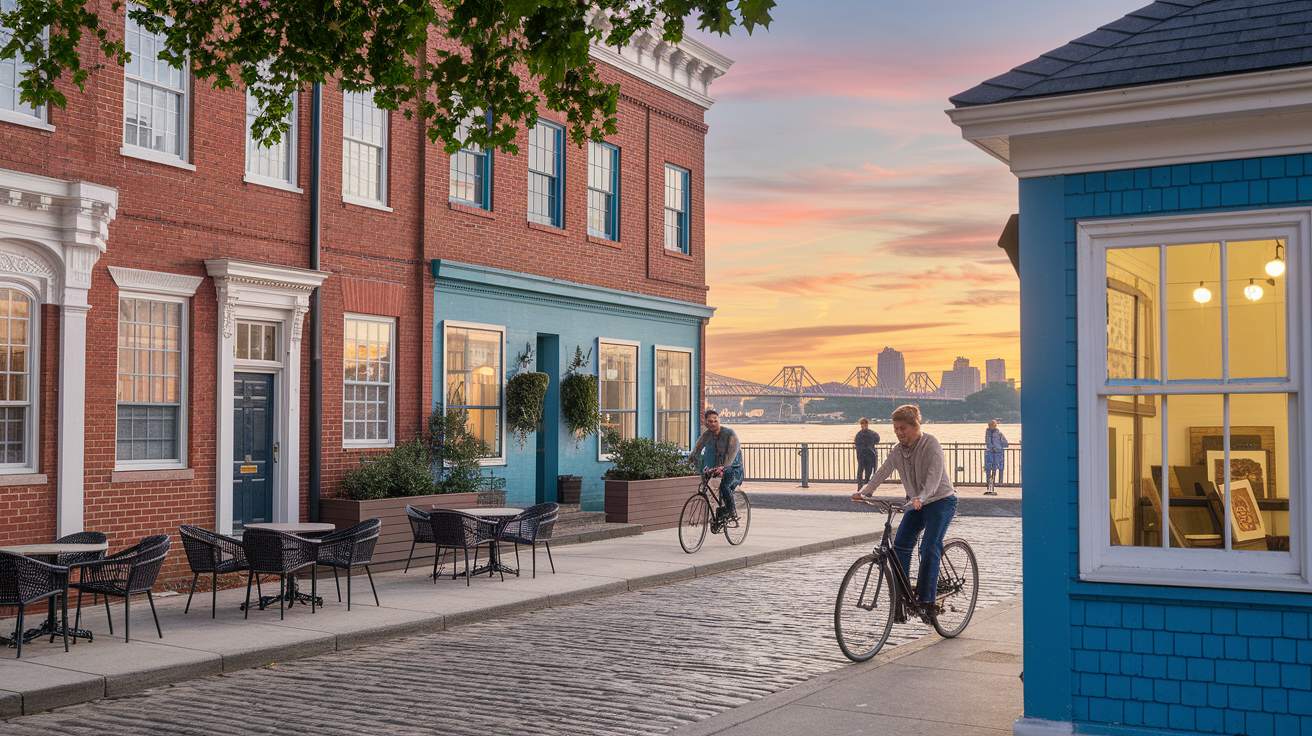
Richmond mixes a working riverfront with old neighborhoods, a major free art museum, and enough craft breweries to fill a weekend on their own. Belle Isle is a small island in the James River connected by a footbridge, popular for trail running, rock-hopping, and views of the downtown skyline. Libby Hill Park in Church Hill gives you one of the best sunset overlooks in the city, and the streets around it are lined with brick row houses and small cafes. The Virginia Museum of Fine Arts (VMFA) doesn’t charge general admission and holds collections that range from ancient Egypt to contemporary American art. Carytown is the go-to neighborhood for independent shops, vintage stores, and restaurants. Sabai serves authentic Thai food and consistently gets mentioned by locals.
Charlottesville centers on the Downtown Mall, an eight-block pedestrian zone with restaurants, locally owned shops, and a pavilion that hosts free concerts in warmer months. The University of Virginia Lawn is a short walk away and open to visitors. Thomas Jefferson designed the grounds, and the symmetry and brick arcades make it one of the prettier campus settings in the country. Wine country radiates out from the city in every direction, with dozens of vineyards producing Viognier, Cabernet Franc, and other varietals that do well in Virginia’s climate. Most wineries ask for reservations, especially on weekends, so plan ahead if tasting rooms are part of your trip.
Northern Virginia towns like Alexandria and Fredericksburg combine waterfront access with compact, walkable districts. Alexandria’s Old Town runs along the Potomac with pastel row houses, King Street shopping, and the Torpedo Factory Art Center, where you can watch artists work in converted studio spaces. The Mount Vernon Trail connects Alexandria to the George Washington estate and gives you a flat, paved riverside route for biking or running. Fredericksburg sits on the Rappahannock River an hour south, with George Washington’s boyhood home at Ferry Farm and a downtown that survived the Civil War mostly intact. Ristorante Renato and Cafe Diablo both get recommended for dinners after a day of walking battlefields or touring sites.
| Town | Known For | Ideal Visit Length |
|---|---|---|
| Richmond | River trails, VMFA, Carytown dining, craft beer | 2–3 days |
| Charlottesville | Wine country, Downtown Mall, UVA Lawn, Monticello nearby | 2 days |
| Alexandria | Potomac waterfront, King Street, Torpedo Factory, proximity to D.C. | 1 day |
Family-Friendly Virginia Attractions to Visit
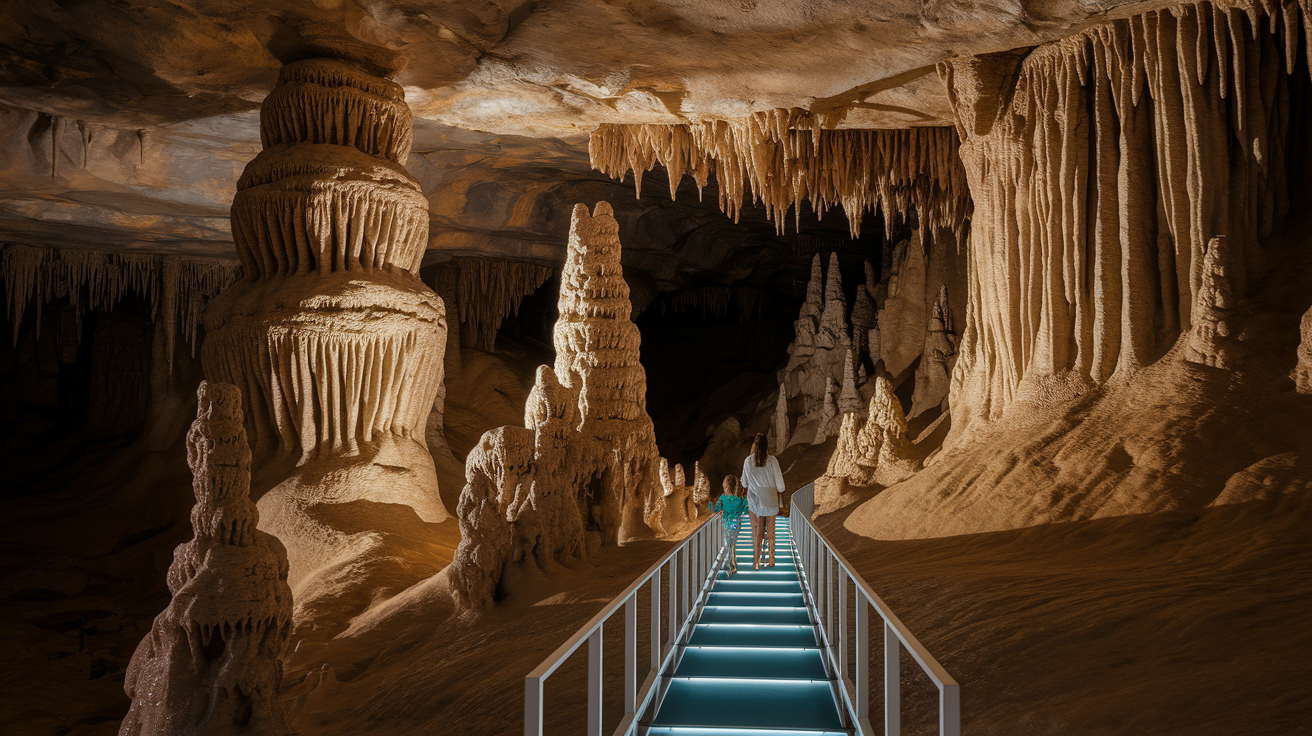
Luray Caverns drops you into cathedral-sized underground rooms filled with stalactites, stalagmites, and mineral formations that took thousands of years to build. The Great Stalacpipe Organ is the standout feature. It taps specific stalactites to produce musical notes, and rangers demonstrate it during the guided tour. Admission runs $27 for adults and $14 for kids, and the ticket includes access to a couple of surface museums and a garden maze. The temperature underground stays around 54 degrees year-round, so bring a light jacket even if it’s summer outside. The tour moves at a steady pace and takes about an hour, which works well for families with younger kids who can handle stairs and uneven paths.
Massanutten Resort sits in the Shenandoah Valley and offers winter sports. Skiing, snowboarding, snow tubing, ice skating, plus an indoor waterpark that stays open all year. The waterpark includes slides, a lazy river, and a play structure for smaller kids, so it works as a backup plan when weather shuts down outdoor activities or when part of the group wants a break from hiking. Lift tickets and waterpark passes are sold separately, and the resort runs seasonal promotions that bundle lodging with activity access. If you’re planning a winter trip, midweek visits cost less and the slopes stay less crowded.
The Quantico National Museum of the Marine Corps is free, highly interactive, and designed to walk visitors through Marine Corps history in a way that feels immersive rather than like reading plaques. Exhibits include real aircraft suspended from the ceiling, recreated training obstacles, and multimedia displays that explain major campaigns. It’s thought-provoking without being overwhelming, and families with older kids often spend two to three hours working through the galleries. The Virginia Aquarium & Marine Science Center in Virginia Beach is another strong family stop, with touch tanks, river otter exhibits, and seasonal programs that let kids interact with marine scientists.
Romantic & Leisure-Forward Places to Visit in Virginia

Virginia’s wine country spreads across several regions, but Charlottesville anchors the most concentrated cluster of vineyards. Viognier grows particularly well here, and many wineries produce it alongside Cabernet Franc, Petit Verdot, and blends that reflect the state’s unique terroir. Most tasting rooms require reservations now, especially on weekends, so booking a day or two ahead keeps you from driving to a full parking lot. Vineyard landscapes roll across hillsides with views of the Blue Ridge in the distance, and many wineries offer outdoor seating, charcuterie boards, and live music on weekend afternoons. Pairing a tasting with a walk through Downtown Mall for dinner turns the day into a full leisure experience.
Northern Virginia wineries sit closer to Washington, D.C., and the Shenandoah Valley offers a more rural, less crowded alternative if you want slower pacing and fewer tour buses. The Middleburg area mixes wineries with farm-to-table restaurants, bed-and-breakfasts, and small-town charm that leans into horse country culture. Most couples plan one or two wineries per day and leave time for a long lunch, a short hike, or an afternoon nap back at the inn.
Top wine-country areas for couples:
- Charlottesville and Albemarle County: highest concentration of wineries, easy access to Monticello and hiking.
- Northern Virginia (Loudoun County): close to D.C., mix of vineyards and old towns.
- Shenandoah Valley: quieter, more rural, mountain views.
- Middleburg area: horse country, upscale inns, farm dining.
Outdoor Adventure & Recreation Spots to Visit in Virginia
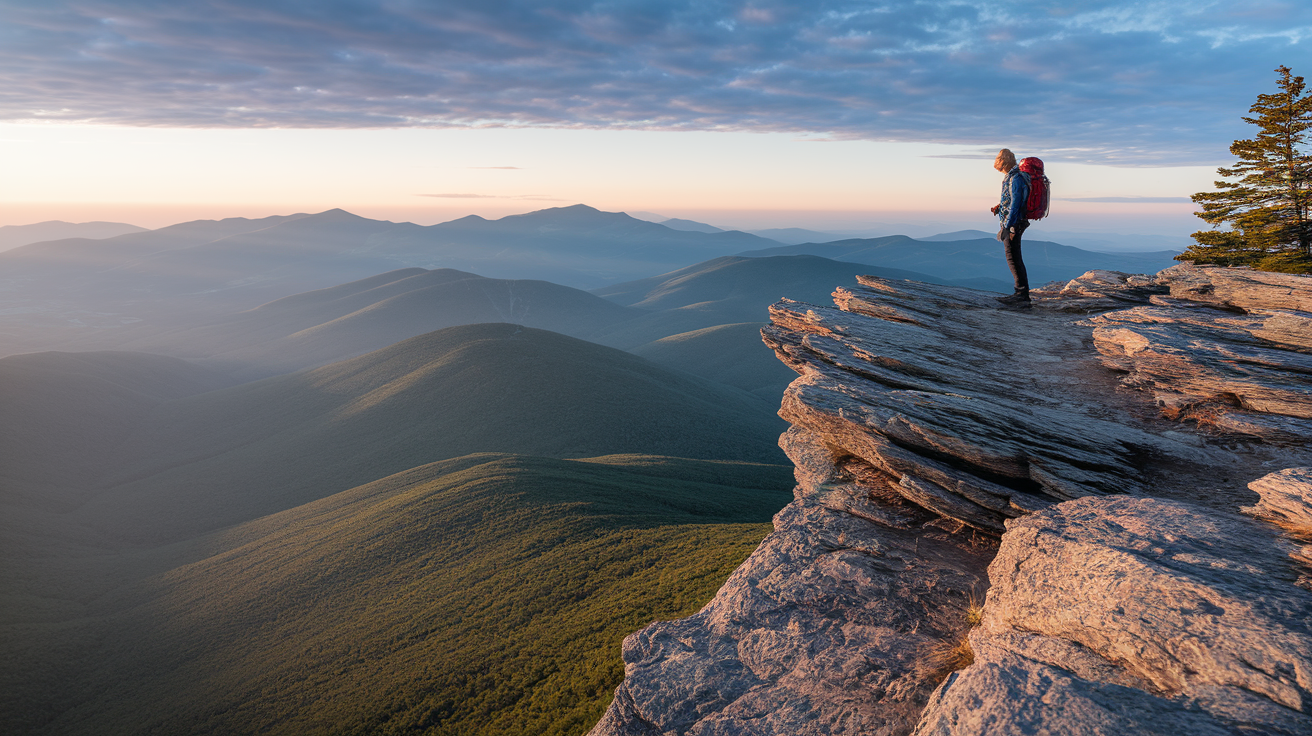
MacAfee Knob is one of the most photographed spots on the entire Appalachian Trail. A dramatic rock ledge jutting out over the Catawba Valley with panoramic views of the Blue Ridge. The hike is 7.8 miles out and back, starting from the VA-311 parking area. The climb is steady with roots, rocks, and long switchbacks that level off as you approach the ridge. Go early or on a weekday if you want the ledge to yourself. Weekends draw crowds, and you might wait your turn for a photo. Bring plenty of water, a wind layer for the exposed summit, and a headlamp if you’re planning a sunrise attempt. The rock can be slick after rain, so check conditions and wear shoes with good grip.
The Blue Ridge Parkway and Shenandoah offer dozens of shorter hikes and ranger-led programs that introduce visitors to Appalachian ecology, geology, and history. Grayson Highlands State Park sits in the far southwest corner of the state and is known for wild ponies that roam the high-elevation meadows. The Wilburn Ridge Loop is a moderate trail that passes through open balds where you’re almost guaranteed to see the ponies grazing or resting in the grass. The park also provides direct access to a scenic segment of the Appalachian Trail.
Paddling opportunities spread across rivers, lakes, and tidal creeks. The James River flows through Richmond and offers both flatwater sections and Class II–III rapids depending on where you put in. Smith Mountain Lake is a large reservoir popular for kayaking at sunrise, fishing for striped bass and largemouth, and renting pontoon boats for lazy afternoon floats. The New River Trail follows an old rail line and parallels the river for 57 miles, giving you an easy, flat route for biking or walking with frequent river access points.
Standout trails and adventure routes:
- MacAfee Knob (Appalachian Trail): 7.8-mile out-and-back, iconic ledge views.
- Wilburn Ridge Loop (Grayson Highlands): wild ponies, open meadows, AT access.
- Stony Man (Shenandoah): short, rocky summit hike with 360-degree views.
- Billy Goat Trail (Great Falls): scrambling along the Potomac, best in dry conditions.
- Scott’s Run Nature Preserve (Great Falls area): quick waterfall hike near D.C. suburbs.
Seasonal Places to Visit in Virginia
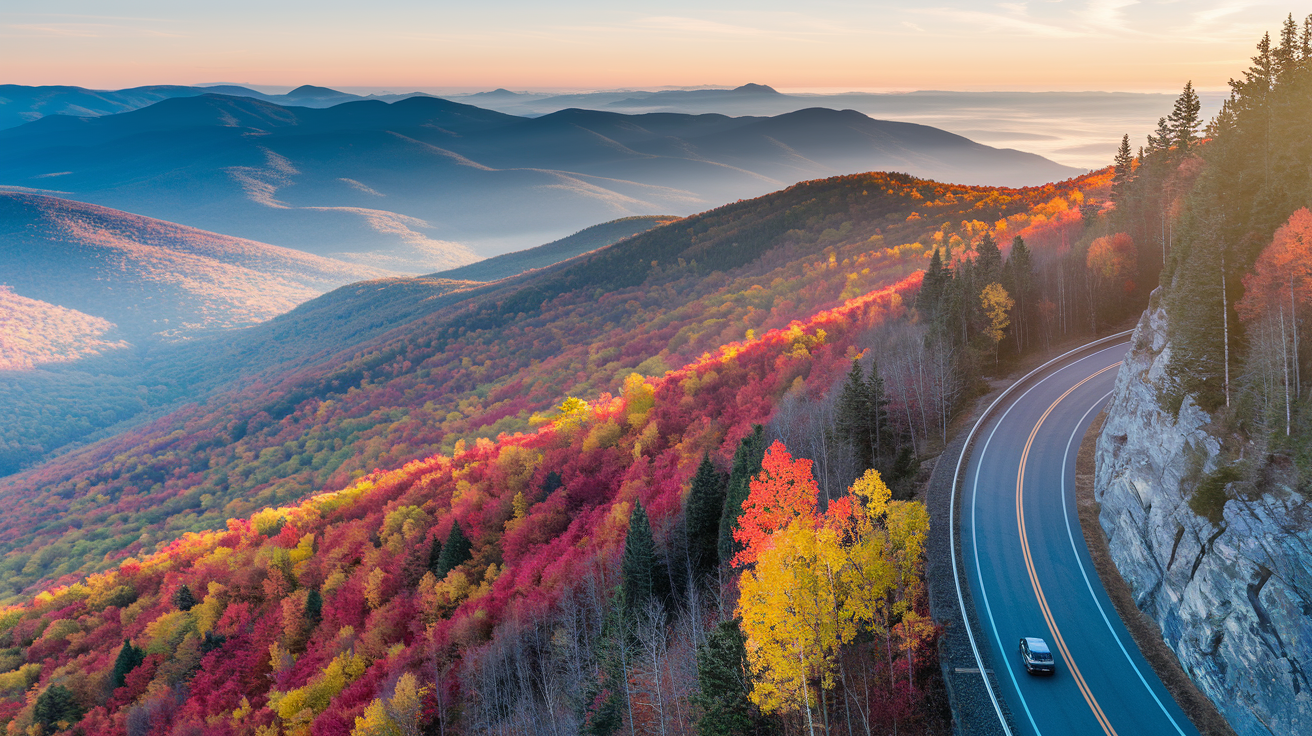
Fall foliage drives peak in mid-October across the mountains, and Skyline Drive is the go-to route for leaf-peeping. The 105-mile road climbs above 3,000 feet in several spots, which means color arrives earlier at higher elevations and you can catch different stages of turning leaves depending on when you visit and where you stop. The Blue Ridge Parkway offers a longer, more remote version of the same experience, with fewer services and more pullouts where you can park and take in the view without a crowd. Weekends in October fill up the overlooks and nearby towns, so midweek visits or early-morning drives give you more space.
Spring brings wildflowers to the Parkway meadows and blooming gardens at estates like Monticello, where tulips, dogwoods, and flowering trees peak in late April and early May. Coastal areas warm up faster than the mountains, so Virginia Beach, Chincoteague, and the Chesapeake Bay become appealing in late spring when the water is still too cold for most swimmers but warm enough for paddling and birding. Summer is peak season along the coast. Expect full beaches, active boardwalks, and the best dolphin-tour conditions. Winter quiets most outdoor destinations except Massanutten Resort, which runs skiing, tubing, and the indoor waterpark through the coldest months.
Recommended seasonal trips:
- Fall foliage drives (Skyline Drive, Blue Ridge Parkway): mid-October peak, plan for midweek if possible.
- Spring gardens and wildflowers (Monticello, Blue Ridge meadows): late April to early May.
- Winter resort stays (Massanutten): skiing, snow tubing, indoor waterpark as backup.
Final Words
Drive Skyline Drive, wander Colonial Williamsburg, then catch a sunset on Virginia Beach. Pack light, leave room for a detour, and pick one or two big plans each day.
This post ran through statewide highlights, nature stops like Shenandoah and Blue Ridge, key historic sites, coastal favorites, city and small-town picks, family and romantic ideas, outdoor adventures, and seasonal tips.
Use this mix to pick the right places to visit in virginia for your pace, like nature, history, family fun, or a quiet weekend. Go easy and enjoy—you’re in for a good trip.
FAQ
Q: What is the number one tourist attraction in Virginia?
A: The number one tourist attraction in Virginia is Shenandoah National Park, thanks to Skyline Drive, scenic overlooks, hiking options and spectacular fall foliage—ideal for day trips or relaxed weekend escapes.
Q: What is the prettiest place in Virginia?
A: The prettiest place in Virginia is often considered Shenandoah National Park, with sweeping mountain views along Skyline Drive, vivid fall colors and peaceful trails, though Blue Ridge overlooks and coastal sunsets also shine.
Q: What cities should I visit in Virginia?
A: Cities to visit in Virginia include Richmond (museums, food), Charlottesville (wineries, Downtown Mall), Alexandria (historic waterfront, King Street), Virginia Beach (boardwalk, beaches) and Fredericksburg (charming historic downtown).
Q: Where to go for a weekend getaway in Virginia?
A: Weekend getaways in Virginia work well at Shenandoah National Park (hiking, overlooks), Charlottesville (wine and dining), Virginia Beach (sun and boardwalk) and Colonial Williamsburg (living history and museums).