Budget Travel
How to Travel Europe on a Shoestring: Smart Strategies for Affordable Adventures
By marcusthornhill
April 21, 2026
Field Notes
Think Europe is only for people with deep pockets?
Think again, with a few smart moves you can stretch a tiny budget across cities, trains, and tapas bars without feeling like you’re missing out.
This guide gives simple, practical strategies you’ll learn when to book flights, where to sleep, how to move between places, and how to eat well for less so you can plan an affordable trip that still feels relaxed and fun.
No buzzwords, no extreme scrimping, just clear tradeoffs so you know what’s worth spending on and what to skip.
Core Budget Strategies for Traveling Europe Cheaply
Shoestring travel across Europe comes down to three things: booking flights when the price is right, finding lodging that won’t wreck your budget, and mixing transport modes so you’re not bleeding money every day. Budget carriers like Ryanair and Wizz Air post fares starting around €5 if you book a month out and stick to carry‑on bags. Check a bag and you’re looking at €25–€39 tacked on. Hostels still own the backpacker space, with dorm beds running €20 in Eastern Europe and closer to €40 in Western capitals. Private rooms at guesthouses just outside the city center can beat downtown hotels when they’re near solid metro or tram connections.
Where you sleep matters. So does how you get around. FlixBus routes kick off at €5 pretty often, and overnight buses save you a night’s bed while you rack up miles. Think Berlin to Munich for around €25. Eurail passes can cut hundreds off your bill when you’re bouncing between countries, especially on high‑speed routes that’d otherwise cost €45–€100 per leg. Regional trains crawl compared to express services, but they’re way cheaper. Breaking long trips into local hops can slice your rail spending in half.
Timing is what separates a broke trip from an affordable one. Shoulder months (April through May, September through October) drop accommodation prices, thin out crowds, and still give you decent weather across southern Europe. August? Hostel rates jump 50 percent or more in popular cities. Visit that same spot mid‑September and nightly costs fall from €75 back to €30. A bunch of museums offer free days once or twice a month. City tourist cards bundle public transport with attraction discounts when you’re planning to hit multiple paid sites in one day.
Money‑saving methods every shoestring traveler should use:
- Book flights and buses at least four weeks out to grab the lowest fares
- Use overnight trains or buses to smash transport and lodging costs together
- Fly budget airlines but stick to carry‑on to dodge baggage fees
- Stay in hostel dorms or guesthouses near metro stations slightly outside the center
- Skip peak months (late June through August) if your schedule lets you
- Buy city tourist cards when you’re hitting three or more paid attractions in one day
Affordable Accommodation Options Across Europe

Hostels anchor most shoestring budgets. You get dorm beds, communal kitchens, free breakfast, and prices between €15 in places like Kraków and €40 in Amsterdam or Paris. Modern hostels throw in ensuite private rooms with double beds for €80–€150 per night (still cheaper than hotels), plus rooftop terraces and organized pub crawls that double as your social calendar. Guesthouses and family pensions sit one step up in comfort, one step down in price compared to hotels. Usually €50–€100 per night for a private room with breakfast. They cluster in residential neighborhoods where you’ll walk past bakeries locals actually use.
Safety and booking deserve a quick look before you reserve anything. Scan recent reviews on Hostelworld and Booking.com for mentions of bed bugs, broken lockers, or noise complaints that star ratings won’t tell you. Bring your own padlock for hostel lockers. Never leave electronics or cash sitting around in shared dorms. Location trade‑offs can make or break your budget. A hostel 15 minutes by metro from the center saves €20 per night compared to something three blocks from the main square, but factor in daily transport costs before you assume the savings stick.
Practical booking tips to reduce lodging costs:
- Compare prices across Hostelworld, Booking.com, and Airbnb before you book. Rates for the same property shift by platform.
- Check cancellation policies closely. Free cancellation up to 24 hours before arrival gives you room to rebook if something cheaper pops up.
- Look for hostels offering HostelPass discounts, which shave 10–20 percent off rates across 18 countries.
- Judge location by public‑transport time, not map distance. A “close” hostel might need two transfers while one farther out sits on a direct metro line.
- Book peak‑season stays (especially August and festival weekends) at least six weeks ahead to dodge sold‑out dorms and inflated last‑minute pricing.
Saving Money on Transportation Within Europe

Buses represent the cheapest way to move city to city. FlixBus and Megabus routes regularly hit €5–€25 for trips that’d cost double or triple by train. Berlin to Munich on a bus runs about €25 and takes eight hours. The high‑speed train does it in six but costs €45–€75. Overnight buses hand you an extra win by replacing one night’s hostel bed. Sleep through Paris to Bordeaux and wake up having saved both transport and a place to crash. Book at least two weeks ahead during summer to lock in the lowest fares. Bring a neck pillow and eye mask because bus seats rarely recline enough for actual sleep.
Trains get cost‑effective when you’re planning multi‑country itineraries and using a Eurail pass. Can save hundreds if you’re hopping between capitals on high‑speed routes like Madrid–Barcelona (normally €25–€85) or Bordeaux–Paris (€55–€100). Regional trains cost less than express services but you’ll need patience. Splitting a long journey into local segments can halve the price, though you’re adding hours and transfers. Always validate your ticket before boarding in countries like Italy or you’re risking fines. Book train seats as early as you can since rail operators use dynamic pricing that pushes fares up as departure dates get closer.
Budget airlines work well for longer hops where buses and trains eat the whole day. But hidden costs can trash the savings if you’re not careful. Ryanair, EasyJet, and Wizz Air advertise fares from €5, but those prices assume carry‑on‑only travel, online check‑in, and flying into secondary airports that might sit an hour from the city center. A €13 Manchester to Paris flight looks killer until you add €15 for the airport shuttle and realize Beauvais sits 85 kilometers from central Paris. Checked‑bag fees run €25–€39 each way. Printing a boarding pass at the airport can cost another €20. Pack light and check in online to keep the final price close to that advertised number.
Eating Well on a Tight Travel Budget
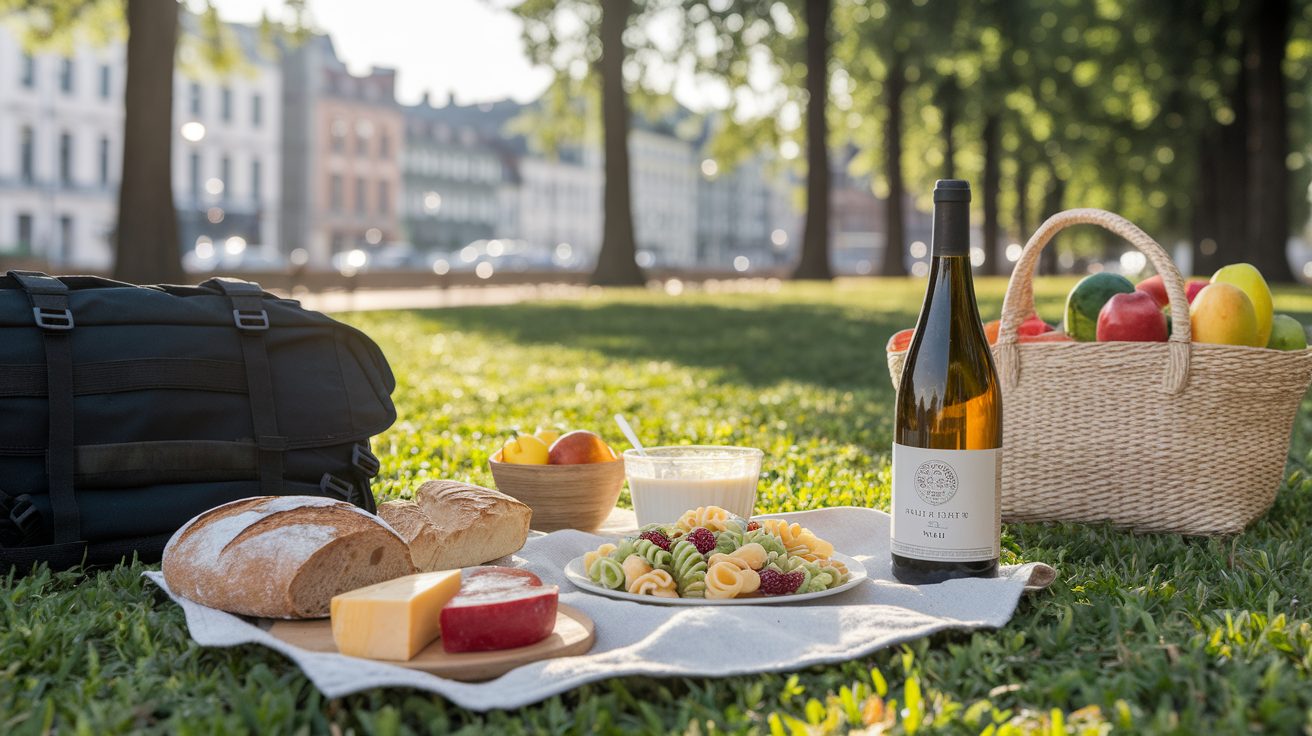
Supermarkets become your best friend when you’re serious about cutting food costs. A week’s groceries (bread, cheese, deli meat, fruit, yogurt, pasta, sauce) runs €45–€100 across most of Western Europe and closer to €30 in Eastern spots like Poland or Romania. Cook one meal per day in a hostel kitchen and grab a simple lunch from a market stall or bakery. Keeps daily food spending under €15, compared to €40–€60 if you’re eating every meal at sit‑down restaurants. Pre‑made sandwiches at supermarkets cost €6–€12. That same sandwich at a café near a tourist square will run €10–€15.
Street food and local lunch spots deliver the best bang when you do eat out. Markets across Europe sell ready‑to‑eat stuff like empanadas in Spain, kebabs in Germany, filled crepes in France for €8–€15. Often tastes better than the generic pasta tourists get sold near major attractions. Casual take‑out spots office workers hit typically charge €15–€30 for a full meal. Tourist‑zone restaurants start at €20 and climb fast once you add a beer (€6–€7) or glass of wine (€3–€6). Cappuccinos run €3–€5, so grabbing coffee at a bakery instead of a café saves a couple euros every morning.
Picnicking turns sightseeing into a double win. Buy fresh bread, cheese, and fruit at a morning market, then eat lunch in a public park or historic square while people‑watching for free. Many European cities let you drink in parks, so picking up a bottle of wine at a supermarket (€4–€8) and sharing it during a sunset picnic costs a fraction of two glasses at a bar. Drink less in bars and clubs (spirits and cocktails often hit €8–€12) and save alcohol spending for supermarket purchases when you want to relax back at the hostel.
Simple daily food strategies to stay under budget:
- Cook breakfast in the hostel kitchen using supermarket staples like eggs, bread, coffee
- Pack lunch from markets or bakeries instead of buying near tourist attractions
- Eat your main meal at lunch when restaurants offer cheaper midday menus
- Cap sit‑down dinners at once or twice per week and pick local spots away from major squares
Free and Low‑Cost Attractions Worth Prioritizing

Europe’s greatest sights don’t always need an entry ticket. Walking tours (many running pay‑what‑you‑wish) happen daily in most capitals and cover major landmarks, historical context, neighborhood tips in two to three hours. Public parks, historic squares, waterfronts cost nothing to explore. Just wandering streets in old quarters like Prague’s Malá Strana or Lisbon’s Alfama gives you more atmosphere than a lot of paid museums. Changing‑of‑the‑guard ceremonies, street performers, open‑air markets fill your schedule without touching your wallet.
Museums and galleries run free‑entry days once or twice a month, usually midweek or on the first Sunday. Paris museums go free the first Sunday of each month. Many Berlin institutions don’t charge after 6 p.m. on Thursdays. Check official websites before your trip and plan one or two museum days around those free windows. City tourist cards make sense if you’re hitting three or more paid attractions in a single day. They bundle entry fees with unlimited public transport, often breaking even after just two or three sites.
| Attraction Type | Typical Cost | Notes |
|---|---|---|
| Walking tours | €0–€15 tip | Pay‑what‑you‑wish model; tip guides €10–€15 if satisfied |
| Public parks & squares | Free | Great for picnics, people‑watching, sunset views |
| Museums on free days | Free | Check official sites for monthly free‑entry schedules |
| City discount cards | €30–€80/day | Worth it if visiting 3+ paid attractions plus using public transport |
Best Budget‑Friendly European Destinations
Eastern Europe consistently delivers the lowest daily costs. Cities like Kraków, Budapest, Belgrade offer hostel beds for €20–€30, full restaurant meals for €10–€20, local beer under €2. A comfortable daily budget in Poland or Romania runs around €50, covering dorm lodging, two meals out, local transport, and one or two paid attractions. Western Europe needs closer to €100 per day for the same comfort level. Scandinavia pushes that figure to €120 or more even when you cook most meals and sleep in dorms.
Portugal and parts of Spain punch above their weight for value within Western Europe. Porto offers excellent food and wine culture at prices well below Paris or Amsterdam. Guesthouse rooms start at €50, local tascas serve hearty meals for €12–€18. The Balkans (Albania, Montenegro, Bosnia & Herzegovina, North Macedonia) sit at the bottom of the cost ladder. €50 per day buys private rooms, restaurant dinners, plenty left over for local wine or rakija.
Greece rewards off‑season visitors with exceptional value. Visit the Cyclades islands in May or September and cut accommodation costs in half compared to July and August, when even basic rooms near the beach start at €80 per night. Shoulder‑season travel across southern Europe (late March through June, September through October) combines lower prices with warm weather that’s still beach‑friendly into October. Makes destinations like Croatia’s Dalmatian coast way more accessible on a tight budget.
Seasonal Strategies for Lower Prices
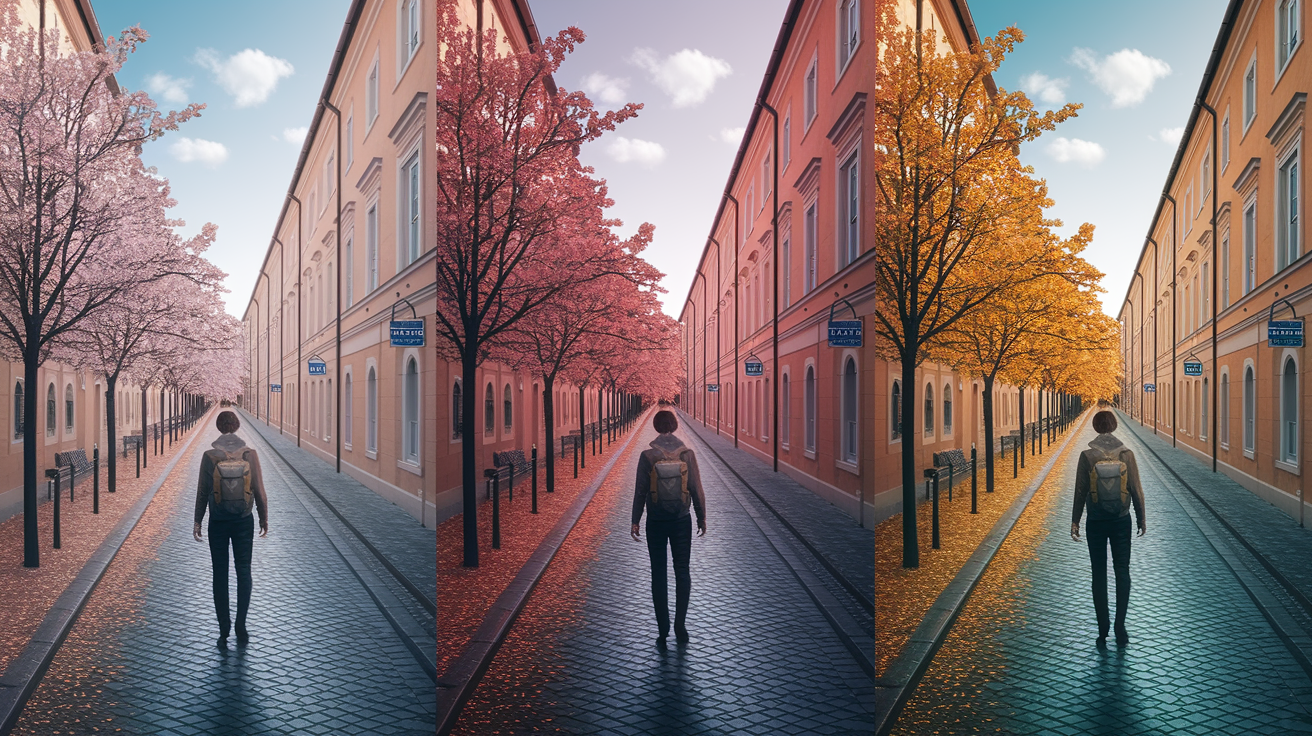
Shoulder months deliver the best balance of cost, weather, and crowd levels across most of Europe. April through May and September through early November offer hostel rates 30–50 percent lower than August peaks. Southern destinations like Greece, Portugal, coastal Spain still see daytime temps in the low 20s Celsius. Flights follow the same pattern. Booking a late‑September trip to Barcelona often costs half what the same route runs mid‑August, and you’ll skip the sweaty crowds packed into La Sagrada Família.
Winter travel works well if you target the right activities and destinations. Ski resorts in the Alps deliver their own budget challenge (lift tickets and lodging stay expensive), but cities across Central Europe host Christmas markets from late November through December. Hostels in Prague or Vienna drop to €25–€35 per night once the summer rush ends. Northern destinations turn bitterly cold, but that same cold keeps prices low and opens up Northern Lights viewing in Iceland or northern Scandinavia. Just pack thermal layers and plan indoor activities to balance the shorter daylight hours.
Sample Shoestring Itineraries
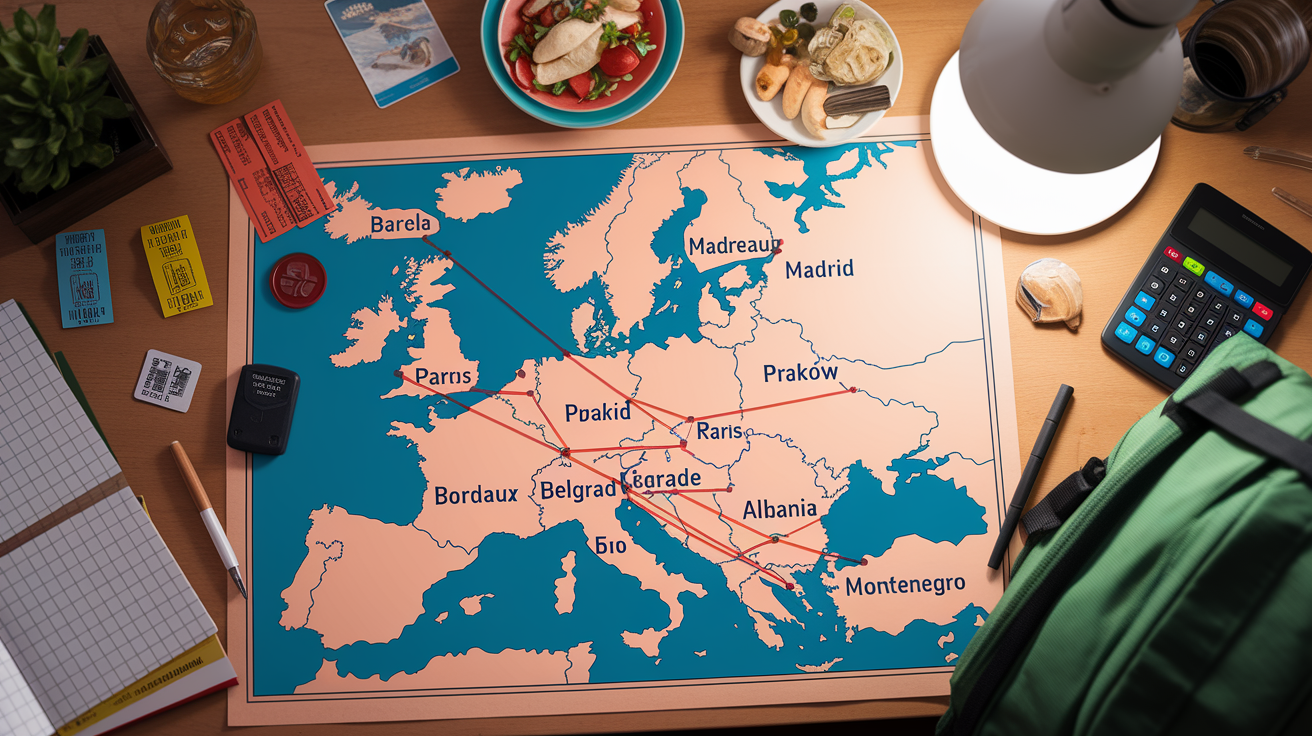
A realistic one‑week shoestring loop through Western Europe might start in Barcelona, move to Madrid, hop to Bordeaux, finish in Paris. Mix budget buses and flights. Flying Barcelona to Madrid on Ryanair or Vueling can cost as little as €20 if booked a month ahead. A FlixBus from Madrid to Bordeaux runs around €45 and takes 12 hours overnight (saves one night’s lodging). Final leg from Bordeaux to Paris costs €55–€100 by train or €16–€30 by bus, depending on how much time you’re willing to trade for money. Expect to spend €70–€100 per day across this route, covering hostel dorms at €30–€40, one supermarket meal, one budget restaurant meal, public transport, a couple paid attractions.
Eastern Europe offers even tighter budgets and richer experiences for the same week. A Kraków–Budapest–Belgrade–Albania–Montenegro arc keeps daily spending around €50. Hostel beds at €20–€30, local meals under €15, buses between cities costing €10–€30 per segment. You’ll cover more ground slowly (buses take longer than flights), but the slower pace lets you meet locals, try regional food, see landscapes budget airlines fly over too quickly to notice.
Sample five‑day Eastern Europe route with estimated costs:
- Day 1–2: Kraków, Poland Hostel €25/night, walking tour €10 tip, pierogi dinner €8, daily total around €50/day
- Day 3: Travel to Budapest FlixBus Kraków–Budapest €25, overnight bus saves lodging cost
- Day 4–5: Budapest, Hungary Hostel €30/night, thermal bath entry €20, goulash lunch €10, ruin bar drinks €6, daily total around €55/day
- Total estimated cost for five days: €280–€320 including transport, accommodation, food, activities
Final Words
You’ve got flight timing, where to sleep, moving between cities, food hacks, free sights, seasonal timing, and sample routes — the practical steps to travel Europe cheaply and enjoyably.
Quick reminders: book early, favor night buses and trains, pick budget carriers, stay in hostels or guesthouses, shop markets for meals, and build buffer time so you can slow down.
Follow these simple choices and you’ll know exactly how to travel Europe on a shoestring without skimping on local food, easy sightseeing, and real downtime. Go make it a relaxed, fun trip.
FAQ
Q: What is the most forgotten item when traveling?
A: The most forgotten item when traveling is the phone charger or charging cable. Pack one in your carry-on and a spare or small power bank to avoid a dead phone and last-minute shopping.
Q: What is the 3 month rule in Europe?
A: The 3 month rule in Europe means non-EU travelers can stay in the Schengen Area for up to 90 days within any 180-day period. Track days carefully to avoid fines, denied entry, or unexpected turns.
Q: What’s the cheapest month to go to Europe?
A: The cheapest months to go to Europe are usually January and February and parts of November, when flights and hotels drop after holidays. Shoulder months give quieter sights and better deals than peak summer.
Q: How to not stand out as an American in Europe?
A: To not stand out as an American in Europe, blend in by dressing more neutrally, speaking quietly, learning a few local phrases, and avoiding loud tourist gear. Respect local customs and tipping norms.