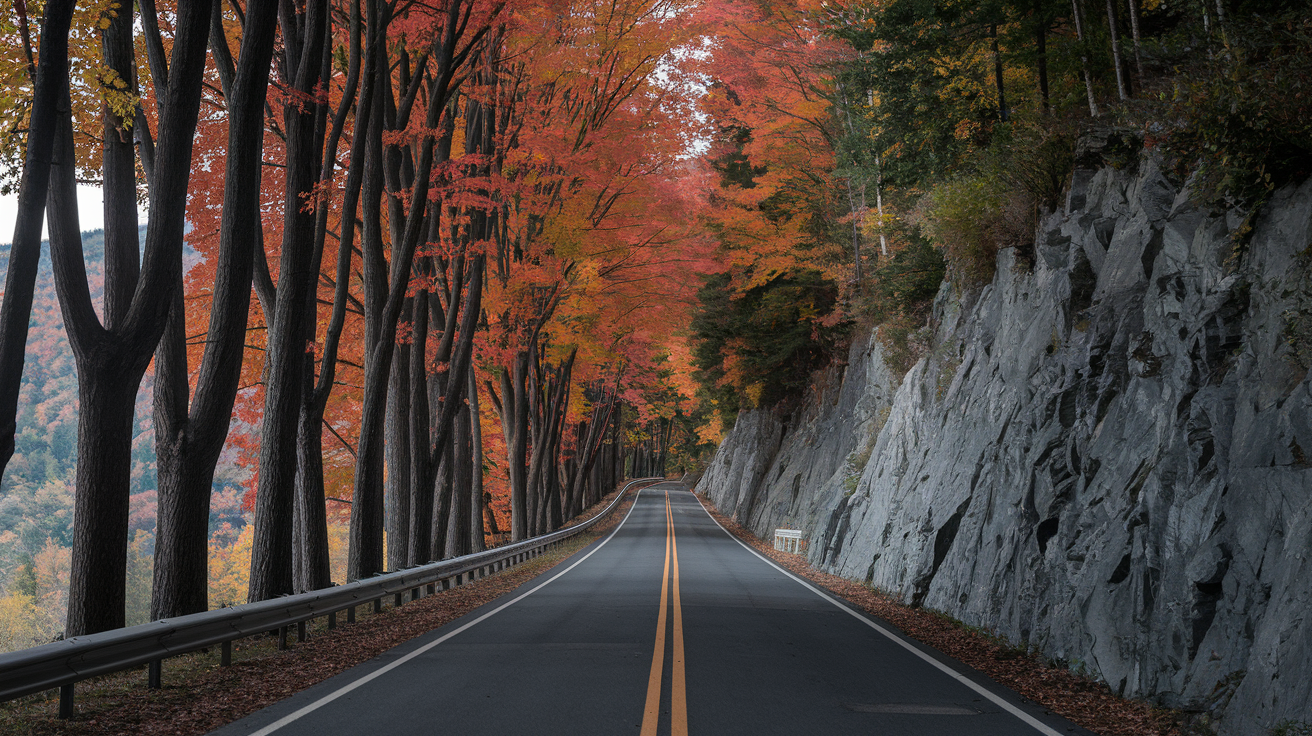

Want the best fall colors in New England, or are you fine with crowded lookouts and missed peaks?
This guide ranks the top 10 spots for peak foliage, from sweeping mountain drives to quiet village scenes.
You’ll get timing (when each place usually hits peak), where to stay, and easy routes that keep travel relaxed.
Think of it like a simple road map: one main plan, a couple of good options, and room to breathe.
Perfect for a slow weekend or a longer chase.
Top 10 Places in New England for Peak Fall Foliage (Ranked)
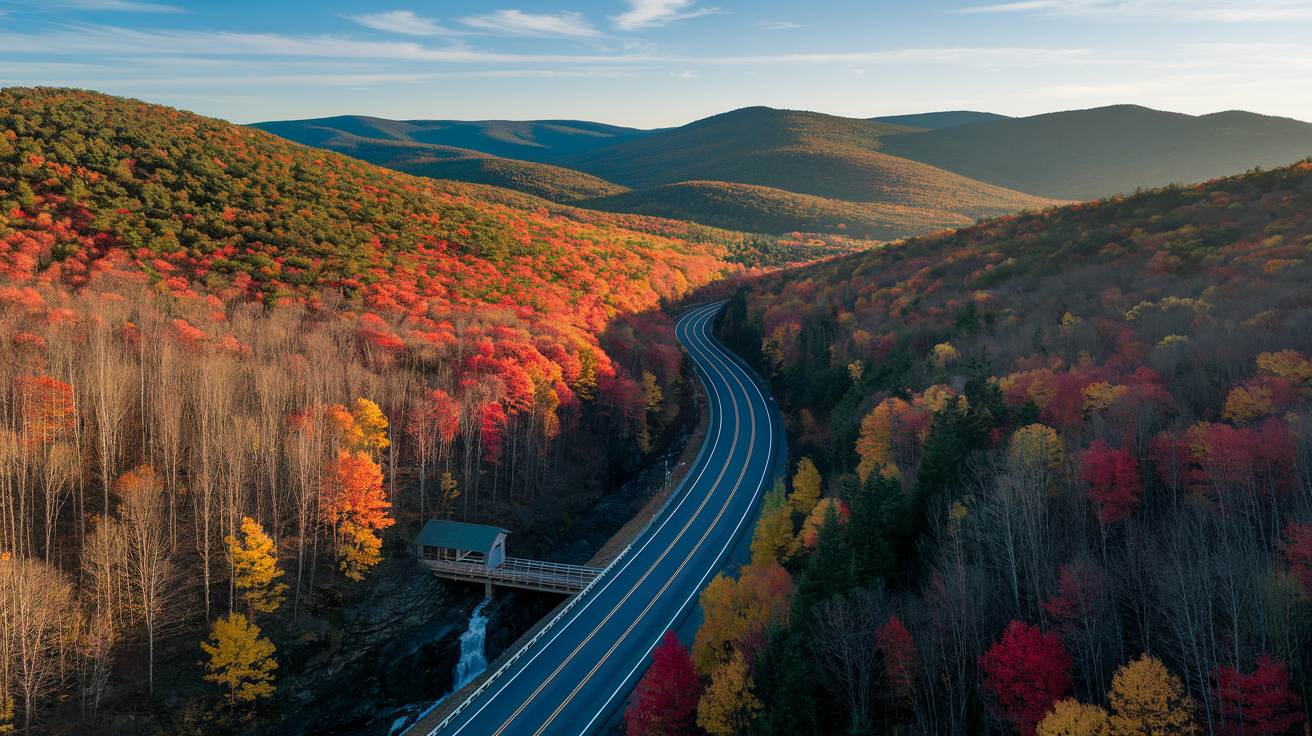
These ten spots give you the best combo of easy access, wild color, and views you’ll actually remember once peak season hits.
-
Kancamagus Highway, New Hampshire — 34 miles of Route 112 packed with pull-offs, waterfalls, and covered bridges. Traffic crawls, but you’re stopping every mile anyway. Late September through early October.
-
Stowe, Vermont — Mountain valleys, gondola rides straight into the treetops, and Notch Road winding through thick forest. Farms, sugarhouses, and old inns everywhere.
-
Acadia National Park, Maine — Coastal cliffs meet hardwood forests. Park Loop Road gives you ocean and mountain color at the same time, plus summit hikes with lighthouse views.
-
White Mountains, New Hampshire — Big region centered on Mount Washington. Saco Lake reflections, Flume Gorge trails, overlooks like Elephant Head and Flume Cascade.
-
Woodstock, Vermont — Classic New England village. Covered bridges, a photogenic town square, hillsides that peak in early October.
-
Franconia Notch State Park, New Hampshire — Flume Gorge is the main draw. 800-foot natural chasm with a two-mile paved trail, plus roadside views and popular hikes.
-
Smugglers’ Notch, Vermont — Narrow mountain pass that shuts down in winter. Roadside color, multiple trailheads, dense canopy overhead.
-
Bar Harbor and Mount Desert Island, Maine — Gateway to Acadia. Harbor-town feel, whale-watching trips, short drive to coastal trails and summit roads.
-
Litchfield Hills, Connecticut — Best foliage zone in southern New England. Peaks slightly later, mid-to-late October. Rolling farmland, stone walls, the scenic town of Kent.
-
Berkshires, Massachusetts — Mountain overlooks like Monument Mountain, historic estates, walkable villages like Lenox and Stockbridge surrounded by hardwood forests.
When and Where Leaves Change First Across New England
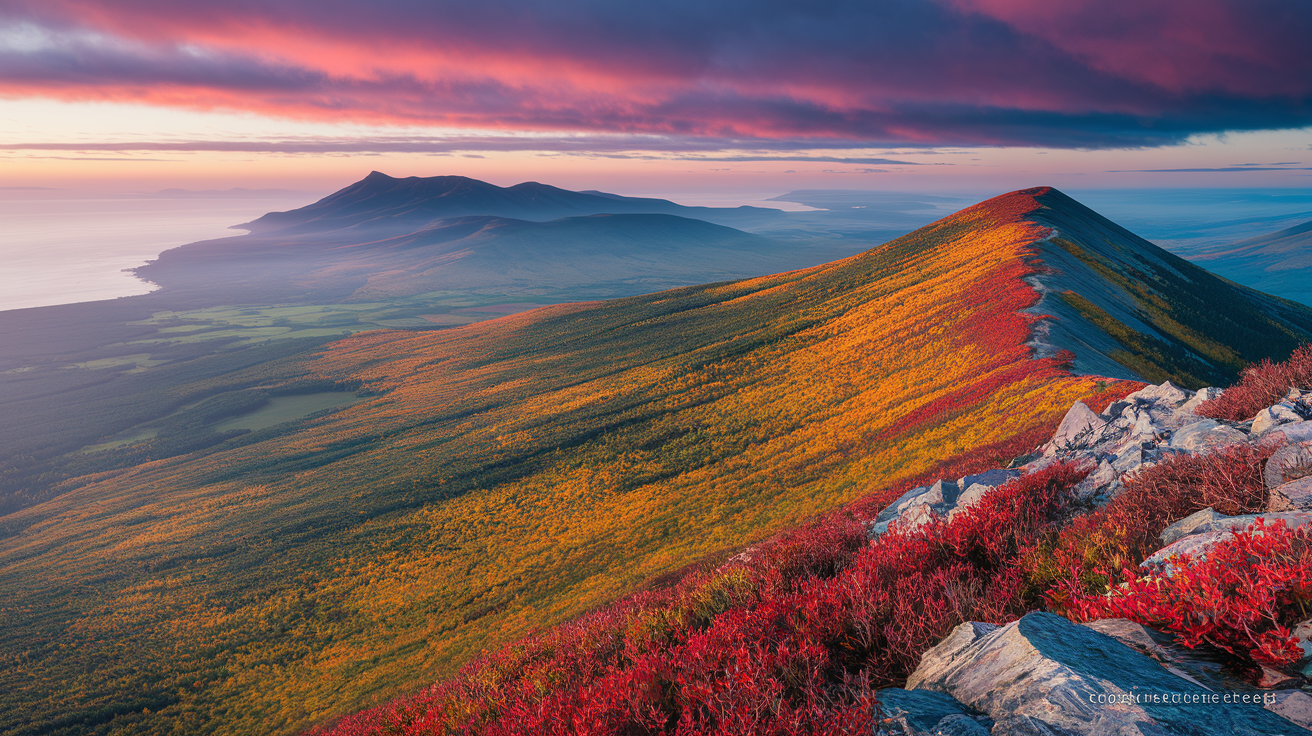
Northern New England turns first. Usually the last week of September, starting at higher elevations and up in the Great North Woods of New Hampshire and Maine. Vermont’s Green Mountains and New Hampshire’s White Mountains are right behind, hitting peak color in the first two weeks of October. Central and southern areas lag by one to two weeks. Massachusetts, Rhode Island, and Connecticut reach their best color from mid-October into early November.
Elevation speeds things up. A summit can be blazing while the valley below is still green. Coastal areas change last because warmer ocean air slows everything down. If you’re driving across multiple states, you’ll see a visible gradient as you head south or drop in elevation. Reds and oranges blending into late-season greens.
Peak foliage windows by region:
- Northern Vermont, New Hampshire, Maine: late September to early October
- Central Vermont, New Hampshire: first two weeks of October
- Massachusetts, Rhode Island, Connecticut: mid-October to early November
- Coastal areas across all states: typically one week later than inland zones at the same latitude
New England Fall Foliage Map Overview
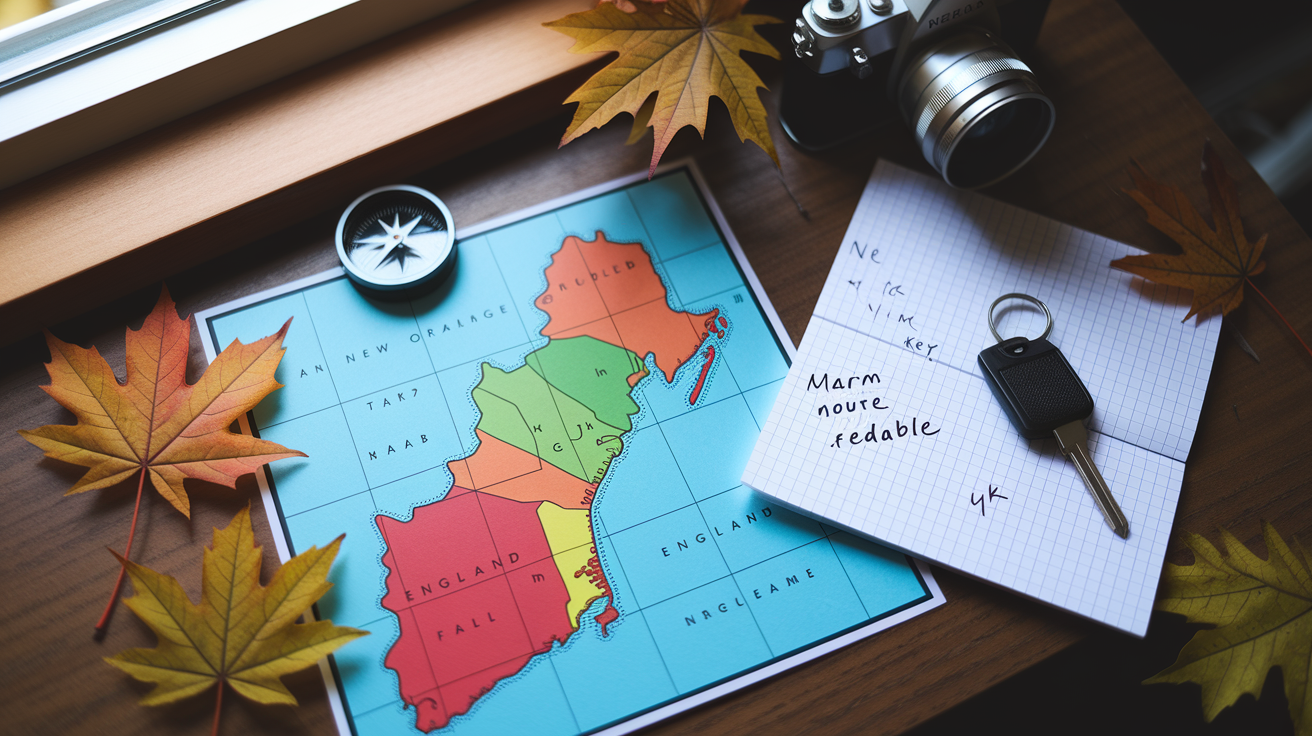
Regional foliage maps track color week by week. State tourism boards or services like the Yankee Magazine tracker update them regularly. They use color codes to show where leaves are starting to turn, nearing peak, at peak, or past peak. The whole thing moves north to south over a three to four week window. Predictable, but it shifts every year depending on temperature and rainfall.
Using a foliage map helps you time a road trip to catch multiple regions at or near peak. If northern Vermont shows full peak on the map, you can plan southern New Hampshire or Massachusetts for the following week. Maps also highlight microclimates and elevation zones, so you can adjust your route on short notice if an early frost or warm spell shifts the timeline by a few days.
What Makes Each New England State Unique in Fall
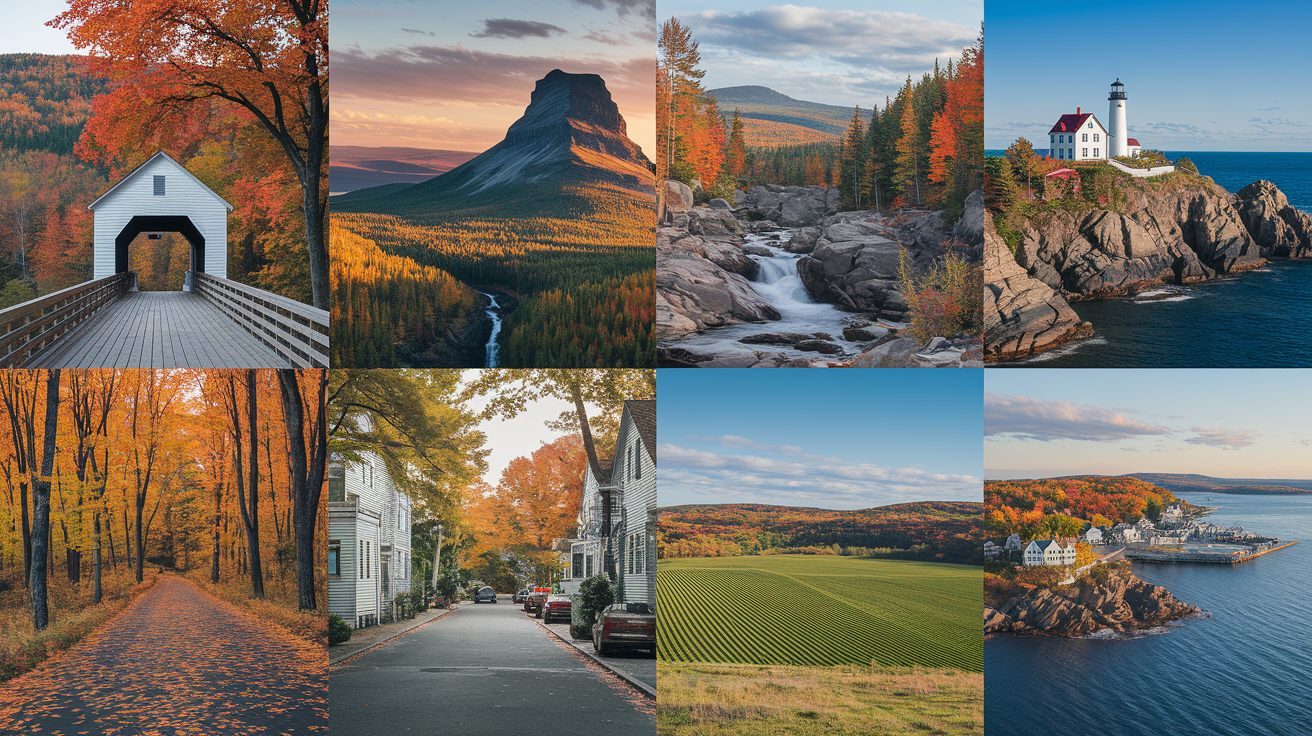
Vermont delivers the classic postcard image. Covered bridges, white-steeple churches, hillsides stacked with sugar maples. The rolling terrain and dense hardwood forests create layered color from valley floors to ridgelines. Stowe, Woodstock, and the roads around Lake Champlain offer some of the most photographed foliage scenes in the region. Easy access to working farms, cider mills, and maple sugarhouses.
New Hampshire centers on dramatic mountain scenery. The White Mountains and notches like Franconia and Crawford provide high-elevation overlooks, waterfalls, and winding byways like the Kancamagus Highway. Northern forests turn early. Southern lakes and mill towns offer a quieter, small-town fall experience with less traffic than Vermont’s busiest routes.
Maine combines coastal and inland color. Acadia National Park stands out for its mix of ocean views and forested peaks. Baxter State Park in the north offers wilderness hiking. Coastal towns like Camden and Bar Harbor give you harbors, lighthouses, and working waterfronts framed by fall color. A backdrop you won’t find in landlocked states.
Massachusetts anchors the southern end of New England foliage country. The Berkshires in the west deliver mountain overlooks and historic estates. Towns like Salem add Halloween culture and colonial architecture to the fall experience. Boston’s parks and the Freedom Trail offer urban foliage, and orchards across the state provide apple-picking and cider-donut stops within an hour of the city.
Connecticut’s Litchfield Hills are the go-to for late-season color. Rolling farmland, stone walls, and small villages like Kent peak in mid-to-late October. Makes Connecticut a backup option if you miss the earlier northern windows. The terrain is gentler than Vermont or New Hampshire. More pastoral views and fewer crowds.
Rhode Island offers compact fall scenery. Snake Den State Park and Providence’s Roger Williams Park Zoo provide accessible color close to the city. The state’s small size makes it easy to combine foliage with coastal stops like Newport, though the peak window is short and timing matters more here than in larger states.
Visitor Tips for Experiencing Peak New England Foliage
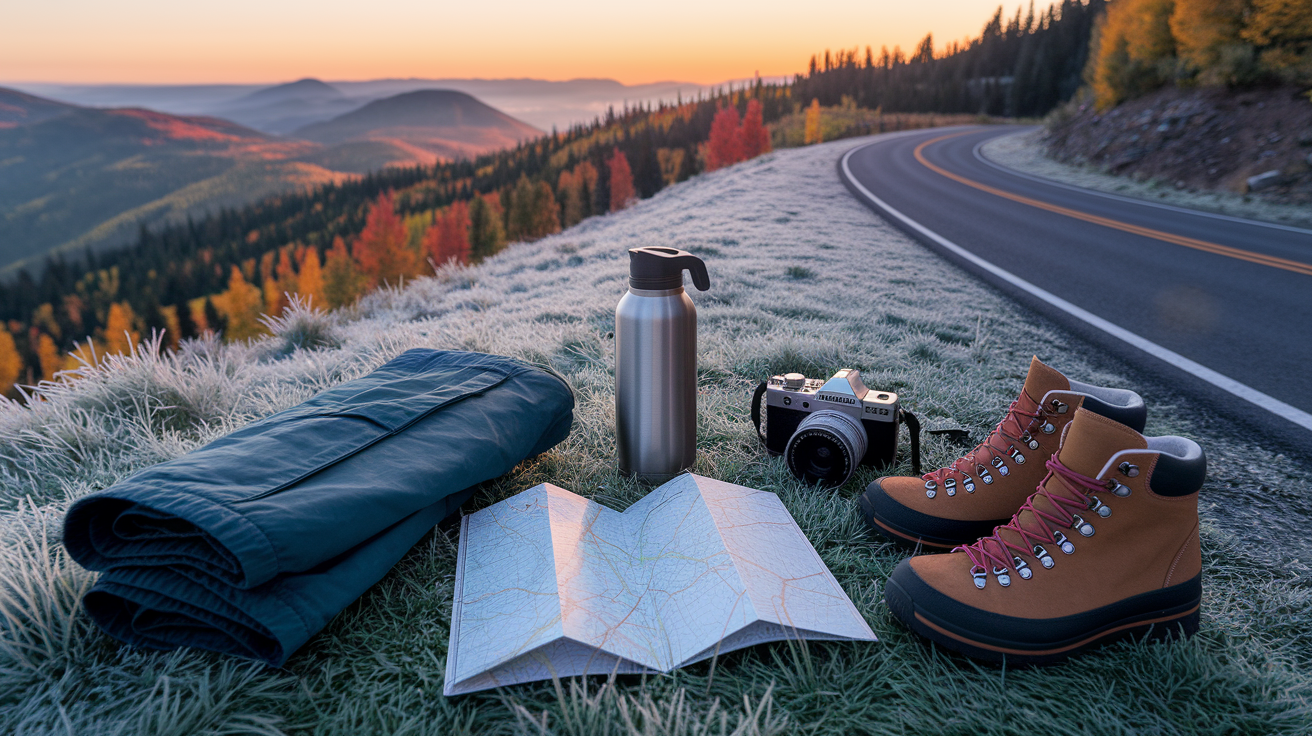
Weekdays bring lighter traffic and easier parking at popular pull-offs and trailheads, especially on scenic byways like the Kancamagus Highway and Smugglers’ Notch. Early mornings give you better light for photos and fewer crowds at gondolas, overlooks, and farm stands. Weather shifts can move peak dates forward or backward by several days, so checking weekly foliage reports the week before your trip helps you adjust plans and avoid arriving too early or too late.
Start drives early in the day to claim parking and avoid midday backups on one-lane mountain roads. Use state foliage trackers and update your route based on the most recent peak reports. Pack layers. Temperatures can range from the high 30s in the morning to the mid-60s by afternoon in October. Expect slower traffic on scenic highways. Plan extra drive time and build in flexibility for unplanned photo stops. Book lodging, car rentals, and popular tours like gondola rides or factory visits weeks in advance during the first two weeks of October.
Scenic Drives, Trails, and Overlooks Worth Adding to Your Route
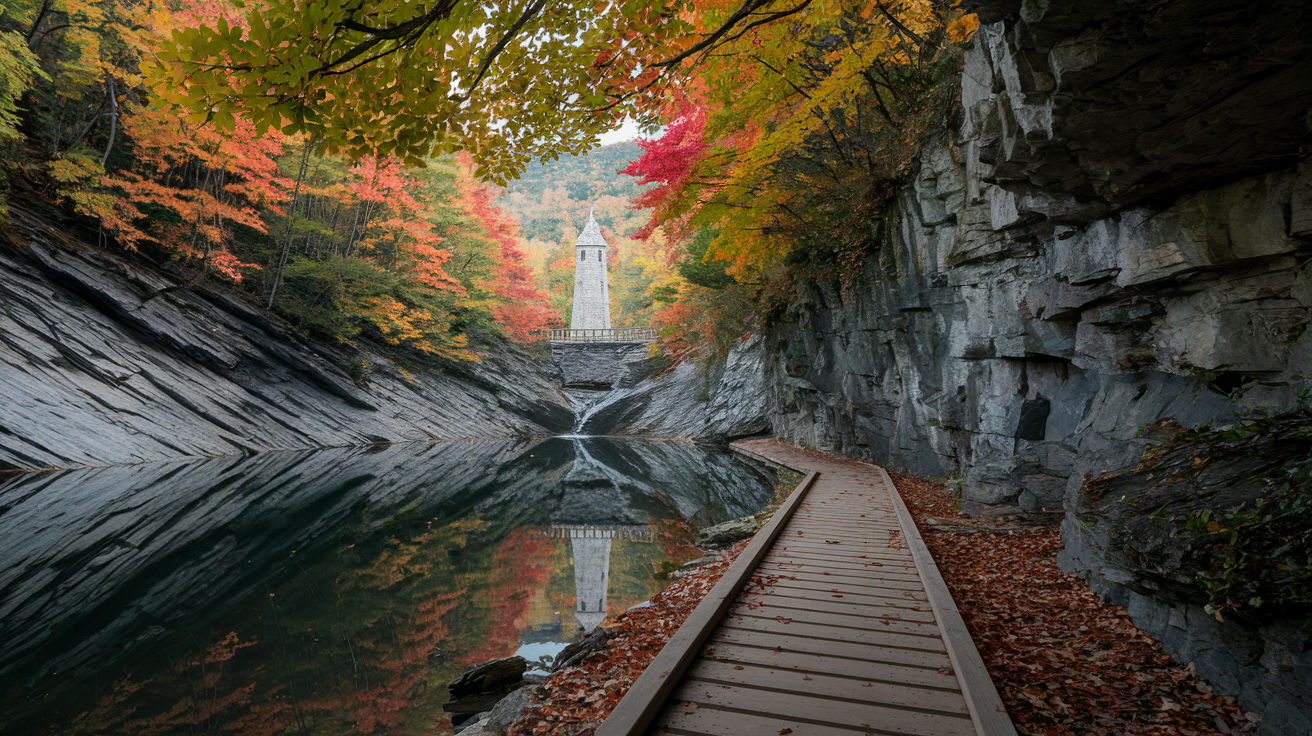
Beyond the headline destinations, New England’s back roads and lesser-known overlooks deliver big color with fewer people. These routes and trails give you options to diversify your itinerary without retracing the same highways.
Route 100, Vermont runs the length of the state from Massachusetts to Canada, passing through small villages, past farms, and alongside rivers with consistent color and low commercial traffic.
Mount Battie, Camden, Maine offers a $6 drive-up summit road ending at a stone tower with panoramic views over Penobscot Bay and the Camden Hills.
Flume Gorge Trail, Franconia Notch is a two-mile mostly paved loop through an 800-foot natural gorge with boardwalks, waterfalls, and close-up forest views. Reservations may be required at the entrance.
Sabbaday Falls and Rocky Gorge, Kancamagus Highway are short walks from roadside parking to waterfalls and stream overlooks, ideal for families and quick photo stops.
Camel’s Hump State Park, Vermont is a wilder summit hike between Stowe and the Green Mountain National Forest, offering ridgeline views and fewer crowds than more famous peaks.
Lake Willoughby, Vermont is a glacial lake framed by steep cliffs, known for mirror-like reflections of fall color and quiet picnic spots along the shore.
Cozy Towns and Ideal Places to Stay Near Peak Color
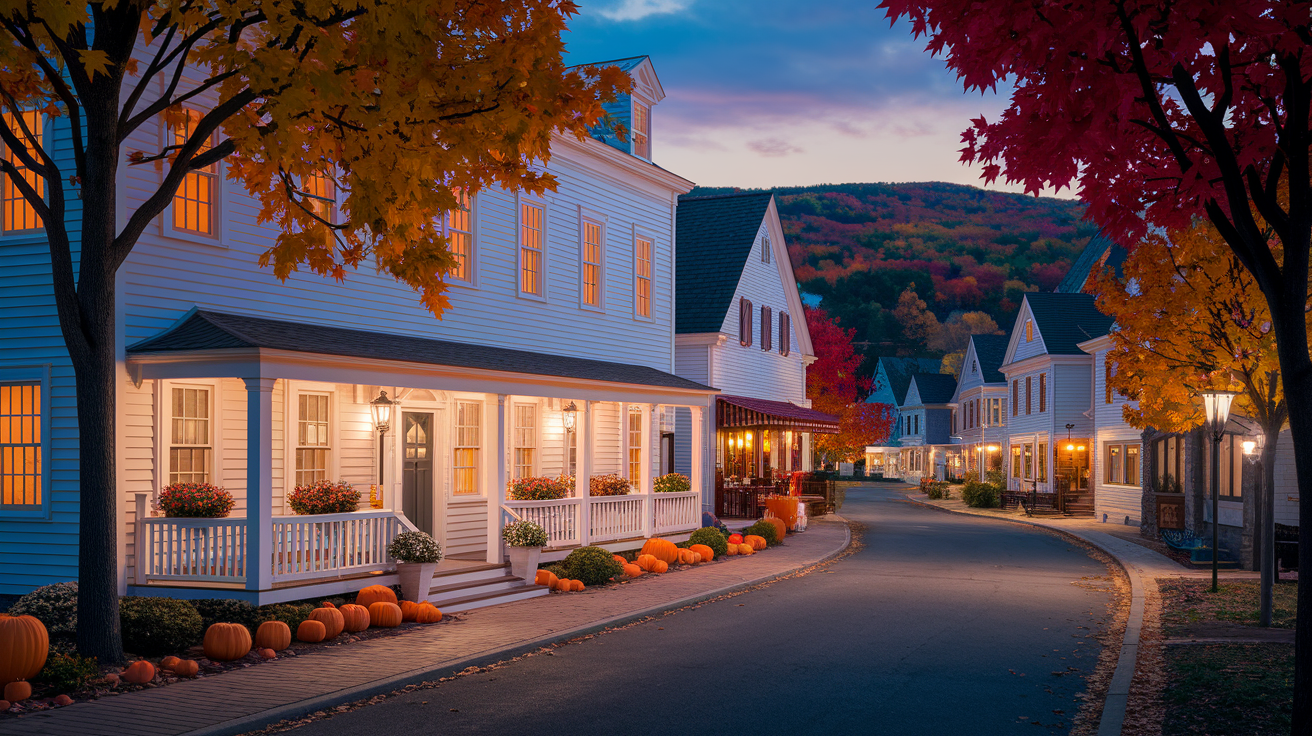
Choosing a town with lodging close to multiple foliage routes saves drive time and gives you flexibility to chase the best color each day. These five towns anchor different regions and offer a mix of inns, B&Bs, and rental options.
-
Stowe, Vermont sits central to Smugglers’ Notch, Route 100, and Waterbury’s cider mills. Walkable downtown, gondola access, and nearby maple farms and corn mazes.
-
North Conway, New Hampshire is the eastern gateway to the White Mountains and Kancamagus Highway, surrounded by hiking trails, waterfalls, and covered bridges. Plenty of mid-range lodging.
-
Bar Harbor, Maine is the hub for Acadia National Park. Harbor views, seafood restaurants, and easy access to coastal trails, lighthouses, and whale-watching trips.
-
Woodstock, Vermont is a historic village with covered bridges, boutique shops, and the Marsh-Billings-Rockefeller estate. Positioned on scenic Route 4 and close to multiple state parks.
-
Lenox, Massachusetts sits in the heart of the Berkshires. Historic inns, Tanglewood, and quick drives to Monument Mountain, Mount Greylock, and the town of Stockbridge.
Final Words
Pick your peak week and go see the color—slow down, drive a scenic route, and leave room for surprise stops. This guide gave a ranked top-10 list, a clear timing map, state-by-state highlights, practical visitor tips, must-do drives and cozy towns to use as bases.
Use these pieces to choose the best places to visit during fall in New England for fall foliage without overpacking your days. You’ll come home relaxed and full of color.
FAQ
Q: When is peak fall foliage in New England?
A: Peak fall foliage in New England typically occurs from late September through mid‑October, with northern areas peaking earlier (late Sept to early Oct) and coastal zones peaking later.
Q: Which places are best for peak fall colors in New England?
A: The best places for peak fall colors in New England include the Kancamagus Highway, Stowe, the Berkshires, Acadia National Park, the White Mountains, Woodstock, and North Conway for classic views.
Q: How does timing vary by region and elevation?
A: Timing varies by region and elevation: northern New England peaks first, central areas follow, coastal spots peak last, and higher elevations often reach peak color earlier than lowlands.
Q: How do I read a New England fall foliage map?
A: You read a New England fall foliage map by following the color progression north to south over three to four weeks, watching frequent updates and noting elevation and coastal differences.
Q: What scenic drives, trails, or overlooks are worth adding to my route?
A: Top scenic drives and trails include the Kancamagus Highway, Route 100, Acadia’s Park Loop Road, Mount Greylock and short overlooks or waterfall hikes that deliver big views without long effort.
Q: When should I book lodging and where should I stay for peak color?
A: You should book lodging early—weeks to months ahead for peak weekends—and stay in towns like Stowe, Woodstock, North Conway, Bar Harbor, or Lenox for close access to top foliage areas.
Q: How can I avoid crowds and get the best light for photos?
A: To avoid crowds and get the best light, travel on weekdays, go early morning for softer light, skip popular long weekends, and allow extra time for traffic and photo stops.
Q: How many days do I need to properly enjoy New England fall foliage?
A: You need at least three days to hit regional highlights; five to seven days lets you travel more relaxed, mix drives, hikes, and town time without rushing.
Q: Can weather change when leaves reach peak color?
A: Weather can change peak timing: sustained warmth delays color, cold nights and frost speed it up, and rain or wind can shorten displays, so check forecasts and foliage reports before you go.
Q: Are there family-friendly ways to enjoy leaf peeping?
A: Family-friendly leaf peeping includes scenic drives, short waterfall or overlook walks, town playground or picnic stops, and flexible plans that let kids rest and explore between sights.