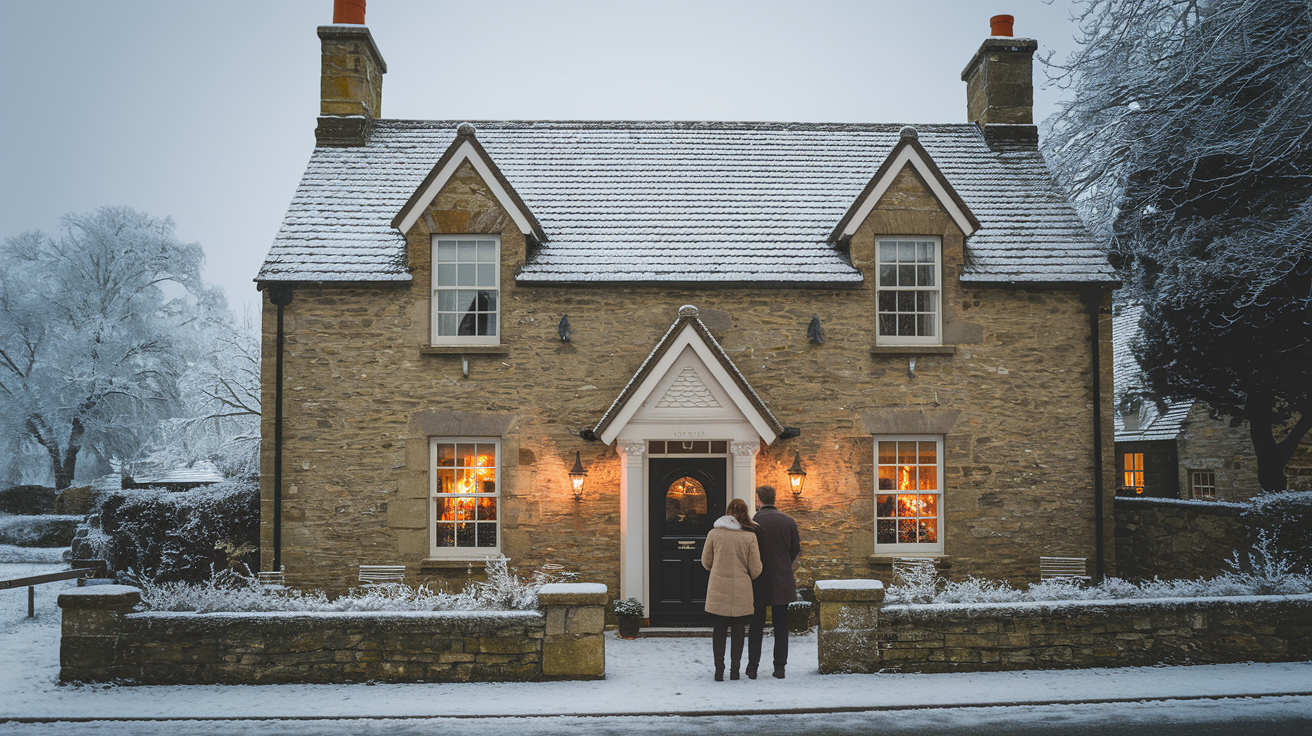

Think romantic getaways need plane tickets? Think again.
In winter, a weekend near London can feel miles away — stone cottages glow, spa pools steam, and empty beaches are all yours.
This post gathers the best romantic winter weekend getaways near London for couples within a 2–3 hour reach, so you spend less time travelling and more time by the fire.
I’ll show easy travel plans, the coziest stays, and one realistic itinerary per place so your weekend feels slow, not rushed.
Top Romantic Winter Getaways Within 2–3 Hours of London
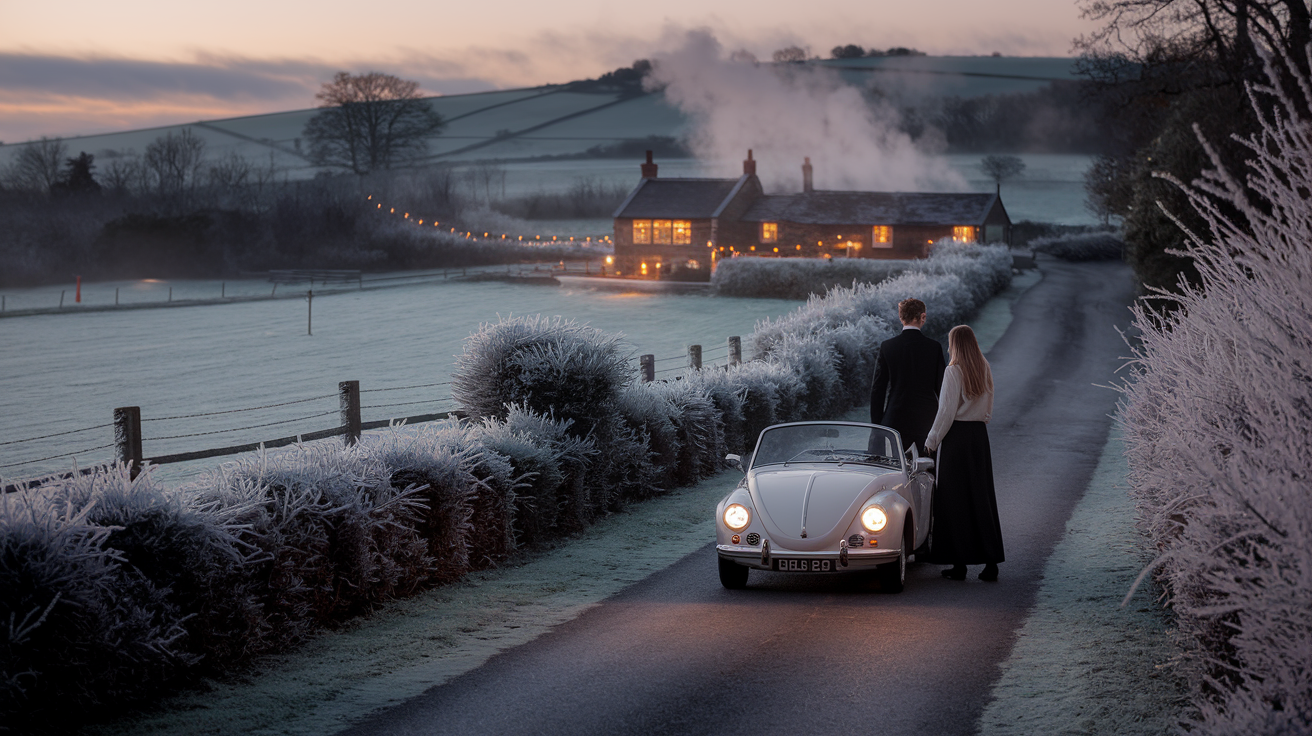
The best romantic winter getaways near London combine easy travel with actual atmosphere. You want somewhere that feels properly removed, even if you’re only escaping for a weekend. Train connections under two hours work. So does a scenic drive that doesn’t burn your whole Saturday morning.
Winter changes these places in ways summer can’t touch. Stone cottages glow with firelight. Spa pools steam against cold air. Empty coastal paths become yours alone. The quiet season strips away the crowds and leaves what matters: warm pubs, long walks, slow mornings that stretch short breaks into something that feels longer.
The Cotswolds get you honey‑stone villages, boutique inns with open fires, countryside walks ending at centuries‑old pubs. About 2 hours by car or train.
Bath offers Georgian squares dusted with frost, rooftop thermal pools, enough cozy restaurants to fill a long weekend. 90 minutes by train.
The New Forest brings woodland trails, wild ponies in winter coats, log‑fire lodges tucked into trees. Just under 2 hours by train to Brockenhurst.
Rye delivers medieval cobbled streets, empty beaches at Camber Sands, tiny guesthouses with four‑poster beds. About 1 hour by train from St Pancras.
The Chilterns provide rolling hills, quiet villages, country pubs with rooms upstairs. 45–60 minutes by train, sometimes less by car.
The Cotswolds: Honey‑Stone Villages & Fireside Luxury
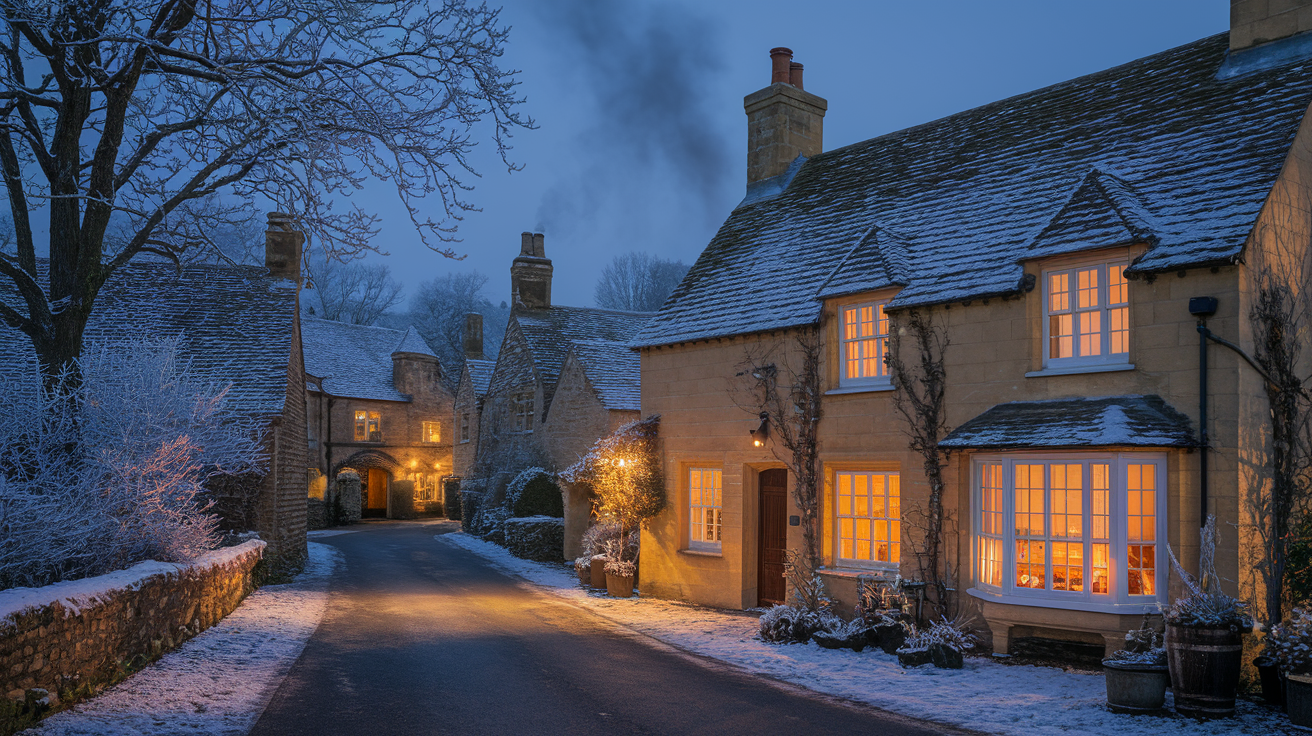
Winter in the Cotswolds looks like a period drama you’d actually want to live in. Bare trees frame honey‑colored stone. Woodsmoke curls from cottage chimneys. Villages like Bourton‑on‑the‑Water and Stow‑on‑the‑Wold settle into a rhythm that feels centuries old.
Tourist crowds thin out after October. You get quieter streets, easier restaurant tables, the kind of unhurried atmosphere that makes two nights feel restorative instead of rushed. Frost sharpens the countryside. If you’re lucky, a dusting of snow turns the whole region into something out of a storybook.
The accommodations here understand winter. Boutique inns have four‑poster beds, working fireplaces, heated bathroom floors. Spa hotels offer treatments that make sense after a cold morning walk. Many properties include extras like complimentary afternoon tea or late checkout so you’re not racing the clock. You’ll find converted manor houses, historic coaching inns, small luxury hotels where staff remember your name and dinner reservation without asking twice.
Romantic winter activities are simple and satisfying. Walk the Cotswold Way or shorter village loops, then settle into a 17th‑century pub for slow lunch by the fire. Browse antique shops in Stow or Chipping Norton. Early December brings Christmas markets in Bourton‑on‑the‑Water or Broadway, adding festive atmosphere without the crush you’d find in London.
Travel time from London runs about 2 hours by car, or similar by train to Moreton‑in‑Marsh, with easy onward buses or short taxi rides to most villages.
Bath: Georgian Elegance & Thermal Spas
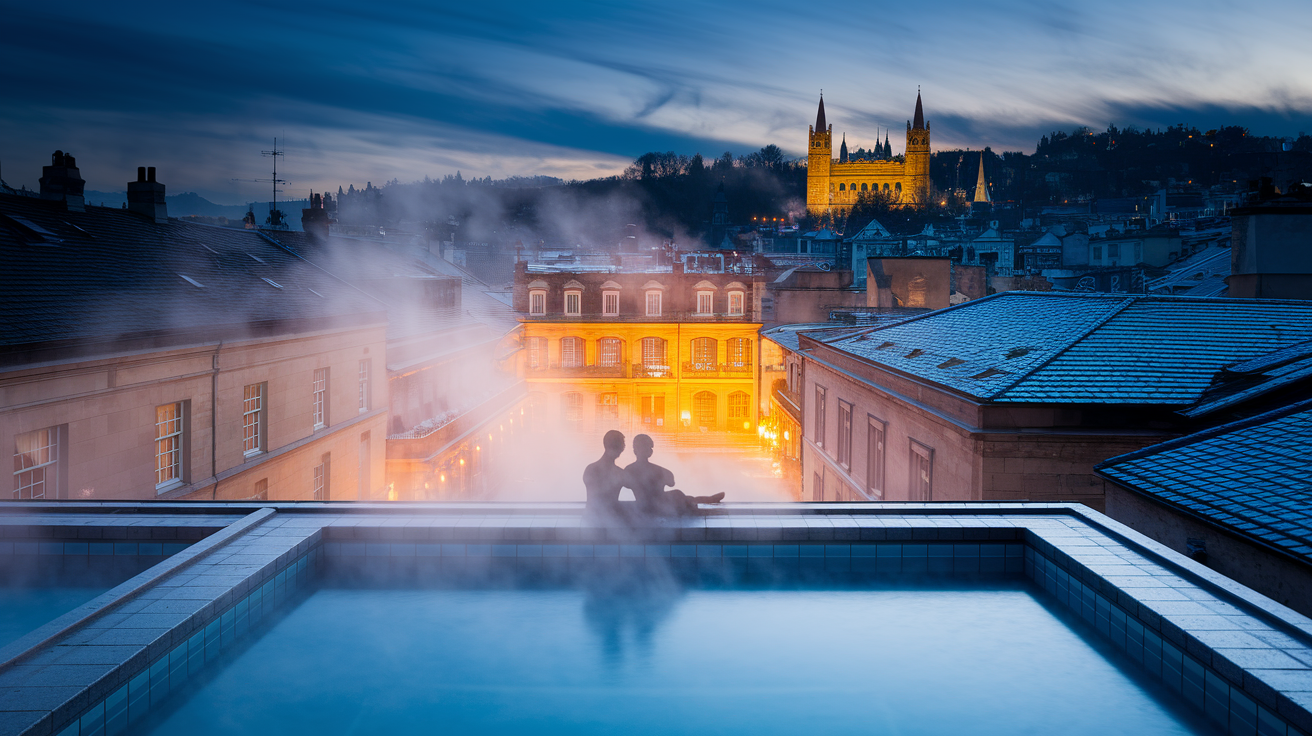
Bath in winter trades summer’s crowds for something quieter. More atmospheric. The Georgian crescents and Roman architecture take on different character when light is low and air is sharp. Streets glow amber under old streetlamps. The city’s compact layout means you can walk everywhere without freezing, ducking into cafes or museum doorways when you need warmth.
The Christmas market fills streets around the Abbey in late November and December. But even outside those weeks, Bath feels particularly itself in colder months.
The spa culture here is the real winter draw. Thermae Bath Spa’s rooftop pool lets you float in warm mineral water while steam rises around you and the city spreads out below. It’s open year‑round, but it’s best when air is cold and the contrast makes the heat feel even better.
Boutique hotels cluster around Pulteney Bridge and the Royal Crescent, many in converted townhouses with original features, modern heating, restaurants good enough that you won’t need to leave the building if weather turns.
Romantic activities here mix history with indulgence. Tour the Roman Baths, then warm up with afternoon tea at The Pump Room or one of the smaller tearooms tucked into side streets. Walk along the River Avon or up to Alexandra Park for views over the whole city. Book dinner somewhere candlelit and unhurried. Bath has a strong independent restaurant scene, and winter tables are easier to secure than summer ones.
From London, it’s about 1 hour 30 minutes by train from Paddington, with services running frequently throughout the day.
The New Forest: Woodland Retreats & Cozy Cabins
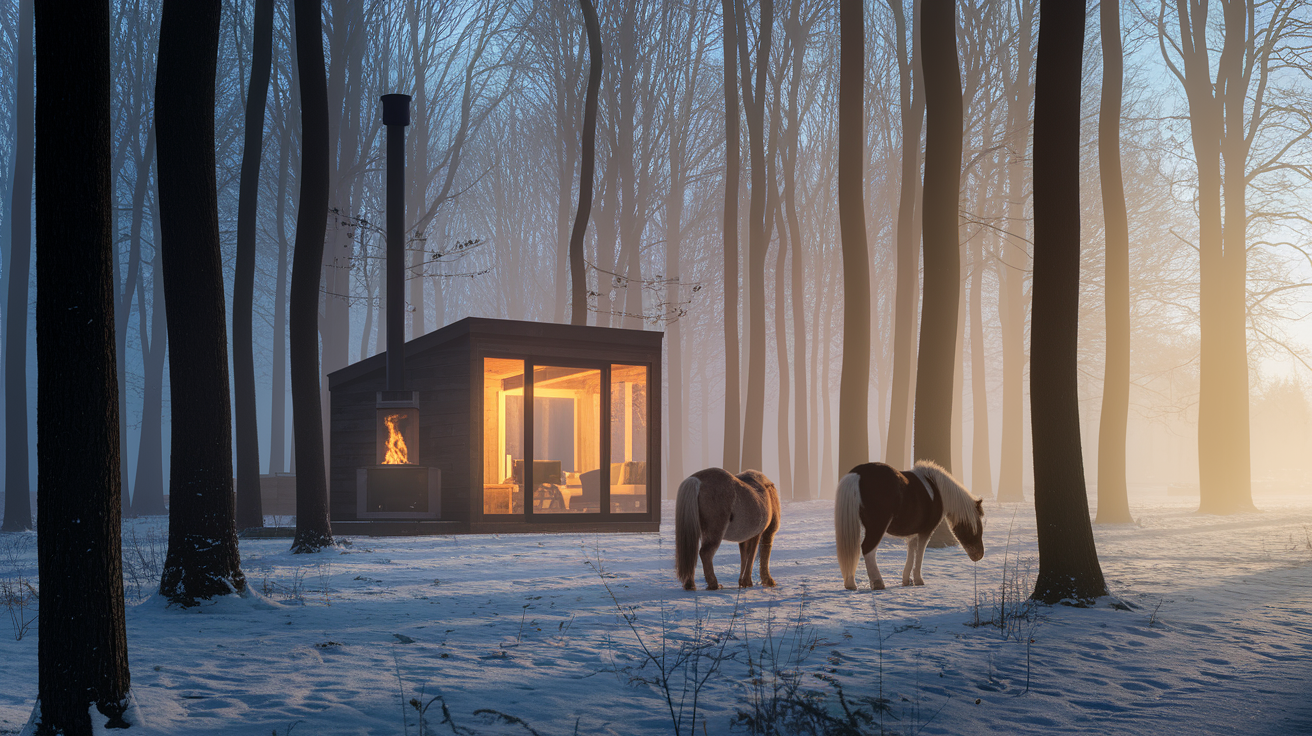
The New Forest in winter feels wild in a manageable way. Ancient woodlands go bare and open. Ponies grow thick winter coats and wander the lanes unbothered. The trails that get crowded in summer belong to you and the occasional dog walker.
Mist hangs low in the mornings. By mid‑afternoon the light slants gold through trees. It’s the kind of place where you can spend a whole day outside without a plan and come back to your cabin tired, hungry, satisfied.
Accommodation here leans toward woodland lodges, country hotels with spa facilities, cabins set back from the road with wood‑burning stoves and deep bathtubs. Many properties include access to private woodland, firepits, hot tubs. The better ones provide proper heating so you’re not relying entirely on the log burner.
The towns are small and functional. Brockenhurst, Lyndhurst, Lymington have good pubs, a few independent shops, restaurants that serve the kind of hearty food that makes sense after a long walk.
Romantic winter activities are straightforward. Rent bikes and cycle the marked trails, or just walk. The forest has hundreds of miles of paths, and you don’t need a map to enjoy them. Visit the New Forest ponies (they’re used to people, but still semi‑wild and worth seeing up close). End the day at a country pub with a roaring fire, a pint, a plate of something slow‑cooked.
From London, it’s about 1 hour 40 minutes by train to Brockenhurst, or a similar drive if you’d rather have a car for exploring the forest lanes.
Rye: Medieval Charm & Seaside Quiet
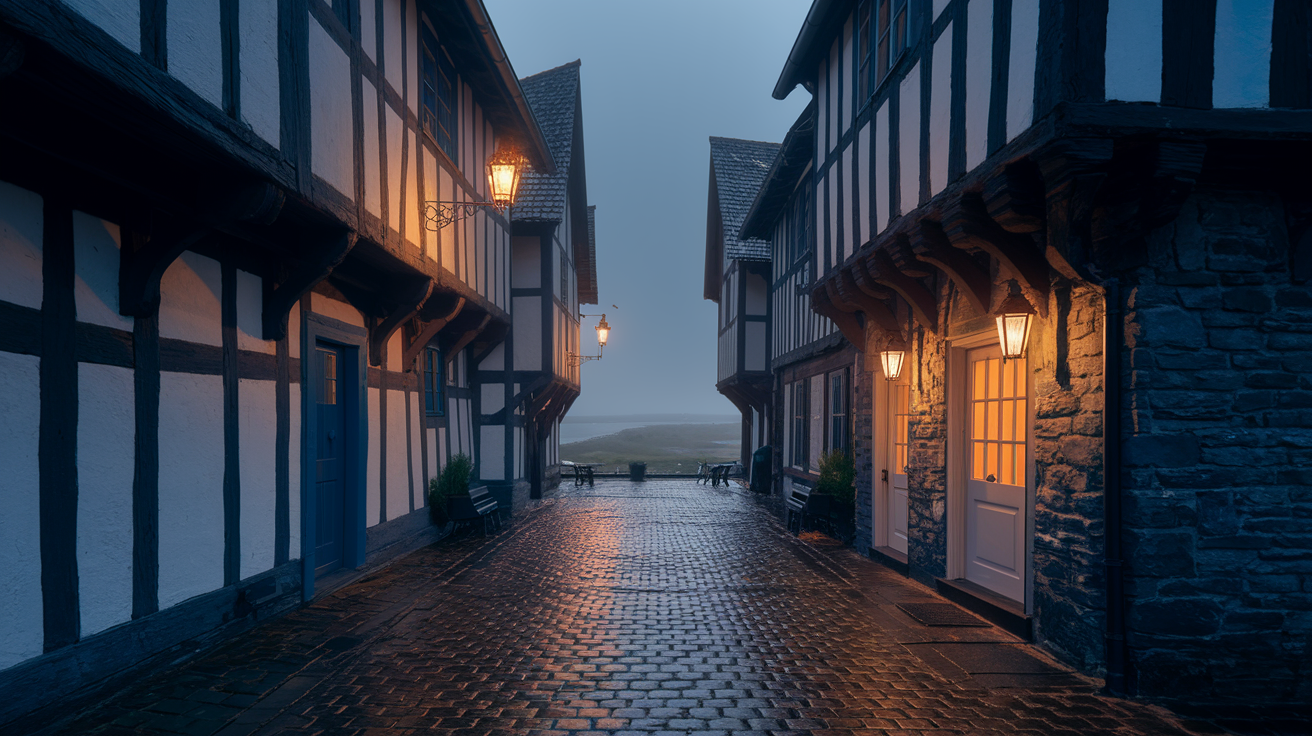
Rye sits on a hill above the marshes, all cobbled streets and timber‑framed houses that lean slightly with age. In winter, the town empties out just enough to feel like you’ve discovered it, even though it’s been a destination for centuries.
The November to February stretch is particularly atmospheric. Fog rolls in from the coast. Lamps glow in narrow lanes. The whole place feels like it’s holding onto the past without trying too hard.
The best stays here are in small guesthouses and historic inns, many with four‑poster beds, sloping floors, fireplaces that actually work. The accommodations tend to be intimate. A handful of rooms, breakfast served at a communal table, owners who live on‑site and know the town well enough to suggest the quiet walk or the pub locals actually use.
Winter activities in Rye mix medieval wandering with coastal exposure. Walk the town walls. Climb the church tower for views over the rooftops and marshes. Browse the antique shops and bookshops lining Mermaid Street. When you’ve had enough of the cobbles, drive or take the short bus ride to Camber Sands for a windswept beach walk. Empty, dramatic, worth the cold.
Dinner options are better than you’d expect for a town this size, with a few standout restaurants serving local fish and seasonal menus.
From London, it’s about 1 hour by train from St Pancras, making it one of the easiest true escapes on this list.
The Chilterns: Rolling Hills & Quiet Countryside
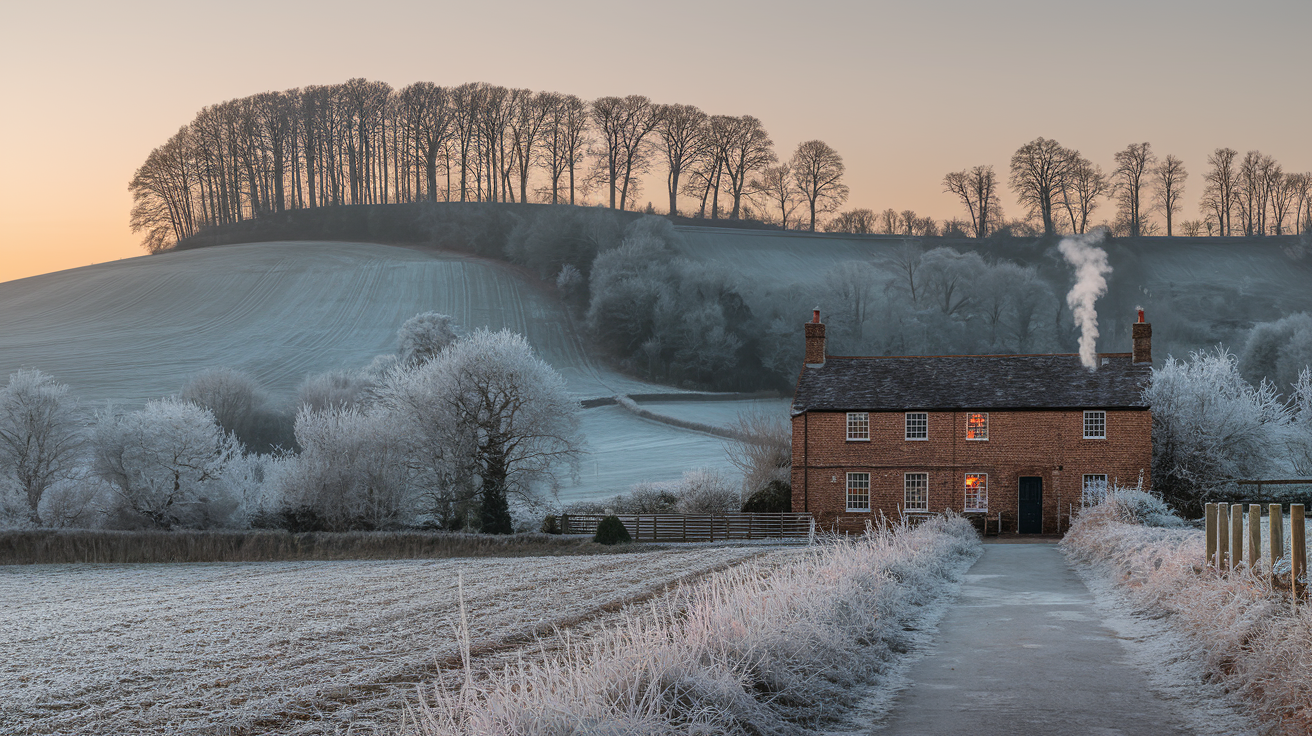
The Chilterns are close enough to London that you can be there before lunch. But far enough to feel properly rural. The landscape rolls gently. Beech woodlands, open hilltops, valleys dotted with brick‑and‑flint villages that haven’t changed much in a hundred years.
Winter here is bare trees, crisp air, long views across fields that go quiet after harvest. It’s not dramatic countryside. But it’s deeply peaceful, and that’s the point.
Accommodation tends toward country pubs with rooms, small boutique hotels, the occasional converted barn or farmhouse. The better properties have log fires in the lounges, good restaurants downstairs, the kind of unpretentious comfort that makes you want to stay an extra night. You’re not paying for luxury here. You’re paying for location, atmosphere, the kind of place where you can walk straight out the door onto a footpath.
Romantic activities are simple and centered on walking. The Ridgeway National Trail runs along the hilltops, offering sunset views that stretch for miles. Village‑to‑village pub walks are easy to plan and even easier to enjoy. Lunch at one, tea at another, dinner back where you started.
The towns are small but functional. Henley‑on‑Thames for riverside walks, Great Missenden for Roald Dahl fans, Wendover for access to Coombe Hill.
From London, it’s 45–60 minutes by train to most Chilterns towns, or a similar drive if you’d rather have your own wheels.
Practical Planning Tips for a Winter Romantic Weekend

Winter weekend breaks need a bit more forethought than summer ones. But the payoff is better atmosphere and fewer crowds.
Book accommodations early. The best boutique hotels and cozy inns fill up fast, especially around Valentine’s weekend or the Christmas market season. If you’re aiming for a specific property with only a handful of rooms, plan at least two to three months ahead. For spa hotels or packages that include treatments, check availability for your preferred time slots when you book the room, not the week before you arrive.
Pack in layers and assume you’ll spend time outside, even if you’re planning a spa weekend. Winter walks are half the appeal, and you’ll regret thin coats and bad shoes.
Check train schedules the day before, especially if snow or ice is forecast. Weekend engineering works and weather delays are common in winter.
Choose accommodations with real heating, not just a fireplace. It sounds romantic until you’re cold at 2 a.m. and the fire’s gone out.
Book dinner reservations in advance, particularly in small towns with limited options. The best places fill up on weekends, and you don’t want to spend Saturday night searching.
Consider midweek stays if your schedule allows. Prices drop. Crowds thin further. You’ll often get better service and more flexibility with check‑in and checkout times.
Final Words
Pack a warm coat and pick a train time. The Cotswolds, Bath, the New Forest, Rye, and the Chilterns are all easy, cozy escapes you can reach in a few hours.
We ran through travel times, fireside inns, spa treats, woodland cabins, seaside walks, and simple planning tips like booking early and checking trains.
Pick the pace you want, leave room for long walks and hot drinks, and use these ideas to plan romantic winter weekend getaways near London. You’ll come home rested and smiling.
FAQ
Q: Where to go outside London in winter?
A: The best places to go outside London in winter are nearby countryside and historic towns like the Cotswolds, Bath, New Forest, Rye, and the Chilterns—each within 45–150 minutes and cozy in winter.
Q: What are some romantic day trips from London?
A: The romantic day trips from London include Bath (thermal spas and riverside, 1.5 hours), the Cotswolds (honey-stone villages, ~2 hours), and Rye (cobbled lanes, ~1 hour) — perfect for slow, cozy days.
Q: What holiday destinations are 2 hours away from London?
A: Holiday destinations about two hours from London include the Cotswolds, Bath, and the New Forest, offering countryside charm, boutique stays, spa options, and cozy pubs for a winter break.
Q: Where is the best place to go for a winter break in the UK?
A: The best place for a UK winter break depends on mood: pick Bath for thermal spas and city charm, the Cotswolds for fireside village romance, or the New Forest for quiet woodland retreats.