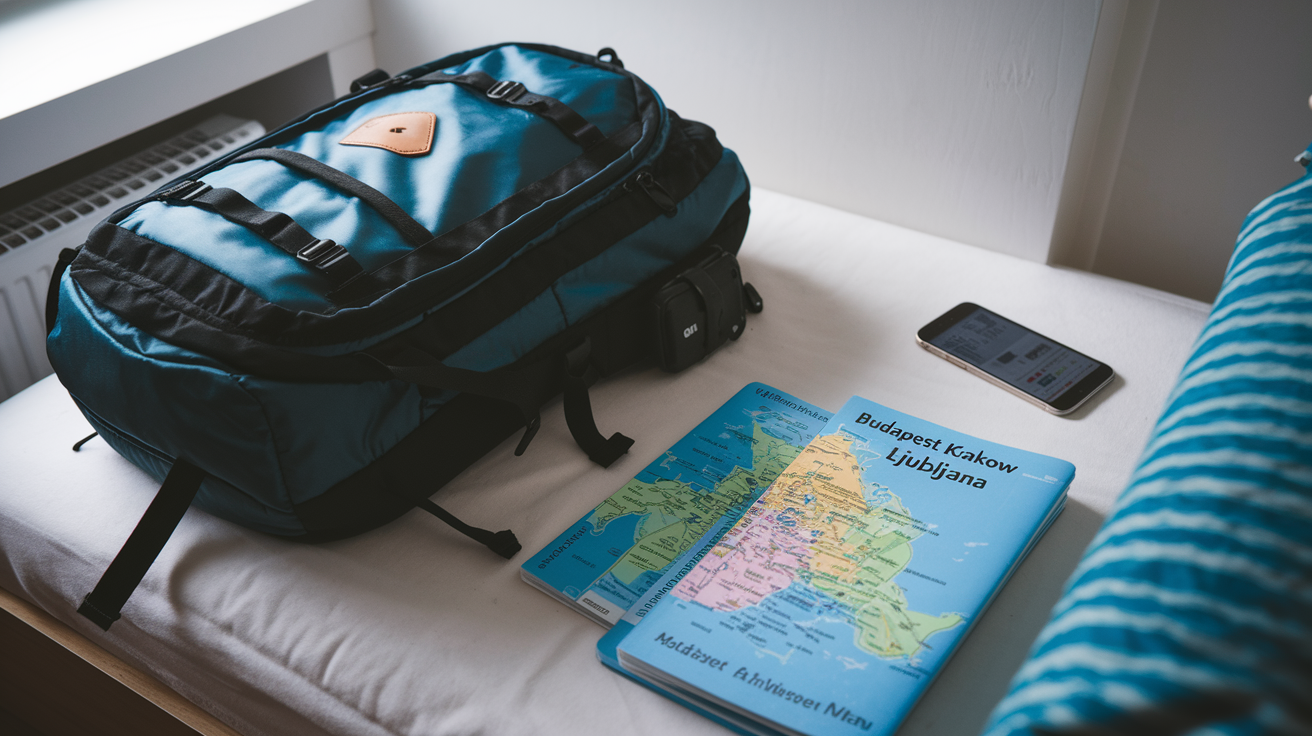

Controversial: you can do seven full days in Europe for under $1000, and it won’t feel like scraping by.
This plan sticks to Budapest, Krakow, and Ljubljana so you spend more time exploring and less on trains or flights.
Use overnight buses, hostels with kitchens, and a few smart choices for food and sights, and the numbers actually work: about $350 to $450 for a shoulder-season flight and roughly $550 on the ground.
Follow the step-by-step itinerary below and you’ll have a relaxed, budget-friendly week that still feels like Europe.
Full 7-Day Europe Budget Plan Delivering a Complete Under-$1000 Itinerary

You can actually do seven days in Europe for under $1000 if you pick the right cities, take buses instead of trains, and stay in hostels with kitchens. The route that makes this work? Budapest to Krakow to Ljubljana. Three capitals where your money goes furthest and transit stays dirt cheap.
This plan assumes you’re flying into Budapest or you’re already somewhere in Europe. If you need a transatlantic flight, book shoulder season (April through May or September through October) for around $350 to $450 roundtrip. That leaves $550 to $650 for the week on the ground. The breakdown below totals about $551, so you’ve got cushion even with airfare.
Quick thing to remember: every city you add eats roughly half a day in packing, moving, and checking in. On seven days you’re really getting six full sightseeing days. This route keeps you moving without burning you out. Two overnight bus or train segments, each under five hours, and the rest of your time free to explore.
Why this route works: Budapest, Krakow, and Ljubljana are some of Europe’s cheapest capitals. Hostel beds run $20 to $30 per night, street food and market meals cost $3 to $8, and the biggest draws (thermal baths, old town walks, castle grounds) charge very little or nothing at all.
Day 1 to 3: Budapest (3 nights)
Walk the Danube embankment. Cross the Chain Bridge on foot. Explore Buda Castle’s exterior courtyards for free. Spend an afternoon at one of the public thermal baths. Budget entry starts around $10 to $15. Grab a 72 hour public transport pass or just walk most routes in the compact center. Stay in a hostel with a kitchen and cook two dinners from the Great Market Hall to keep food costs under $15 per day.
Day 4: Travel to Krakow (overnight bus or morning train, around $20 to $35)
Book FlixBus or Megabus. Travel time is typically seven to nine hours, so an overnight bus saves one night of accommodation and gets you into Krakow by morning.
Day 5 to 6: Krakow (2 nights)
Krakow’s Old Town is a UNESCO site you can tour entirely on foot. Join a free walking tour on Day 5 (tip what you can), then spend Day 6 visiting Wawel Castle (modest entry fee) or taking a short bus to the Wieliczka Salt Mine (budget around $25 if you go). Eat at milk bars, traditional Polish cafeterias where a full meal costs $4 to $7.
Day 7: Travel to Ljubljana and explore (1 night)
Morning bus or train from Krakow to Ljubljana runs $30 to $50 and takes eight to ten hours. Arrive by early evening, drop your bag, and walk Tivoli Park or stroll the Ljubljanica River. Ljubljana Castle has a small entry fee (around $10) or you can hike up for free and pay only to enter the tower and exhibits.
Budget-Friendly Route Options for a 7-Day Europe Under-$1000 Plan
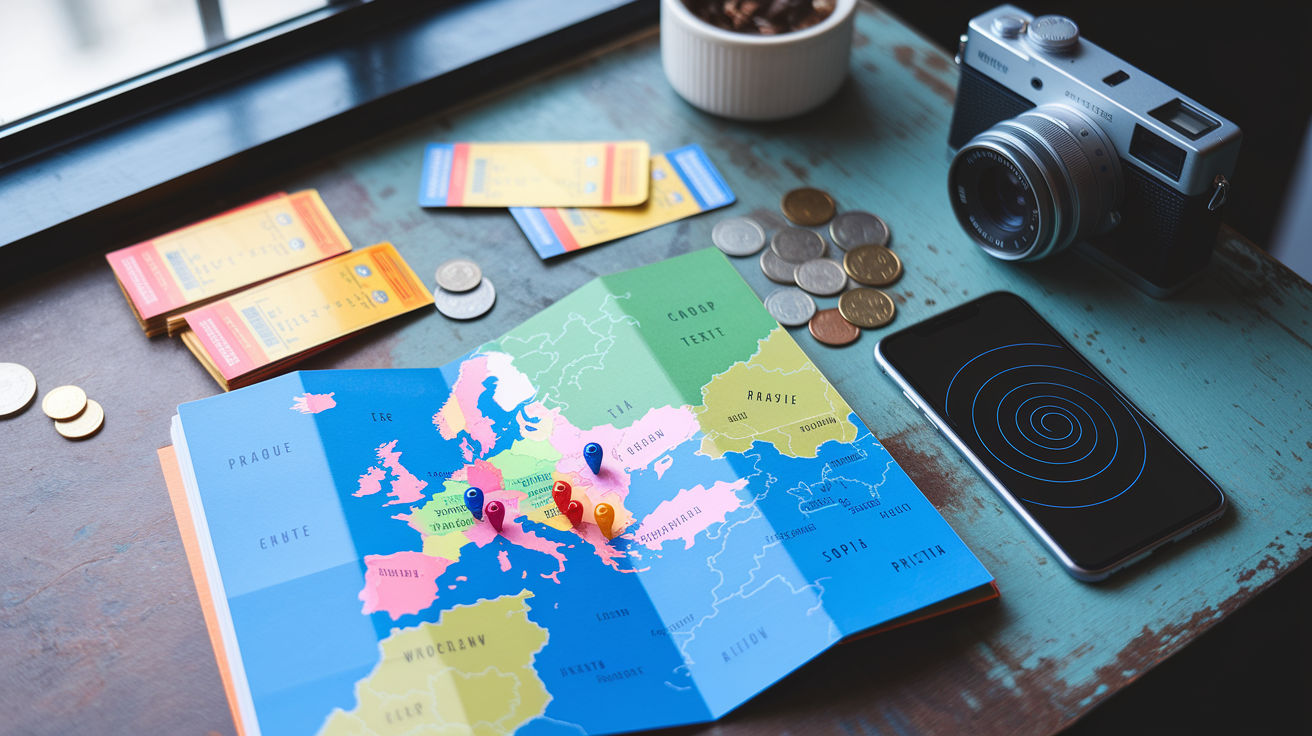
Staying under budget gets easier when cities sit close together. Transit segments of two to five hours cost less, waste less time, and let you skip expensive flights. Proximity also keeps you in regions with similar price levels, so your daily food and lodging costs stay predictable.
A Prague to Krakow to Wroclaw loop keeps you in Central Europe where buses between cities run $10 to $25 and hostel beds stay in the $15 to $25 range. A Budapest to Bratislava to Vienna triangle gives you three capitals within 90 minutes of each other by bus or train. Perfect if you want a mix of affordability (Budapest and Bratislava) with one higher cost stop (Vienna) that you can afford because you’ve saved everywhere else.
If you’d rather skip the packing and moving routine entirely, plant yourself in a single budget friendly city for the full week. Porto, Sofia, or even Budapest offer enough day trip variety to fill seven days. And you’ll spend exactly zero dollars on intercity transport.
Eastern Europe triangle: Prague to Krakow to Wroclaw. Three historic cities, frequent bus connections under $25 per segment, strong English in tourist zones, and excellent beer and food scenes on a tight budget.
Balkans express: Sofia to Skopje to Pristina. Rare for Western itineraries but incredibly cheap. Expect hostel beds around $10 to $15 per night and meals for $5 to $10, with buses connecting all three for under $20 total.
Iberian duo: Lisbon to Porto (or reverse). Stick to Portugal, use the intercity train ($25 to $35 if booked ahead), and enjoy beaches, pastel de nata, and port wine on a fraction of what you’d spend in France or Switzerland.
Choosing Budget Accommodation for Your 7-Day Under-$1000 Europe Itinerary
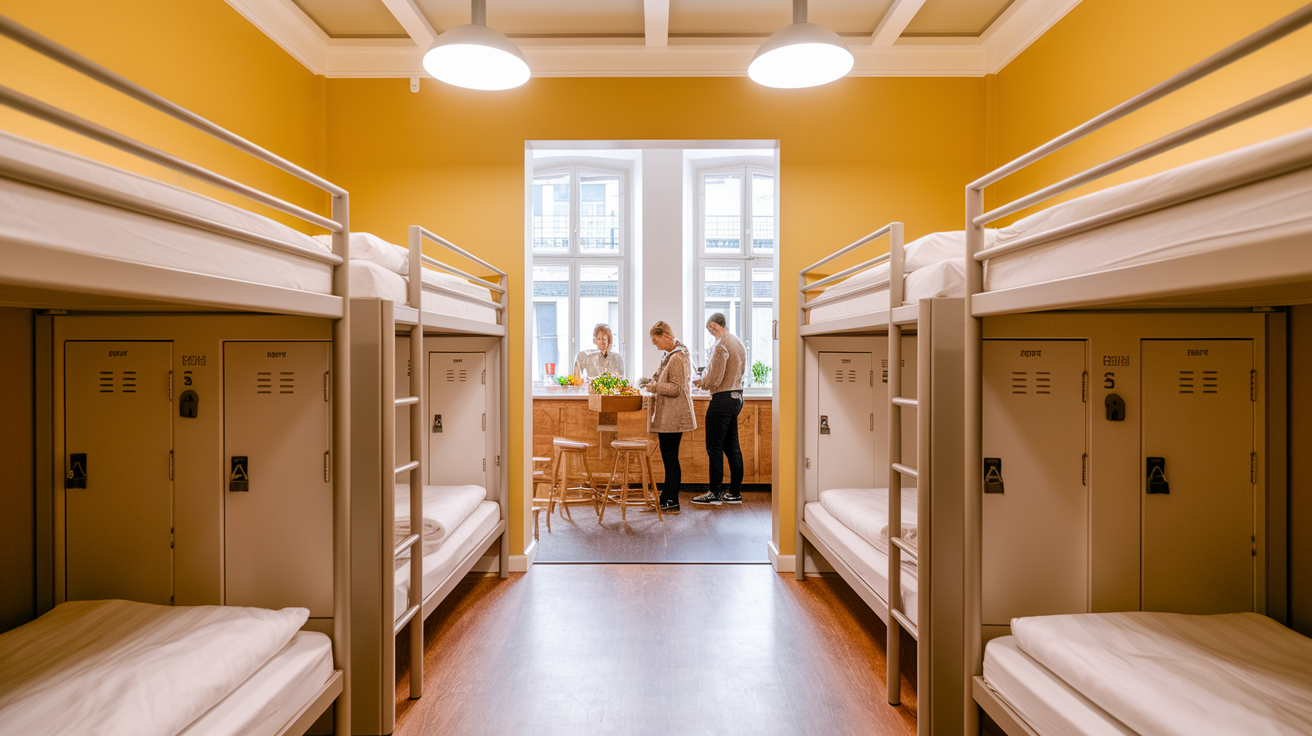
Your lodging choice makes or breaks the budget. Dorm beds in hostels run $10 to $35 per night depending on the city and season, but you’ll stay closer to $20 to $30 in Budapest, Krakow, Sofia, and Ljubljana if you book a few weeks out. Budget hotels or guesthouses with private rooms cost $40 to $70 per night in cheaper destinations. Can work if you’re splitting with a travel partner, but solo travelers should default to hostels to preserve the margin.
Airbnb private rooms sit somewhere in between. In residential neighborhoods away from the old town you can sometimes snag a clean room with a local host for $25 to $40 per night. Read recent reviews carefully and filter by neighborhoods with good public transport links. The wild card is whether the place has a kitchen. Access to a stove and fridge can cut your food cost in half, turning a $25 per night hostel into a $20 per night hostel plus $10 saved on meals each day.
Location also drives hidden costs. A hostel 20 minutes outside the center might save you $5 per night but cost you $4 per day in extra metro or bus fares and eat into your sightseeing time. Aim for walkable zones or neighborhoods one stop from the main train station.
| Type | Typical Nightly Cost | Ideal Cities | Pros |
|---|---|---|---|
| Hostel dorm bed | $10 to $35 | Budapest, Krakow, Porto, Sofia | Cheapest option; kitchens common; social vibe |
| Budget hotel/pension | $40 to $70 | Ljubljana, Bratislava, secondary cities | Private room; sometimes includes breakfast |
| Airbnb private room | $25 to $50 | Residential zones in any city | Local insight; occasional kitchen access |
| Overnight bus/train | $20 to $50 (replaces 1 night lodging) | Long routes: Budapest to Krakow, Prague to Vienna | Saves accommodation cost and a morning of transit |
Transportation Strategies That Keep Your Europe 7-Day Itinerary Under $1000

Intercity buses beat trains on price almost every time in Central and Eastern Europe. FlixBus and Megabus fares start as low as $10 if you book three to four weeks ahead, and even last minute tickets rarely top $50 for routes under six hours. A FlixBus from Budapest to Krakow costs around $20 to $35, takes seven to nine hours, and if you choose the overnight departure you knock out one night of accommodation and wake up in a new city.
Trains work best when booked early and when speed matters more than cost. Regional passes sound appealing but rarely pencil out for budget itineraries covering multiple countries in one week. Instead, compare individual point to point tickets on Omio or the national rail apps (SBB for Switzerland, DB for Germany, Trenitalia for Italy). BlaBlaCar rideshares can undercut both buses and trains on longer routes, with fares often 20 to 40 percent cheaper, though schedules are less predictable.
Switch to low cost airlines only when the distance exceeds eight hours by bus and flight time drops it to under two. A Krakow to Lisbon bus is miserable. A Ryanair or Wizz Air flight booked a month out might cost $30 to $60 including one small carry on, saving you a full day of travel. Just watch for add on fees. Print your boarding pass at home, pack light, and skip the paid seat selection.
Book buses and trains three to four weeks ahead to lock the lowest fares, especially for popular weekend routes.
Use overnight buses on routes longer than six hours to eliminate one night of lodging and maximize daytime sightseeing.
Compare Omio, FlixBus, and BlaBlaCar side by side for every intercity leg before committing.
Check budget airlines only for distances over 500 km where flight time plus airport hassle still beats an eight hour bus.
Pack carry on only to dodge checked bag fees and move faster through stations and airports.
Daily Food & Activities Budgeting for a 7-Day Europe Trip Under $1000
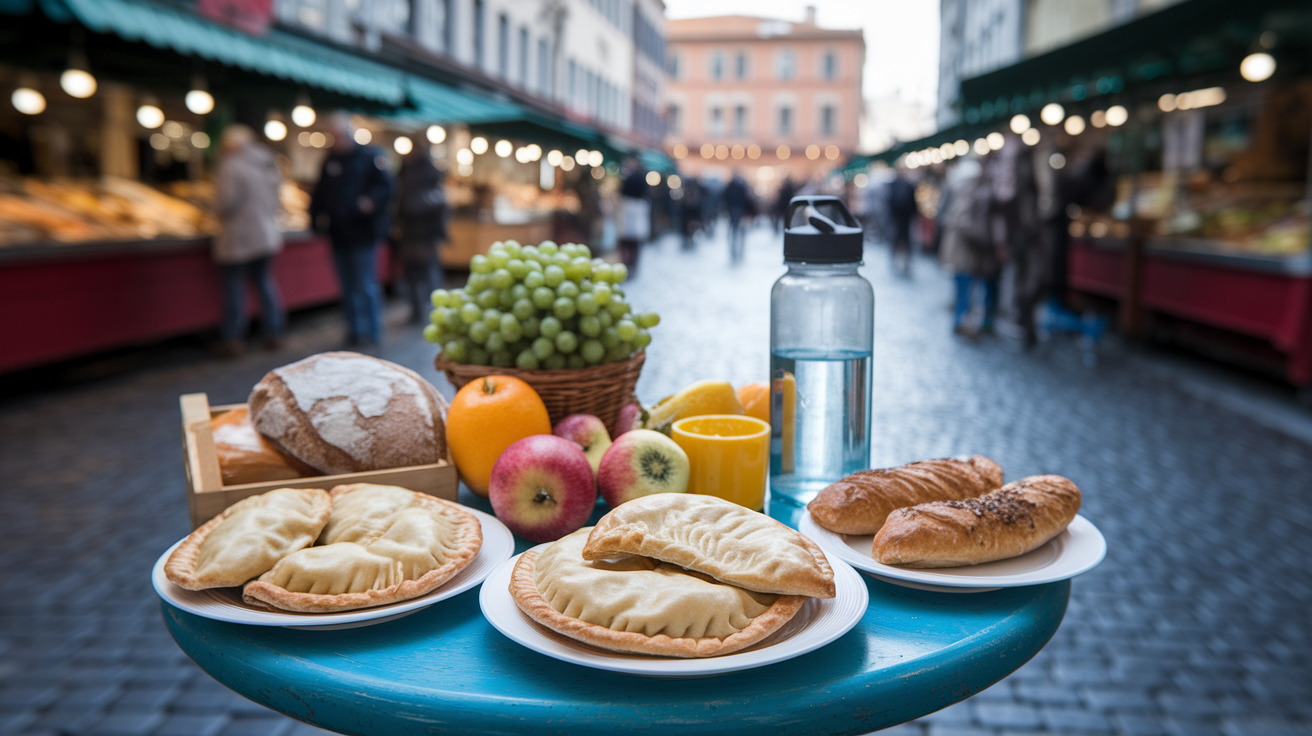
Spending $18 per day on food is realistic if you eat one market or supermarket meal, one street food lunch, and one sit down dinner at a budget spot. In Budapest, the Great Market Hall sells prepared foods and fresh produce. A full picnic lunch costs $5 to $8. In Krakow, milk bars serve traditional Polish dishes like pierogi and bigos for $4 to $7 per meal. In Ljubljana, grab a burek (meat or cheese pastry) from a local bakery for $2 to $3 and pair it with fruit from the central market.
Save sit down restaurants for one dinner every other day and choose spots a few blocks off the main square where prices drop by 30 to 50 percent. Cooking two dinners per week in a hostel kitchen brings your weekly food total down to around $126, leaving room to splurge on a nicer meal or a local beer without blowing the budget.
Free and low cost activities fill most of your days. Join donation based walking tours (tip $5 to $10 at the end) to get oriented and hear local stories. Spend afternoons in large public parks. Tivoli Park in Ljubljana, Planty Park encircling Krakow’s Old Town, Margaret Island in Budapest. Many museums offer free admission one evening per week. Check schedules online before you arrive and plan your route around them.
Buy groceries for breakfast and pack snacks from supermarkets to avoid overpriced convenience stores near tourist sites.
Eat your main meal at lunch when many restaurants offer cheaper set menus than they do at dinner.
Drink tap water and refill a reusable bottle throughout the day to skip $2 to $3 bottled water markups.
Research free museum days and evening hours in each city and build your sightseeing schedule around them.
Walk instead of paying for short public transport hops when the distance is under 20 minutes. You’ll see more and save $2 to $4 per day.
Look for city walking routes and self guided tours available as free PDFs or blog posts rather than paying for hop on hop off buses.
Cost Breakdown Framework for a 7-Day Europe Under-$1000 Budget
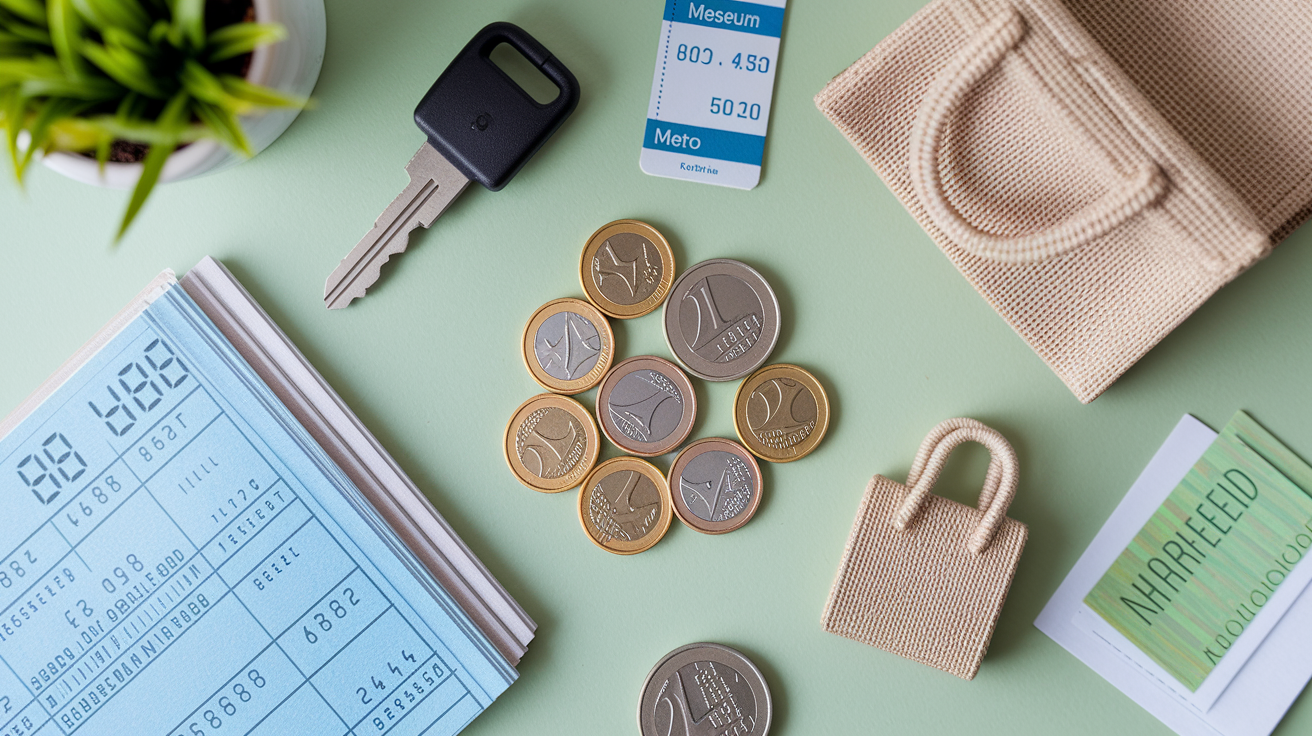
A clear spending framework keeps you honest and prevents midweek budget panic. The model below assumes hostel dorms, intercity buses, market meals, and a realistic activity load. Add or subtract based on whether you upgrade a private room one night or skip a paid museum.
The largest line item is always accommodation, followed by food and intercity transport. Local metro and tram costs stay low if you walk whenever possible and buy day passes only when you’re making four or more trips. Activities and entrance fees average around $10 per day because most of your itinerary leans on free attractions, with one or two paid experiences (thermal baths, a castle, a guided tour) sprinkled across the week.
| Category | Estimated Cost | Notes |
|---|---|---|
| Accommodation (7 nights) | $175 | Hostel dorm average $25/night; book early for best rates |
| Intercity transport (3 segments) | $95 | FlixBus/Megabus/BlaBlaCar; includes 1 overnight bus |
| Local transport | $35 | $5/day average; walking reduces this significantly |
| Food (7 days) | $126 | $18/day; mix of market meals, street food, 1 to 2 sit down lunches |
| Activities & contingency | $120 | $10/day activities plus $50 buffer for surprises |
| Total | $551 | Leaves $449 for flight if including transatlantic airfare |
Smart Planning & Booking Tactics for a 7-Day Europe Budget Trip

Book your flights three to six months ahead if you’re crossing the Atlantic, and aim for shoulder season departures in April, May, September, or early October when roundtrip fares from North America to Europe drop into the $350 to $450 range. Use Skyscanner and Google Flights to compare dates. Shifting your departure by two or three days can save $100 or more. If you’re already in Europe, skip this line item entirely and reallocate that $400 toward nicer accommodation or additional cities.
Hostel and bus inventory moves fast in popular cities during summer and around holidays, so lock both at least three weeks out. Hostelworld and Booking.com show real time availability and let you filter by price, location, and guest reviews. For intercity transport, compare FlixBus, Omio, and BlaBlaCar on the same routes. Prices fluctuate daily and booking early always wins. Trains require even longer lead time if you want advance purchase discounts. Some national operators release cheap fares up to 90 days ahead.
Flexible travel dates are your strongest negotiating tool. Midweek departures cost less than Friday or Sunday travel, and shoulder season weekdays offer the deepest discounts on both flights and accommodation. If your schedule allows it, build your itinerary around the cheapest dates rather than forcing a fixed calendar.
Skyscanner and Kayak for comparing flight options across airlines and booking class bundles.
Hostelworld and Airbnb for accommodation. Sort by price and read recent reviews to avoid surprise fees.
FlixBus and Omio apps for bus and train tickets. Omio aggregates multiple carriers in one search.
BlaBlaCar for rideshare options that often beat bus fares on longer intercity routes.
Essential Packing & Money-Saving Habits for a 7-Day Europe Under-$1000 Plan
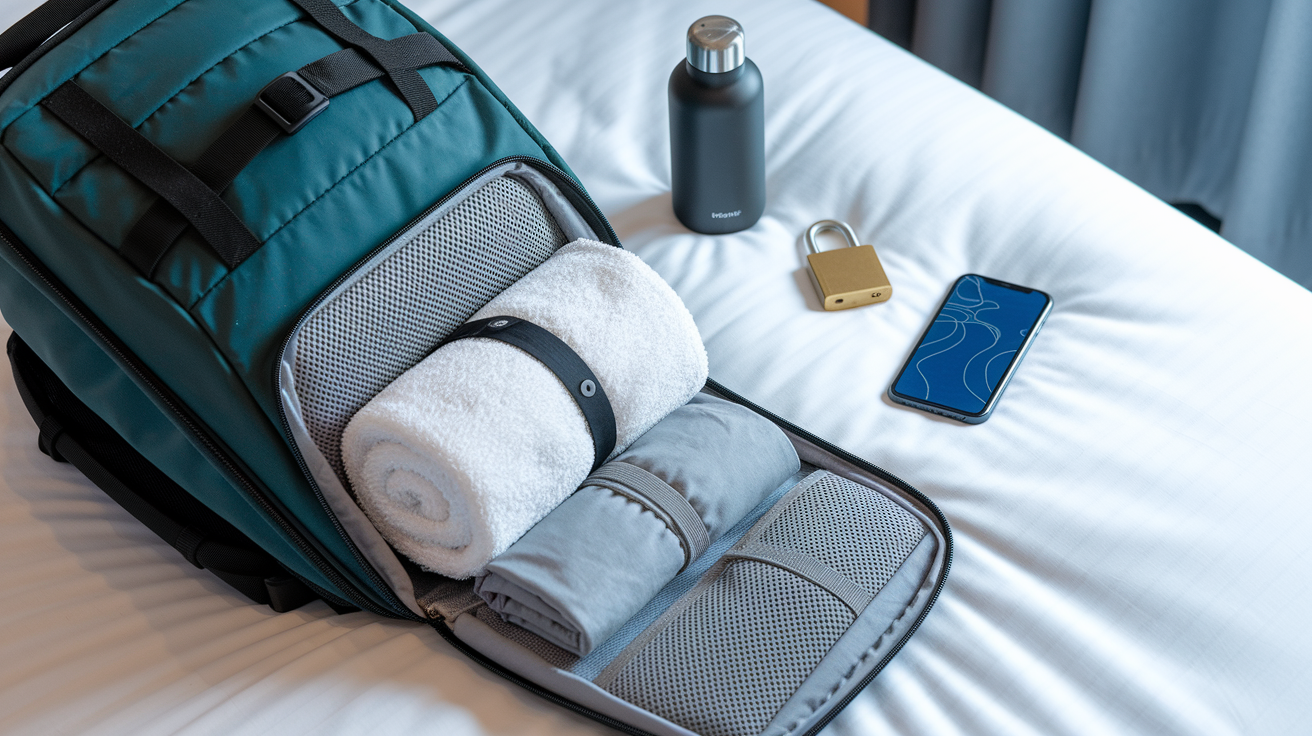
Pack only what fits in a carry on backpack or small roller to dodge checked bag fees on budget airlines and move faster through train stations. Seven days fits easily into 40 liters if you plan one outfit per climate layer and wash socks and underwear in hostel sinks every few nights. Bring a microfiber towel, a reusable water bottle, a universal adapter, and a small padlock for hostel lockers.
Use a no foreign transaction fee debit or credit card to avoid the 3 percent markup most banks charge on international purchases, and withdraw larger amounts less often to minimize ATM fees. Many European ATMs let you skip the “conversion” offer and charge in local currency, which saves another 5 to 8 percent. Walk whenever the distance is under 25 minutes. Your phone’s maps app works offline if you download the city ahead of time, and you’ll spot bakeries, parks, and photo opportunities you’d miss on a metro.
One 40 liter carry on bag to avoid airline luggage fees and simplify hostel check ins.
Microfiber quick dry towel because many hostels charge $2 to $5 to rent one.
Reusable water bottle to refill from taps and fountains instead of buying bottled water.
No FX fee credit or debit card to eliminate the 3 to 8 percent foreign transaction surcharge on every purchase.
Offline maps downloaded on your phone so you can navigate without burning mobile data or getting lost in expensive cab rides.
Final Words
Take the Budapest – Krakow – Ljubljana route and follow the day-by-day outline to keep pace without rushing. Use the sample daily plan, accept half-day travel losses, and aim for six full sightseeing days.
Stick with hostels or budget guesthouses, favor buses or night rides, and eat market meals or simple picnics. The post gave a clear cost breakdown, booking timeline tips, and packing rules so you won’t get surprised.
With these choices, this 7-day budget itinerary for Europe under $1000 proves you can travel well on a smart, relaxed budget, and actually enjoy the trip.
FAQ
Q: How much will a 7 day Europe trip cost?
A: A 7 day Europe trip will typically cost $550–$1,800 depending on route and flights: budget Eastern Europe routes can fall under $700 (if already in Europe); transatlantic trips usually add $350–$600.
Q: How much data do I need for a 7 day trip to Europe?
A: For a 7 day trip to Europe, you’ll need about 0.5–1 GB for light use, 2–5 GB for regular browsing and maps, or 5–10 GB for heavy streaming; Wi‑Fi and offline maps cut your need.
Q: Where not to go in Europe right now?
A: You should avoid places under official travel advisories, active conflict zones, recent disaster areas, or cities with major strikes or unrest; always check your government’s travel advisory and local news before booking.
Q: What is the most budget friendly country to visit in Europe?
A: The most budget friendly country to visit in Europe tends to be in Eastern Europe; Bulgaria, Poland, Hungary, Romania, and Slovakia often offer the lowest prices for food, lodging, and transport.