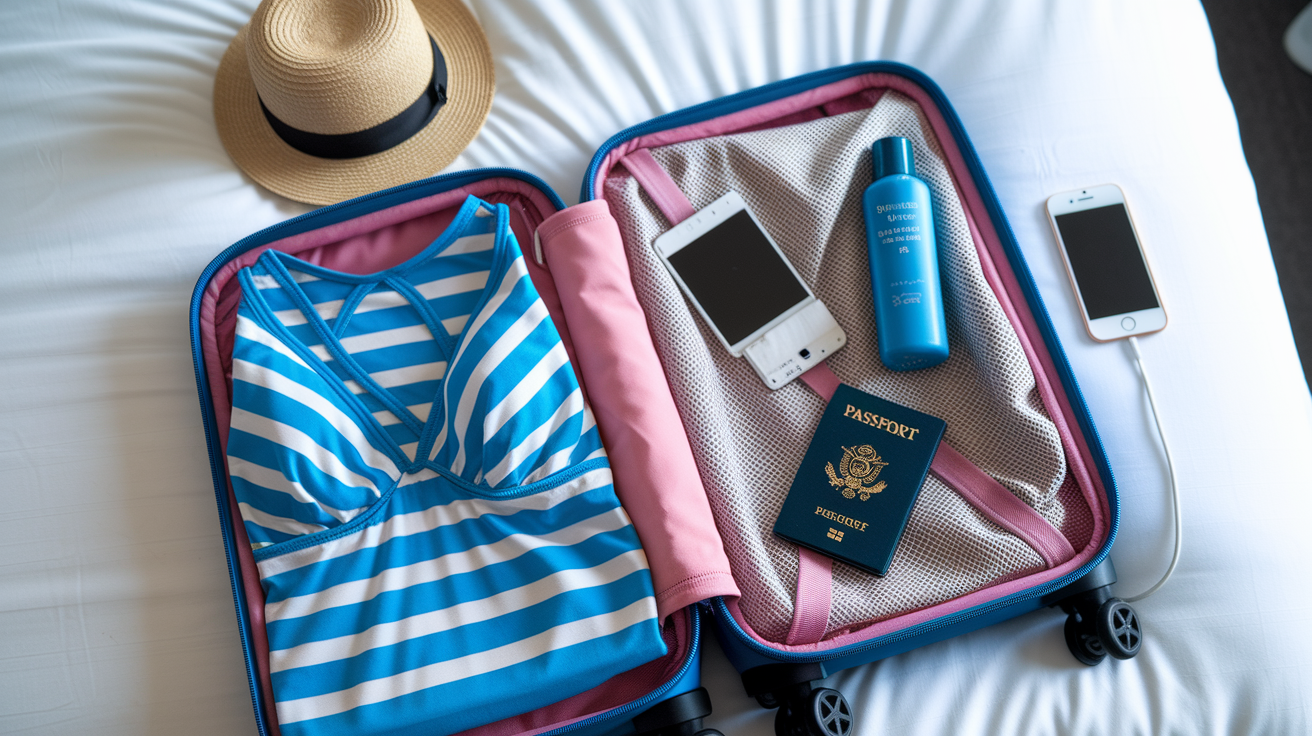

Tired of paying baggage fees and waiting at the carousel when you could be on the beach?
For tropical trips, carry-on only means choosing quick-dry clothes, reef-safe sunscreen that fits TSA liquid rules, and multiuse items that handle heat and humidity.
You’ll get a compact, practical carry-on packing list plus a clothing strategy, TSA-friendly skincare swaps, footwear picks, electronics and documents tips, and space-saving moves so you pack light without missing the essentials.
Core Carry-On Packing Essentials for Tropical Trips
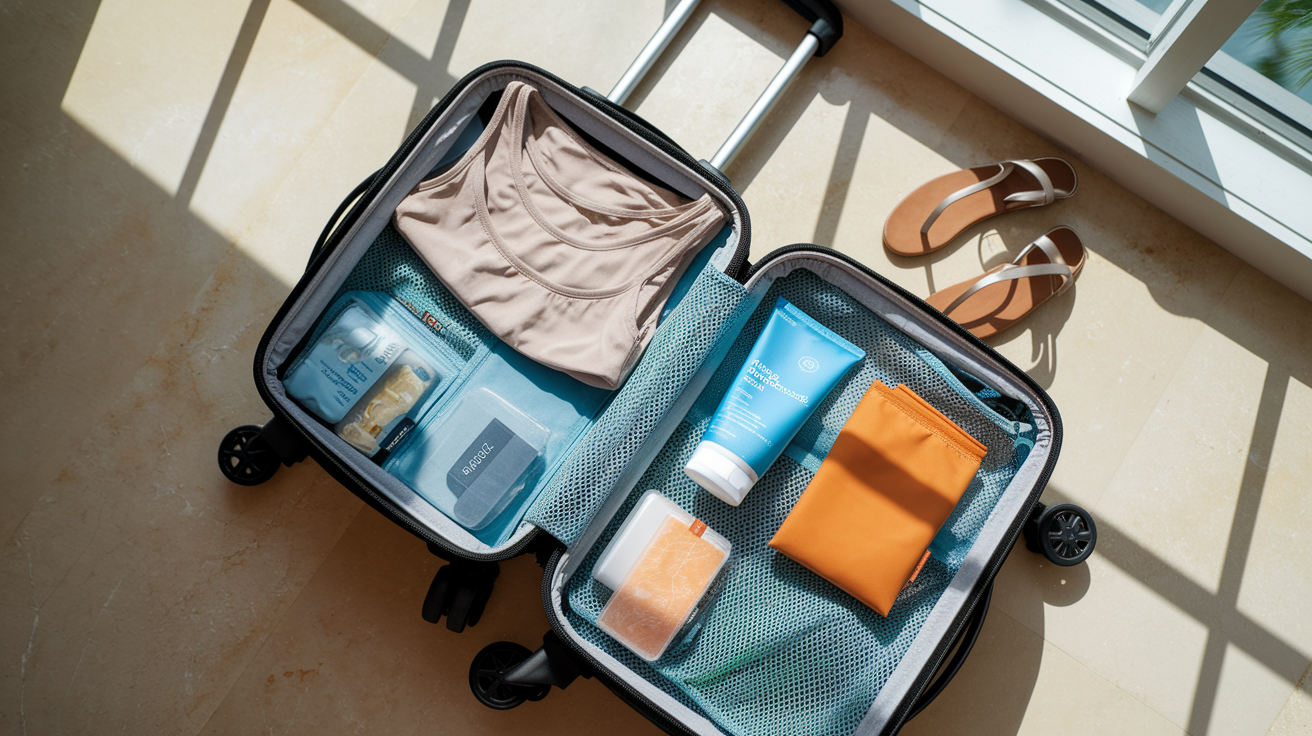
Tropical destinations ask you to balance staying cool in serious heat with protecting your skin from brutal sun, all while keeping your bag under strict airline limits. Most U.S. carriers cap carry-ons around 22 x 14 x 9 inches (56 x 36 x 23 cm). International airlines often add weight caps of 7–10 kg (15–22 lbs). The goal is picking items that pull double duty and skipping anything you won’t actually need.
Think in four buckets: breathable clothes that dry fast, toiletries that protect your skin, travel documents and confirmations, and the electronics you need to stay connected. Everything else? Optional. Go for fabrics that handle sweat and quick sink rinses, sun protection that meets reef-safe standards if you’re visiting protected waters, and versatile pieces that work from beach to dinner without a full outfit swap.
TSA liquid rules don’t bend for the tropics. Each container caps at 3.4 ounces (100 ml), and everything liquid goes in one quart-size clear bag. Your sunscreen, bug spray, shampoo, and any creams share that tiny space. Buy bigger bottles when you land or switch to solid versions wherever you can.
Core tropical carry-on checklist:
- 2 swimsuits (one drying while you wear the other)
- 3–5 breathable tops (linen, merino, or technical fabrics)
- 2–3 quick-dry bottoms (shorts, skirts, light pants)
- Reef-safe sunscreen, TSA size (3.4 oz max)
- Bug repellent wipes or mini spray
- Lightweight sandals or slip-ons
- Compact toiletries in your clear quart bag
- Travel documents folder (passport, copies, tickets, insurance)
- Waterproof pouch for phone and valuables
- Charger and small power bank (under 100 Wh)
Clothing Strategy for a Minimalist Tropical Carry-On
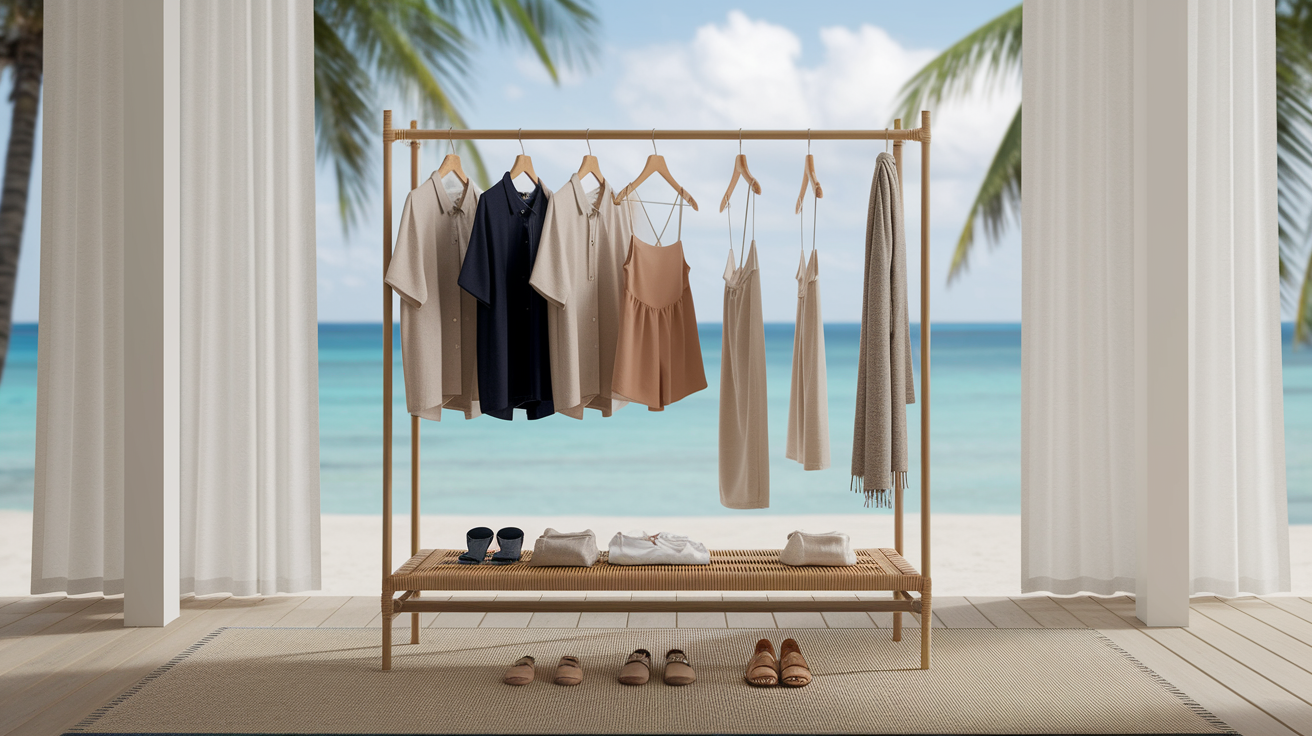
The secret to carry-on-only tropical packing is a micro capsule wardrobe built on breathable, quick-dry fabrics. Linen, merino wool, and technical synthetics handle humidity better than cotton. They dry faster after a rinse and resist smell when you wear the same thing twice. You’re targeting 10–12 clothing items total. Sounds tight, but it works when every piece styles two different ways. Pick a simple color story, usually a neutral base (white, tan, navy, black) plus one or two accent colors so everything mixes without looking weird.
Pack 3–5 lightweight tops, 2–3 bottoms, and 1–2 dresses or tunics that double as cover-ups or dinner outfits. Throw in one thin cardigan or long-sleeve layer for overly air-conditioned restaurants, ferry rides, or cooler nights. That setup gives you enough variety to feel fresh without overstuffing your bag. Go with 7 pairs of underwear if you’ll hand-wash partway through, or up to 10 if you’d rather skip laundry. Bring 3–4 pairs of socks if you’re packing walking shoes. Skip them if you’re living in sandals. One set of lightweight sleepwear finishes the list. Quick-dry fabrics mean you can rinse a shirt in the sink after a sweaty afternoon, hang it overnight, and pack it dry in the morning.
Mix-and-Match Outfit Formula
Start with two pairs of shorts or one skirt and one pair of light pants. Rotate them with your tops for different day looks. A tunic-length dress works as a beach cover-up, a standalone outfit with sandals, or a top layered over shorts. Dress the same base pieces up for dinner by swapping flip-flops for nicer sandals and adding simple jewelry or a scarf. If you pack one “nicer” outfit (a linen button-down or casual sundress that isn’t beachwear), you’re covered for any restaurant or event without carrying separates you’ll wear once. The cardigan layers over everything when you go from hot sun into freezing AC. It doubles as a plane blanket or rolled-up lumbar pillow.
Toiletries and TSA-Friendly Tropical Skincare Packing
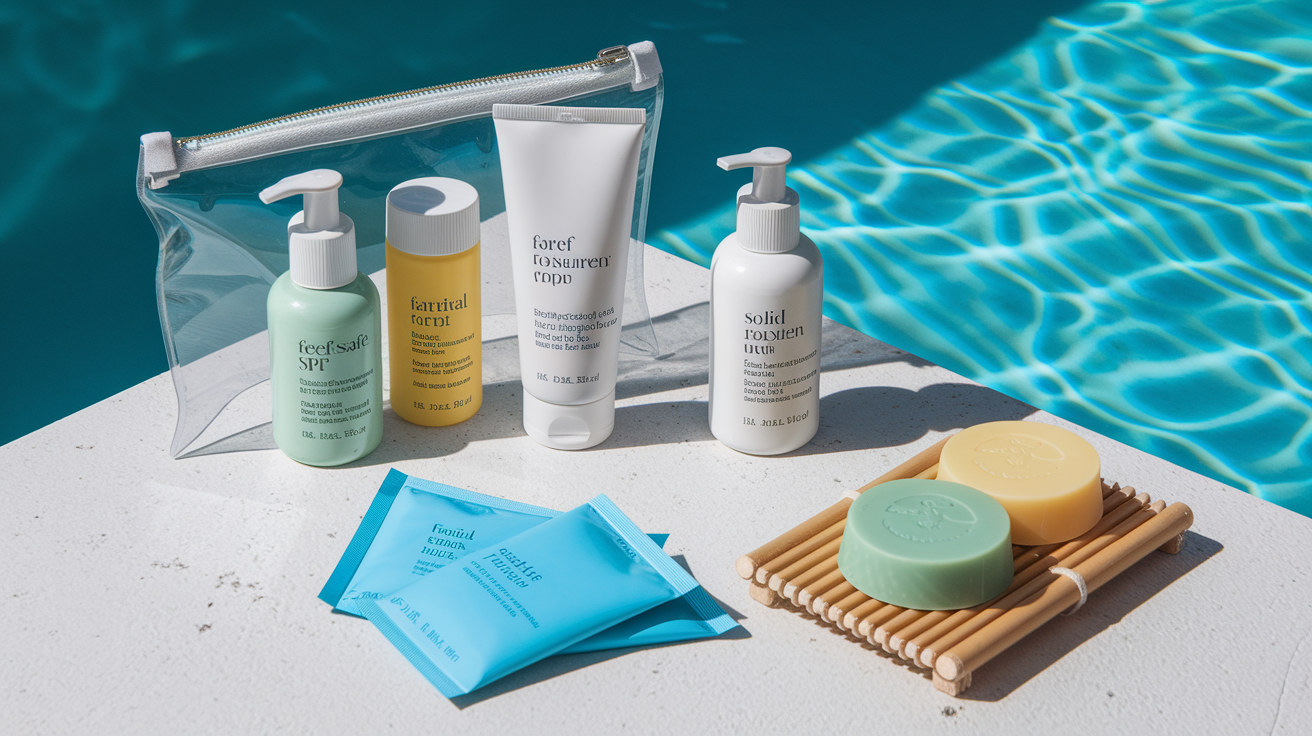
Liquids are the tightest squeeze in a carry-on tropical kit. TSA allows one quart-size clear bag, each container 3.4 ounces (100 ml) or smaller. Sunscreen is non-negotiable in the tropics, but a full-size bottle won’t fit. Buy a travel-size reef-safe formula before you leave, then grab a bigger bottle once you land if you’re staying more than a few days. Reef-safe matters in many tropical marine parks where chemical sunscreens get banned. Look for mineral-based options with zinc oxide or titanium dioxide.
Switch to solid versions wherever possible to free up liquid space. Solid shampoo bars, conditioner bars, and bar soap take almost no room and last longer than you’d think. Deodorant sticks are solid and TSA-compliant. For bug repellent, pack pre-moistened wipes or a tiny pump spray under 3.4 ounces. Wipes don’t count toward your liquid limit and work just as well for quick application before hikes or evening walks.
Must-have tropical toiletries (TSA-compliant):
- Reef-safe sunscreen, 3.4 oz or smaller (buy larger at destination)
- Solid shampoo and conditioner bars
- Bug repellent wipes or small spray (3.4 oz max)
- Travel toothpaste and solid or small liquid deodorant
- Facial moisturizer with SPF in a small container
- Aloe vera gel or after-sun lotion (3.4 oz or less, or buy locally)
Footwear and Accessory Choices for Hot, Humid Destinations
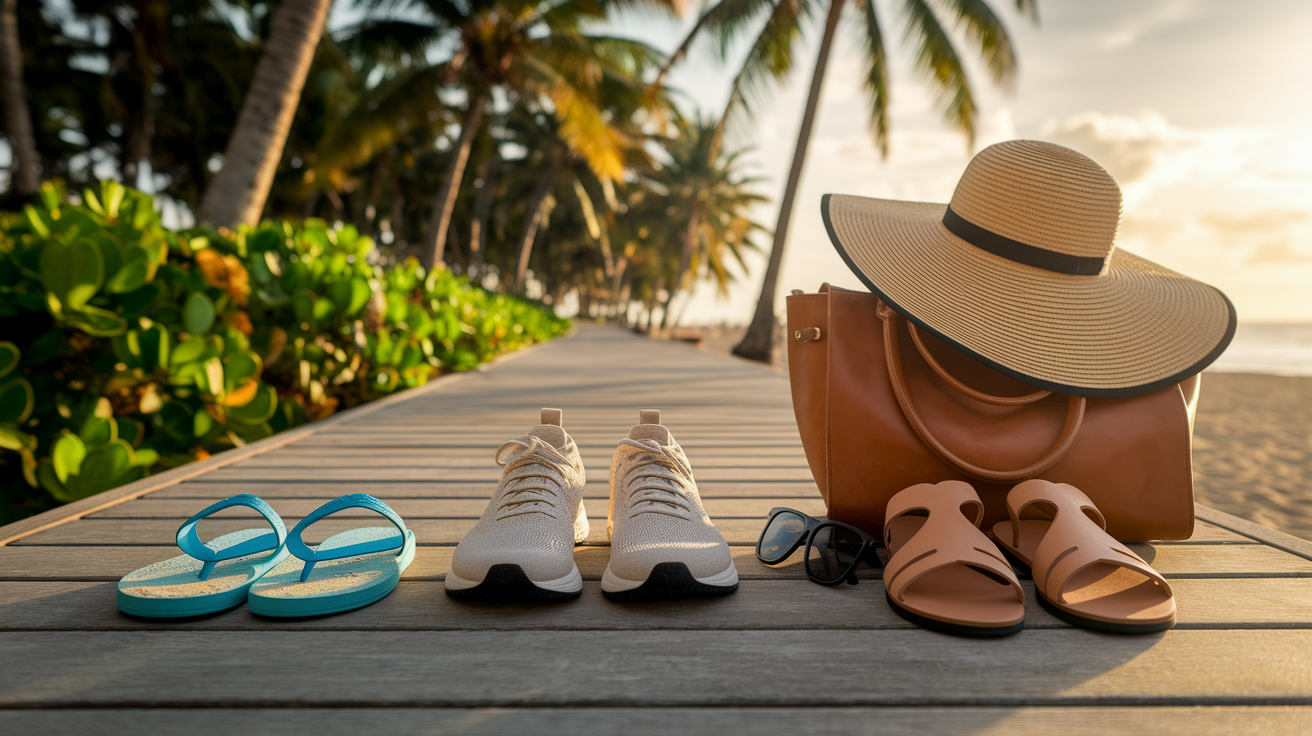
Shoes eat carry-on space fast, so cap yourself at three pairs and wear the bulkiest on the plane. Pack one pair of lightweight sandals or flip-flops for beach and casual daytime walking, one pair of supportive walking shoes or runners if you’ll be hiking or covering long distances, and optionally one pair of dressier sandals if you want a nicer dinner option. In many tropical resort towns, casual sandals work everywhere. The third pair is truly optional. Choose breathable materials and skip heavy boots or closed-toe shoes unless your plans specifically require them.
Sun protection accessories matter as much as clothing in the tropics. A wide-brim hat shields your face and neck during midday heat, folds flat in your bag, and prevents sunburn better than any amount of SPF. Sunglasses with UV protection are essential for eye comfort and long-term health. If you’re island-hopping or doing water activities, bring a lightweight cross-body bag or small backpack for daily outings. It should be compact enough to fit inside your carry-on when you’re not using it.
Core tropical accessories:
- Wide-brim sun hat (foldable or crushable style)
- UV-protection sunglasses
- Lightweight day tote or small backpack
- Simple jewelry or scarf for dressing up base outfits
Electronics, Travel Documents, and On-the-Go Organization
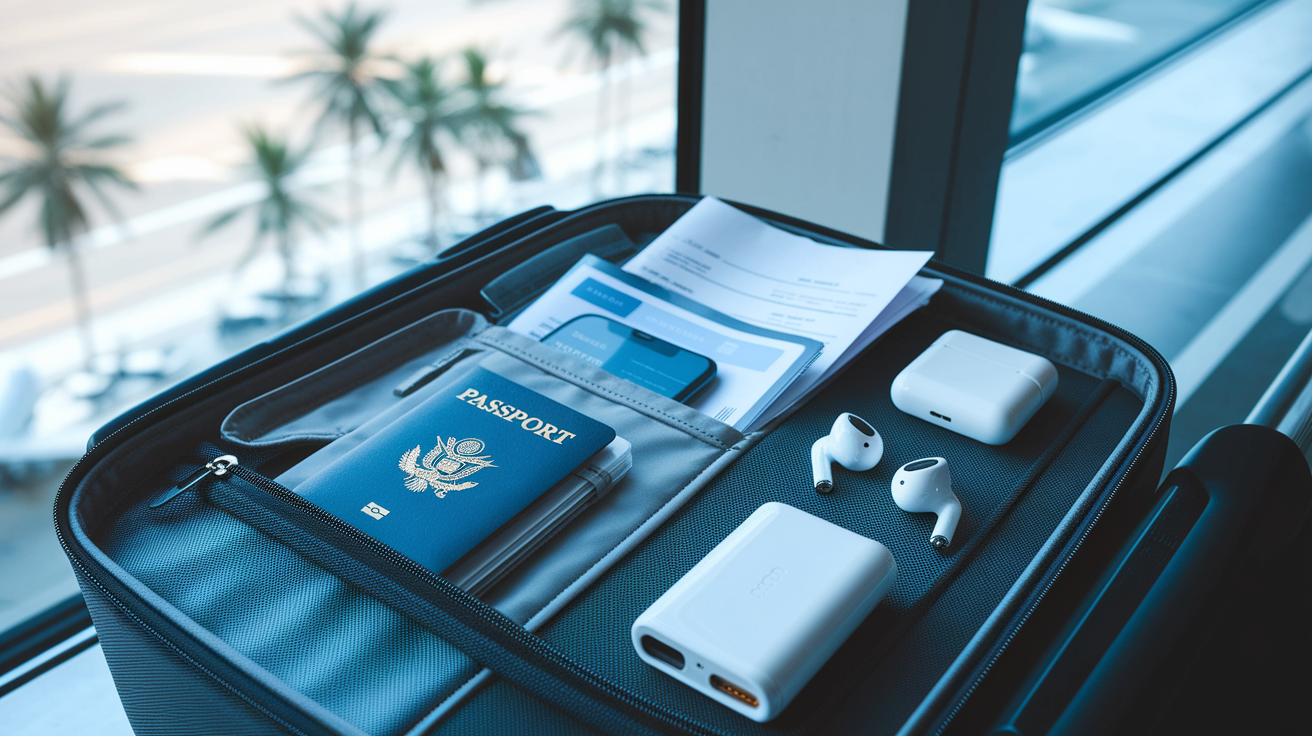
Keep your documents and critical electronics in one easy-access spot, usually a sleeve or pocket at the front of your carry-on or inside your personal item. Your passport, printed or mobile boarding passes, travel insurance details, and accommodation confirmations should live together in a small folder or document pouch. Make two photocopies of your passport photo page and any visas. Store one set separately from your passport. Consider keeping digital copies in a password-protected cloud folder or email draft you can access from any device.
For electronics, pack your phone, charger, headphones, and a small power bank. Power banks must travel in your carry-on and need to be under 100 watt-hours (Wh) to fly without approval. Most standard phone power banks fall well below that limit. Bring a universal plug adapter if your destination uses different outlets. Download offline maps, entertainment, and travel apps before your flight. If you’re bringing a camera, keep it and its charger in your personal item for quick access and protection from overhead bin chaos.
| Item | Purpose | Carry-On Requirement |
|---|---|---|
| Passport + 2 copies | Entry, identification, emergency backup | Must be in carry-on; never check |
| Phone + charger | Communication, maps, boarding passes | Carry-on; keep charger accessible |
| Power bank | Backup charging on long days | Carry-on only; <100 Wh unrestricted |
| Travel insurance printout | Medical/trip coverage proof | Recommended in document folder |
| Headphones/earbuds | In-flight entertainment, calls | Personal item for easy reach |
Smart Space-Saving Tactics for Carry-On Tropical Packing
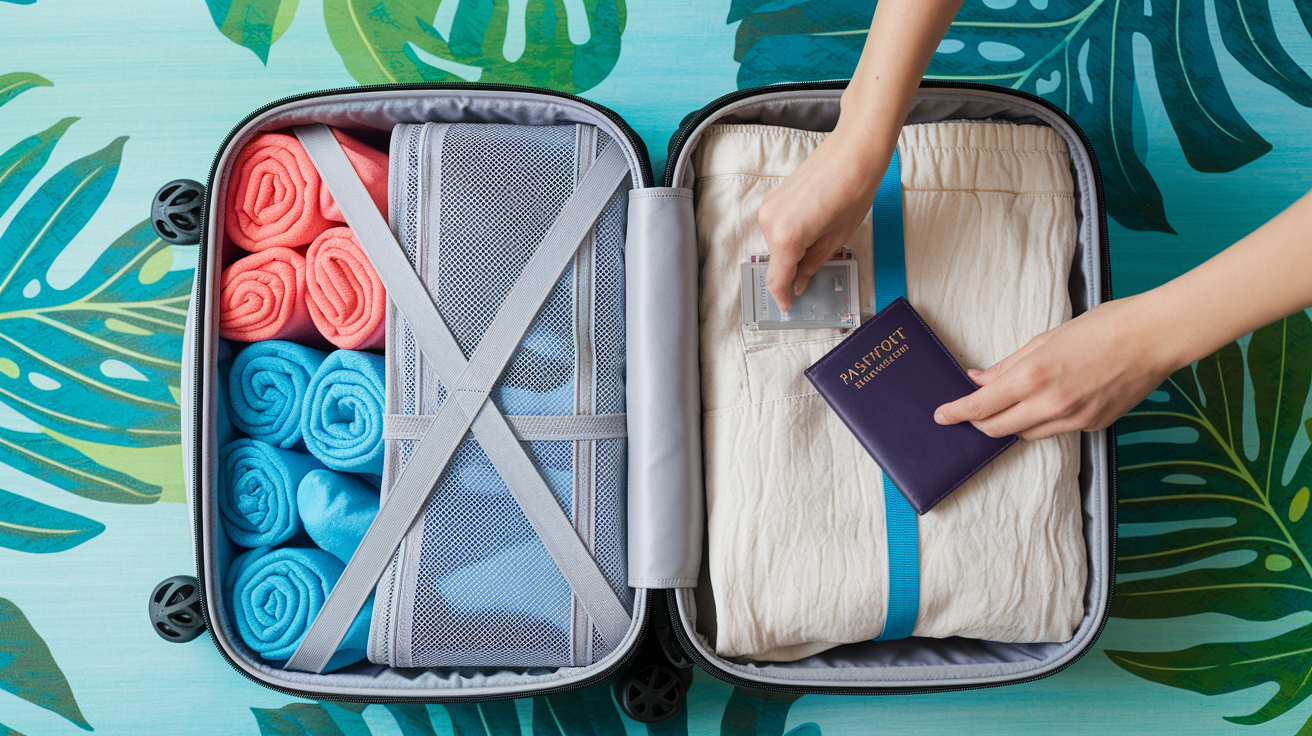
Rolling your clothes instead of folding them saves space and cuts down on creasing, especially with lightweight tropical fabrics. Roll T-shirts, tank tops, shorts, and swimwear tightly, then pack them around the edges and corners of your bag. Fold heavier items like linen pants or a cardigan into flat squares and stack them in the middle. Compression packing cubes let you squeeze more into the same space and keep similar items together, making it easier to find what you need without unpacking everything.
Wear your bulkiest items on the plane. If you’re bringing walking shoes or sneakers, wear them during travel and pack only sandals and any optional dressier pair. Layer your cardigan or light jacket on the flight even if you don’t need it, saving precious bag space. Tuck socks and underwear inside your shoes. Use every gap. Place your quart-size toiletry bag on top of your packed clothes so it’s easy to pull out during security screening.
Tight packing workflow in five steps:
- Lay out everything on your bed and remove one item (you probably don’t need it).
- Roll soft, wrinkle-resistant clothes. Fold structured or heavier pieces into squares.
- Place shoes heel-to-toe in bottom corners. Stuff socks, chargers, or small items inside.
- Stack folded squares in the center, surround with rolled items, fill gaps with swimwear or underwear.
- Put toiletry bag and documents on top. Zip and don’t add anything else.
Laundry, Clothing Care, and Re-Wear Routines in Tropical Environments
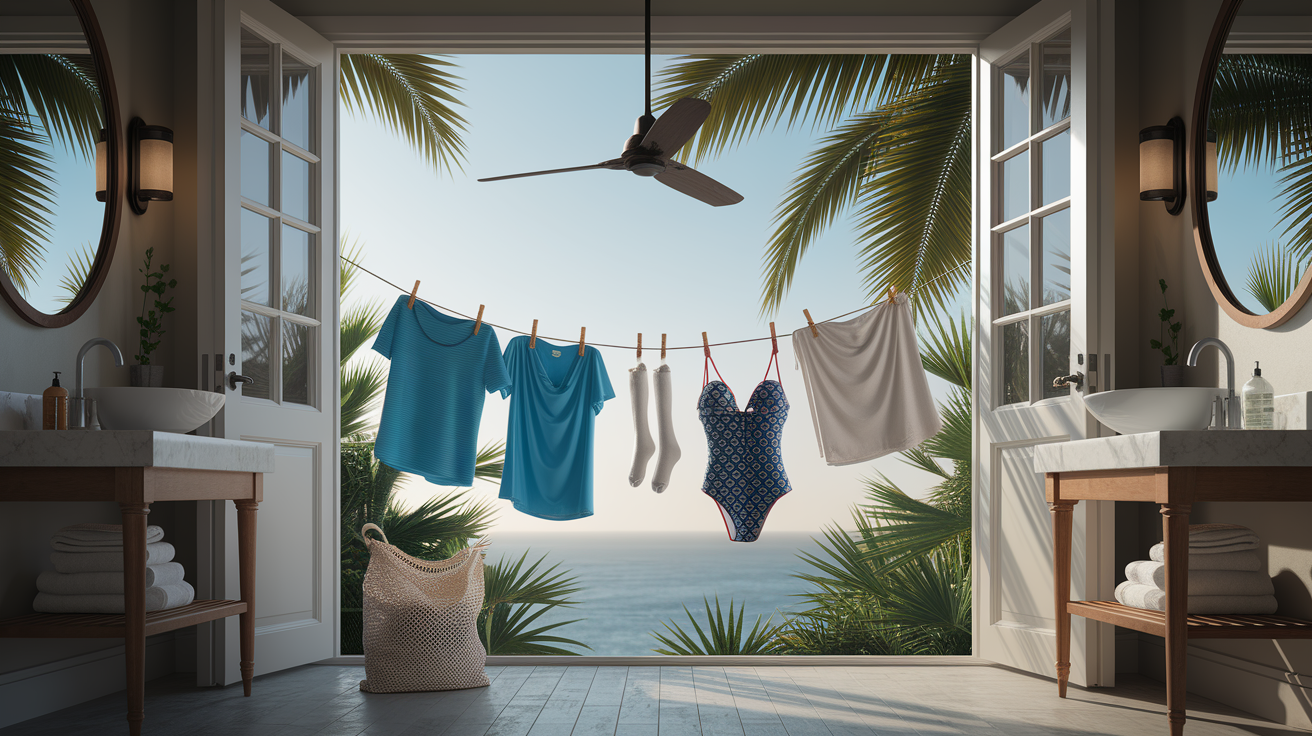
Humidity and sweat are part of tropical travel, which means your clothes need refreshing more often than they would in cooler climates. Quick-dry fabrics made for active or outdoor use handle this best. They rinse clean in a hotel sink, release odors faster, and dry overnight even in humid conditions. Plan to do a small hand-wash every five to seven days if you’re on a longer trip, or after sweaty activities like hiking or long beach days.
Pack a few individual laundry detergent sheets or a small container of concentrated liquid soap. Rinse items in the sink with cool water, wring them out gently, and hang them in a well-ventilated spot. Skip direct sun on delicate fabrics. A portable travel clothesline with clips or suction cups works in most hotel bathrooms. If your place has air conditioning, hang clothes near the unit for faster drying. For items you plan to re-wear without washing, air them out fully between uses and rotate pieces so nothing gets worn two days in a row.
Humid-climate clothing care tips:
- Choose moisture-wicking or merino fabrics that resist odor buildup
- Rinse swimsuits in fresh water after each use to remove salt and chlorine
- Hang damp items separately. Don’t leave wet clothes balled up in your bag
- Bring one small mesh laundry bag to keep worn items separate from clean ones
Adventure, Water Activities, and Daypack Essentials for the Tropics
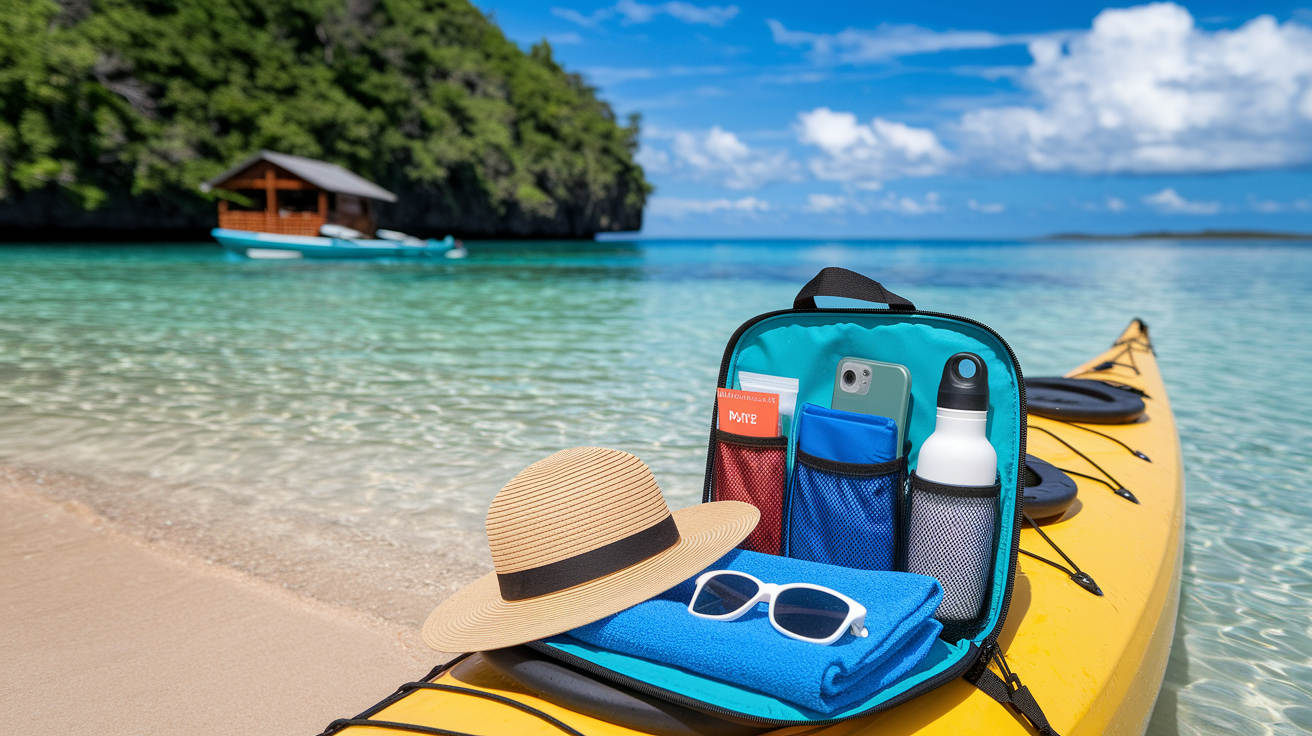
If your trip includes snorkeling, kayaking, hiking, or other active stuff, resist the urge to pack full gear. Most tropical spots rent quality snorkel masks, fins, and life jackets at reasonable rates. Rental equipment is often better maintained than what you’d squeeze into a carry-on. Instead, bring only the small essentials that make those activities more comfortable: a quick-dry towel, reef-safe sunscreen you’ve already packed, and a way to protect your phone and wallet near water.
A compact daypack or lightweight drawstring bag becomes your go-to for daily outings. It should hold a reusable water bottle, your sunscreen, a hat, a small first-aid kit with bandages and any personal medications, and a dry bag or waterproof pouch for electronics. If you’re planning serious hikes, check whether your walking shoes have enough tread and support. For casual nature walks and beach trails, supportive sandals with straps often work fine and save packing a second pair of closed-toe shoes.
Active-trip carry-on extras:
- Lightweight, quick-dry microfiber towel (beach and post-swim use)
- Small waterproof pouch or zip-lock bag for phone, ID, and cash
- Reusable water bottle (empty through security, refill after)
- Basic first-aid kit: bandages, blister treatment, any prescription meds
- Compact daypack that stuffs flat inside your main carry-on when not in use
Pack light and smart: choose breathable clothes, reef-safe sunscreen, and TSA-sized toiletries so you stay cool, protected, and within carry-on limits.
This guide walks through core essentials, a mix-and-match wardrobe, toiletries and TSA rules, footwear and accessories, electronics and documents, packing hacks, laundry tips, and what to rent versus bring.
Treat the carry-on only packing list for tropical trips as your checklist: one bag, smart swaps, and short laundry cycles make a week of sun feel effortless. Enjoy every warm minute.
FAQ
Q: What is the 5 4 3 2 1 packing trick?
A: The 5 4 3 2 1 packing trick is a simple clothing-count method: pack 5 tops, 4 bottoms, 3 layers or dresses, 2 pairs of shoes, and 1 jacket to keep variety but stay light.
Q: What is the 3 5 7 rule for packing? What is the 3-3-3 rule for packing?
A: The 3-5-7 rule sets item counts (often 3 bottoms, 5 tops, 7 underwear) for a week. The 3-3-3 rule is a smaller capsule (3 tops, 3 bottoms, 3 undergarments) for short trips or laundry-access travel.
Q: What to pack in carry-on for a beach vacation?
A: For a beach carry-on pack swimsuits, breathable tops, quick-dry bottoms, travel-size reef-safe sunscreen, insect repellent wipes, sandals, a lightweight layer, compact toiletries in a quart bag, travel documents, and a charger/power bank.