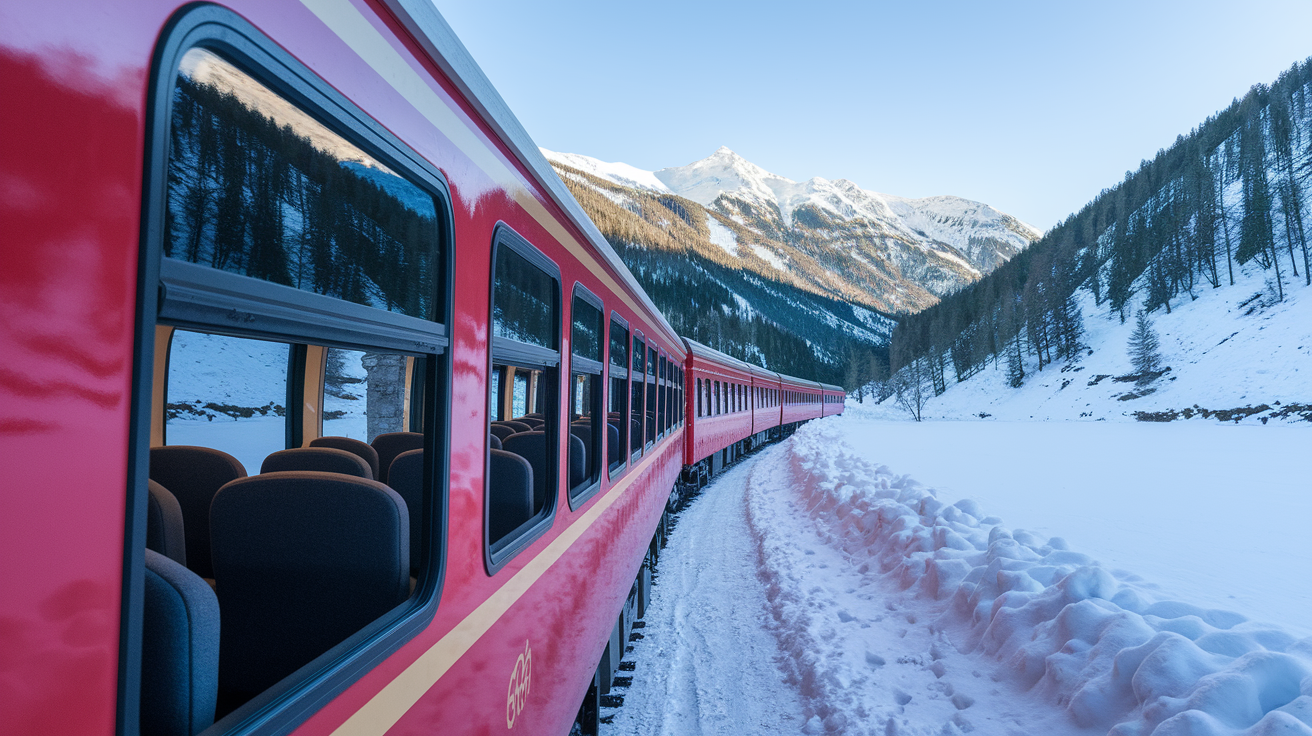

Forget flying, the best way to see Europe is by train.
You get a window seat, a slow rhythm, and landscapes that become the trip: think the Glacier Express over snowy passes, Norway’s fjord lines, and Italy’s cliff-hugging coastal hops.
This guide picks the most relaxing scenic routes, explains the best seasons and where to sit, and gives simple, realistic plans so you arrive rested and ready to enjoy each place.
Europe’s Most Relaxing Scenic Rail Journeys for Leisure Travelers
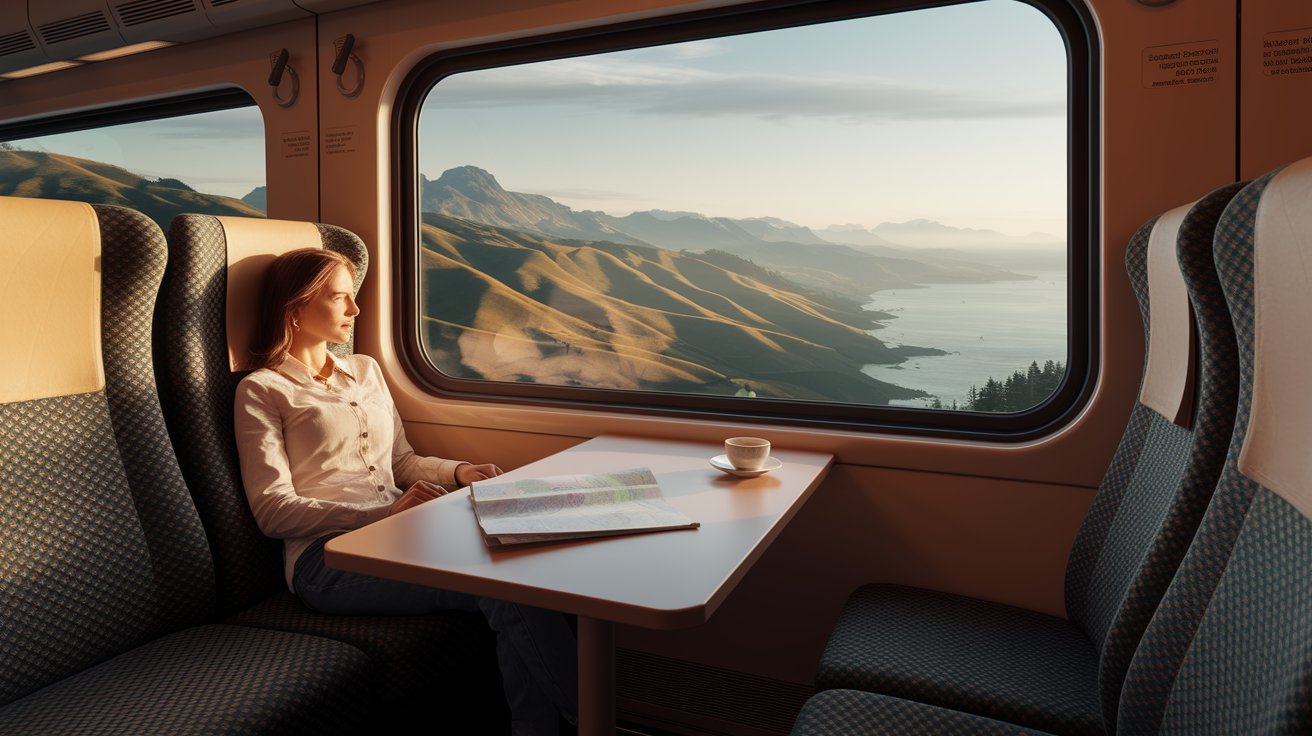
Train travel across Europe works for travelers who care about the view just as much as where they’re going. The best scenic routes turn transit into the actual highlight. You get to watch valleys, coastlines, and alpine peaks unfold at a pace that doesn’t feel rushed. No airport lines. No taxi waits. Just you, a window seat, and landscape rolling past.
Relaxed rail travel means swapping speed for something better. Routes like the eight-hour Glacier Express through the Swiss Alps or those short coastal hops along Italy’s Cinque Terre Line were built with sightseeing front and center. Comfort and views matter more than shaving off twenty minutes. Most offer seating that puts you right up against panoramic glass or vintage wood-trimmed windows. The whole point is feeling unhurried, well-fed, and free to snap photos without wrestling tight connections or unfamiliar roads.
Slow travel by train also solves practical problems. Trains leave from city centers, not some airport forty minutes out. You can stretch your legs, grab a meal in the dining car, change seats if the light shifts. Lots of routes connect to multi-day itineraries that let you dig into one region instead of bouncing between capitals on a rigid schedule. The Oslo to Bergen line and the Paris to Nice TGV blend long-distance efficiency with scenery baked in, so you show up relaxed instead of fried.
Picking the right route depends on what kind of landscape you want and how much time you’re willing to spend onboard. Some journeys are short visual bursts, great for families or anyone working with a tighter schedule. Others unfold over a full day, rewarding patience with views that shift from Mediterranean coast to alpine snowfields. The routes below made the cut for comfort, scenery, and how smoothly they fit into realistic itineraries.
What leisure travelers usually look for:
- Panoramic or first-class seating with wide windows and actual legroom
- Flexible booking that lets you pick seats in advance and slot into multi-day plans
- Scenic variety within a single journey, so the view doesn’t get stale
- Onboard stuff like dining service, clean restrooms, luggage space
- Routes that match the season, whether that’s snow-covered peaks in winter or sunlit vineyards in summer
Glacier Express and Swiss Mountain Routes for Leisure-Focused Travelers
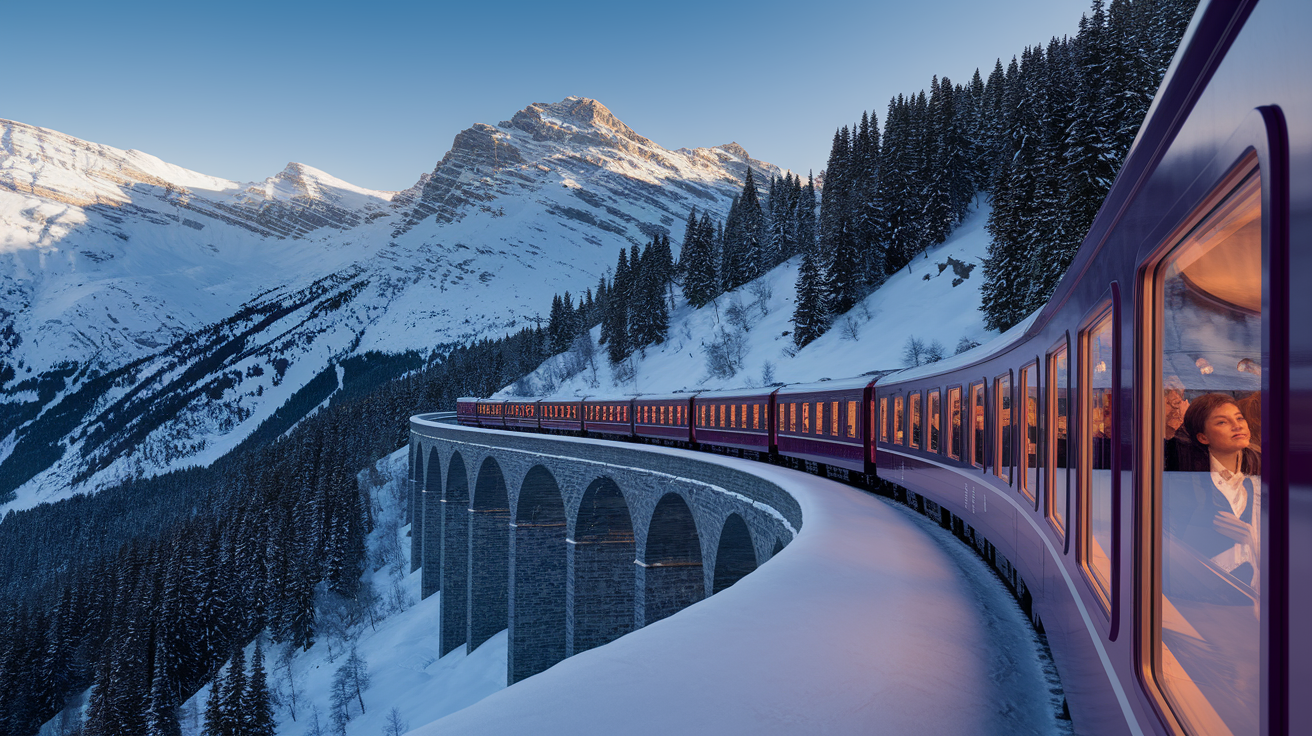
The Glacier Express is still the most famous scenic train in Switzerland. Eight hours between Zermatt and St. Moritz, crossing 291 bridges and 91 tunnels, climbing to the Oberalp Pass at over 2,000 meters. Floor-to-ceiling panoramic windows wrap around each carriage. You’re never craning your neck or missing something. The train moves slowly enough that you can watch individual details. A stone farmhouse on a ridge. The way light moves across a valley. Deep blue shadows in fresh snow.
This route works year-round, but winter delivers the scenery most people picture when they think of the Swiss Alps. Snow blankets the peaks, the valleys stay quiet, and the contrast between white slopes and dark pines becomes sharp. Late autumn offers a mix of golden trees and early snow. Spring brings green pastures dotted with wildflowers. Summer fills the high meadows with hikers and opens up trails around the stops, but the train itself stays just as comfortable no matter when you go.
The GoldenPass Classic route offers a different flavor. Running from Montreux to Zweisimmen, it uses Belle Époque carriages refurbished with wood paneling and brass fittings that feel like stepping into an older, slower Europe. The standout section is Montreux to Zweisimmen, where the train curves through the Pays-d’Enhaut valley past chalets, vineyards, and soft rolling hills. First-class seating puts you at the front of the carriage with an unobstructed view straight through the driver’s window. The upgrade is worth it if you plan to take photos or just want to see the track unfold ahead.
Key details for Swiss mountain routes:
- Best seasons: winter for snow and dramatic alpine contrast, late autumn for mixed foliage and early snowfall, summer for meadows and accessible mountain stops
- Seat recommendations: reserve panoramic windows on the Glacier Express, upgrade to first-class front seats on GoldenPass Classic for unobstructed driver views
- Notable views: Oberalp Pass, deep valleys around Andermatt, Pays-d’Enhaut chalets, terraced vineyards near Montreux
- Journey durations: Glacier Express around 8 hours, GoldenPass Montreux to Zweisimmen section around 2 hours
Norway’s Fjord and Mountain Rail Journeys for Slow, Scenic Travel
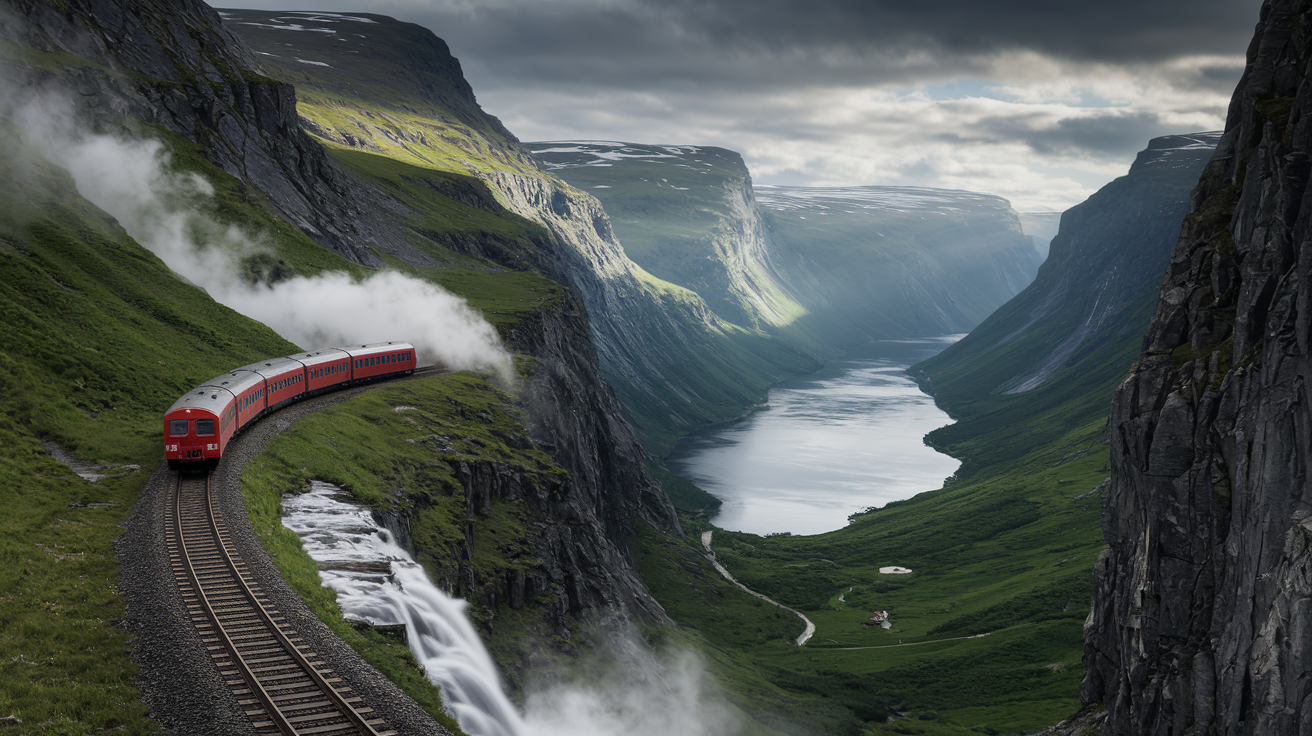
Norway delivers some of the most dramatic train scenery in Europe. These routes reward travelers who build extra time into their plans. The Flåm Railway is short but steep, climbing roughly 800 meters over just 20 kilometers in about an hour. The train stops at Kjosfossen waterfall so passengers can step out, take photos, and feel the mist before getting back on. This route often gets bundled into the Norway-in-a-Nutshell tour, which combines trains, ferries, and buses into a full-day loop through fjords and mountains. Booking the legs separately can save money, but the packaged version handles all the connections and timing.
The Bergen Line between Oslo and Bergen takes around seven hours and crosses the Hardangervidda plateau, Europe’s largest mountain plateau. Views shift from forests and lakes to barren, snow-dusted highlands and back down to coastal fjords as you approach Bergen. The right-hand side of the train heading west offers the best plateau views, especially through the long middle section where the landscape opens up and stays wide for miles. This journey works well as an overnight option if you prefer sleeper cars, or as a daytime trip if you want to watch the full transition from city to coast.
The Rauma Line adds another layer of Norwegian drama, winding through sharp valleys and past waterfalls that seem to drop straight from the cliffs above. It’s less famous than the Flåm Railway but just as rewarding for travelers who want a quieter, less-touristed experience. All three routes share a similar rhythm: long stretches of uninterrupted nature, small mountain stations, and views that feel remote even when you’re sitting in a warm, comfortable carriage.
| Route | Duration | Main Landscape Highlights |
|---|---|---|
| Flåm Railway | ~1 hour | Steep fjord valleys, Kjosfossen waterfall, hand-carved tunnels |
| Oslo → Bergen (Bergen Line) | ~7 hours | Hardangervidda plateau, forests, lakes, coastal fjords |
| Rauma Line | ~1.5 hours | Sharp valleys, waterfalls, remote mountain stations |
Italy’s Coastal and Alpine Scenic Routes for Calm, Visual Travel
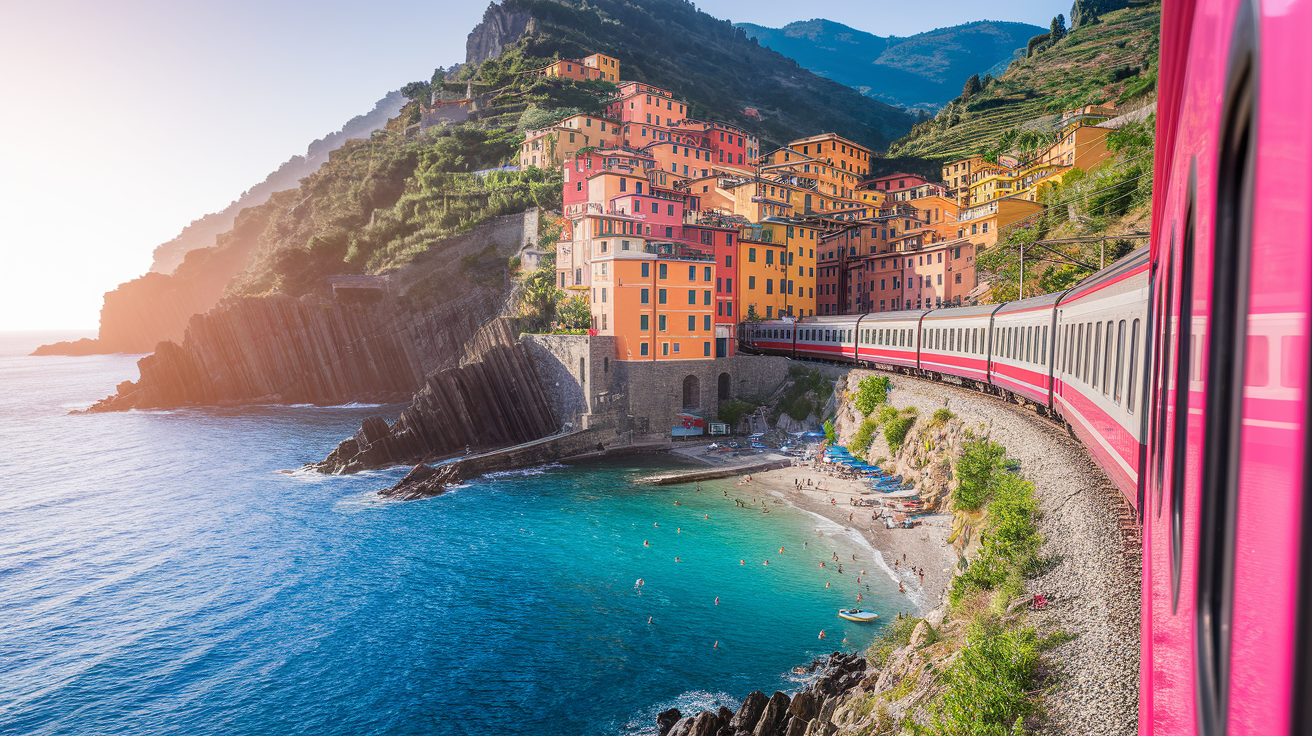
The Cinque Terre Line connects five colorful villages along the Ligurian Sea, and the train becomes part of how you explore the coast. Each leg between villages takes only a few minutes, so you can hop on and off all day, pausing to eat, swim, or walk the coastal trails before catching the next train. The route hugs the cliffs. The windows frame quick bursts of turquoise water, terraced hillsides, and pastel houses stacked above the sea. Summer brings the best light and the warmest water, making this route perfect for travelers who want to blend beach time with scenic transit.
Heading inland and north, the Brenner Pass route between Innsbruck and Verona crosses the Alps and delivers two countries’ worth of scenery in a single journey. Winter turns the peaks into sharp white silhouettes. Spring fills the valleys with blooming meadows and rushing streams from snowmelt. The train climbs steadily out of Austria, crosses the high pass, and descends into the warmer, softer landscape of northern Italy. It’s a comfortable way to see both Alpine drama and Mediterranean warmth in one day without needing to drive mountain roads or manage border crossings.
Other Italian routes worth considering include the Venice to Innsbruck line, which mirrors some of the Brenner Pass scenery but starts from the canals instead of the mountains, and regional lines through the Dolomites that connect smaller towns and ski villages. These routes tend to be quieter and less touristed than the Cinque Terre, making them a good fit for travelers who want solitude and slower pacing.
Italian coastal and alpine routes work best when you match the season to the landscape:
- Summer: Cinque Terre for sunlit coastal photography, warm swimming, and vibrant village color
- Spring: Brenner Pass and Dolomite routes for blooming valleys and moderate temperatures
- Autumn: Vineyard regions and rolling hills for harvest season and golden light
- Winter: Alpine crossings for snow-covered peaks and dramatic contrast
- Window-seat guidance: sit on the sea-facing side for Cinque Terre, watch for the right side heading south on Brenner Pass for the best valley views
France, Germany, and Scotland: Classic European Scenic Trains for Relaxation
France offers two very different scenic experiences by rail. The Paris to Nice TGV covers the distance in under six hours, starting in the capital and ending on the French Riviera. The route passes through lavender fields, vineyard country, and small Mediterranean villages as you move south. It’s fast enough to fit into a tight itinerary but slow enough to watch the landscape shift from northern European greens to southern blues and ochres. Honeymooners and leisure travelers often use this route to connect a cultural city stay with a beach retreat without losing a full day to travel.
The Train de la Côte Bleue between Marseille and Miramas takes just over an hour and runs right along the Mediterranean coast. Summer is the time to ride this one, when the light is warm and the sea stays a deep, saturated blue. The route feels more local and less touristed than many of the Alpine journeys. It’s easy to combine with a day exploring Marseille or the small seaside towns along the way.
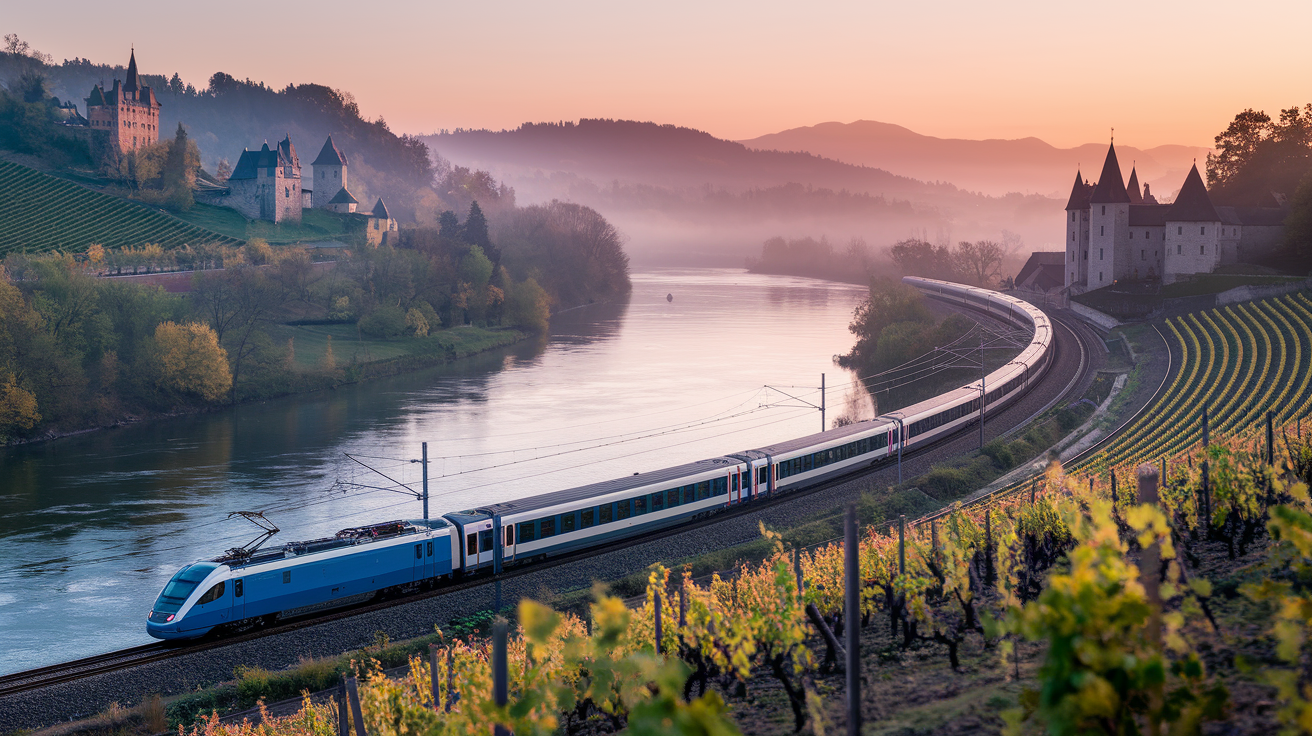
Germany’s West Rhine Railway between Cologne and Mainz cuts through the Romantic Rhine valley, where castles sit on hilltops and vineyards cascade down to the river. The key here is taking a slower regional train instead of a high-speed service. The regional trains hug the riverbank and stop at small stations, giving you time to see individual castles and watch the landscape unfold at a pace that makes the details visible. The Moselle Valley offers a similar experience with quieter villages and tighter valley curves.
Scotland’s West Highland Line delivers rugged, remote beauty that feels worlds away from the rest of Europe. The route between Fort William and Mallaig crosses the Glenfinnan Viaduct, the curved stone bridge made famous as the Hogwarts Express route. The landscape here is all heather-covered hills, rocky outcrops, and lochs that stretch into the mist. It’s slower and quieter than the Alpine routes, but the drama comes from the isolation and the sense that the train is the only thing moving through miles of empty Highland scenery.
Route highlights across France, Germany, and Scotland:
- Paris to Nice TGV: lavender fields, vineyard country, Mediterranean coast, under 6 hours
- Train de la Côte Bleue: Marseille to Miramas, coastal views, around 1 hour 15 minutes, best in summer
- West Rhine Railway: Cologne to Mainz, castles and vineyards, slow regional trains recommended
- West Highland Line: Fort William to Mallaig, Glenfinnan Viaduct, rugged Highlands, remote beauty
Luxury & Vintage Scenic Train Experiences Across Europe
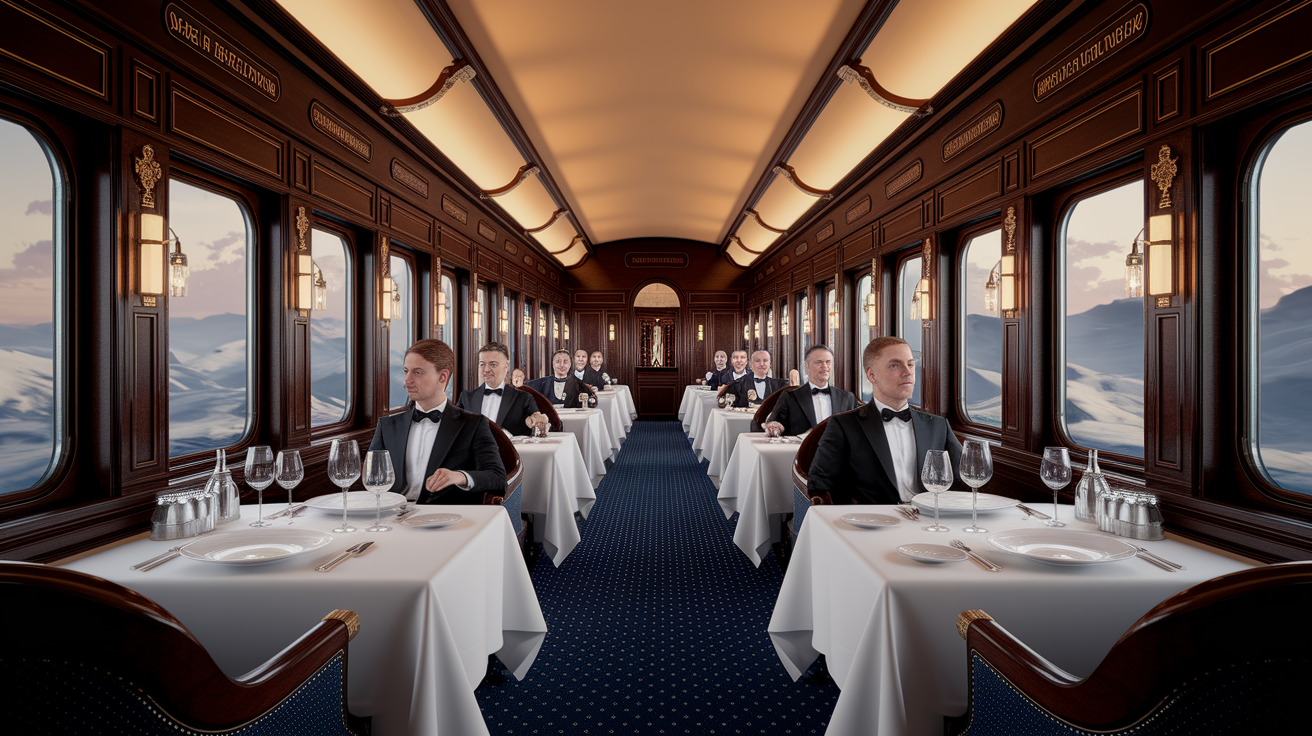
Luxury train travel in Europe layers comfort, service, and heritage onto already beautiful routes. The Venice Simplon-Orient-Express is the most iconic example, running vintage 1920s carriages with wood paneling, brass fittings, and white-tablecloth dining cars. Journeys on this train include gourmet multi-course meals with wine pairings, and the experience itself becomes the destination. Routes vary by season but often include the classic Paris to Venice route or trips through the Swiss Alps.
Private rail cars and curated tours offer another level of upgrade. Some operators let you book entire carriages for small groups, with custom itineraries, personal guides, and private transfers at each stop. These trips often include add-ons like vineyard tastings, spa visits, or guided city tours that integrate seamlessly with the train schedule. Priority boarding, reserved seating at the front of panoramic cars, and meet-and-greet services at stations turn the logistics into part of the luxury instead of a source of stress.
These experiences cost significantly more than standard rail passes, but the value comes from the service, the exclusivity, and the way the journey is designed around relaxation and indulgence. If your priority is feeling pampered while watching beautiful landscapes, and you’ve got the budget to support it, luxury scenic trains deliver exactly that.
| Train | Type | Key Luxury Features | Best Season |
|---|---|---|---|
| Venice Simplon-Orient-Express | Vintage luxury sleeper | 1920s carriages, gourmet dining, wine pairings, private compartments | |
| Royal Scotsman | Luxury sleeper tour | Edwardian-style cabins, observation car, curated stops, spa car | Summer |
| Golden Eagle Danube Express | Heritage luxury train | En-suite cabins, guided excursions, bar/lounge car, multi-country routes | Spring, summer |
| Private panoramic rail cars | Custom group charters | Exclusive use, tailored itineraries, priority boarding, private transfers | Year-round |
How to Plan Scenic Train Trips in Europe for Maximum Relaxation
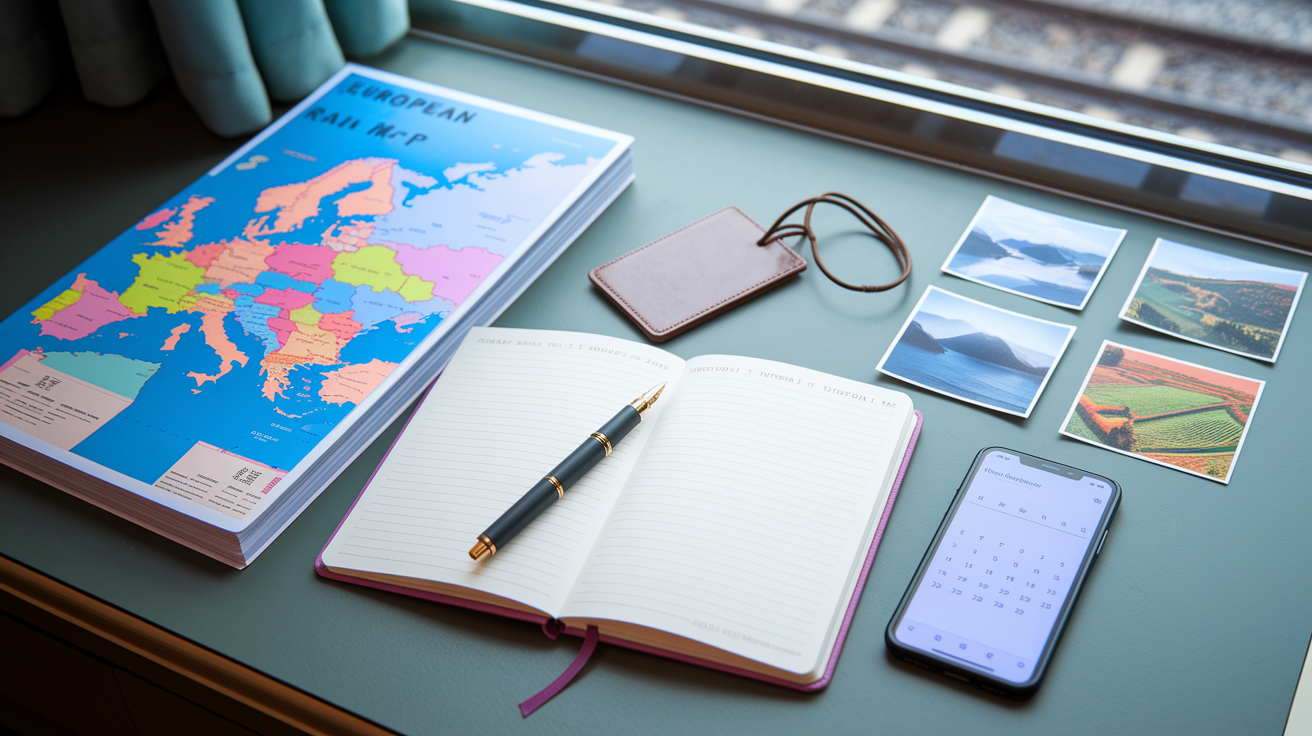
Planning a scenic train trip starts with matching the route to the season. Alpine routes like the Glacier Express and Brenner Pass show their best contrast in winter and late autumn, when snow highlights the peaks and valleys. Coastal routes like the Cinque Terre Line and Train de la Côte Bleue shine in summer, when the light is warm and the colors saturated. Vineyard routes through the Rhine or Douro valleys hit their stride in late summer and autumn, when the grapes are ripening and the hillsides turn gold.
Advance reservations matter more than you might expect. Popular panoramic routes like the Glacier Express and Flåm Railway fill up weeks ahead during high season. Many require seat reservations even if you hold a rail pass. Booking early also gives you better seat selection, which makes a real difference when the whole point of the trip is seeing the landscape. First-class upgrades and special seating options like the front-row VIP seats on the GoldenPass Classic usually require separate reservations and added fees, so factor those into your budget and timeline.
Multi-day itineraries reduce transfer stress and give you time to enjoy the journey without racing to the next connection. Instead of trying to cover six countries in a week, consider spending three or four days in one region and using the train as a daily activity rather than just transit. Base yourself in Montreux and take the GoldenPass as a day trip. Or stay in Bergen and ride the Flåm Railway as part of a longer fjord exploration. This approach also makes family travel easier, since you’re not dragging luggage on and off trains every morning.
Hidden costs can add up quickly if you’re booking DIY instead of using a packaged tour. Seat reservations, supplements for panoramic cars, dining-car meals, and luggage fees are all separate charges on some routes. Rail passes sometimes cover the base fare but not the mandatory reservation fee, which can run €10–35 per journey depending on the route and season. Always check the fine print and budget for these extras so you’re not surprised at booking or boarding.
Six steps for booking scenic trains with less stress:
- Pick your season first, then match routes to the landscapes that look best at that time of year.
- Reserve seats early for popular routes, especially if you want panoramic windows or front-row seating.
- Check reservation requirements even if you hold a rail pass, and budget for supplement fees.
- Book accommodations near train stations to minimize luggage hauling and early-morning taxi scrambles.
- Build buffer time into your itinerary so a delayed connection doesn’t derail the whole trip.
- Consider packaged tours for complex multi-leg journeys like Norway-in-a-Nutshell, where the logistics are already sorted.
| Season | Best Regions | Key Visual Highlights |
|---|---|---|
| Winter | Swiss Alps, Austrian Alps, Norway | Snow-covered peaks, deep valley contrast, frozen lakes |
| Spring | Alpine valleys, Italian Dolomites, Scottish Highlands | Blooming meadows, waterfalls from snowmelt, fresh green hillsides |
| Summer | Italian coast, French Riviera, Rhine/Douro vineyards | Sunlit water, terraced vineyards, warm coastal light |
Photography, Window Seats, and Onboard Comfort for Scenic Rail Travel
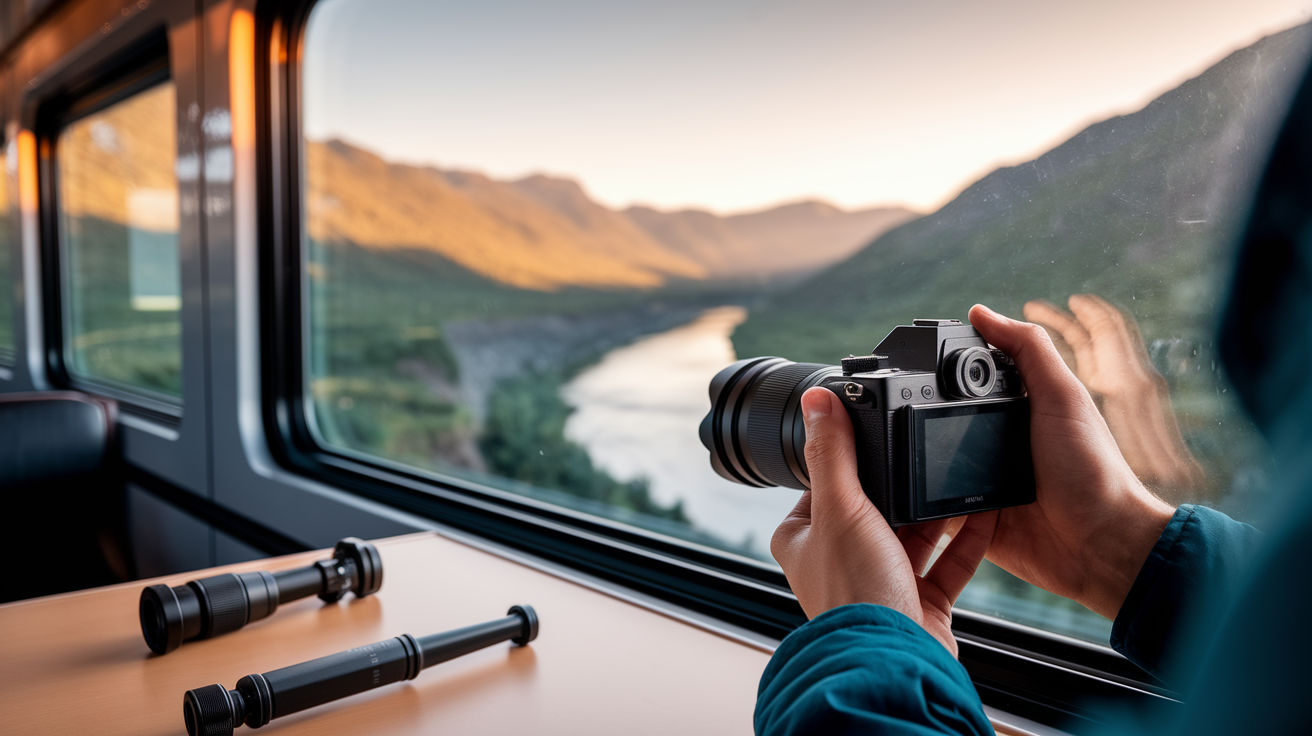
Good train photography starts before you board. Reserve a seat with unobstructed panoramic windows, ideally on the side of the train that faces the best views. On routes like the Oslo to Bergen line, the right side heading west captures the plateau. On the Cinque Terre, the sea-facing side gives you the coastline. If the route offers front-row seating or driver-window access, grab it, especially on trains like the GoldenPass Classic where the view straight ahead is the main attraction.
Golden-hour shooting makes the biggest difference. Early morning and late afternoon light turns ordinary landscapes into something cinematic, highlighting textures and adding warmth to colors. If your route runs all day, plan to shoot the best sections during those windows. On the Glacier Express, that might mean timing your photos for the Oberalp Pass crossing in late afternoon. On the Flåm Railway, morning light often hits the waterfalls and valleys with more drama than midday sun.
Technical settings matter when you’re shooting through moving glass. Use a higher shutter speed to freeze motion and reduce blur, especially on curves or faster sections. A small tripod or even bracing your camera against the window frame helps steady the shot. Keep your lens accessible so you don’t miss quick moments like a castle appearing around a bend or a lake suddenly opening up below. And remember that the best photos often come from being patient, watching the landscape, and waiting for the composition to line up instead of firing off dozens of shots and hoping one works.
Quick photography tips for scenic rail journeys:
- Reserve panoramic or front-row seats with unobstructed glass for the cleanest shots
- Shoot during golden hour when possible, especially on Alpine and fjord routes where light and shadow create depth
- Use higher shutter speeds (1/500 or faster) to reduce motion blur through curved glass
- Pack a small tripod or stabilizer to brace your camera, or steady it against the window frame
- Watch for iconic moments like the Kjosfossen waterfall stop on the Flåm Railway or the Landwasser Viaduct on the Bernina Express, and be ready before the train reaches them
Final Words
Slide into a window seat on the Glacier Express, watch fjords on Oslo–Bergen, or hop the Cinque Terre line—those are the trips we covered.
We looked at alpine panoramas, coastal hops, classic routes across France, Germany, and Scotland, plus luxury options and practical planning tips like seat reservations and best seasons.
Pick the route that fits your pace, book the right seat, and leave room to breathe. These are the best scenic train routes in Europe for relaxed leisure travel, and they’re ready when you are.
FAQ
Q: Which European train routes are best for relaxed scenic travel?
A: The best European train routes for relaxed scenic travel are Glacier Express, Cinque Terre Line, Oslo–Bergen, Paris–Nice, Brenner Pass, and Vienna–Prague, chosen for comfort, steady pacing, and wide panoramic views.
Q: When is the best season to ride the Glacier Express and other Swiss mountain routes?
A: The best season to ride the Glacier Express and Swiss mountain routes is winter for snowy alpine drama and late spring to early autumn for green valleys and clearer hiking-weather views.
Q: How long do the major scenic routes take?
A: The duration for major scenic routes varies: Glacier Express about 8 hours, Oslo–Bergen roughly 7 hours, Paris→Nice under 6 hours, Flåm about 1 hour, and Cinque Terre are short village hops.
Q: Do I need seat reservations on scenic European trains?
A: You need seat reservations on many popular panoramic and long-distance routes, and they’re recommended for peak season; book early to secure window seats and reduce travel stress.
Q: How do I pick the best seat for photography and views?
A: The best seat for photography is a window seat on the carriage side facing the scenery, choose panoramic windows when available, and aim for golden-hour departures for the best light.
Q: Are luxury and vintage trains worth it for leisure travelers?
A: Luxury and vintage trains are worth it if you value gourmet meals, spacious vintage carriages, private transfers, and a slow, pampered pace—great for special occasions or relaxed splurge days.
Q: How should I plan a multi-day scenic train trip for maximum relaxation?
A: To plan a multi-day scenic train trip for maximum relaxation, book must-have reservations, build in rest days, limit transfers, pack light, and choose overnight or longer day legs to avoid rushing.
Q: Can families or travelers with a lot of luggage manage scenic train routes easily?
A: Families and travelers with lots of luggage can manage scenic train routes by choosing routes with easy station layouts, reserving family seats, using onboard or station luggage storage, and avoiding tight connections.
Q: What’s the best way to photograph moving landscapes from a train?
A: The best way to photograph moving landscapes from a train is to shoot at higher shutter speeds, steady your camera against the window, focus on simple compositions, and time shots for golden hour.
Q: Any quick packing and comfort tips for long scenic train journeys?
A: Quick packing and comfort tips for long scenic train journeys: bring layers, a small travel pillow, snacks, a refillable water bottle, a window wipe, and chargers to stay cozy and ready.