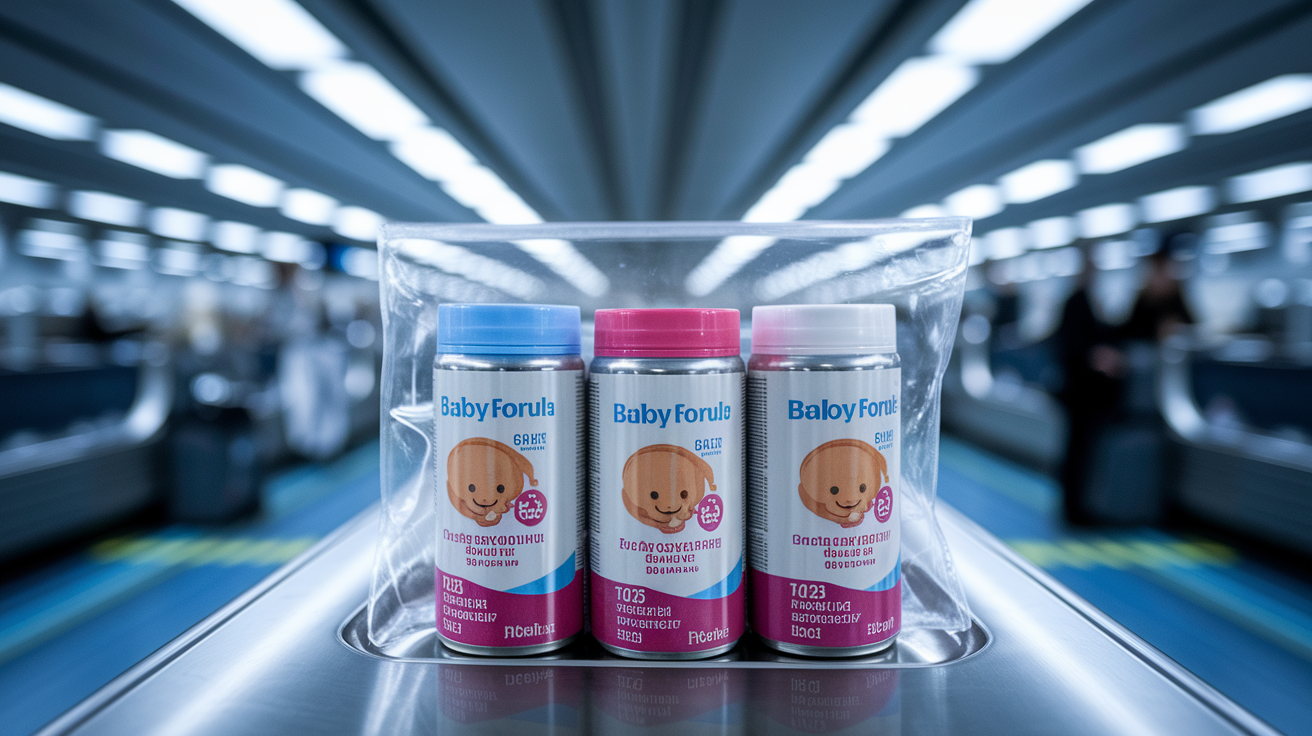

Think powdered formula will automatically get you stopped at airport security? Think again.
TSA treats baby formula differently from normal liquids, so you can bring as much as you reasonably need, but you must declare and present it correctly to avoid extra screening.
This quick guide gives clear steps on what to tell the officer, how to pack pre-measured portions, what amount triggers extra checks, and a few simple habits that cut delays so you can focus on feeding, not security.
TSA Rules for Bringing Powdered Formula Through Airport Security
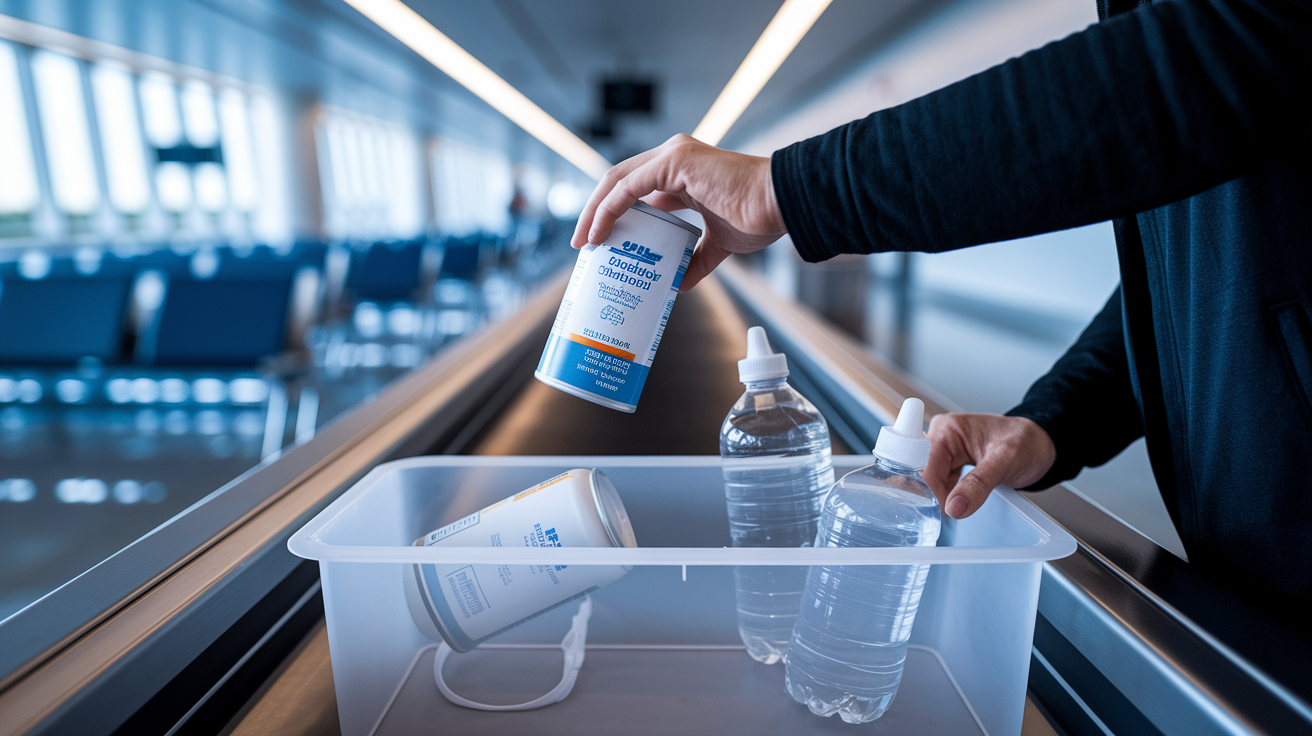
Powdered baby formula gets special treatment at U.S. airport security checkpoints. The Transportation Security Administration exempts all baby formula (powdered, liquid, ready-to-feed) from the standard 3-1-1 rule that caps liquids at 3.4 ounces. Parents flying with infants can bring as much powdered formula as they reasonably need without worrying about the tiny container limits that apply to shampoo or toothpaste.
There’s no hard upper limit on how much powdered formula you can carry in your bag. But anything over roughly 350 grams (about 12.3 ounces) might get extra attention from TSA officers. Larger amounts aren’t banned. They just trigger additional screening. Keeping formula in its original sealed packaging helps officers verify what’s inside quickly and cuts down on delays. Ice packs for keeping bottles cold and water you bring specifically for mixing formula count as medically necessary items, so they’re allowed in your carry-on. You just need to declare them at the checkpoint.
To get through security without problems, take these five actions every time you travel with powdered formula:
-
Tell the TSA officer about all formula, bottles, water, and feeding supplies before you put your bags on the conveyor belt. Don’t assume they’ll spot everything on the X-ray and understand what it’s for.
-
Separate formula containers, bottles, and any liquid water from the rest of your carry-on. Put them in their own bin or a clear bag that officers can open without digging through your entire diaper bag.
-
Make sure officers can see labels, caps, and packaging clearly. If you’re carrying several containers or a big sealed can, don’t bury them under clothes or diapers.
-
Do exactly what the officer asks. That might mean opening a container, letting them swab it, or waiting while they take a closer look.
-
Check your bins carefully after screening and make sure nothing got left behind. Small items like caps, measuring scoops, or single-use packets can easily slide out of sight.
Packing Powdered Formula for Airport Security and Carry-On Bags
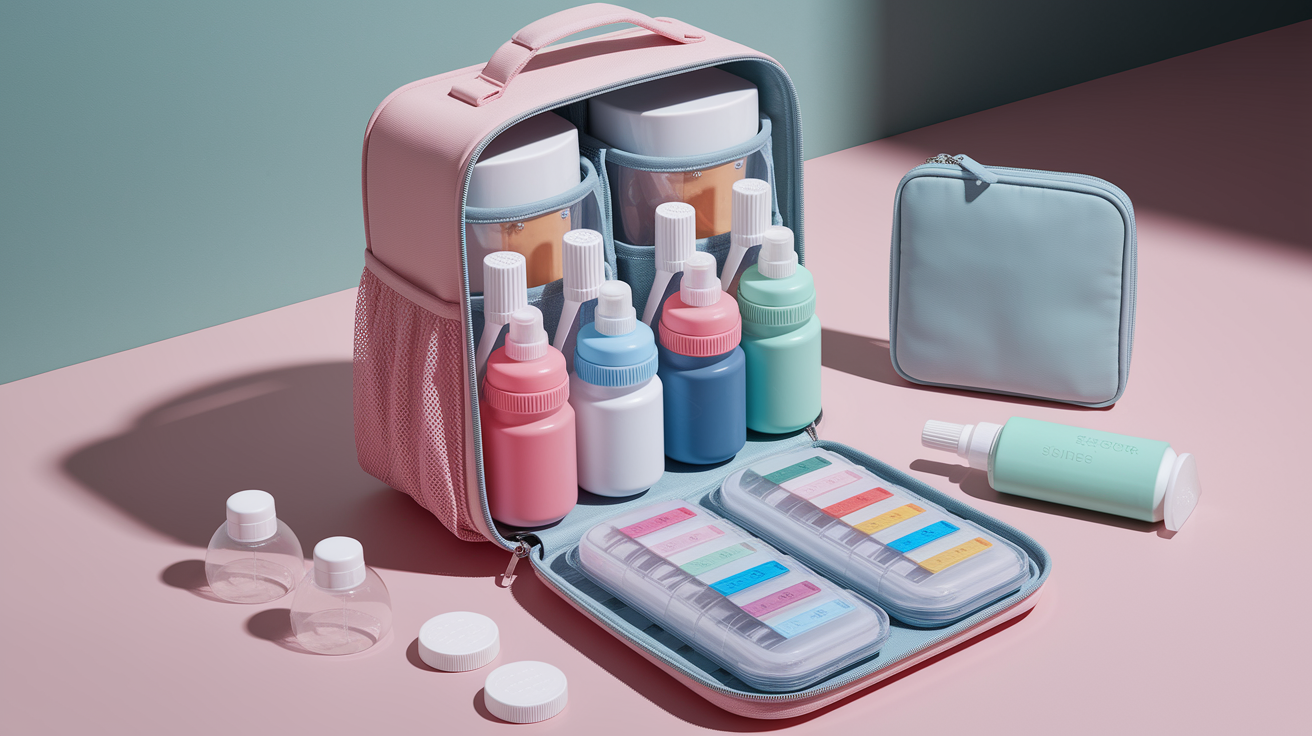
How you pack your formula before you get to the airport affects how fast you move through security. Pre-portioning powdered formula into individual, clearly labeled containers is one of the best ways to speed things up and avoid spills. Multi-compartment formula dispensers with snap-lock lids keep each feed separate, cut down on mess if your bag gets tossed around, and let TSA officers see what you’re carrying without opening every single container. Waterproof labels survive handling and help officers tell formula apart from other powders right away.
Keep at least some of your formula in its original sealed packaging, especially if you’re traveling with larger quantities. Officers recognize commercial baby formula cans and tubs. Sealed packaging usually means less manual inspection. Store your formula, bottles, caps, measuring scoops, and any pre-measured portions somewhere you can grab quickly, like the top compartment or an exterior pocket. Clear resealable bags let officers inspect multiple containers at once without unpacking your whole bag.
To pack formula efficiently for both security and in-flight use:
- Use airtight containers built for travel. Check that seals are tight and lids lock so powder doesn’t leak into your bag.
- Pre-measure each feed into separate containers or compartments, and mark each one with the number of scoops or grams.
- Keep original cans or tubs if you’re carrying more than a few feeds’ worth. This matters especially for international flights where customs might ask to verify the product.
- Put all pre-measured containers together in one large clear bag or pouch so you can lift the whole set out during screening.
- Label every container with waterproof or laminated tags that include the formula brand, scoop size, and date you filled it.
- Store formula and feeding equipment separately from diapers, wipes, or clothing to prevent cross-contamination and make security checks faster.
Understanding Powder Screening Procedures and What to Expect
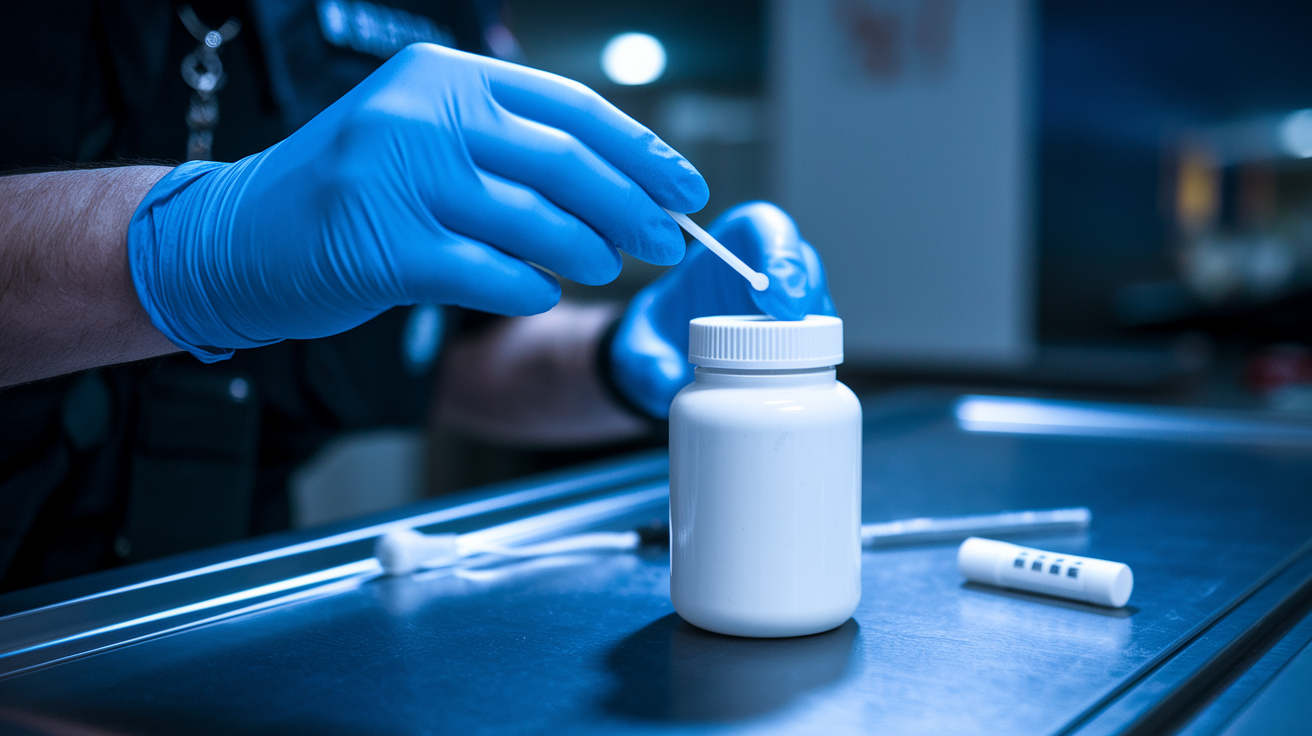
When you declare powdered formula at the checkpoint, TSA officers will inspect it using one or more standard methods. The exact procedure depends on how much you’re carrying, what type of container it’s in, and whether the powder is still in its original sealed packaging. Powders over about 12 ounces (350 grams) automatically get separate screening, but smaller amounts can also be picked for extra testing if the X-ray image isn’t clear or you’re carrying several containers.
Officers might swab the outside of your containers to check for trace chemicals, open the powder to confirm it matches what you declared, or use vapor-testing strips held over the opening of a bottle or can to detect anything unusual. Sealed commercial formula cans rarely get opened unless there’s a concern flagged by the X-ray or the officer needs to verify contents for another reason. If you don’t want an officer opening a particular container (maybe you want to keep a backup can sealed for hygiene), you can request an alternative inspection. That takes more time and might involve a supervisor or additional pat-down screening.
Here’s what you’re likely to encounter:
| Procedure | When It Happens | What It Means |
|---|---|---|
| Visual inspection | Any quantity, especially pre-measured or open containers | Officer looks inside to confirm powder appearance and consistency |
| Swab test (Explosive Trace Detection) | Triggered by X-ray alerts or random selection | Officer rubs a small swab on container exterior and tests for chemical residue |
| Vapor strip test | For open water bottles or unsealed powder containers | Strip held over opening detects vapor composition without touching contents |
| Secondary screening | Large quantities, multiple containers, or unclear X-ray images | Officer may call a supervisor or move inspection to a private area for detailed review |
Most powder inspections add only two to five minutes to your total screening time. Stay calm, answer questions clearly, and give officers space to finish their checks without interruption.
Strategies for Traveling with Pre-Measured and Single-Serve Formula Portions
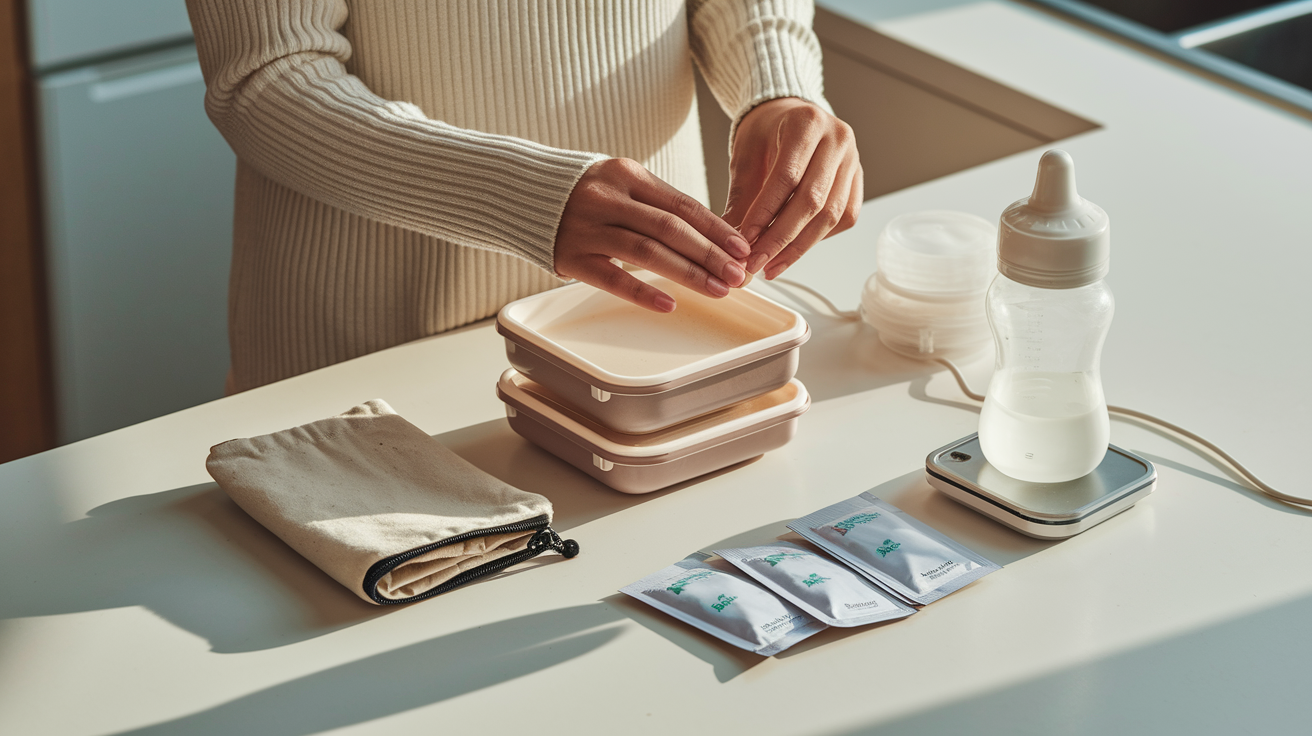
Pre-measuring your baby’s formula before you leave home means you don’t have to scoop powder on a tray table or in an airport restroom. Travel formula containers with multiple compartments can hold up to 60 grams per section, enough for one 8-ounce bottle if your formula uses a standard scoop-to-weight ratio. Pre-measured portions also cut down on the risk of spilling loose powder during security inspection or mid-flight turbulence. Trying to measure scoops in transit is messy, slow, and draws attention at the checkpoint because officers might ask you to show what you’re doing.
Single-serve sachets and stick packs are even easier if your baby’s brand offers them. These factory-sealed portions move through screening faster than DIY containers because officers can see the commercial packaging and printed labeling. Store all sachets together in a single clear zip-top bag so you can pull the whole set out in one motion when you reach the X-ray belt.
Practical portioning strategies:
- Count the number of feeds your baby will need during travel time plus layovers, then add at least two extra portions to cover delays or spills.
- Use stackable screw-top containers for long trips. They take up less space than multiple separate jars.
- Label each pre-measured portion with a number or feeding time so you know the order without opening lids to check.
- Keep one sealed can or large container in your bag as backup, especially if you’re traveling internationally and aren’t sure whether your brand will be available at your destination.
- If your baby drinks different amounts at different times of day, measure portions to match the actual feeding schedule rather than making every container identical.
What to Do with Formula Water and Feeding Supplies at Airport Security
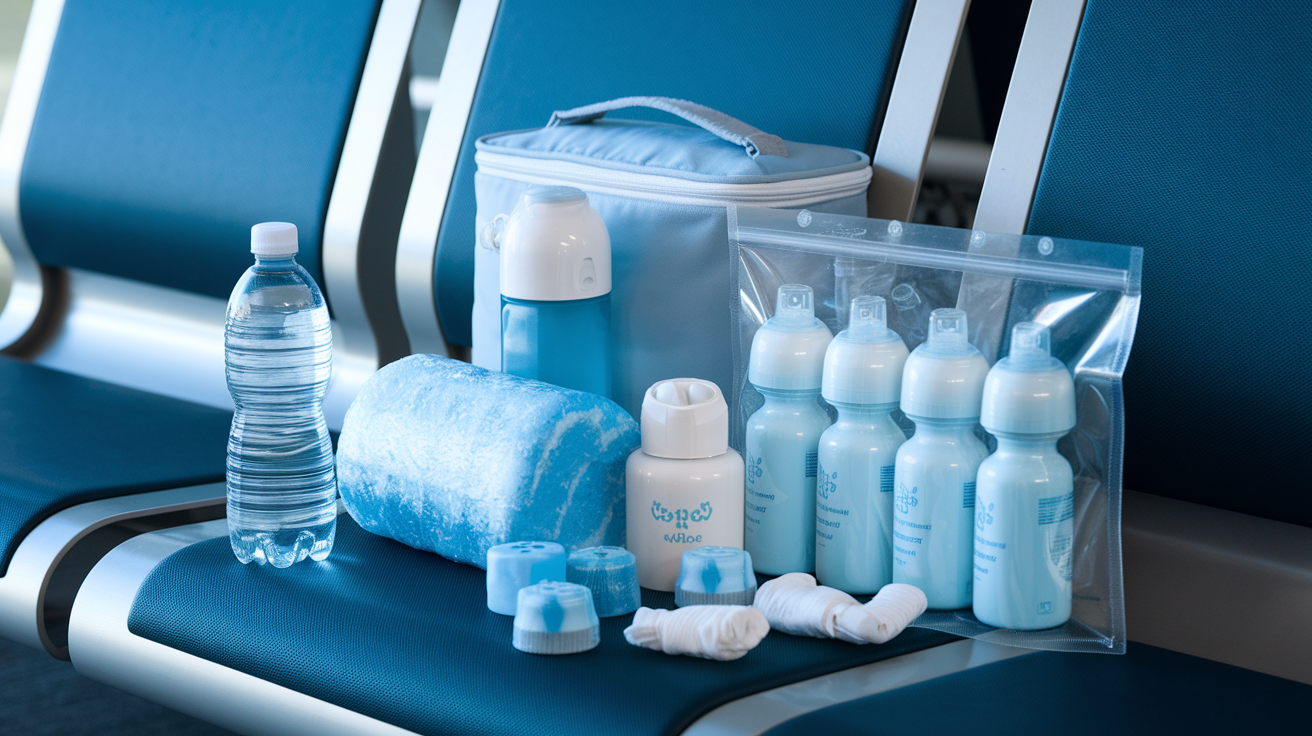
Water you bring specifically for mixing formula counts as a medically necessary liquid and isn’t limited to 3.4 ounces. You can carry enough bottled water to prepare every feed you’ll need until you can access clean, safe water again. Officers will inspect any water bottles you declare, though. Open bottles might be tested using the same vapor strip method applied to other liquids. Keeping your formula water in factory-sealed bottles speeds things up because officers can see the tamper-evident cap and printed label.
Breast pumps, insulated cooler bags, and ice packs or gel packs used to keep prepared bottles cold are also allowed through security and don’t count against your carry-on allowance. Declare these items along with your formula and water at the start of screening. Officers might open your cooler to inspect ice packs. Frozen gel packs must stay frozen solid to pass. Partially melted packs are treated as liquids and will be measured. If you’re carrying both breast milk and powdered formula, separate them into two clear bags and declare both.
If you’re planning to use water provided by the airline, wait until after takeoff to ask a flight attendant. Confirm the water temperature before mixing. Flight attendants can usually provide hot water for warming bottles, but the temperature might be too high for powdered formula that needs water cooler than 70°C for safe preparation. Bringing your own bottled water gives you full control over temperature and timing, especially during connections when you might not have time to find a water fountain or ask crew for help.
Avoiding Delays at Airport Security When Traveling with Powdered Formula
The most common cause of delays when traveling with formula is failing to declare it before your bags go through the X-ray. Officers expect parents to mention formula, bottles, and water out loud as soon as they reach the checkpoint. When you don’t, the X-ray operator has to stop the belt, call you back, and ask what the flagged items are. This adds several minutes and backs up the line behind you.
Keep your formula containers accessible so you can lift them out and place them in a bin without unpacking half your diaper bag. If formula is buried under spare clothes, toys, or diapers, you’ll waste time digging through the bag while other travelers wait. Clear resealable bags let officers see multiple containers at once and cut down on the need to open each one individually. Some airports offer family or special-assistance lanes that move at a slightly slower pace and give parents more room to organize bins. Ask a TSA officer if this option is available before you join the main security queue. TSA Cares is a helpline (1-855-787-2227) that can arrange assistance for travelers with infants or special needs. Calling 72 hours before your flight lets the agency coordinate extra support at the checkpoint.
To move through security as quickly as possible:
-
Tell the TSA officer “I’m traveling with powdered baby formula and water for my infant” before you start loading bins. Don’t wait for them to ask.
-
Place all formula containers, bottles, and water in one or two dedicated bins, separate from shoes, laptops, or jackets.
-
Keep lids and caps attached to containers so nothing spills or gets lost during inspection.
-
If you’re carrying a large sealed can, hold it up briefly so the officer can see the label and intact seal before it goes through the X-ray.
-
Stand where the officer can easily reach you if they have follow-up questions or need you to open a container.
-
Repack your bins quickly and completely after screening. Double-check for small items like bottle caps, measuring scoops, or single-use packets that can slide into corners.
International Travel Rules for Powdered Formula at Foreign Airport Security
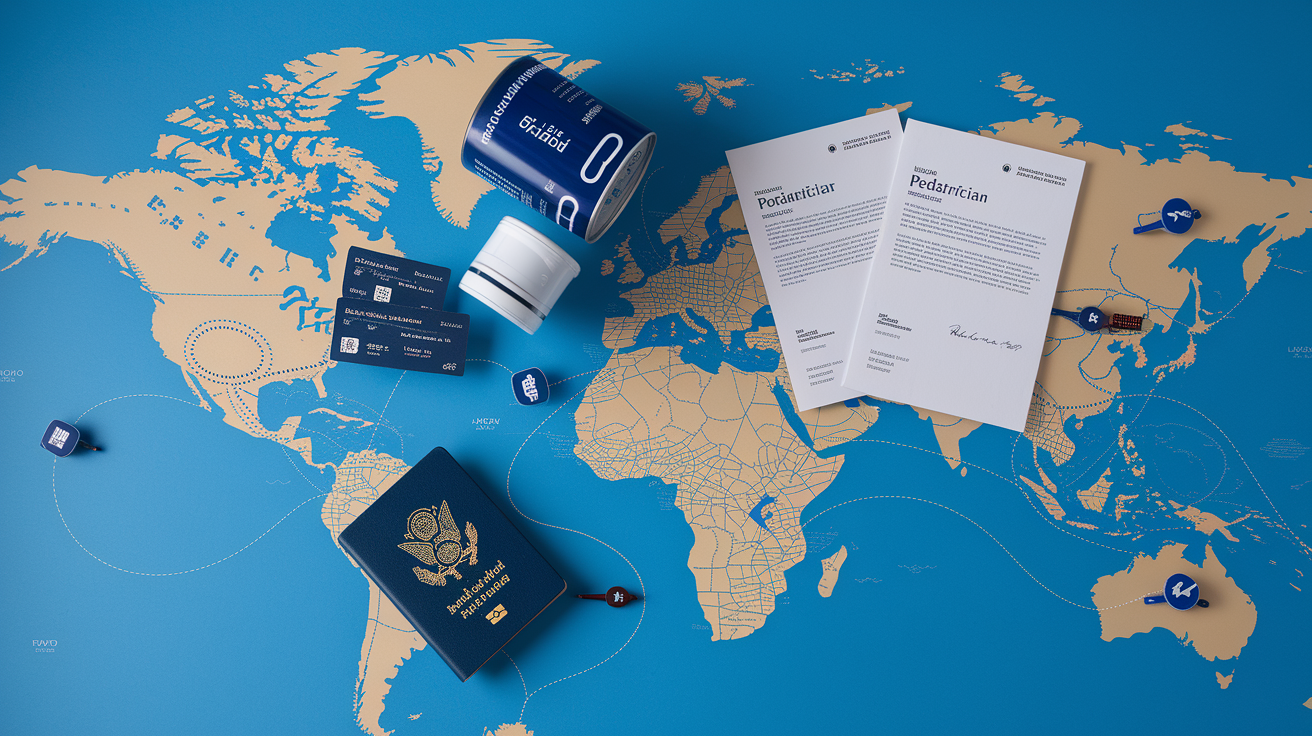
TSA exemptions for baby formula apply only to flights departing from or arriving in the United States. When you travel through airports in other countries, local aviation security rules take over. Those rules can be stricter or more permissive depending on the country. Before you book an international trip, check the official guidance from the aviation authority at each airport where you’ll transit or connect. For broader international guidance, see Traveling Internationally With Baby Formula.
The United Kingdom, European Union member countries, and Australia generally allow reasonable quantities of both powdered and liquid formula in carry-on bags, but officers might inspect containers and ask you to show that the powder is safe. Some Asian countries enforce quantity caps on powders or require all infant feeding products to stay in checked baggage unless you have a medical letter from a doctor. Bringing formula in its original, commercially printed packaging makes customs and security inspections faster because officers can read ingredient lists and verify the product without opening containers.
If your baby has allergies or needs a prescription or hypoallergenic formula, carry a letter from your pediatrician that lists the specific product name, the medical reason it’s necessary, and the child’s name and birthdate. This letter should be translated into the local language of any country where you’ll transit or stay. Some countries also ask to see a passport or birth certificate to confirm the child’s age if you’re carrying large quantities of formula.
Key differences by region:
- UK and EU: Powdered formula is allowed in carry-on with no strict weight limit. Liquid formula over 100 ml might require you to taste it in front of an officer or go through additional screening.
- Australia and New Zealand: Powders and liquids for infants are permitted in reasonable quantities. Expect visual inspection and possible testing with swabs or strips.
- Canada: Rules closely mirror U.S. TSA policy. Powdered and liquid formula are exempt from the standard liquid limit and must be declared.
- Asia (varies by country): Some nations cap powder quantities at 350 to 500 grams per passenger or require a doctor’s note. Check the local civil aviation authority website before departure.
- Middle East and Africa: Policies vary widely. Some airports allow formula freely, others restrict all powders in carry-on. Research each specific airport if you’re connecting through multiple countries.
Tips for Carrying Powdered Formula on Long Flights and During Connections
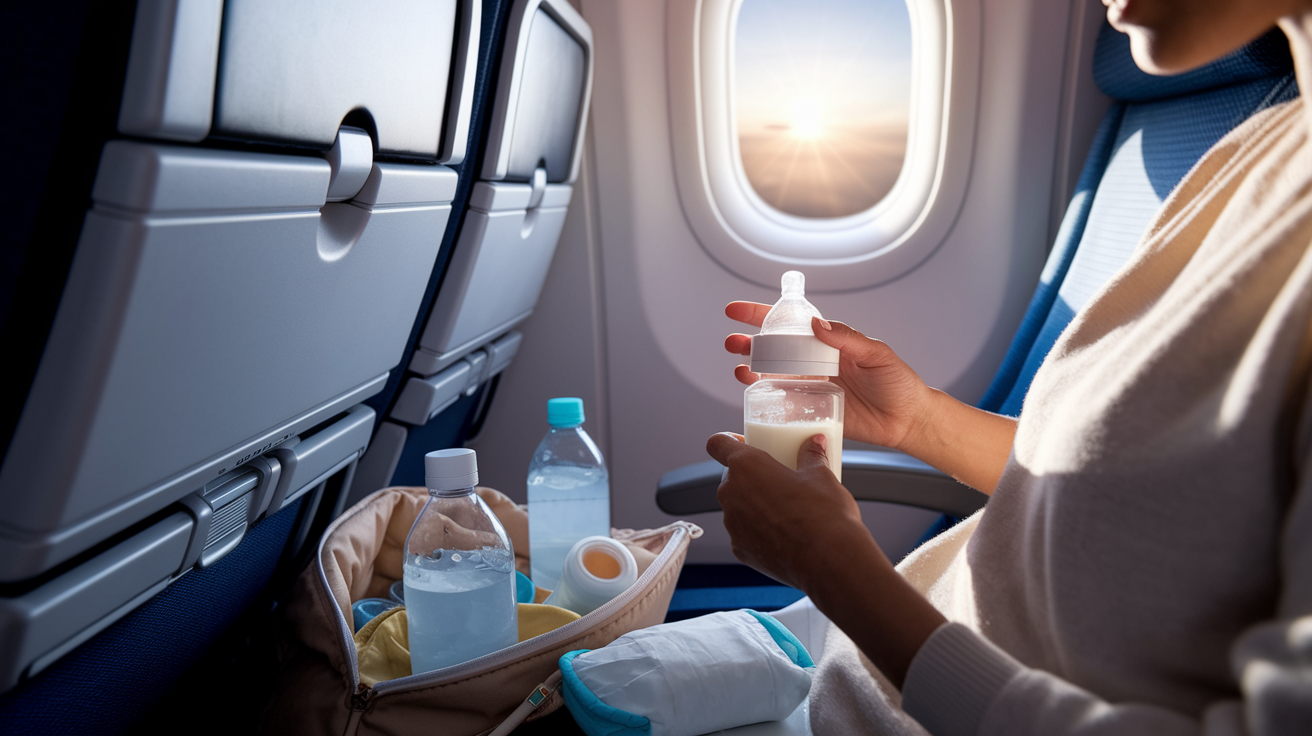
Long-haul flights and multi-leg itineraries require more formula than a short domestic hop. Calculate the total number of feeds your baby will need from the time you leave home until you reach a destination with reliable access to clean water and preparation space, then add at least two extra portions. Delays, gate changes, and missed connections can add hours to your trip. Running out of formula mid-journey creates stress you don’t need.
Feed your baby during takeoff and landing to help equalize ear pressure. The sucking motion opens the Eustachian tubes and reduces discomfort, which means fewer tears for both of you. Keep a pre-measured container, an empty bottle, and bottled water in your diaper bag or personal item so you can mix a feed without opening the overhead bin. If your flight includes a long layover, look for airport lounges that offer family rooms or nursing areas with sinks and counters. These spaces give you a cleaner, quieter place to prepare bottles than a crowded restroom.
Practical strategies for long trips:
- Pack enough pre-measured formula for every scheduled feed during travel plus at least two extras in case of delays. If your baby eats four 8-ounce bottles in 24 hours, bring six pre-measured portions for a 12-hour trip.
- Use an insulated bottle bag with ice packs if you’re carrying any prepared bottles, and replace ice packs during layovers if they start to melt.
- Bring a portable bottle warmer and the correct power adapter or a fully charged battery pack so you can warm bottles without relying on flight attendants.
- Store used bottles in a gallon-sized zip-top bag until you reach a place where you can wash and sterilize them properly. Don’t rinse bottles in airplane bathroom sinks.
- If you’re connecting through an airport in a different country, carry at least one backup sealed can of formula in case customs or security requires you to discard open containers.
Final Words
in the action, you learned TSA basics—what’s exempt, the ~350 g note, and how to declare powdered formula at screening.
Pack smart: pre-measure into airtight containers, keep some in original packaging, use clear bags, and keep feeding water and pumps accessible. Expect occasional swabs or extra checks and give yourself a few extra minutes at security.
If you’re wondering How to bring powdered formula through airport security, declare it early, present it clearly, and carry a little extra. You’ll breeze through with less stress and a smoother feed.
FAQ
Q: Can I take baby formula powder through airport security?
A: You can bring powdered baby formula through airport security; it’s exempt from the 3.4 oz liquid rule. Declare it at screening, keep original or labeled containers, and expect extra inspection for amounts around 350 g or more.
Q: How to pack powdered formula for flight?
A: To pack powdered formula for a flight, pre-portion into airtight or single-serve containers, keep a sealed original can if possible, label containers, use clear resealable bags, and store them in an easy-access carry-on pocket.
Q: Can TSA confiscate baby formula?
A: TSA can confiscate baby formula only if it creates a safety concern or violates local rules; most of the time officers will inspect, swab, or offer an alternative inspection rather than immediately confiscating it.