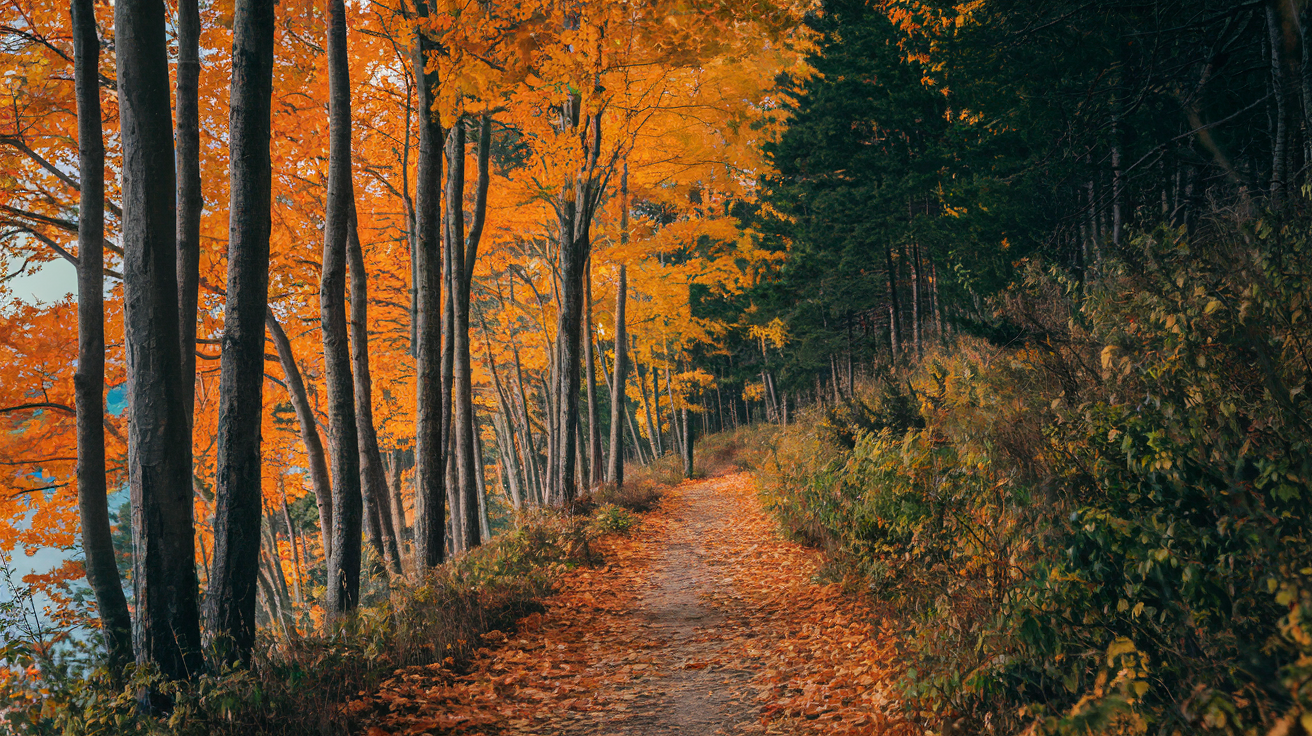

Skip summer.
Fall is the best time to visit U.S. national parks if you want spectacular color, fewer crowds, and easier hikes.
From coastal reds in Acadia to golden aspens in Rocky Mountain and quiet desert light in Zion, this season rewrites park scenery, and gives you better photo light, cooler temps, and real wildlife moments.
Read on for the best parks by region, peak timing tips, and simple planning moves so you’ll pick the right place and actually enjoy the trip instead of racing through it.
Top U.S. National Parks to Visit in Fall
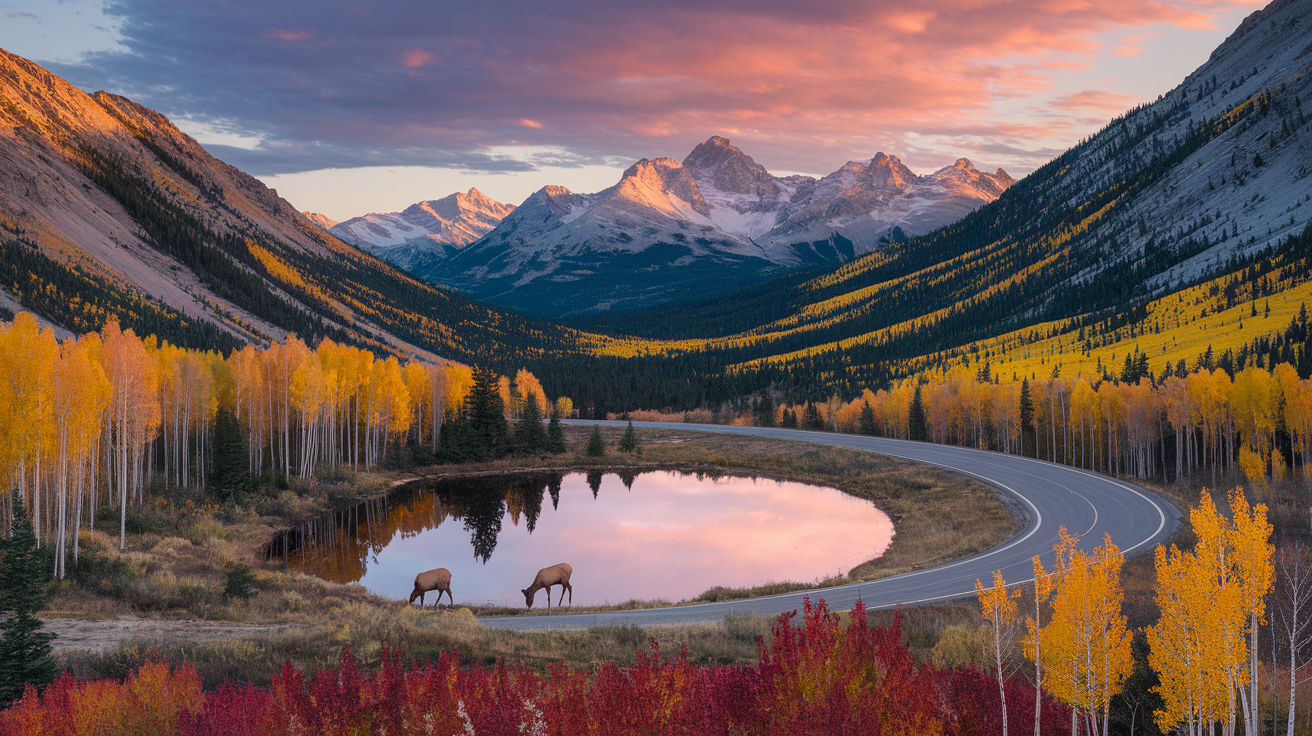
Fall turns national parks into completely different places. The crowds thin out, the air gets crisp, and you’re left with golden aspens, wildlife that’s actually visible, and trails you can walk without melting.
From late September through early November, parks that were shoulder-to-shoulder all summer suddenly feel manageable. You get better light for photos, fewer bugs, cooler temps for longer hikes, and animals preparing for winter instead of hiding from the heat.
Here’s where to go:
Acadia National Park (Maine) — Classic New England foliage from mid-September to mid-October. Coastal trails and carriage roads framed by brilliant hardwoods.
Great Smoky Mountains National Park (Tennessee/North Carolina) — The most visited park in the country becomes a foliage machine from mid-September through late October. Drives like Cades Cove showcase color everywhere you look.
Rocky Mountain National Park (Colorado) — Golden aspens line Trail Ridge Road and Bear Lake Road in late September and early October. The elk rut adds sound to the scenery.
Glacier National Park (Montana) — September brings quiet trails and crisp air along Going-to-the-Sun Road. October showcases rare golden alpine larches at higher elevations.
Grand Teton National Park (Wyoming) — Early fall arrives fast at high elevation. Cottonwoods and aspens turn golden by mid-September, with moose and elk active near rivers and lakeshores.
Zion National Park (Utah) — October temperatures make routes like Angels Landing and The Narrows way more doable. Cottonwoods along the Virgin River add soft yellow contrast to red canyon walls.
Joshua Tree National Park (California) — Late October and November bring warm days and cool nights, perfect for desert hiking, sunset shots, and stargazing under some of the clearest skies in the country.
Shenandoah National Park (Virginia) — Skyline Drive offers 150 miles of ridge-top views covered in Mid-Atlantic color from late September through October.
Yellowstone National Park (Wyoming/Montana) — September means far fewer crowds, visible bison herds in Lamar and Hayden Valleys, and the chance to see wolves and hear elk bugling across geyser basins.
Choosing between parks comes down to what kind of fall you want. Traditional autumn color? Head east to Acadia, Great Smoky Mountains, or Shenandoah. Dramatic mountain color with wildlife? Try Rocky Mountain, Glacier, or Grand Teton. Warm weather and desert landscapes? Shift to Joshua Tree, Zion, or the southern rim of the Grand Canyon. Most parks hit their stride in different parts of the season, so timing and region matter more than picking the “best” park overall.
Ideal Timing for Fall Visits
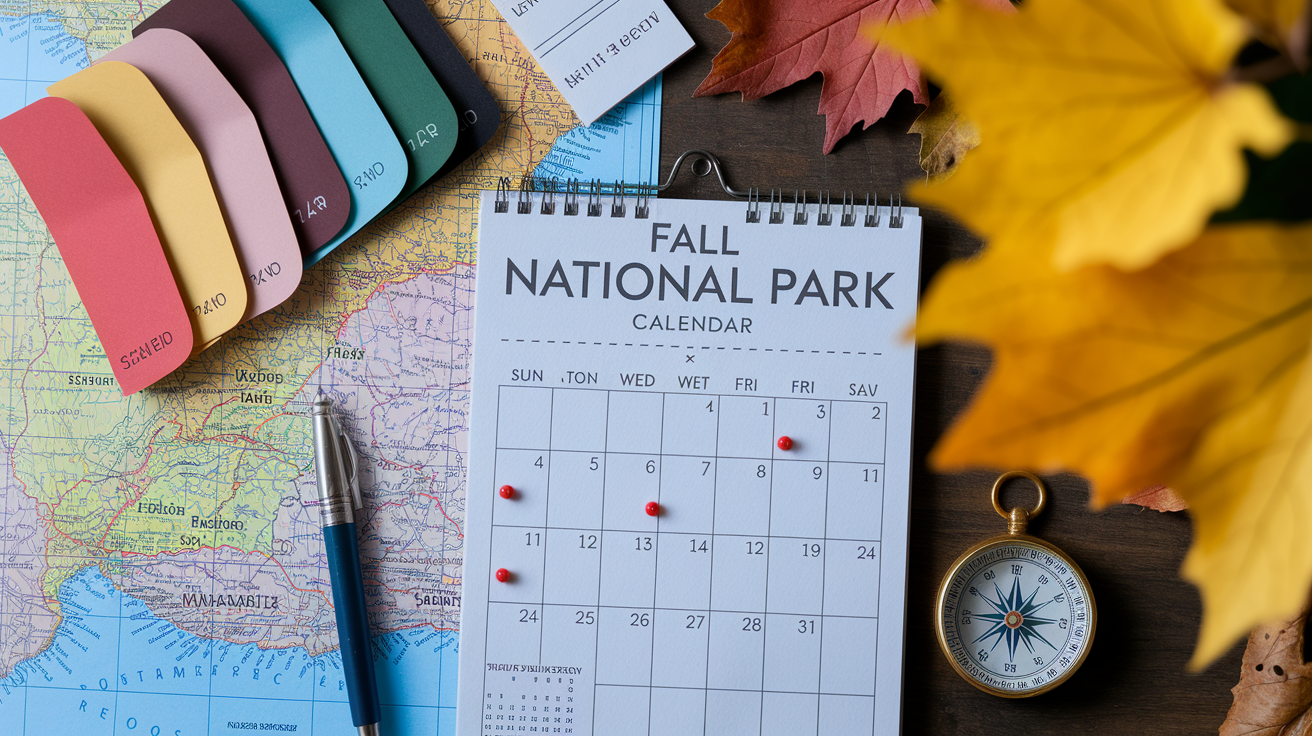
Peak foliage timing shifts depending on elevation, latitude, and how the weather’s been behaving. New England parks like Acadia peak earliest, usually late September through mid-October. Southern and desert parks often hold their best conditions into November.
Mountain parks in the Rockies and the northern ranges generally peak in late September and early October. Rocky Mountain’s aspens hit their stride around the last week of September. Glacier’s alpine larches turn golden in mid-to-late October. Parks at lower elevations or farther south, like Great Smoky Mountains and Shenandoah, can stretch peak color through the end of October.
Desert parks such as Joshua Tree, Zion, and the Grand Canyon become ideal in October and November. Daytime temperatures drop into the 70s and 80s, making long hikes far more comfortable.
Weather can shift the calendar by a week or two in either direction. Check regional foliage forecasts and park alerts before you finalize dates. If you’re flexible, aim for mid-season windows in each region and have a backup plan if an early freeze or late-summer heat moves the peak.
Best Fall Activities in National Parks
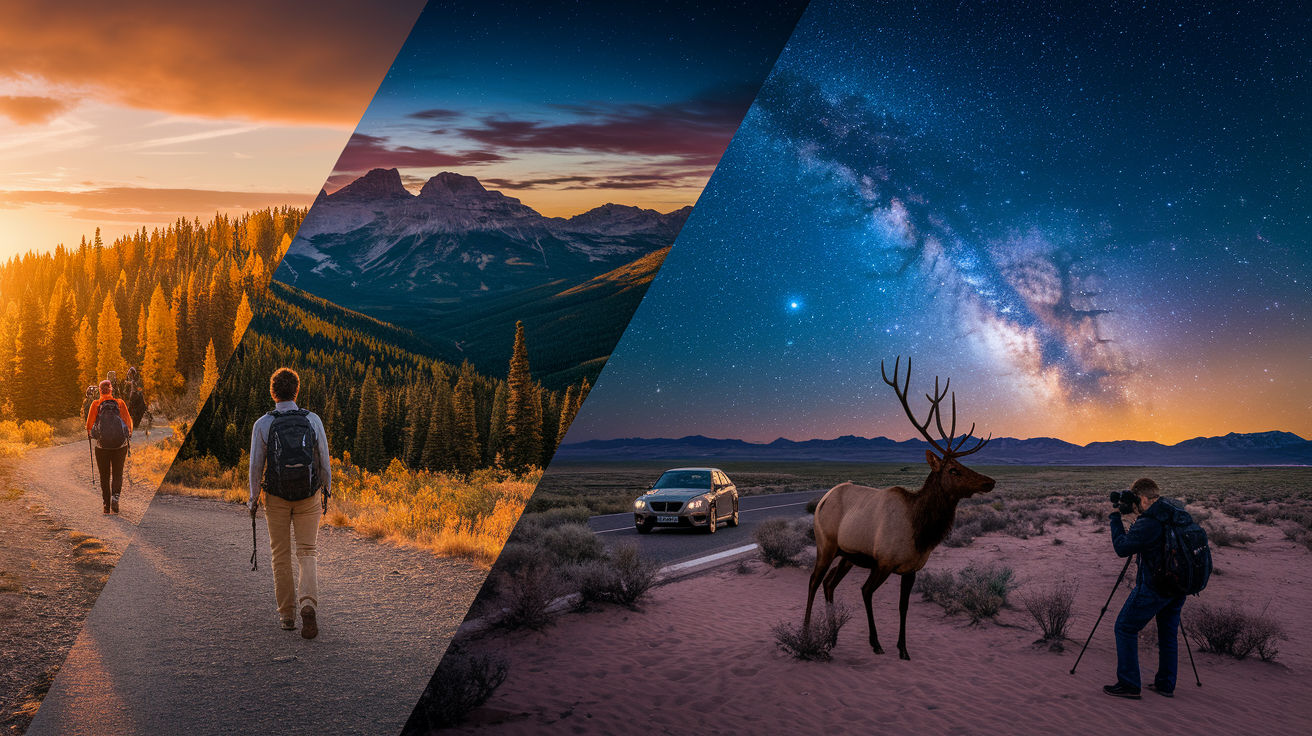
Cooler fall temperatures make long hikes, backcountry routes, and all-day drives way more comfortable than summer’s heat. Trails that felt exhausting in July become enjoyable in October. Visibility often improves as haze clears and skies sharpen. Wildlife activity picks up across nearly every park as animals forage heavily before winter.
Popular fall activities:
Scenic drives — Routes like Skyline Drive, Going-to-the-Sun Road, and Trail Ridge Road offer sweeping color views without leaving your car.
Elk rut viewing — September and October bring bugling bulls and sparring displays in parks like Rocky Mountain, Yellowstone, and Grand Teton.
Photography — Softer light, vibrant foliage, and early snow on peaks create ideal conditions for landscape and wildlife shots.
Stargazing — Clear, dry fall nights in desert parks like Joshua Tree offer some of the best views of the Milky Way.
Fall festivals and orchard visits — Capitol Reef allows visitors to pick apples and pears from historic pioneer orchards during harvest season.
Mountain and forest parks deliver the most dramatic color and wildlife activity. Desert parks shift the focus to comfortable temperatures, night skies, and golden-hour photography. Match your activity list to the park type you’re visiting, and plan around the seasonal highlight that matters most to you.
Regional Breakdown of Top Fall Parks
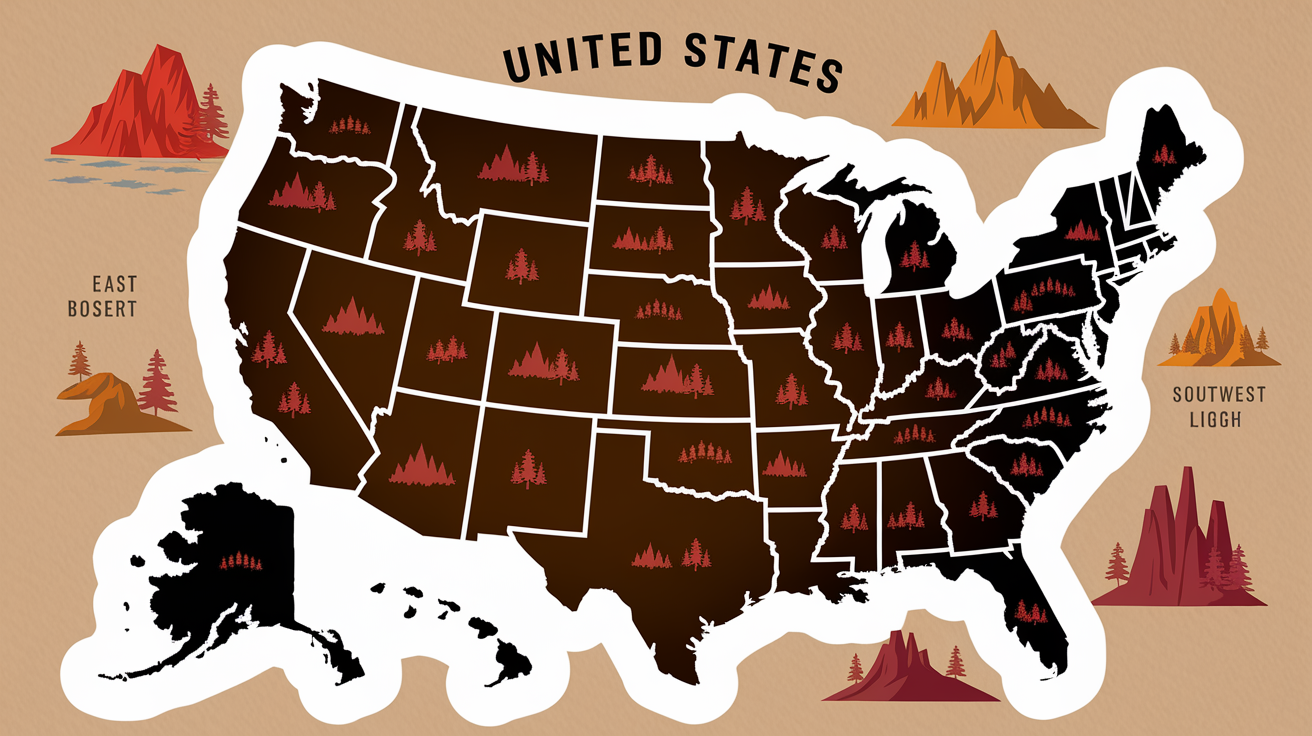
East Coast parks are built for classic autumn foliage. Acadia National Park in Maine combines coastal granite cliffs with dense hardwood forests that turn brilliant red, orange, and yellow from mid-September through mid-October. Shenandoah National Park in Virginia runs Skyline Drive along a mountain ridge for 150 miles, offering layered views of the Blue Ridge Mountains blanketed in fall color.
Great Smoky Mountains National Park straddles Tennessee and North Carolina and draws massive crowds for its accessible foliage drives and short trails, peaking from mid-September through late October. New River Gorge in West Virginia offers similar color with far fewer visitors, plus the annual Bridge Day festival in mid-October.
Western mountain parks showcase aspens, alpine larches, and dramatic elevation changes. Rocky Mountain National Park in Colorado turns golden along Trail Ridge Road and around Bear Lake in late September. Grand Teton and Yellowstone in Wyoming offer early fall color combined with the elk rut and increased predator activity, peaking in September. Glacier National Park in Montana transitions through September, with its rare alpine larches turning golden in October before dropping their needles. These parks see early snow at higher elevations, so plan September visits to maximize trail access.
Desert and southwestern parks extend the fall season into November. Zion, Arches, Canyonlands, Bryce Canyon, and Capitol Reef in Utah offer warm days, cool nights, and soft desert light ideal for photography and long hikes. Joshua Tree in California becomes comfortable for hiking and climbing in late October and November. The Grand Canyon’s South Rim sees daytime temperatures drop into the 60s and 70s by September, making rim walks and partial descents far more manageable than summer’s triple-digit heat.
East Coast parks require the tightest timing windows due to shorter peak periods. Western desert parks offer more flexibility and can be visited comfortably well into November. Consider travel distance, preferred climate, and whether you want traditional leaf color or warm-weather hiking when choosing your region.
Practical Planning Tips for Fall National Park Trips

Crowds drop significantly after Labor Day across most parks, but popular foliage destinations like Acadia and Great Smoky Mountains still see heavy weekend traffic during peak color. Visit mid-week when possible. Expect some campgrounds, visitor centers, and seasonal roads to reduce hours or close entirely as fall progresses. Weather can shift quickly at higher elevations, so September visitors to mountain parks should prepare for both warm afternoons and near-freezing mornings.
Some parks require advance reservations even in fall. Arches enforces timed-entry windows through the end of October, and Acadia requires reservations for the Cadillac Mountain road from late May through late October. Popular campgrounds like Devil’s Garden at Arches and parts of Needles at Canyonlands allow reservations up to six months in advance and fill quickly for September and October weekends. If you’re visiting a high-demand park, book campsites, lodging, and any required permits as early as the reservation window opens.
Key planning tips for fall visits:
Layer your clothing — Mornings can be cold, afternoons warm, and evenings freezing, especially at elevation.
Check road and trail status — Some high-elevation routes close after early snowfall. Confirm accessibility before you drive.
Bring or rent a vehicle suitable for mountain or desert roads — Narrow, curvy park roads and unpaved side routes may limit large RVs or require 4X4 access.
Monitor foliage forecasts and park alerts — Timing can shift week to week. Regional leaf-forecast tools and official park pages help you catch peak windows.
Respect wildlife distance — Fall brings increased elk, bison, bear, and moose activity. Maintain safe viewing distances and never approach animals on foot.
Fall’s quieter trails, cooler weather, and reliable wildlife sightings make it one of the most rewarding seasons to visit national parks, as long as you prepare for variable conditions and book key reservations early.
Final Words
in the action we named parks that shine in autumn—Acadia, Great Smoky Mountains, Rocky Mountain—and explained timing, fall activities, regional differences, and smart planning tips.
Use the timing windows and activity ideas to match your pace. Pack layers, expect quick weather changes at elevation, and book any permits or busy drives in advance.
Remember that the best national parks to visit in fall in the United States are about slowing down, enjoying the colors, and choosing comfort over cramming. You’ll leave refreshed.
FAQ
Q: What is the most beautiful national park in the fall and which national park is best in October?
A: The most beautiful national park in fall depends on region; for October, Acadia, Great Smoky Mountains, and Rocky Mountain often peak—pick by timing, scenery type, and how much hiking you want.
Q: Which president set aside Yellowstone?
A: President Ulysses S. Grant set aside Yellowstone in 1872, creating the first national park; it’s known for geysers, hot springs, and wide wildlife viewing opportunities year-round.
Q: Is Bryce or Zion better?
A: Choosing between Bryce and Zion depends on taste: Bryce offers hoodoos and quieter rim walks, while Zion delivers deep slot canyons, big elevation changes, iconic hikes, and more visitors.