Itineraries
Best 7 Day Italy Itinerary: Rome, Florence & Venice Perfect Week
By marcusthornhill
January 31, 2026
Field Notes
Think you need two weeks to “do” Italy? You don’t.
This seven-day plan uses high-speed trains to link Rome, Florence, and Venice, with three nights in Rome, two in Florence, and two in Venice, so you hit the highlights without sprinting through every meal.
I’ll give a clear day-by-day route, ticket and timing tips, and easy pacing so you can enjoy gelato stops, museum must-sees, and real neighborhood dinners, not just checklists.
7-Day Italy Itinerary Covering Rome, Florence, and Venice
This seven-day route hits Rome, Florence, and Venice using high-speed trains to connect three of Italy’s biggest draws. You’ll spend three nights in Rome, two in Florence, and two in Venice. It’s enough time to see the major stuff without feeling like you’re sprinting through every meal.
Day 1 (Rome): Land at Fiumicino, grab the Leonardo Express train to Roma Termini (30 minutes, €14), drop your bags at the hotel, then walk the Centro Storico. Hit the Pantheon (€5 entry, €2 online booking fee), Piazza Navona, and Trevi Fountain. End up in Trastevere for dinner. Carbonara or cacio e pepe at a neighborhood trattoria. You’ll walk about two kilometers if you’re efficient, closer to four if you wander.
Day 2 (Rome): Get to the Colosseum early. The combined ticket for the Colosseum, Roman Forum, and Palatine Hill runs around €18. A guided tour gives you better context than just staring at ruins. Budget three to four hours, then break for lunch. After that, walk to Capitoline Hill for views or visit Largo di Torre Argentina (€7 in person, €8 online). Finish with a walk along the Tiber or dinner in Monti.
Day 3 (Rome): Book the earliest slot at the Vatican Museums (€20 entry plus €5 online fee). The museums and Sistine Chapel eat up most of the morning. After, visit St. Peter’s Basilica. Entry’s free, but dress modestly (covered shoulders and knees). Want to climb the dome? It’s €8 for stairs, €10 with partial elevator access. Online advance options jump to €17 or €22. Spend the afternoon at Castel Sant’Angelo or just walking quieter streets. Catch a high-speed train to Florence in the early evening. Frecciarossa or Italo runs about 1.5 hours and costs €20–€30 if booked a month ahead, €55 if you wait until the day before.
Day 4 (Florence): Check into your hotel near Santa Maria Novella station. Walk to the Duomo and climb Brunelleschi’s dome. The Brunelleschi Pass costs €30 and covers the Duomo, Cupola, Campanile, baptistery, museum, and crypt. Book the earliest or latest climb slot to dodge crowds. The dome’s more than 400 steep, narrow steps. Grab lunch, then explore Piazza della Signoria before heading to Piazzale Michelangelo for sunset views.
Day 5 (Florence): Hit the Uffizi Gallery first thing (€25 entry, €4 online booking fee). Book weeks ahead if you’re traveling in high season. A guided tour helps if you want context. In the afternoon, see Michelangelo’s David at Galleria dell’Accademia (€16 entry, €4 online fee). Reserve the first available slot. Spend the rest of the day in Oltrarno. Walk down from Piazzale Michelangelo, stop for wine at Le Volpi e l’Uva, gelato at Gelateria Della Passera, coffee at Ditta Artiginale.
Day 6 (Florence to Venice): Take an early train to Venice. Direct Freccia service runs about 2.5 hours and costs €26 if booked a month out, €59 day of. Arrive at Venezia Santa Lucia station and buy a vaporetto pass (one day €25, two day €35). Walk to your hotel, then explore St. Mark’s Square, the Basilica (€3 entry, €3 booking fee in peak season), and Doge’s Palace (€25 if reserved more than 30 days prior, otherwise €30). If you’re under 30, the Rolling Venice Pass costs €6 and gives discounts, but you’ll need at least a three day vaporetto pass (€27) to make it worthwhile. End the evening near the Rialto Bridge.
Day 7 (Venice): Take a half day vaporetto trip to Burano and Murano. Burano’s got colorful houses. Murano’s known for glassblowing demonstrations, which are usually free to watch. Get back to Venice by early afternoon. Gondola ride? Daytime rates are fixed at €80 for up to six people, €100 at sunset or later. Spend your last evening wandering quieter canals or having cicchetti and wine in a bacaro. Depart Venice the next morning via Marco Polo Airport. Alilaguna water bus costs €15 and takes up to 75 minutes, or take the ATVO bus from Piazzale Roma for €10 and about 25 minutes.
This routing works because high-speed trains keep travel time short and all three cities have compact, walkable centers. Rome’s airport transfers are straightforward. Venice’s departure options are easy to navigate. The three, two, two night split gives you enough time in each place without feeling rushed.
Reserve your Vatican time slot, Uffizi, Accademia, and Duomo climb as soon as your dates are set. In high season, popular slots sell out weeks ahead. Buy train tickets early for the lowest fares. Trenitalia and Italo both release tickets about four months in advance. If your schedule’s flexible, regional trains are cheaper but take three to four hours instead of 1.5, which eats into your sightseeing time.
Optional stuff: In Rome, consider a guided night tour of the Colosseum or an afternoon at Villa Borghese. In Florence, add a day trip to Siena or Bologna. Both are under two hours by train. In Venice, extend your island visit to include Torcello, or book an early morning photography walk before the crowds arrive.
Transportation and Train Travel Between Cities
Italy’s two main high-speed rail operators are Trenitalia (Frecciarossa) and Italo. Both run frequent service between Rome, Florence, and Venice, with trains departing roughly every 30 minutes during peak hours. Rome to Florence takes about 1.5 hours. Florence to Venice runs 2 to 2.5 hours. Tickets range from €20 to €60 depending on class, time of day, and how far in advance you book.
Regional trains also connect these cities but take way longer. Rome to Florence can stretch to four hours, and you’ll often need to transfer. Unless you’re on a very tight budget or have flexible time, stick with the high-speed options. The time saved is worth the fare difference, especially on a seven day trip.
Trenitalia and Italo both offer multiple fare classes. Base or “Economy” tickets are the cheapest but come with restrictions on changes and cancellations. Mid-tier tickets (Trenitalia’s “Base” or Italo’s “Comfort”) add flexibility and sometimes include seat selection and a snack. Premium classes offer larger seats, fewer passengers per car, and lounge access at major stations. For a one week trip, base or mid-tier is usually enough. Book directly on the Trenitalia website or app, or use Omio if you prefer an English interface with fewer navigation quirks.
- Book early for best prices. Tickets go on sale about four months ahead. Fares rise as departure dates approach, especially on popular morning and evening routes.
- Validate regional tickets. If you buy a paper regional ticket, you must validate it at the yellow or green machines on the platform before boarding. Skip this step and you risk fines.
- Arrive 15 minutes early. Italian trains depart on time. Platforms are posted about 20 minutes before departure on digital boards in the station.
- Store luggage smartly. Overhead racks fit carry-on bags. Larger suitcases go in designated luggage areas near the doors or at the ends of each car. Keep valuables with you.
Lodging Recommendations for Each City
In Rome, stay near Termini station, in Trastevere, or in the Centro Storico around Piazza Navona. Termini is the main train hub, so you’ll save time on arrival and departure days. The area has plenty of budget and mid-range hotels, but it feels more functional than charming. Trastevere offers narrow cobblestone streets, neighborhood restaurants, and a local feel, though you’ll walk or take a bus to reach major sites. Centro Storico puts you within walking distance of the Pantheon, Trevi Fountain, and Piazza Navona, but lodging costs more. Monti is another good option. Close to the Colosseum, quieter than the tourist center, with wine bars and small shops.
Florence’s historic center is compact, so most hotels are within a 15 minute walk of the Duomo. Staying near Santa Maria Novella station makes train travel easy and keeps you central. Santa Croce is slightly quieter, with good dining options and a more residential vibe. Oltrarno, across the river, feels less touristy and offers artisan shops and local markets, but you’ll cross the Arno daily to reach major museums. If you’re booking last minute or during peak season, expect higher rates in the center. Consider a guesthouse or short term rental if hotels are full or overpriced.
Venice lodging varies widely by neighborhood. San Marco is the busiest and most expensive, with constant crowds and premium pricing. Dorsoduro and Cannaregio are quieter, with better value and easier access to vaporetto stops. Castello offers a mix of local life and proximity to major sites. If you stay near Venezia Santa Lucia station, you’ll have an easier time with luggage on arrival and departure. Don’t book lodging deep in the maze of alleys unless you’re comfortable navigating narrow bridges and stairs with bags. Venice has no cars, so every trip is on foot or by boat.
Book lodging two to three months ahead for spring and fall travel, or as soon as dates are set if visiting in July, August, or around major holidays. Prices drop slightly in November through early March, but Florence and Venice can be cold and rainy. Look for properties that include breakfast to save time and money each morning.
Estimated Trip Costs and Budget Breakdown
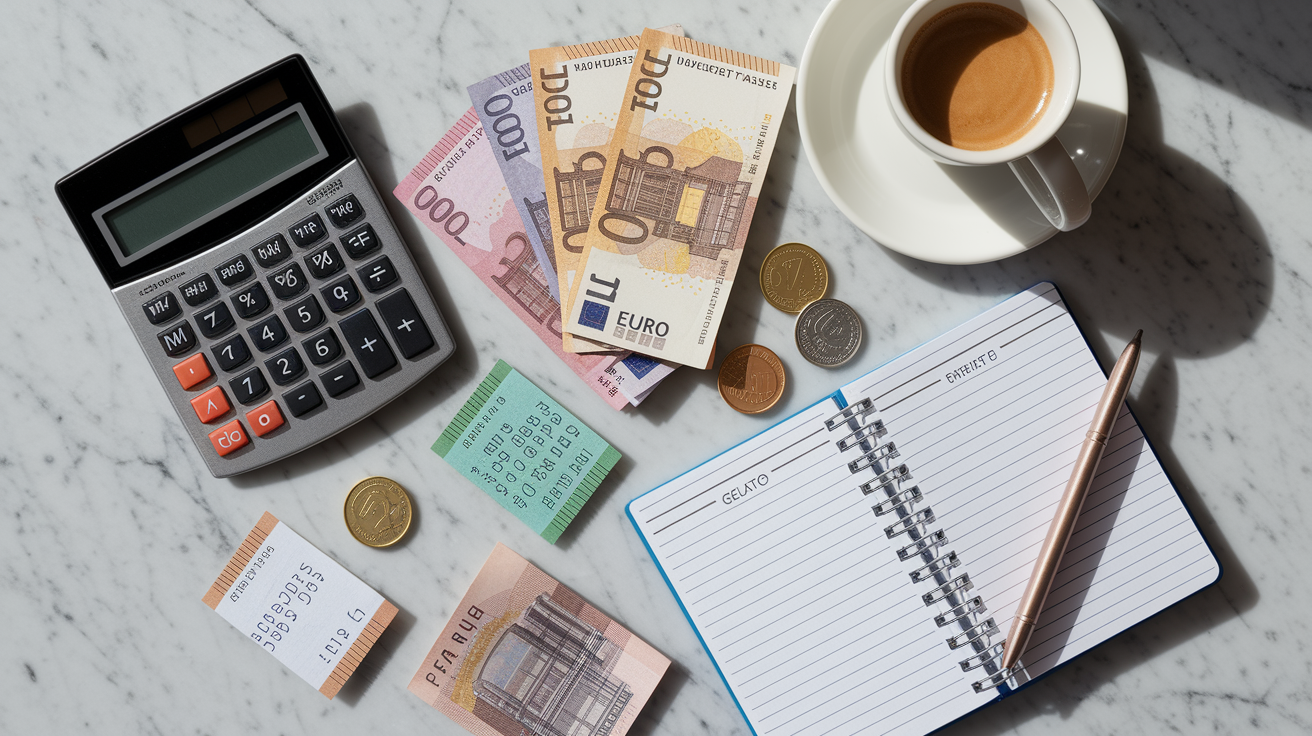
A seven day Italy trip covering Rome, Florence, and Venice typically costs between €800 and €1,800 per person, depending on lodging choices, dining habits, and how many museum tickets you buy. This estimate assumes mid-range preferences and advance booking for trains and major sites.
| Category | Typical Cost Range | Notes |
|---|---|---|
| Lodging | €60–€150 per night | Shared rooms or budget hotels at the low end. Private rooms in central neighborhoods at the high end. Seven nights total. |
| Food | €25–€45 per day | Breakfast at hotel or café, lunch at a trattoria, dinner at a mid-range restaurant. Add €10–€15 for gelato, coffee, and snacks. |
| Transportation | €20–€60 per train leg | Two intercity train rides (Rome to Florence, Florence to Venice). Add €15–€55 for airport transfers and €25–€35 for Venice vaporetto passes. |
| Activities | €20–€40 per day | Museum entries, dome climbs, guided tours. Major sites: Vatican Museums €25, Uffizi €29, Colosseum €18, Brunelleschi Pass €30. |
| Extras | €50–€100 total | Souvenirs, gondola ride (€80–€100 for up to six people), cooking class, or wine tasting. |
To save on major expenses, book trains and museum tickets as early as possible. High-speed train fares can drop by half if purchased a month or more ahead. Look for hotels that include breakfast. Fresh pastries, espresso, and simple hot dishes save both time and money. Use public transport instead of taxis. Rome’s metro and buses are inexpensive, and Venice’s vaporetto passes pay for themselves after a few rides. Skip guided tours if you’re comfortable with self-guided visits. Audio guides at major sites often cost less than €10 and cover the same ground. Eat lunch at trattorias or casual spots instead of dinner, when prices are higher and portions are similar. Save room in your budget for gelato and coffee, which are daily rituals and worth every euro.
Food and Restaurant Suggestions for Each Stop
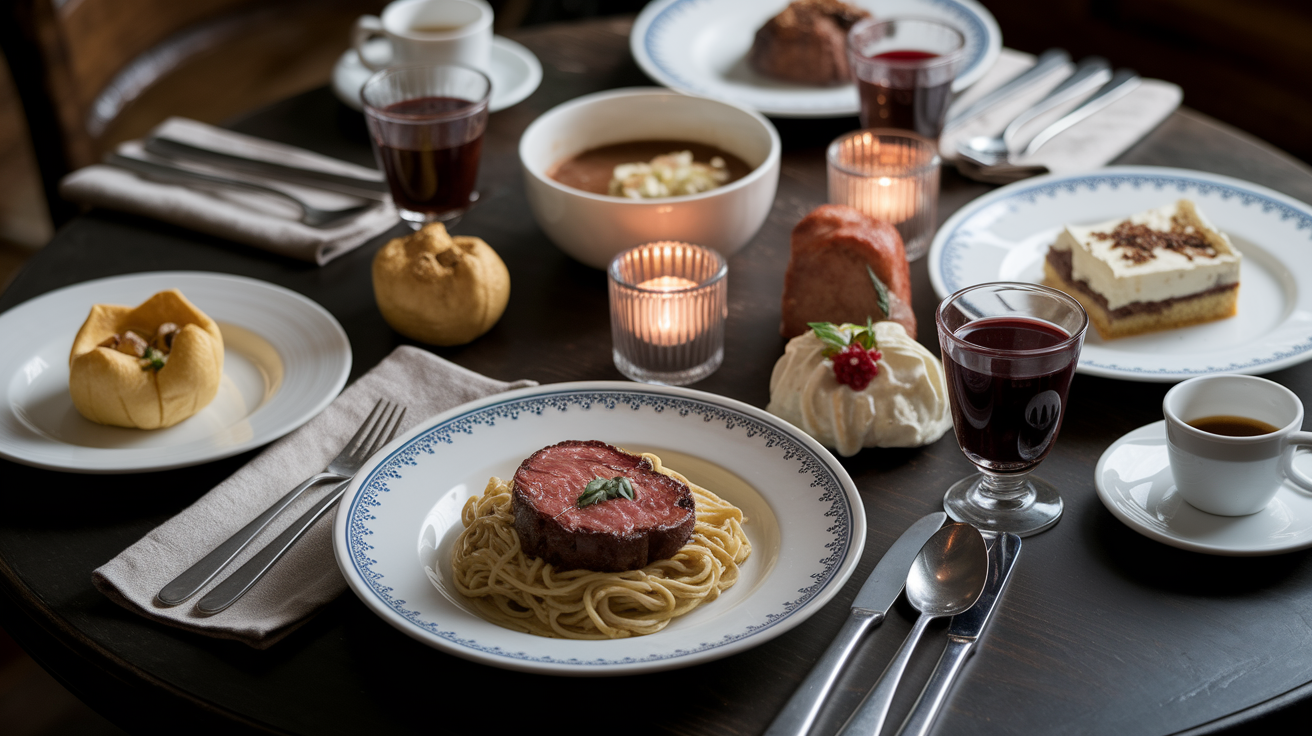
Rome’s signature dishes are simple and pasta focused. Cacio e pepe (cheese and pepper), carbonara (egg, guanciale, and pecorino), and amatriciana (tomato, guanciale, and pecorino) show up on nearly every menu. Order them at neighborhood trattorias in Trastevere or Testaccio, where locals eat and prices are reasonable. Supplì (fried rice balls with mozzarella) make a good snack between sites. For coffee, visit Tazza d’Oro or Sant’Eustachio near the Pantheon. Skip restaurants with photos on the menu or aggressive hosts outside. Those spots cater to tourists and charge more for less.
Florence is known for bistecca alla Fiorentina, a massive T-bone steak grilled rare and served by weight. Expect to pay €40–€60 for a steak that serves two. Trattoria dall’Oste and La Giostra are both recommended for steak and traditional Tuscan dishes. Try pappa al pomodoro (bread and tomato soup) and ribollita (vegetable and bread stew) if you want something lighter. Cheese wheel pasta restaurants toss fresh pasta in a hollowed wheel of Parmigiano-Reggiano. It’s a bit of a show, but the flavor is rich and worth it once. Gelateria Della Passera in Oltrarno serves excellent gelato, and Ditta Artiginale is the go to for espresso and pastries.
Venice specializes in seafood and cicchetti, small plates similar to Spanish tapas. Cicchetti bars (bacari) serve things like baccalà mantecato (creamed salt cod), sardines in saor (sweet and sour sardines), and fried seafood. Order a few plates, grab a glass of local wine, and move to the next spot. Ai Barbacani offers romantic canal window seating for dinner. Book early. Don’t eat right on Piazza San Marco or along the main tourist routes. Prices are inflated and quality drops. Walk a few blocks away from the crowds and you’ll find better food at half the cost.
Six dishes to try across the trip:
- Cacio e pepe (Rome)
- Carbonara (Rome)
- Bistecca alla Fiorentina (Florence)
- Ribollita (Florence)
- Baccalà mantecato (Venice)
- Tiramisu (any city, but especially good in Venice)
Italians typically eat lunch between 12:30 and 2:30 p.m., and dinner starts around 7:30 or 8:00 p.m. Many restaurants close between lunch and dinner service, so don’t expect to get a full meal at 4:00 p.m. Reservations aren’t always necessary at casual spots, but book ahead for popular restaurants or if you’re traveling on weekends or in high season. Tipping is not required. Service is often included in the bill. Rounding up or leaving a euro or two for good service is common.
Alternatives and Itinerary Variations
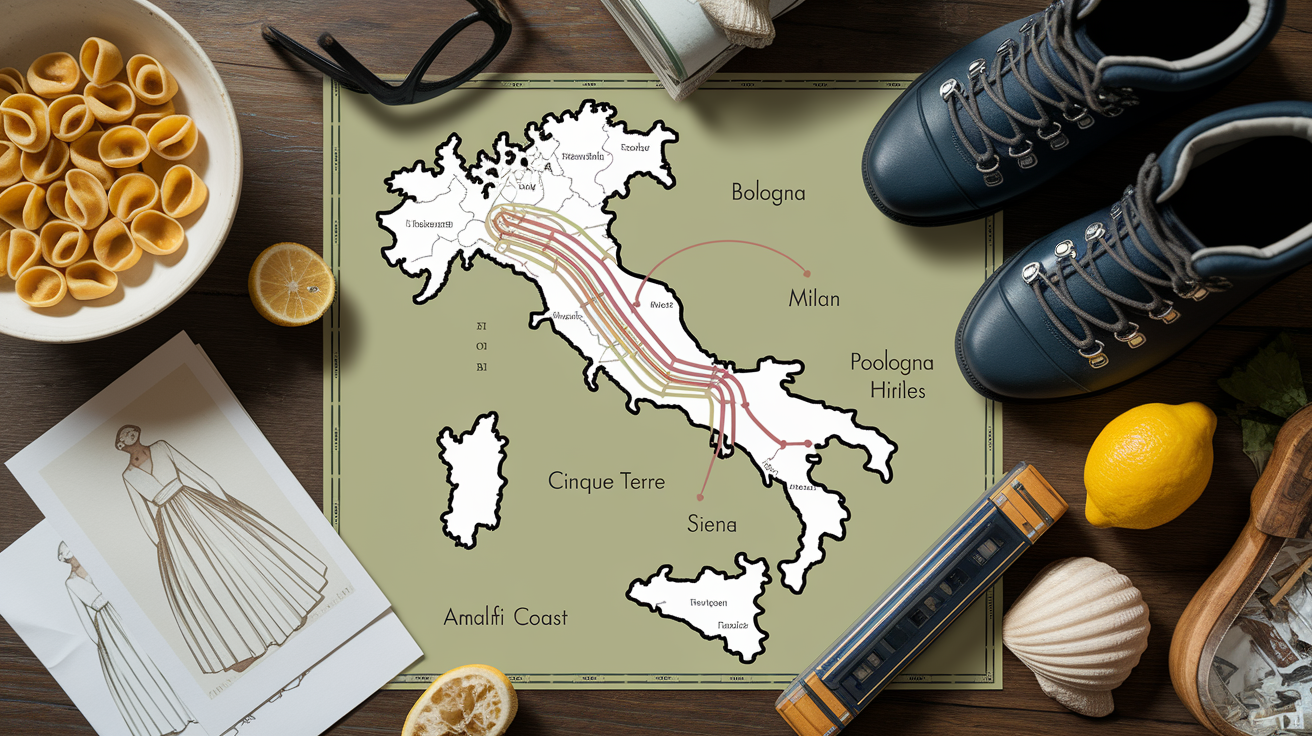
If you want to swap one of the three main cities, consider Bologna instead of Florence. Bologna’s smaller, easier to navigate, and known for incredible food. Tortellini, mortadella, tagliatelle al ragù (the original Bolognese), and Parmigiano-Reggiano all come from the Emilia-Romagna region. The city has fewer major museums than Florence, so it’s a better fit if you prefer eating and wandering over standing in museum lines. High-speed trains connect Bologna to Rome in about two hours and to Venice in just over an hour, so logistics stay simple.
Another option is to drop Venice and add the Amalfi Coast or Cinque Terre. The Amalfi Coast requires more travel time. You’ll need to get to Naples, then take a train or bus to Sorrento or Positano. But the coastal scenery and relaxed pace are worth it if you want beach time. Cinque Terre is closer to Florence (about three hours by train) and offers hiking, colorful villages, and seafood. Both feel slower and more spread out than Venice, so they’re better for travelers who want nature and quiet over dense urban sightseeing.
Four possible city swaps or modifications:
- Replace Florence with Bologna: Shorter, food focused, fewer crowds, easier logistics.
- Add Milan instead of Venice: Modern city, fashion and design focus, easy access to Lake Como, shorter travel time from Florence.
- Extend to Naples and Pompeii: Add two days after Rome for pizza, archaeology, and a different side of Italy.
- Include Siena as a day trip from Florence: Hilltown setting, smaller scale, beautiful cathedral, keeps your Florence base but adds variety.
Final Words
Start in Rome, hop a high-speed train to Florence, then finish in Venice. The seven-day plan lays out daily sights, travel timings, lodging picks, budgets, and top eats so you can move with less stress.
Book museums ahead, leave buffer time for trains and meals, and plan one light afternoon to wander. If you want a swap, consider adding Cinque Terre or the Amalfi Coast.
Treat this as your backbone for the best 7 day italy itinerary. Tweak it to your pace and enjoy the food, art, and canals. You’ve got this.
FAQ
Q: Is 7 days enough to visit Italy?
A: Seven days is enough to visit Italy if you focus on Rome, Florence, and Venice, plan 2-3 nights per city, use high-speed trains, and skip trying to see every region.
Q: When to avoid Italy in 2026?
A: You should avoid Italy in July and August, especially mid-August’s Ferragosto, because of heat, crowds, and many closures; also watch for national strike days and major public holidays in 2026.
Q: Is $1000 enough for a week in Italy?
A: A $1,000 budget for a week in Italy can work for frugal travelers if it excludes transatlantic flights; choose hostels or budget B&Bs, eat simply, book trains early, and limit paid attractions.
Q: What not to do in Italy as an American?
A: As an American in Italy, don’t expect US service norms; avoid loud public behavior, over-tipping, skipping ticket validation on trains, entering churches without modest dress, or eating only at tourist-trap restaurants.