Featured
Budget-Friendly Winter Ski Resorts for Families in Europe
By colepatterson
February 21, 2026
Field Notes
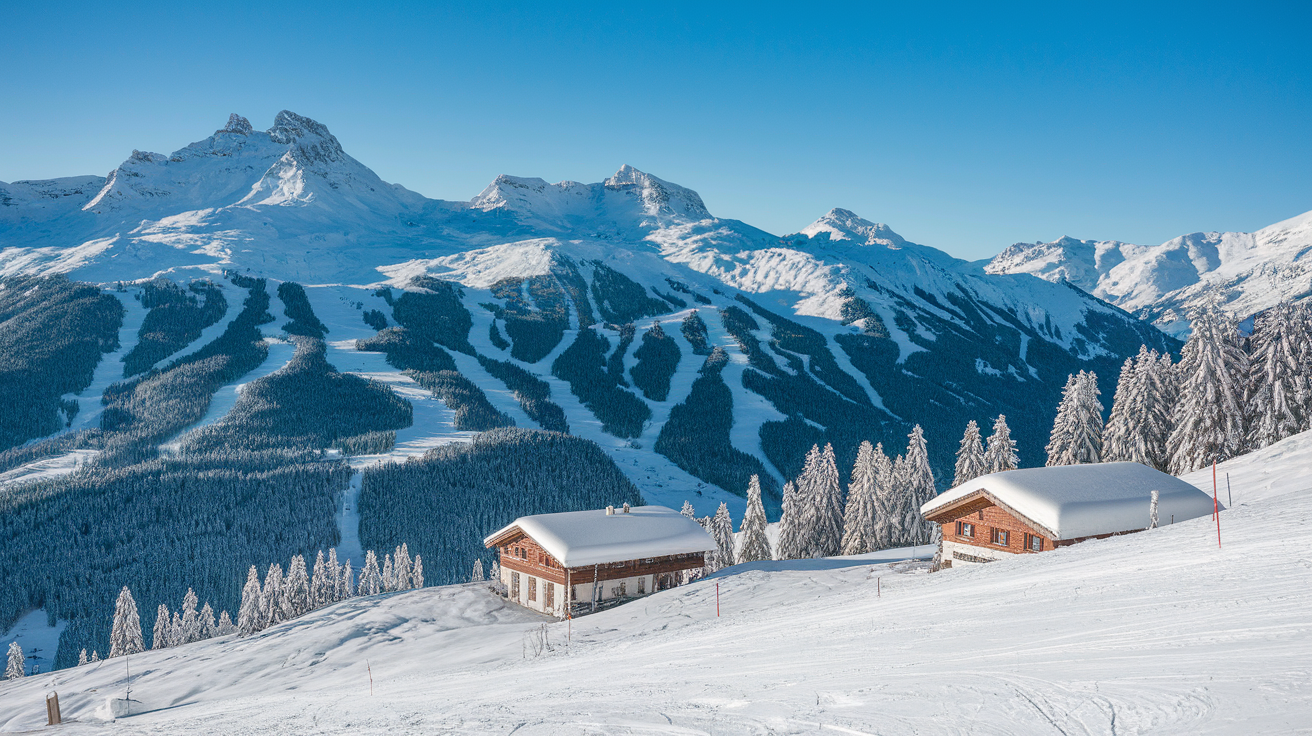
Ski trips shouldn’t mean choosing between your kids having fun and paying your mortgage next month. But most European resorts price families out before you even get to the slopes. Here’s the reality: lift passes, lessons, lodging, and food add up fast, and the famous resorts know it. The good news is a handful of lesser-known spots across Europe deliver real snow, solid infrastructure for beginners, and costs that won’t wreck your budget. This guide breaks down eight resorts where families can actually afford to ski together without cutting corners on safety, snow quality, or the experience itself.
Top Affordable Family Ski Destinations in Europe for Winter Trips
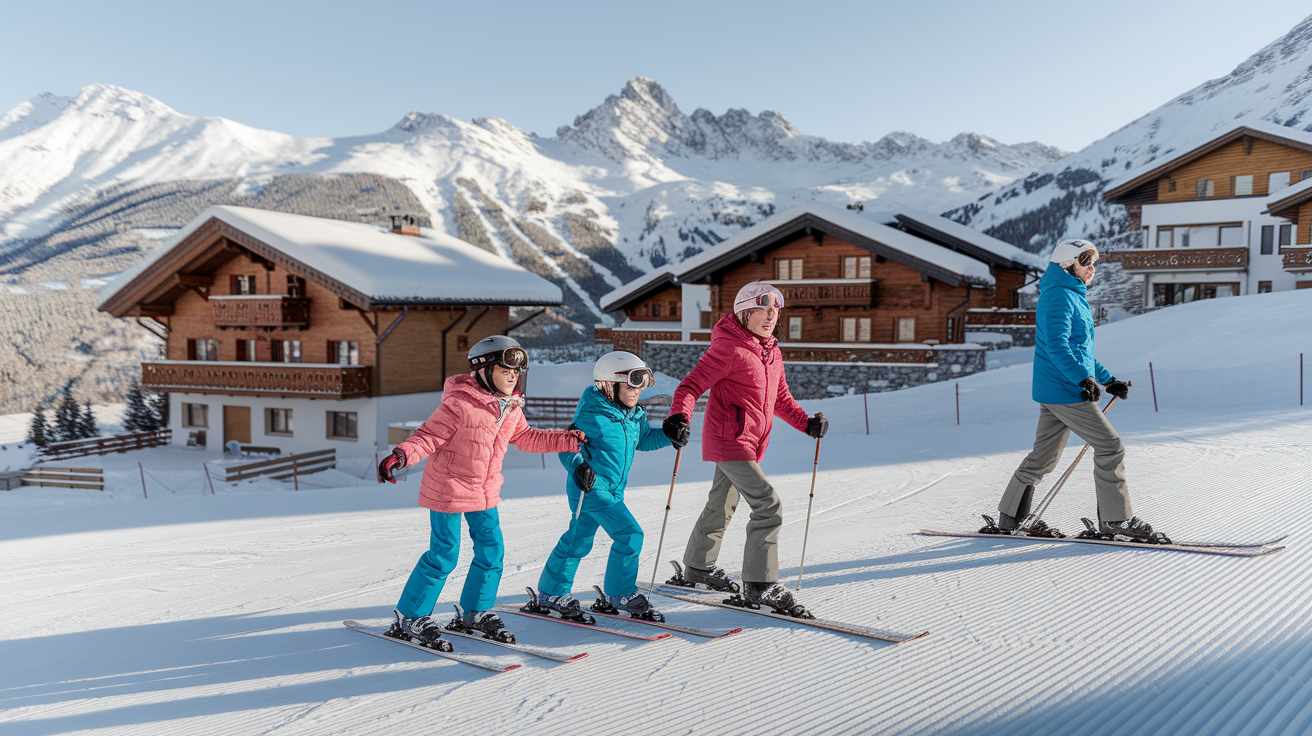
Budget-friendly family skiing really comes down to four things: lift passes that don’t sting, nursery slopes where kids can actually learn without needing constant supervision, lessons or childcare you can afford, and lodging that won’t force you to eat instant noodles for a week. The best European resorts deliver all of that without making you choose.
These resorts work because they combine real value with infrastructure built for families. Sestriere gives you 248 miles of slopes and 117 snowmakers, so it’s one of the most reliable snow picks in Italy if you’re watching your budget. Grand Tourmalet charges around €53 per adult for a day pass and lets kids ride electric snowmobiles from age six. Vogel runs from November through May and has nursery slopes where beginners can practice without buying a full lift pass. Jasná delivers 31 miles of pistes with 20 lifts, plus an 11-minute cable car that gets families up fast. Orelle sits inside the massive Les 3 Vallées network but keeps accommodation cheap across its 10 small hamlets, with a 13-minute gondola linking you to 372 miles of terrain. Bardonecchia is 90 minutes from Turin by car or train, has northwest-facing slopes with active snowmaking, and costs less than most resorts that hosted the Winter Olympics. Serre Chevalier holds snow really well on its northeast-facing slopes and stays unpretentious. Alpbach offers 70 miles of trails, four nursery slope areas, and a lift pass that includes free bus rides around the village.
Top Budget-Friendly Family Ski Resorts in Europe:
Sestriere, Italy — Part of the Via Lattea network with 248 miles of slopes, 117 snowmakers, and connections into France. Slope-side spots like Ristorante Pizzeria Da Costa offer strong value.
Grand Tourmalet, France — 62 miles of Pyrenees terrain with day passes from €53 per adult. Includes electric snowmobile rides for kids from age six and free guided winter hikes.
Vogel, Slovenia — 13 miles of slopes above Bohinj Valley. November to May season. Nursery slopes where a lot of runs don’t require a full lift pass, just a single cable-car fare.
Jasná Nízke Tatry, Slovakia — Central Europe’s largest in this group with 31 miles of pistes and 20 lifts. High-tech cable car reaches Mt Chopok in 11 minutes. Cheap lift passes with dynamic online pricing.
Orelle, France — 10 small hamlets inside Les 3 Vallées. 93 miles of local slopes, 29 lifts. 13-minute gondola into the main network. Budget dorms and family rooms at places like The Hob.
Bardonecchia, Italy — 2006 Winter Olympics host with terrain from 4,260 ft to 9,180 ft. 90-minute drive or direct train from Turin. Northwest-facing slopes with snowmaking for reliability.
Serre Chevalier, France — Largest southern Alps area in this group. Around 80 northeast-facing slopes that hold snow well. Less crowded and less expensive than neighboring resorts.
Alpbach, Austria — 70 miles of trails, four nursery slope areas, and a lift pass covering local buses. Family-run hotels like Hotel Iris keep costs down.
Comparing Europe’s Best Budget Ski Resorts for Families by Region
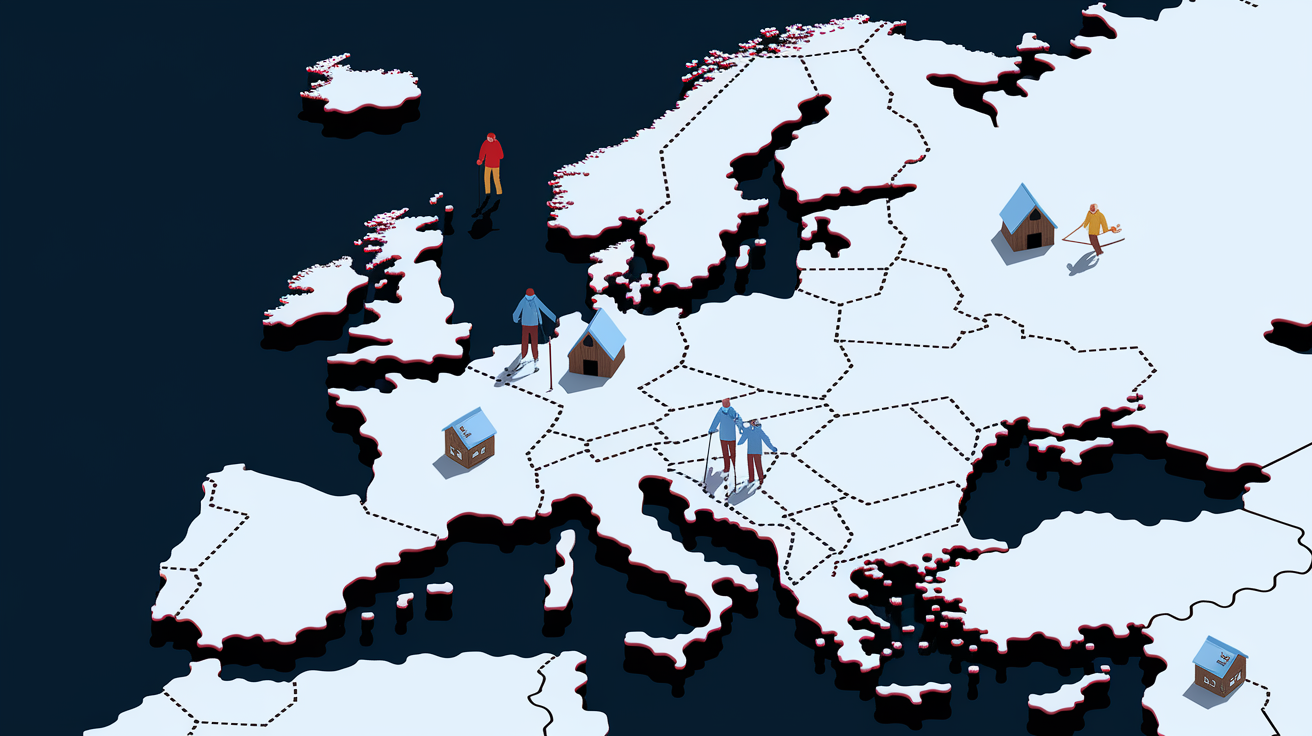
Regional comparison matters because some parts of Europe just deliver better value across the board. Eastern Europe and the Balkans offer steep discounts on lift passes, lessons, and lodging. Bulgaria’s three main resorts charge a fraction of what you’d pay in the Alps and run English-speaking ski schools. Slovenia combines lower prices with proximity to iconic lakes and national parks. Italy, especially in the Dolomiti and Via Lattea areas, undercuts France on food, lessons, and passes while offering equal or better terrain. France stays pricier overall, but choosing smaller hamlets like Orelle or peripheral bases like Brides-les-Bains cuts costs fast. Austria and Andorra sit in the middle, balancing charm and accessibility with moderate pricing.
The table below breaks out regional differences with specific family-friendly features and value markers. Use it to narrow your search by what matters most, whether that’s nursery slopes, quick access, or simply the lowest lift-pass price.
| Region | Example Resort | Key Family Feature | Indicative Value Detail |
|---|---|---|---|
| Bulgaria | Bansko | English-speaking ski schools; cheap half-board packages | One-week package from ~£500 per person including flights, transfers, accommodation, food |
| Slovenia | Vogel | Nursery slopes that may not require full lift pass; uncrowded | Large pizza ~€7; one-week half-board from ~€600 per person |
| Italy | Sestriere | 248 miles of slopes; 117 snowmakers; slope-side value dining | Food, ski school, and lift passes typically cheaper than France; cross-border access to Montgenèvre |
| France (budget bases) | Orelle | 13-min gondola into Les 3 Vallées; dorms and family rooms available | Access to 372 miles of slopes; accommodation in small hamlets cuts costs sharply |
| Slovakia | Jasná Nízke Tatry | Cheap lift passes; 11-min cable car to Mt Chopok; freestyle zones | Dynamic online pricing lowers pass costs; 31 miles of pistes with 20 lifts |
| Austria | Alpbach | Four nursery slope areas; lift pass includes local buses | 70 miles of trails; family-run hotels like Hotel Iris; charming wooden-chalet village |
| Spain (Pyrenees) | Baqueira-Beret | Strong beginner terrain; nearby town Vielha offers cheaper lodging | Access to large ski area; base in Vielha to save on accommodation |
Family-Focused Ski Facilities That Keep Trips Affordable
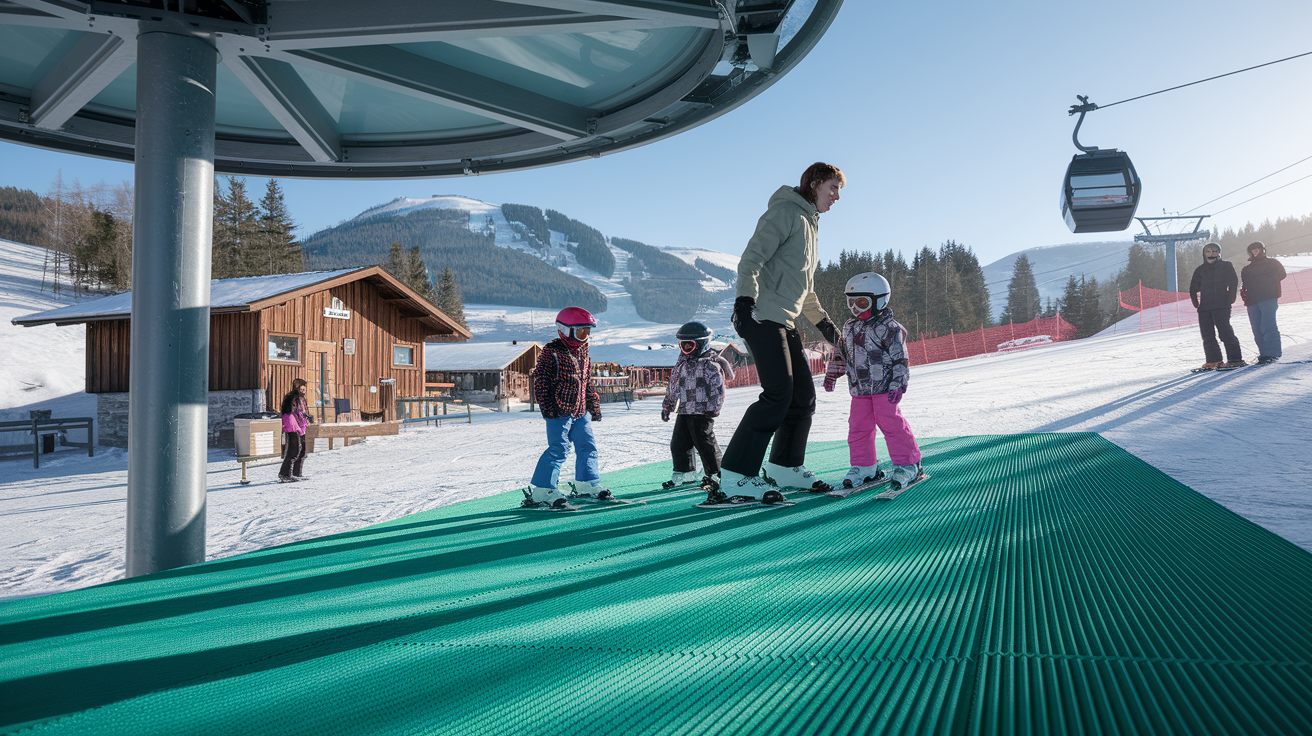
The right facilities do more than make skiing easier for kids. They cut your costs directly. Nursery slopes that don’t require a full lift pass mean you’re not buying expensive tickets for toddlers who’ll spend 90 minutes on a magic carpet. Ski schools with affordable group lessons in English mean you’re not paying premium rates for private instruction or translation. Beginner areas close to the village base mean you’re not burning money on gondola rides just to reach a green run.
Vogel in Slovenia is a standout. A lot of its nursery slopes sit below the main resort, so beginners can practice for the price of a single cable-car fare instead of a full lift pass. Alpbach in Austria offers four separate nursery slope areas, spreading out learners and keeping wait times low. Val Cenis in France is known for long, gentle green runs with low queues, perfect for families who want to ski together without constant separations. Bulgaria’s resorts (Bansko, Borovets, and Pamporovo) staff English-speaking instructors at ski schools that charge way less than their Alpine counterparts. Grand Tourmalet goes beyond skiing with electric snowmobile rides for kids from age six, free guided winter hikes, and visits to the Pic du Midi observatory at 9,438 feet.
When you’re evaluating family facilities, check for these money-saving features. Covered magic carpets mean kids can learn in comfort even in bad weather. On-site terrain parks let older children progress without paying for off-mountain activities. Long seasons, like Vogel’s November to May window, give you flexibility to book cheaper shoulder-season dates. Gondola or cable-car links that take under 15 minutes (like Orelle’s 13-minute ride or Jasná’s 11-minute cable car) reduce the stress and cost of shuttling tired kids up and down the mountain. Lift passes that include local bus transport, as in Alpbach, get rid of the need for rental cars or taxis within the village.
Family Facilities That Cut Costs:
Nursery slopes that don’t require full lift passes. Vogel lets beginners stay below the resort for just a cable-car fare.
Multiple beginner areas spread across the resort. Alpbach’s four nursery zones reduce crowding and wait times.
Affordable group ski lessons in English. Bulgaria’s resorts offer instruction at a fraction of Alpine prices.
Free guided activities. Grand Tourmalet runs free winter hikes and offers observatory visits.
Short, modern gondola links. Orelle (13 minutes) and Jasná (11 minutes) get families on snow fast without long queues.
Lift passes that include village transport. Alpbach’s pass covers local buses, cutting out extra transport costs.
Accommodation Strategies for Budget-Friendly European Ski Holidays
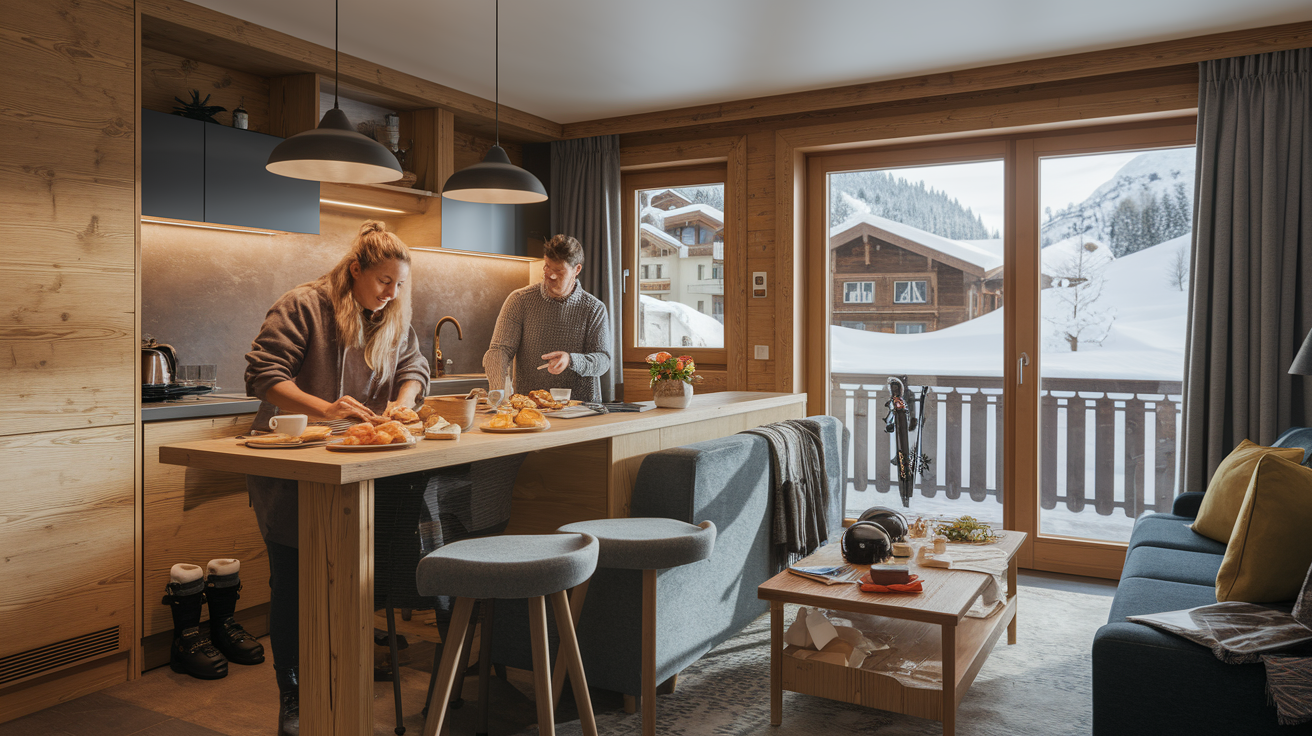
Where you sleep shapes your budget more than almost any other decision. A mid-range hotel in a famous resort can cost as much per night as your entire lift-pass budget for the week. Choosing the right lodging style and location can cut your accommodation spend in half while keeping you close to the slopes and the village.
Self-catering apartments or chalets are hands down the best way to control food costs. When you can cook breakfast, pack lunches, and make a few dinners in your room, you avoid the daily bleed of resort restaurants. La Plagne gets recommended for self-catering stays because of the variety of well-equipped apartments. Livigno benefits from duty-free status, meaning groceries, alcohol, and even gear cost less than in standard resorts. Staying in smaller hamlets instead of the main resort village drops prices right away. Orelle, with its 10 hamlets inside the Les 3 Vallées network, offers budget dorms and family rooms at spots like The Hob while keeping you a 13-minute gondola ride from the heart of the action. For Baqueira-Beret in Spain, basing in the nearby town of Vielha instead of slope-side lodging saves money without adding real commute time. Family-run hotels and chalets, especially in Austria, deliver lower nightly rates and often include perks like breakfast or sauna access. Alpbach’s Hotel Iris is a good example.
5 Steps to Select Budget-Friendly Family Lodging:
-
Filter for self-catering options first. Look for apartments or chalets with kitchens, then compare nightly rates against hotel plus meal costs to see the real savings.
-
Search in smaller hamlets or neighboring towns. Resorts like Orelle and towns like Vielha offer the same lift access at lower accommodation prices.
-
Book family-run hotels instead of chain properties. Places like Hotel Iris in Alpbach often include extras like breakfast, free Wi-Fi, and flexible check-in without charging resort premiums.
-
Check for duty-free or low-tax locations. Livigno and Andorra both reduce the cost of groceries, drinks, and gear, which compounds savings if you’re self-catering.
-
Use dorm-style or family-room configurations. Budget lodges like The Hob in Orelle offer six-person dorms and family rooms that cut per-person nightly costs compared to booking multiple standard rooms.
Cutting Lift Pass, Rentals, and Lesson Costs for Families
Lift passes, rentals, and lessons are the big three on-mountain expenses. Smart families attack all three with the same strategy: book early, choose resorts with transparent pricing, and take advantage of bundled deals or dynamic discounts.
Lift-pass costs vary wildly across Europe. Grand Tourmalet in France charges around €53 per adult for a day pass, which is reasonable but not the cheapest. Jasná in Slovakia advertises cheap lift passes and uses dynamic online pricing, meaning if you book ahead or catch off-peak windows, you pay even less. Czech resorts go further. Harrachov offers day passes for around €10, and Rokytnice or Jizero sell six-day passes for roughly £75. Andermatt in Switzerland charges 273 CHF for a six-day pass but offers a half-price subscription model. Pay an initial 69 CHF for the season, then buy discounted day tickets after that. Sestriere’s 117 snowmakers and long season mean your pass investment is protected against poor early or late-season conditions. Pamporovo in Bulgaria bundles ski and lesson packages, cutting the combined cost of instruction and lift access.
Rental costs drop when you avoid resort shops and book online ahead of time. Look for multi-day or family-package rates. If your kids are growing fast, renting beats buying until they hit a stable size. For families making multiple trips per season, buying second-hand boots and skis for older kids can pay off, but for one-off holidays or beginners, rentals stay cheaper. Ski lessons cost less in Eastern Europe and Italy than in France or Switzerland. Bulgaria’s English-speaking instructors charge way lower hourly and weekly rates. Pamporovo’s bundled deals are a good example. Book a package that includes your lift pass, rentals, and lessons upfront, and the per-item cost falls.
6 Ways to Reduce Gear and Lift Costs:
Book lift passes online with dynamic pricing. Resorts like Jasná lower prices for advance purchases. Check midweek or shoulder-season windows for the deepest discounts.
Choose resorts with transparent, low base prices. Czech Republic resorts like Harrachov (€10/day) and Rokytnice (£75 for six days) keep families on snow without financial stress.
Look for bundled ski plus lesson packages. Pamporovo in Bulgaria combines lift access, rentals, and lessons into one discounted rate.
Rent equipment online before arrival. Pre-booking rentals online almost always beats walk-up resort-shop prices and guarantees availability.
Use subscription or family-pass discounts. Andermatt’s 69 CHF subscription unlocks half-price day tickets. Some resorts offer discounted family passes for two adults plus children.
Prioritize resorts with strong snowmaking. Sestriere’s 117 snowmakers and Bardonecchia’s active snowmaking extend the season and protect your lift-pass investment from closures.
Getting There: Budget Transport Options for Family Ski Trips
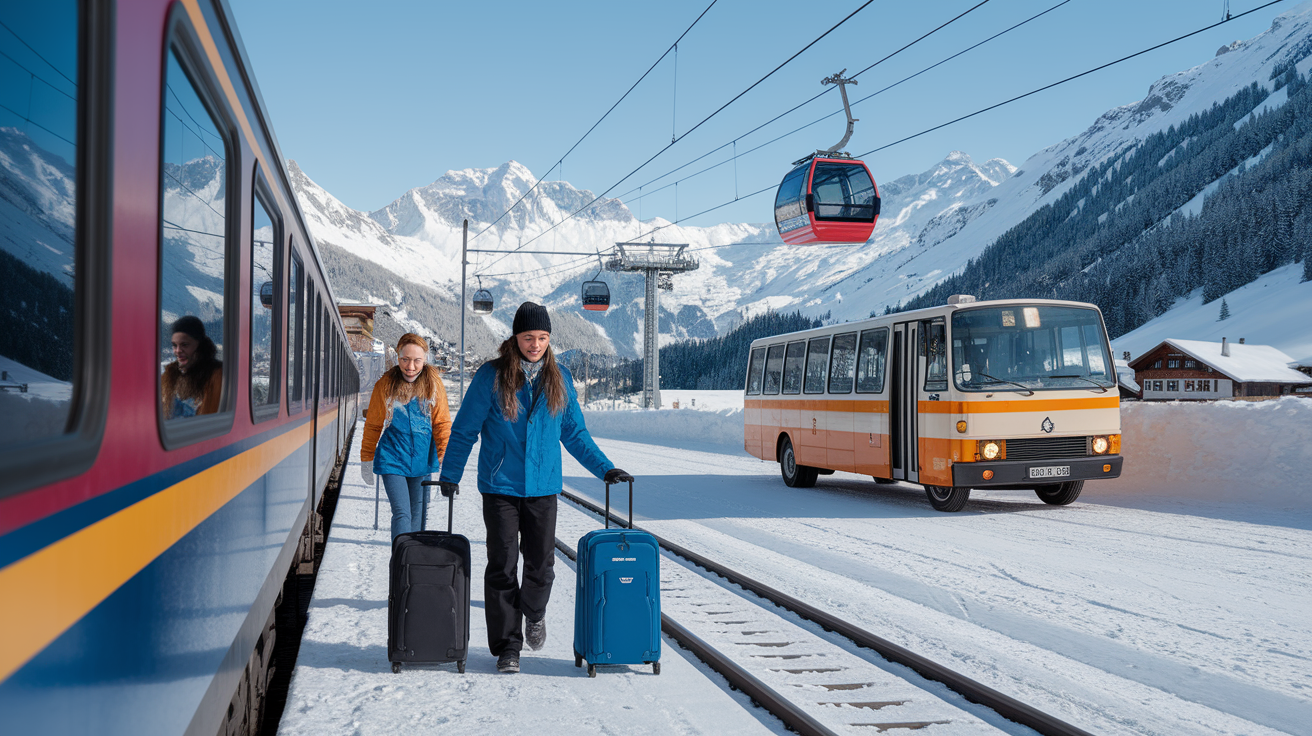
Transport is the hidden budget killer. A cheap resort can become expensive fast if flights, transfers, and local shuttles add hundreds per person. The best-value ski trips start with budget flights to accessible airports, continue with low-cost transfers, and finish with free or cheap local transport once you’re in the village.
Bardonecchia sits 90 minutes from Turin by car and gets served by a direct train line, making it one of the easiest Italian resorts to reach without renting a car. Orelle’s 13-minute gondola link into Les 3 Vallées means you can stay in a quiet, affordable hamlet and still access 372 miles of slopes without paying for parking or fuel. Andorra gets accessed best via Barcelona, with bus transfers taking around three hours and costing roughly €15 per person. Zurich to Andermatt costs 50 CHF one way by train, or about two hours by car if you’re comfortable driving in snow and carrying chains. Ruka in Finland benefits from a long season and accessible airports, with English-speaking services throughout. Alpbach includes local bus rides in the lift pass, so once you’re there, getting around the village and to different slope areas costs nothing extra.
5 Transport-Saving Methods for Family Ski Trips:
Fly into budget-friendly hubs and take buses or trains. Barcelona to Andorra costs around €15 by bus. Zurich to Andermatt is 50 CHF by train. Both beat expensive airport taxis or long car rentals.
Choose resorts with direct train service. Bardonecchia’s 90-minute train from Turin gets rid of rental-car and fuel costs.
Use gondola or cable-car village links. Orelle’s 13-minute gondola and Jasná’s 11-minute cable car let you base in cheaper areas and ride up to the main slopes without driving.
Book transfers as part of accommodation packages. A lot of budget ski packages to Bulgaria and Slovenia include airport transfers in the total price.
Look for lift passes that cover local buses. Alpbach’s pass includes village transport. Check if your resort offers similar perks to avoid paying for taxis or shuttle tickets.
Budget-Friendly Family Activities Beyond Skiing
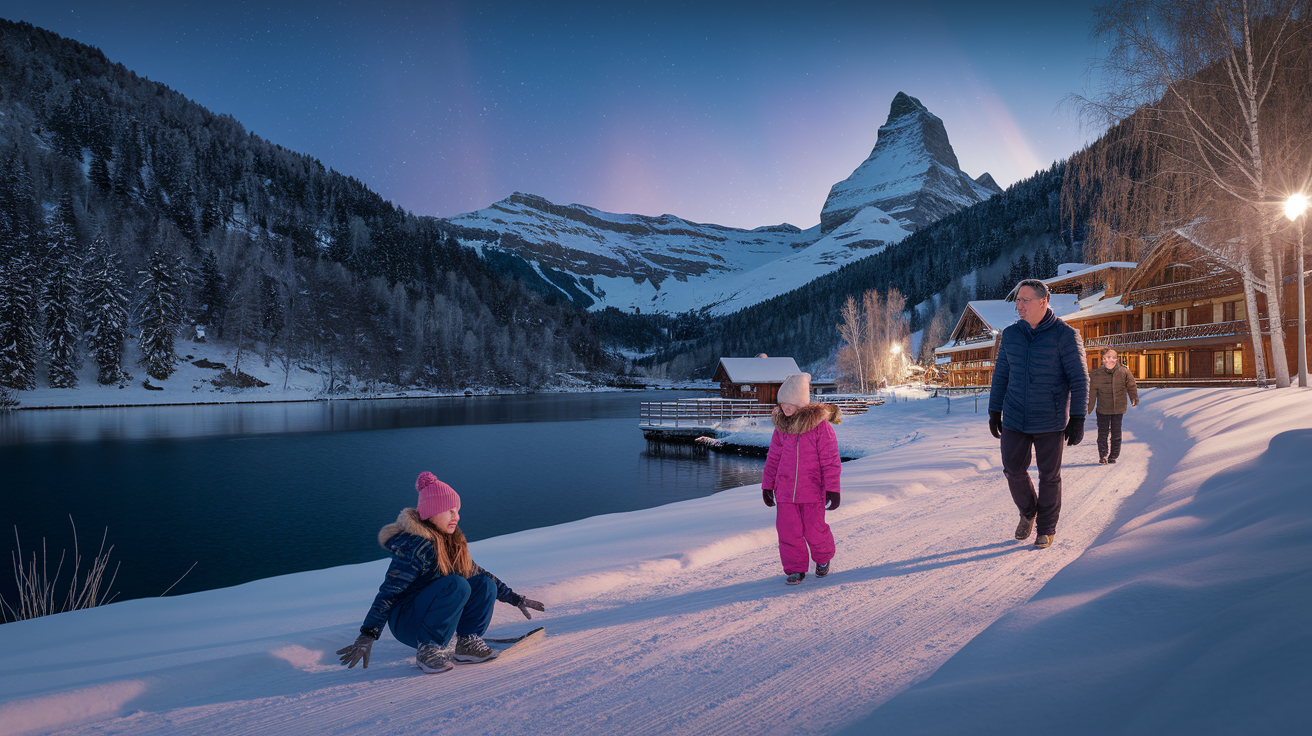
Ski days are expensive. Rest days or bad-weather days don’t have to be. The best budget resorts build in free or low-cost activities that keep kids entertained without forcing you into paid excursions.
Grand Tourmalet offers free guided winter hikes and access to the Pic du Midi observatory at 9,438 feet, where kids can see telescopes and panoramic views without buying lift tickets. Ruka in Finland markets itself partly on Northern Lights viewing, dog sledding, and snowmobiling, though those extras do add cost. Vogel includes a snow park with terrain features, which older kids can use as part of their lift pass. Andorra’s tax-free status means shopping for gear, snacks, or souvenirs costs less than in neighboring countries. Alpbach has local charm, including a regional cake called Brandenburg Prügeltorte, and its wooden-chalet village is perfect for wandering. Czech resorts keep après-ski options affordable, with low-cost restaurants and bars that welcome families without resort-level markups.
Look for resorts where natural surroundings provide the entertainment. Lake Bohinj near Vogel is free to visit and stunning in winter. Sledding hills, if included in the resort layout, give toddlers and younger kids an afternoon of fun without needing a lift pass or rental skis. Some resorts offer free snowshoe rentals or groomed winter walking paths. Cooking in your accommodation not only saves money but becomes part of the trip rhythm. Kids can help make breakfast or pack lunches, and you avoid the daily stress of finding a family-friendly restaurant that doesn’t break the budget.
Building a Realistic Low-Cost European Ski Trip Budget
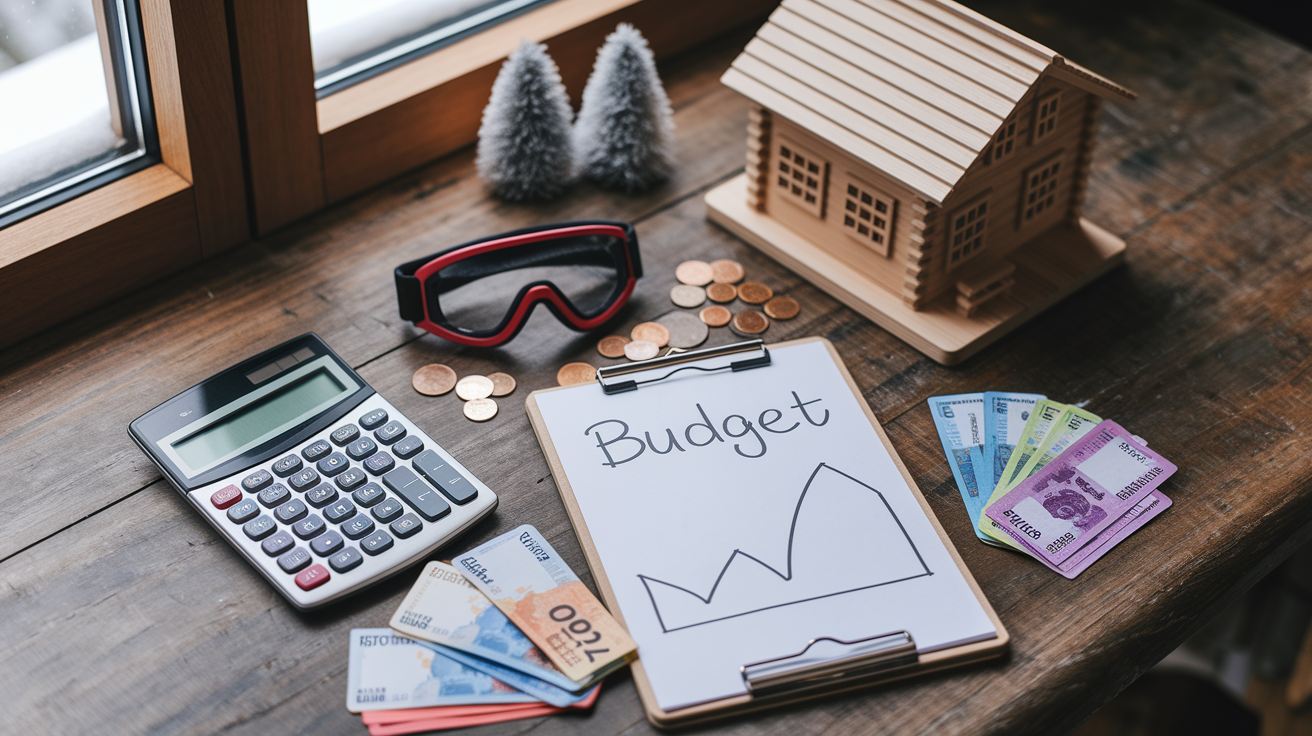
A realistic budget starts with knowing what each part of the trip will actually cost, then building in a small buffer for the surprises that always show up. The table below breaks out the major categories with low and mid estimates based on the resorts and strategies covered in this guide.
Use the low-estimate column if you’re choosing Eastern European resorts like Bulgaria or Slovakia, staying in self-catering apartments or dorms, booking passes and rentals online ahead of time, and cooking most meals. Use the mid-estimate column if you’re mixing self-catering with a few resort meals, staying in modest hotels or family-run chalets, and skiing in Italy, Austria, or budget bases in France. Add 20 to 30% to the totals if you’re traveling during peak season, need last-minute bookings, or plan to eat out most nights.
| Category | Low Estimate (per person) | Mid Estimate (per person) | Notes |
|---|---|---|---|
| Accommodation (7 nights) | £150–£250 | £300–£450 | Low: dorms, self-catering apartments in hamlets like Orelle or Bulgaria. Mid: family-run hotels, chalets in Austria or Italy. |
| Lift Passes (6 days) | £75–£150 | £200–£270 | Low: Czech resorts (£75 for 6 days), Bulgaria, Slovakia. Mid: France budget bases, Italy, Austria. Andermatt 273 CHF (~£242). |
| Rentals (skis, boots, helmet, 6 days) | £60–£100 | £120–£180 | Book online ahead of time. Low: Bulgaria, Slovenia. Mid: Italy, France, Austria. |
| Lessons (group, 5 half-days) | £80–£120 | £150–£220 | Low: Bulgaria, Slovakia. Mid: Italy, Austria. France and Switzerland higher unless bundled. |
| Food (7 days) | £100–£150 | £200–£300 | Low: self-catering with supermarket shopping (Livigno duty-free, Vogel €7 pizzas). Mid: mix of self-catering and slope-side lunches. |
| Transport (flights + transfers) | £100–£200 | £250–£400 | Low: budget flights to Barcelona/Sofia + €15 bus or train. Mid: flights to Zurich/Turin + 50 CHF train or car rental. |
Example bundles from the sources give helpful benchmarks. Bansko packages start around £500 per person for one week half-board including flights, transfers, accommodation, and food. That’s close to the low-estimate total above. Vogel comes in around €600 per person for similar coverage. Andermatt’s six-day lift pass alone is 273 CHF, so Swiss resorts push you toward the mid or high end unless you use subscription discounts and self-cater hard. Czech resorts with €10 day passes or £75 six-day passes make it possible to bring a family of four for under £2,000 total if you drive, self-cater, and keep lessons minimal.
When planning, start with the lift-pass and accommodation costs because they’re the hardest to reduce once you’re there. Then layer in transport, food, and rentals. Book passes, rentals, and lessons online as early as possible to lock in lower prices and guarantee availability. If your kids are beginners, go for resorts with cheap or free nursery slopes and short learning curves, because you’ll save more on lift passes and lessons than on flashy terrain.
Final Words
Pick value first: choose resorts with gentle beginner areas, childcare, short transfers, and fair lift pricing. That’s what keeps costs down and kids smiling.
Highlights: Sestriere’s big slopes and snowmakers; Grand Tourmalet’s €53 day pass; Jasná’s 31 miles and 20 lifts; Vogel’s nursery slopes; Orelle’s cheap rooms and 13-minute gondola; Alpbach’s 70 miles and four nursery areas, plus Bardonecchia and Serre Chevalier. We also covered lodging, rental and lift-pass hacks, transport tips, and cheap family activities.
Use the packing, booking, and budgeting steps to pick budget-friendly winter ski resorts for families in Europe, and enjoy a calmer, more fun trip.
FAQ
Q: What is the cheapest country to ski in in Europe?
A: The cheapest country to ski in Europe is often Bulgaria, where resorts like Bansko, Pamporovo and Borovets offer very low lift passes, budget lessons, and inexpensive accommodation compared with the Western Alps.
Q: What is the most family-friendly ski resort in Europe? / What’s a nice reasonable priced place to go on a family ski vacation?
A: The most family-friendly, reasonably priced resorts include Vogel (nursery slopes, long season), Grand Tourmalet (€53 day pass, kids activities), Jasná (31 miles, 20 lifts) and Alpbach (70 miles, 4 nursery areas).
Q: How to ski on a budget in Europe?
A: You can ski on a budget in Europe by choosing cheaper countries (Bulgaria, Czech), booking off-peak, self-catering, using nursery slopes and affordable local lessons, and renting gear near the resort.