

Want to explore Europe for far less, sometimes paying half the price, without squeezing every sight into one frantic day?
Here’s the simple truth: November and January through March are the cheapest months for flights, hotels, and ground travel, though expect price spikes at Christmas, New Year, and ski-break weeks.
Read on and you’ll learn which months give the biggest wins, what tradeoffs to expect, and exactly how to plan a slower, cheaper trip that still feels rewarding.
Identifying the Cheapest Months to Visit Europe and Why They Offer the Lowest Prices

November and January through March consistently deliver the lowest prices for flights, hotels, and ground transportation across Europe. These months sit well outside the spring to fall rush and carry far fewer travelers, pushing airlines and accommodation providers to drop rates significantly. Hostels often run about 50 percent cheaper than summer, and many hotels and short-term rentals cut prices by roughly one-third compared with peak season weeks.
Two important exceptions interrupt the savings: Christmas and New Year weeks spike prices sharply even in the middle of winter, and February becomes expensive in alpine ski towns during French winter breaks. Late October can also see a jump when European students take fall breaks. Outside those windows, you’ll find the year’s deepest discounts and emptiest museums.
Tourist demand drops to its annual low once families return to school and summer vacationers stay home. Airlines reduce fares to fill seats during the slowest travel months of the year. Hotels compete for guests by lowering room rates and offering flexible cancellation policies. Most major attractions remain open with shorter lines and immediate entry, giving budget travelers full access without premium costs.
Understanding Europe’s Seasonal Price Patterns for Budget Travelers
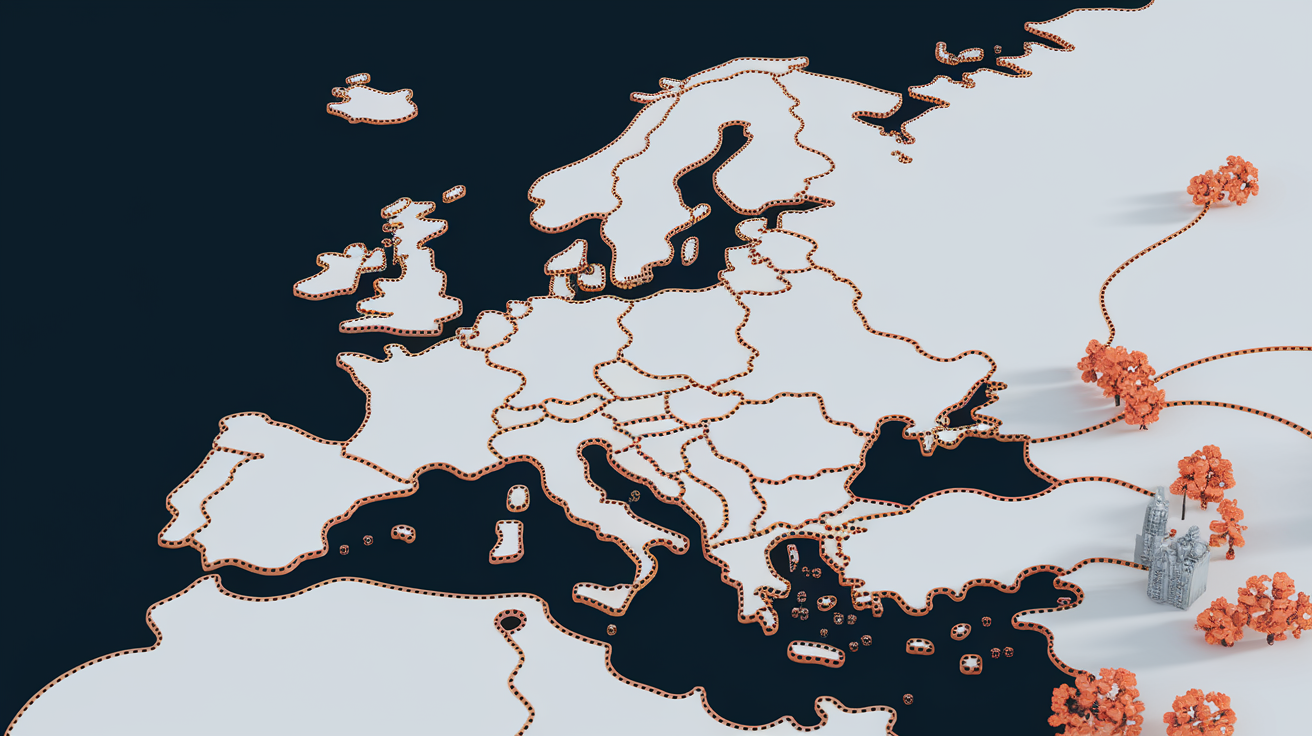
Europe follows a predictable pricing rhythm that rises from late spring through early fall and drops from late fall through early spring. High season stretches from late May into early September, peaking in late June and July when flight and hotel costs climb to their yearly highs and popular attractions fill with long lines. Shoulder seasons frame the peak on both sides. Late March through early April in spring and October into early November in fall offer moderate prices, tolerable weather, and noticeably smaller crowds than midsummer.
Low season runs from November through March, excluding major holiday weeks, and brings the year’s lowest baseline costs alongside cold weather, shorter daylight, and occasional closures. The trade between comfort and savings becomes most pronounced during these months. Travelers who pack warm layers and check attraction schedules ahead of time can pay half what summer visitors do.
| Season | Typical Prices | Weather | Crowd Level |
|---|---|---|---|
| High (late May–early Sept) | Highest fares and room rates; peak dining costs | Warm to hot; southern Europe can hit 35–40°C | Heavy crowds; long lines; advance bookings essential |
| Shoulder (late Mar–Apr, Oct–early Nov) | Moderate; 20–30% below peak pricing | Variable; spring rain and fall cool spells common | Manageable; easier restaurant seating and museum entry |
| Low (Nov–Mar, excluding holidays) | Lowest annual rates; hostels ~50% off, hotels ~33% off | Cold, wet, or snowy; short daylight in the north | Very light; near-empty attractions and public spaces |
| Holiday windows (Christmas/New Year, Easter) | Sharp spikes despite winter timing | Cold in most regions; festive atmosphere in cities | Localized crowds around markets and ski resorts |
Month-by-Month Breakdown of Europe’s Cheapest Travel Windows

January
January delivers some of the year’s deepest savings once New Year celebrations end. Flights, trains, and accommodation all run well below summer rates. Museums and historic sites sit nearly empty. Travelers report having famous landmarks almost to themselves, and booking flexibility improves as properties compete for guests. Weather stays cold and wet across most of the continent, and daylight hours remain short in northern regions. But southern European cities like Rome and Seville offer mild conditions for walking tours without the shoulder-to-shoulder crowds of spring.
February
February remains affordable in most of Europe except alpine regions, where ski season drives prices to peak levels during French winter school breaks. Temperatures stay cool, and some seasonal attractions maintain reduced hours or close entirely until spring.
Carnival celebrations in Venice and other cities create brief spikes in hotel rates during early to mid-February. Travelers targeting the lowest prices should search outside these festival dates and consider the quieter weeks that follow.
March
March sits at the edge of shoulder season. Southern Europe begins to warm while northern areas stay cool and rainy. Accommodation costs start climbing as hotels reopen and switch to summer hours, but prices remain far below the summer surge that begins in May. Weather variability means packing layers for one warm afternoon and the next day’s cold rain. Yet flight availability improves and attraction lines stay short as most travelers wait for April’s more predictable conditions.
November
November ranks as one of the quietest and most budget-friendly months across Europe, delivering strong value on flights, hotels, and ground transportation. Major museums, galleries, and historic landmarks see far fewer visitors, making it ideal for photographing sites at their most tranquil and securing last-minute bookings without advance planning.
Trade-offs include reduced daylight, especially in northern countries, and some rural hotels or seasonal services closing until spring. But cities remain fully operational with Christmas market preparation adding energy to evening streets.
Why Prices Fluctuate: Key Cost Drivers Across Europe

Tourist demand remains the single largest factor behind Europe’s seasonal price swings. Summer months pull families taking school breaks, retirees avoiding winter weather, and young travelers on university holidays, filling flights and hotels across the continent. Airlines respond by raising fares during late June and July when demand peaks. Accommodation providers follow the same pattern, knowing travelers will pay premium rates to visit when weather feels most reliable and daylight stretches longest.
School holiday calendars create sharp, predictable spikes within otherwise quiet months. French winter breaks in February fill alpine ski towns and raise prices across mountain regions, while late October and early November see European student breaks push up hotel rates in popular class-trip cities. Christmas and New Year weeks interrupt the low season savings of December and early January, with flights remaining expensive except for travelers willing to fly on Christmas Day itself.
Special events override normal seasonal pricing no matter when they fall on the calendar. Paris Fashion Week in early March and again in late September fills hotels across the city. Venice Biennale or Carnevale can triple accommodation costs during weeks that would otherwise offer shoulder season savings. Oktoberfest in late September and early October turns Munich into a high demand destination, and city marathons can sell out rooms months in advance. Searching “special events in [city]” before booking prevents surprises and allows travelers to shift dates or choose nearby towns.
Peak summer warmth and long daylight hours concentrate demand between June and August. National and regional school breaks create localized surges even during off peak months. Airline pricing algorithms raise fares as seats fill, regardless of the season. Major cultural festivals and sporting events can quadruple hotel rates within a single weekend. Business travel to convention cities spikes rates mid-week in major hubs like Frankfurt and Brussels. Currency exchange rates shift buying power, making some months more affordable for certain travelers than others.
Regional Variations: Cheapest Months Depend on Where You’re Going
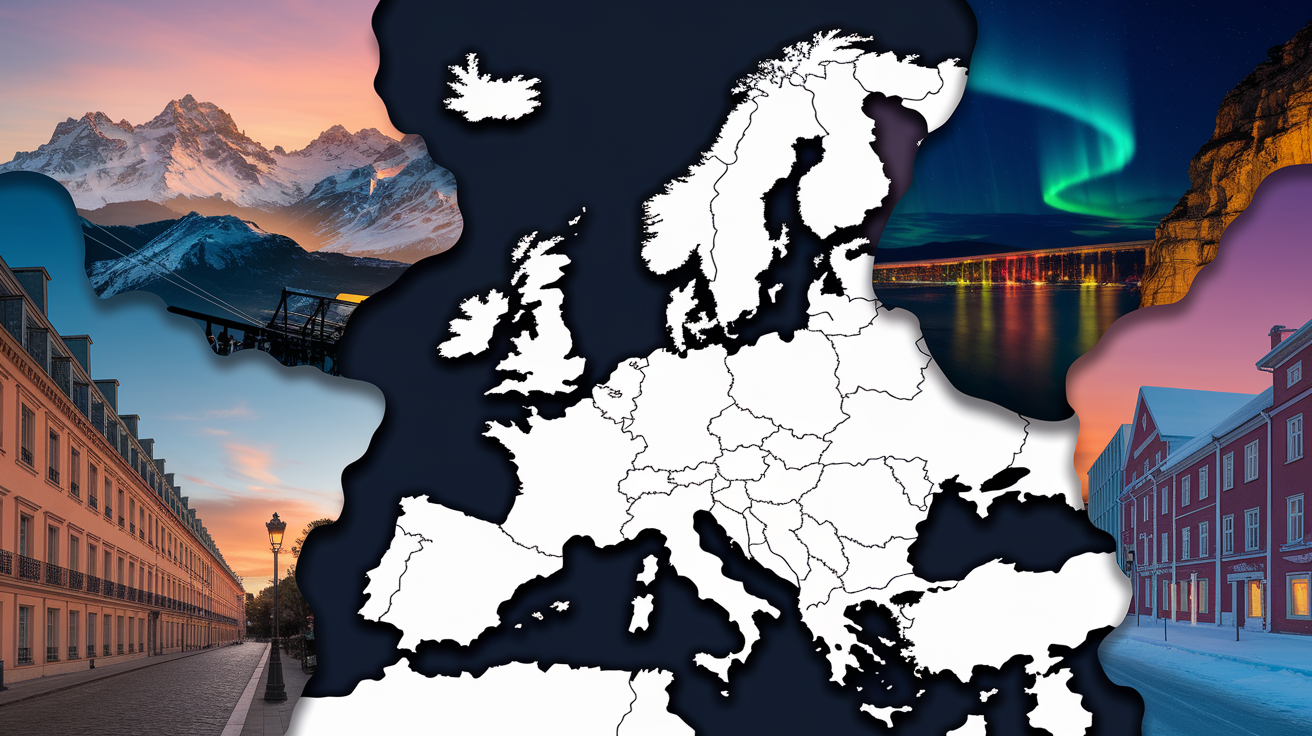
Paris demonstrates how city-specific patterns can defy broader European trends. August typically sees locals leave for vacation starting around the first of the month, creating unusually low hotel demand in the capital while airlines still charge summer fares for flights. Many city restaurants close for the month, and museums feel quieter. Yet airfare stays high because August remains peak travel season across most of Europe.
Travelers targeting Paris specifically can save on accommodation by visiting in August. But those planning multi-city trips may find better overall value in November or January when both flights and hotels drop together.
Alpine regions flip the pricing calendar during winter months. February brings the year’s highest demand and costs as ski season peaks and French school breaks fill resorts. Late March and April offer better value for mountain towns once snow melts and winter sports enthusiasts return home, though attractions shift focus from skiing to hiking and sightseeing. The cheapest months for general European city travel become the most expensive for alpine destinations, making regional planning essential.
Southern Europe stretches the shoulder season later in fall and earlier in spring than northern areas. Spain, Portugal, Greece, and Croatia can still hit 30°C in October. March through April bring warm, pleasant conditions ideal for coastal exploration and city walks. Peak summer temperatures in southern Spain regularly reach 35 to 40°C, making May, June, September, and October more comfortable and often cheaper than the scorching weeks of July and August when both heat and crowds peak.
Eastern Europe remains affordable year round compared with Western European capitals, but winter months deliver particularly strong value alongside unique seasonal experiences. Snow-covered old towns, Christmas markets, and far fewer international tourists make November through February ideal for travelers prioritizing budget over warm weather. Northern Lights viewing in Iceland works best from November through February when long nights and frequent darkness increase aurora visibility, though temperatures require heavier clothing than spring or fall trips.
Paris offers August hotel discounts despite high flight costs, creating split season pricing. Alpine ski towns peak in February while most other regions see their annual lows. Southern Mediterranean destinations remain warm and cheaper in October and March through April. Eastern Europe delivers budget-friendly travel even in summer but excels in winter for seasonal atmosphere.
Trade-Offs to Expect When Choosing the Cheapest Months in Europe

Cold weather and short daylight hours define the low season experience across much of Europe, especially in northern regions where the sun sets before 6 p.m. in December and January. Southern cities like Rome and Barcelona offer milder winter temperatures that make walking tours comfortable, but rain increases and some coastal towns close seasonal services until spring. Travelers willing to pack warm, layered clothing and plan around reduced daylight find these trade-offs manageable in exchange for prices that can run half what summer visitors pay.
Some attractions reduce hours or close entirely during the quietest months, particularly in rural areas and smaller towns. Museums in major cities stay open year round, but countryside sites, seasonal boat tours, and mountain cable cars often shut down from November through March. Checking specific attraction schedules before booking prevents disappointment. Focusing on cities rather than remote areas keeps access consistent while maintaining low season savings.
Shorter daylight limits sightseeing hours, especially above the 50th parallel. Unpredictable shoulder season weather requires flexible packing and backup indoor plans. Some rural hotels, restaurants, and seasonal transport routes close until spring. Northern Europe sees cold, wet conditions that demand heavier luggage and weatherproof gear. Winter activities like Christmas markets, Northern Lights viewing, and skiing offer unique experiences that offset weather challenges for many travelers.
Booking Strategies to Secure the Lowest Prices in Europe’s Cheapest Months

Flexible date searches reveal the true savings available during Europe’s cheapest months. Tools like Skyscanner’s “Everywhere” search let travelers compare fares across entire months rather than specific dates, often uncovering price differences of hundreds of dollars between mid-week and weekend departures or between early March and late March. Mid-week flights on Tuesday, Wednesday, and Thursday consistently cost less than Friday through Monday travel. Shifting a trip by even three or four days can drop accommodation costs if it avoids a local festival or school break.
Booking accommodation with free cancellation provides insurance against both price drops and unexpected schedule changes. Platforms like Booking.com allow travelers to reserve rooms months in advance and cancel without penalty if rates fall closer to the trip, or if a sudden event drives prices up in the chosen city. Staying in towns just outside major cities during marathons, conventions, or fashion weeks can cut costs dramatically while still allowing easy day trips. Searching for special events before finalizing dates prevents locking in rates during the year’s rare high demand windows that interrupt low season pricing.
Target November and January through March for baseline savings, checking calendars to avoid Christmas, New Year, and school holiday weeks. Use flexible date search tools to compare prices across full months and find the cheapest specific days within your travel window. Book mid-week flights on Tuesday, Wednesday, or Thursday to avoid weekend fare premiums. Reserve accommodation with free cancellation so you can rebook if prices drop or events spike demand. Search “[city name] special events” before booking to avoid hidden festivals or conventions that override seasonal pricing. Consider nearby towns during sold-out periods in major cities, using regional trains or short drives to access attractions while paying lower suburban or rural hotel rates.
Final Words
November and January to March are the standouts: outside holiday spikes, you’ll find lower fares, quieter sights, cheaper rooms. February remains costly in alpine ski regions, and late October and the Christmas and New Year weeks push prices up.
We covered seasonal patterns, month-by-month quirks, regional differences, trade-offs, and practical booking steps to lock in deals. That should leave you with a clear plan, not more tabs.
Use knowledge of cheapest months to visit Europe and why to pick dates that match pace and budget. Travel slower, add a buffer day, and enjoy a calmer trip.
FAQ
Q: What is the least expensive month to travel to Europe?
A: The least expensive month to travel to Europe is usually November; January–March also offer the lowest fares and hotels, though Christmas/New Year weeks spike prices and Alpine ski areas keep February pricier.
Q: What is the new rule for visiting Europe?
A: The new rule for visiting Europe is that most visa-exempt travelers must get an ETIAS electronic travel authorization before traveling to Schengen countries, applied online and valid for multiple short stays.
Q: What is the prettiest city in Europe?
A: The prettiest city in Europe is subjective; popular picks include Paris, Prague, Florence, and Lisbon, each offering classic architecture, charming streets, and a distinct local vibe.
Q: Where not to go in Europe right now?
A: You should avoid places in Europe that are flagged by official travel advisories, such as active conflict zones, areas with civil unrest, or regions with travel restrictions; check your government’s site before booking.