
Think one week in Italy is too short to really see anything? Think again.
This plan gets you Rome, Florence, and Venice without racing from place to place.
You spend three nights in Rome, two in Florence, and two in Venice, with fast trains between, no rental car, no backtracking.
I’ll give a relaxed day-by-day route, quick timing tips, what’s worth the splurge, and simple swaps if you want to slow down.
By the end you’ll have a doable, enjoyable week that feels like a proper Italian taste, not a checklist.
7-Day Italy Itinerary Overview for First-Time Visitors
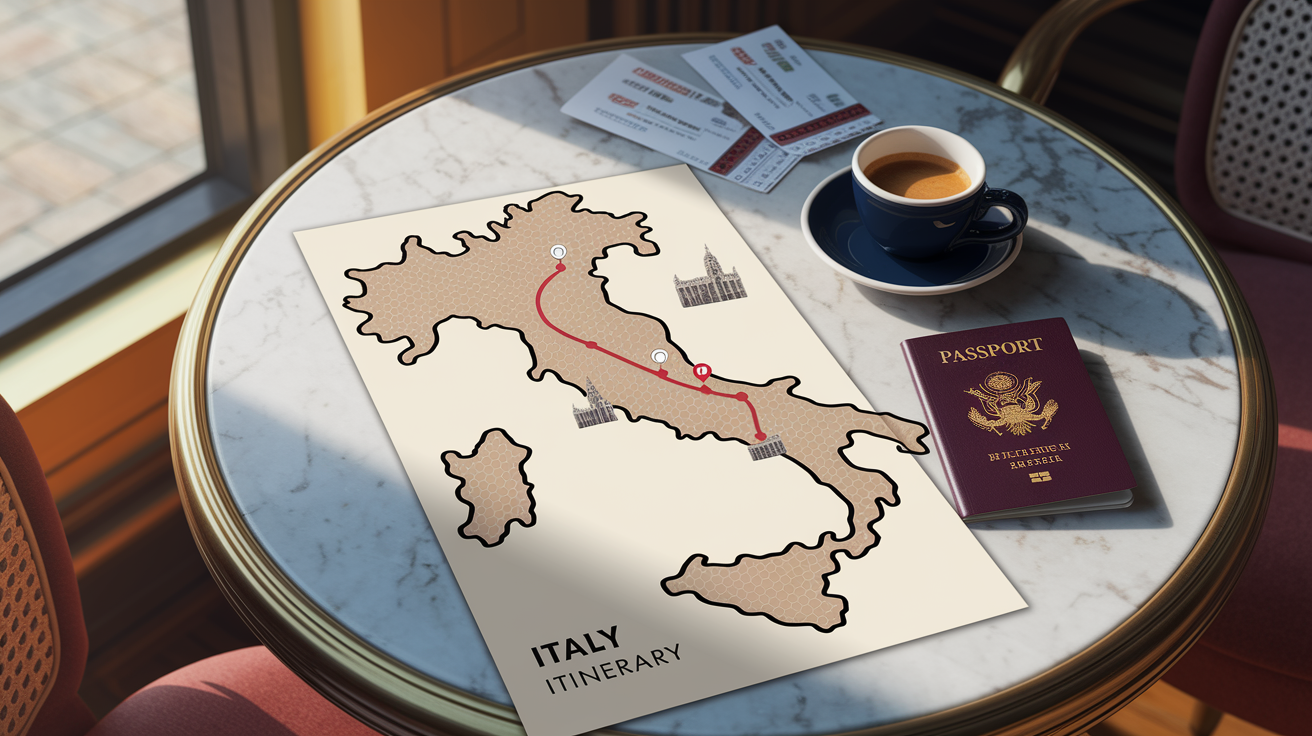
This week splits across three cities: Rome (3 nights), Florence (2 nights), and Venice (2 nights). Everything connects by high-speed train, so you’re car-free and stuck to city centers.
- Day 1 (Rome): Land at Fiumicino or Ciampino, get to central Rome, hit the Colosseum, Roman Forum, and Palatine Hill.
- Day 2 (Rome): Vatican Museums, Sistine Chapel, St. Peter’s Basilica, then wander Trastevere or Piazza Navona after dark.
- Day 3 (Rome → Florence): Morning train to Florence (about 1.5 hours), afternoon walk to the Duomo, Piazza della Signoria, Ponte Vecchio.
- Day 4 (Florence + Tuscany): Pick a half-day trip to Pisa, Siena, or a Chianti winery. Come back for evening gelato and aperitivo.
- Day 5 (Florence → Venice): Train to Venice (around 2.5 hours), settle in, explore Rialto Bridge and the Grand Canal.
- Day 6 (Venice): St. Mark’s Square, Doge’s Palace, quieter backstreets. Maybe a gondola ride or evening walk.
- Day 7 (Venice departure or day trip): Murano and Burano if you’ve got time, or just wander the canals before heading to the airport.
No backtracking. You get at least two nights per city, and train rides stay under three hours.
Day 1: Rome Highlights
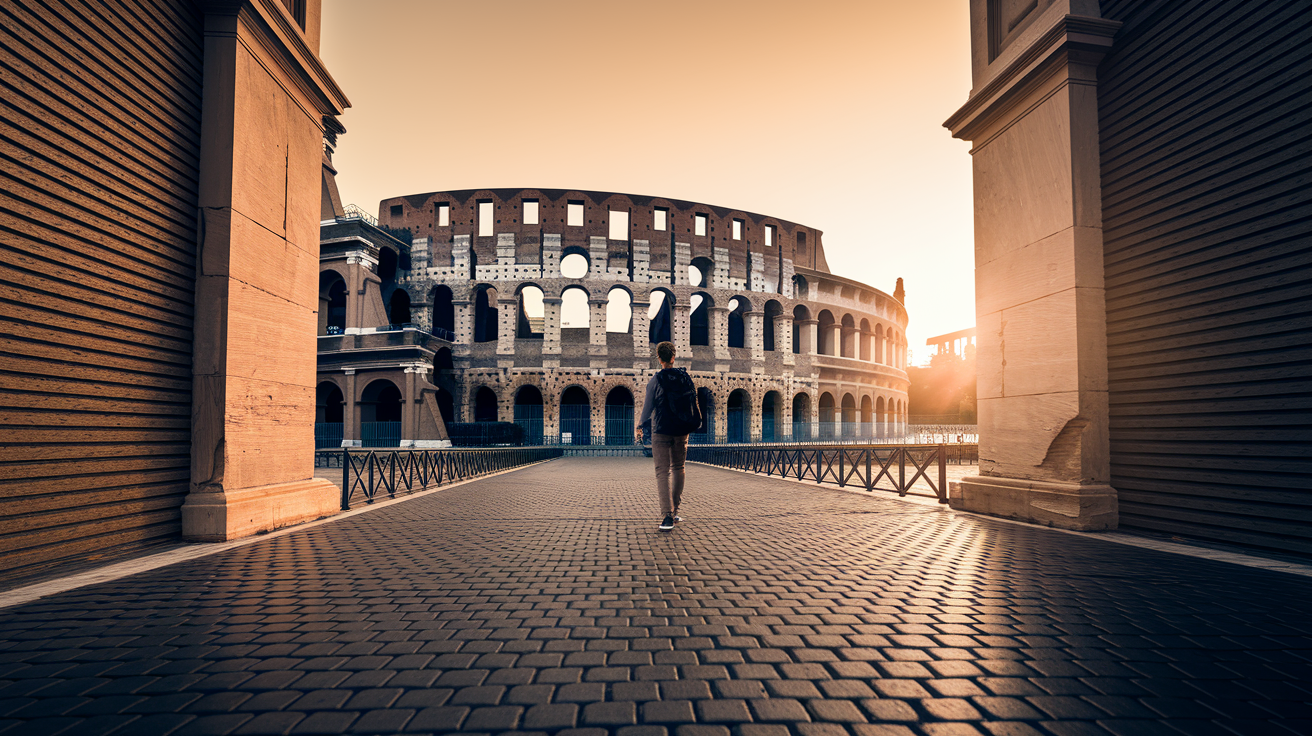
You’ll land at Fiumicino (FCO) or Ciampino (CIA). Grab the Leonardo Express train or a fixed-fare taxi to your hotel. Drop your bags and go straight to the Colosseum, Roman Forum, and Palatine Hill. A combined ticket costs €18 and covers all three sites. Book your entry slot ahead of time or you’re looking at an hour-plus wait during spring and fall.
Start at the Colosseum’s ground floor, walk through the Forum ruins on Via Sacra, then climb Palatine Hill for views over the ancient city. The whole area sits in a tight 2-kilometer zone, so you can do it on foot in a half-day. Finish at the Arch of Constantine, then head toward Via dei Fori Imperiali for an evening stroll.
Day 1 tips:
- Book Colosseum tickets 2 to 4 weeks out through the official site.
- Wear comfortable shoes. Roman stone paths are uneven and brutal after a long flight.
- One big landmark per day. Stacking Colosseum and Vatican on the same day wrecks you.
- Grab late lunch near Monti or Trastevere instead of tourist traps around the Forum exit.
Day 2: Vatican City and Central Rome
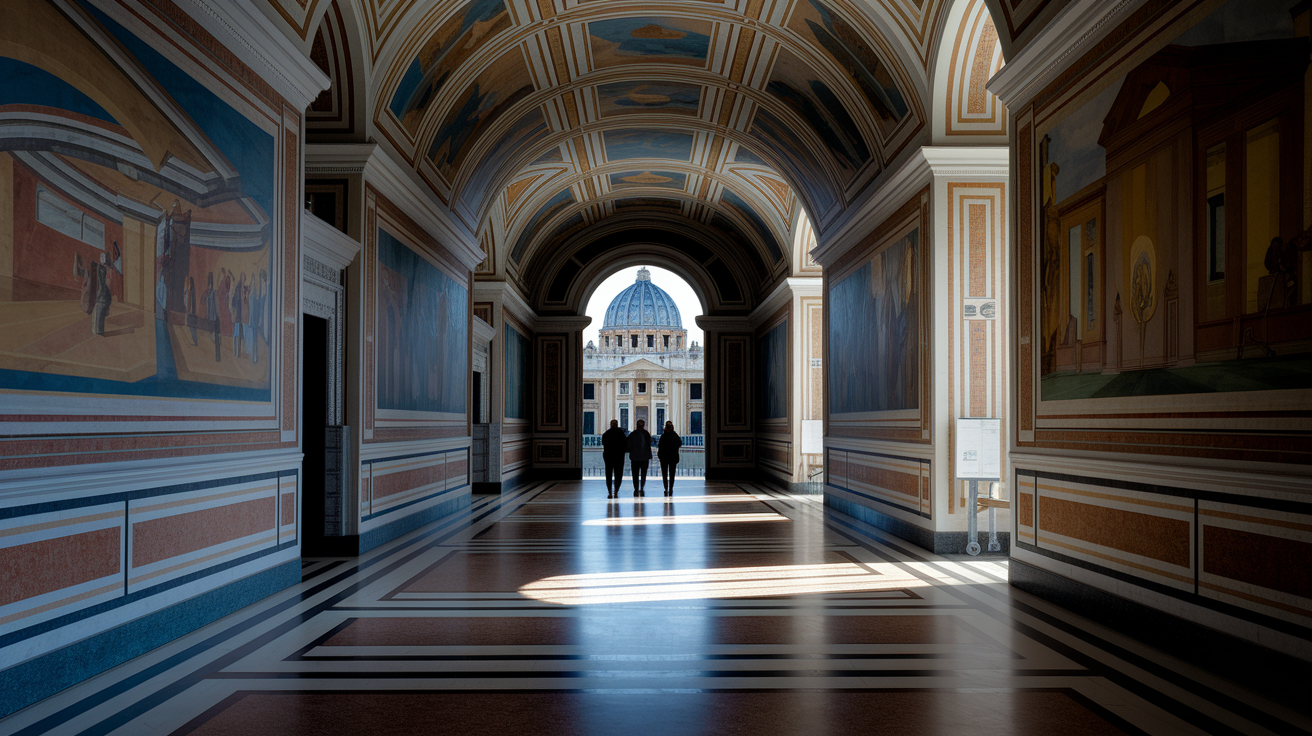
Book the earliest Vatican Museums slot you can get (8:00 or 8:30 a.m. if possible). You want the Sistine Chapel before the midday rush. Entry’s €20, plus a typical €5 online fee. Museums close most Sundays (except the last Sunday of the month, when it’s free but you join a guided group). Walk through the Gallery of Maps, Raphael Rooms, and the Chapel. The full route takes 2 to 3 hours if you skip the side galleries.
Exit into St. Peter’s Basilica (free, but cover shoulders and knees) and decide if you’re climbing the cupola. Tickets are €8 for stairs only or €10 to take the elevator partway. Online advance purchase costs €17 or €22. The view from the top’s worth it if you’ve got energy left, but the spiral staircase is narrow and feels tight during busy periods.
Spend your evening around Piazza Navona, the Pantheon (€5 in person, €7 online), and Trevi Fountain. Toss a coin over your left shoulder if you want to come back. Before the fountain’s restoration in 2015, crews collected about €3,000 in coins each week, all donated to charity. End with dinner in Trastevere or near Campo de’ Fiori, where restaurants serve cacio e pepe and carbonara without Vatican-area prices.
Queue and crowd stuff:
- Show up 15 minutes before your Vatican slot. Guards check bags and turn away large backpacks.
- The Sistine Chapel’s silent. Guards enforce the no-photo rule and will kick you out if you ignore it.
- Want to see Castel Sant’Angelo? Add it late afternoon (after St. Peter’s) instead of jamming it into Day 1.
Day 3: Florence Arrival and Renaissance Landmarks
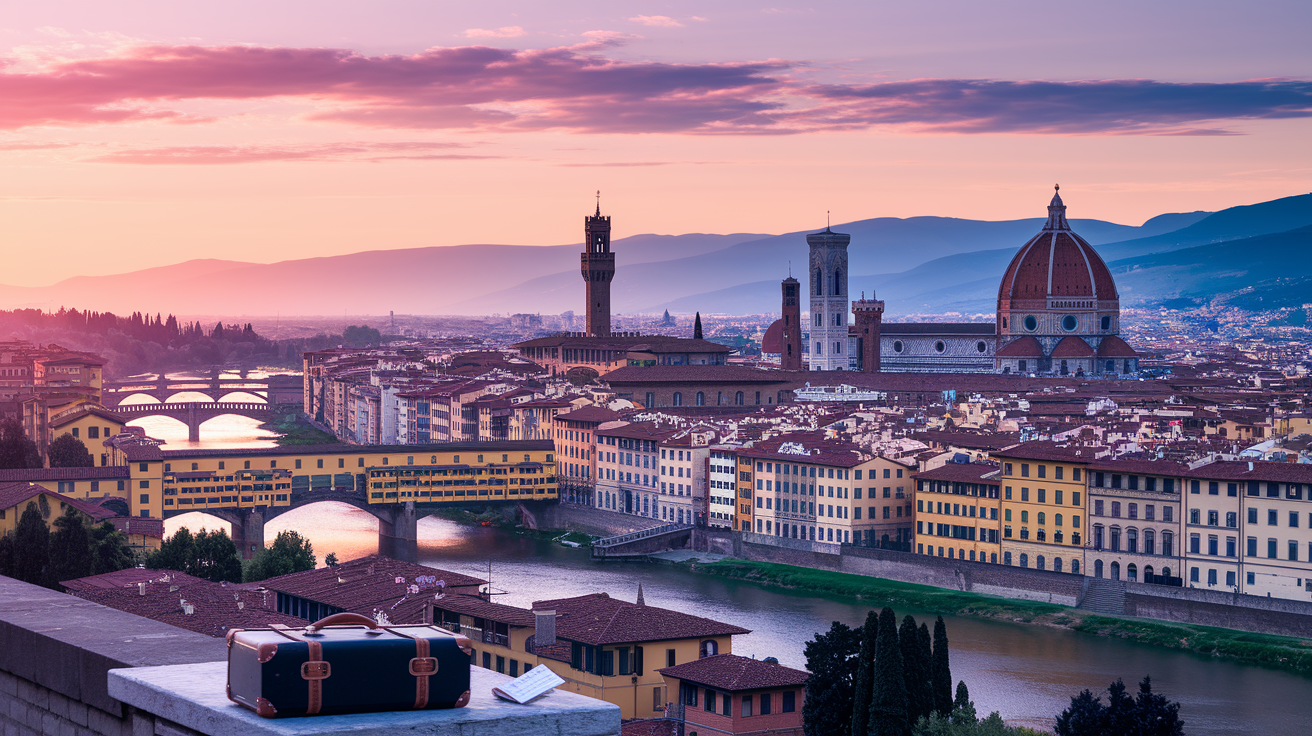
Take a morning Frecciarossa from Roma Termini to Firenze Santa Maria Novella (SMN). Travel time’s roughly 1.5 hours. Tickets bought a month ahead cost €20 to €30. Last-minute fares jump to €55 or more. Walk or taxi to your hotel (most central spots are within a 15-minute walk of SMN), drop bags, head to the Duomo.
The cathedral’s free, but you’ll need the €30 Brunelleschi Pass for timed access to the cupola climb, campanile (bell tower), baptistery, crypt, and Duomo museum. Book your cupola slot in advance. There’s 463 steps, the passage is narrow, and only a limited number of people get up each half-hour. If you’d rather skip the climb, walk to Piazzale Michelangelo for sunset views over the city and the dome from across the Arno.
Spend the rest of the afternoon around Piazza della Signoria and Ponte Vecchio. The outdoor Loggia dei Lanzi sculpture gallery sits beside Palazzo Vecchio and it’s free. Florence is compact enough to see most landmarks on foot in one afternoon, leaving your second day open for museums or a Tuscany trip.
Day 4: Tuscany Day Trip (Pisa, Siena, or Chianti)
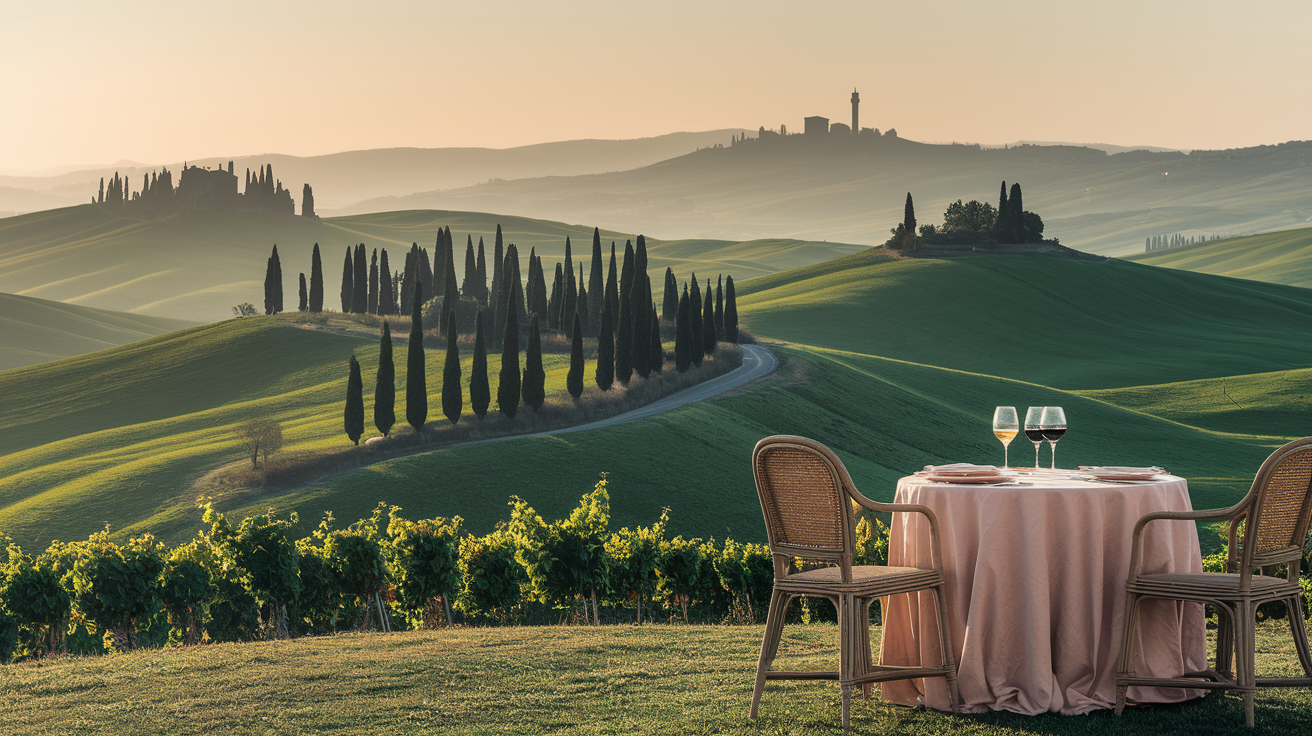
Florence makes an easy base for half-day or full-day trips into Tuscany. Pick one based on what you want: iconic photos, medieval architecture, or wine tasting.
Pisa
The Leaning Tower, cathedral, and baptistery cluster in Piazza dei Miracoli, about an hour from Florence by regional train (€9 to €12 each way). Climb the tower (€20 to €25, timed entry required) or just photograph it from the lawn. Most people finish in 2 to 3 hours, leaving the afternoon free to return to Florence for the Uffizi Gallery (€25 entry plus €4 booking fee) or Accademia (€16 plus €4 fee to see Michelangelo’s David).
Siena
Siena sits in the Tuscan hills about 1.5 hours south of Florence by bus or regional train. The medieval center, built around the shell-shaped Piazza del Campo, feels quieter and less tourist-heavy than Florence. Check out the Duomo di Siena and climb the Facciatone tower for rooftop views. Plan to spend 4 to 5 hours if you want a relaxed lunch and time to wander the narrow streets.
Chianti Wine Region
Half-day Chianti tours leave Florence in the afternoon, hit two wineries (often near Greve or Castellina), and get you back by early evening. You’ll taste Chianti Classico, see vineyard terraces, sometimes stop at a local butcher or market. Book through a small-group operator to avoid big coach buses. Prices typically start around €70 to €90 per person.
Day 5: Travel to Venice and Explore the Canals
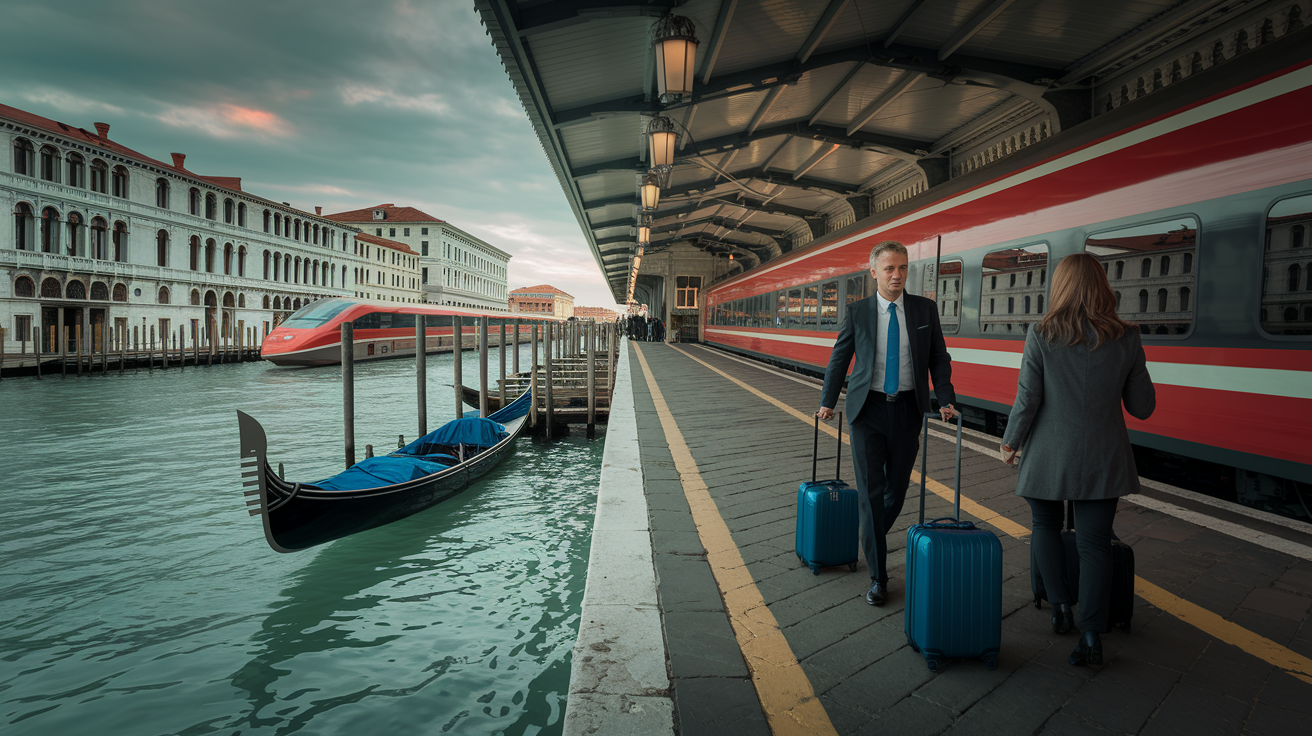
Check out of your Florence hotel and catch a mid-morning Frecciarossa to Venezia Santa Lucia (the main Venice train station, not Venezia Mestre). Direct trains take about 2.5 hours. Advance tickets cost €26 to €33, last-minute bookings jump to €59. The train pulls directly onto the island, so you step off right onto the Grand Canal.
Walk to your hotel or take a vaporetto (water bus) if your place sits across the canal. Venice has no cars or wheeled suitcases on most bridges, so pack light or budget for a private water taxi (expensive but saves dragging bags over 20-plus bridge steps). Once you drop your luggage, buy a 2-day vaporetto pass (€35) and ride Line 1 down the Grand Canal to get oriented. Hop off at Rialto to see the market stalls and bridge, then continue to Piazza San Marco or wander the quieter streets of Dorsoduro.
Day 6: St. Mark’s Square and Hidden Venice
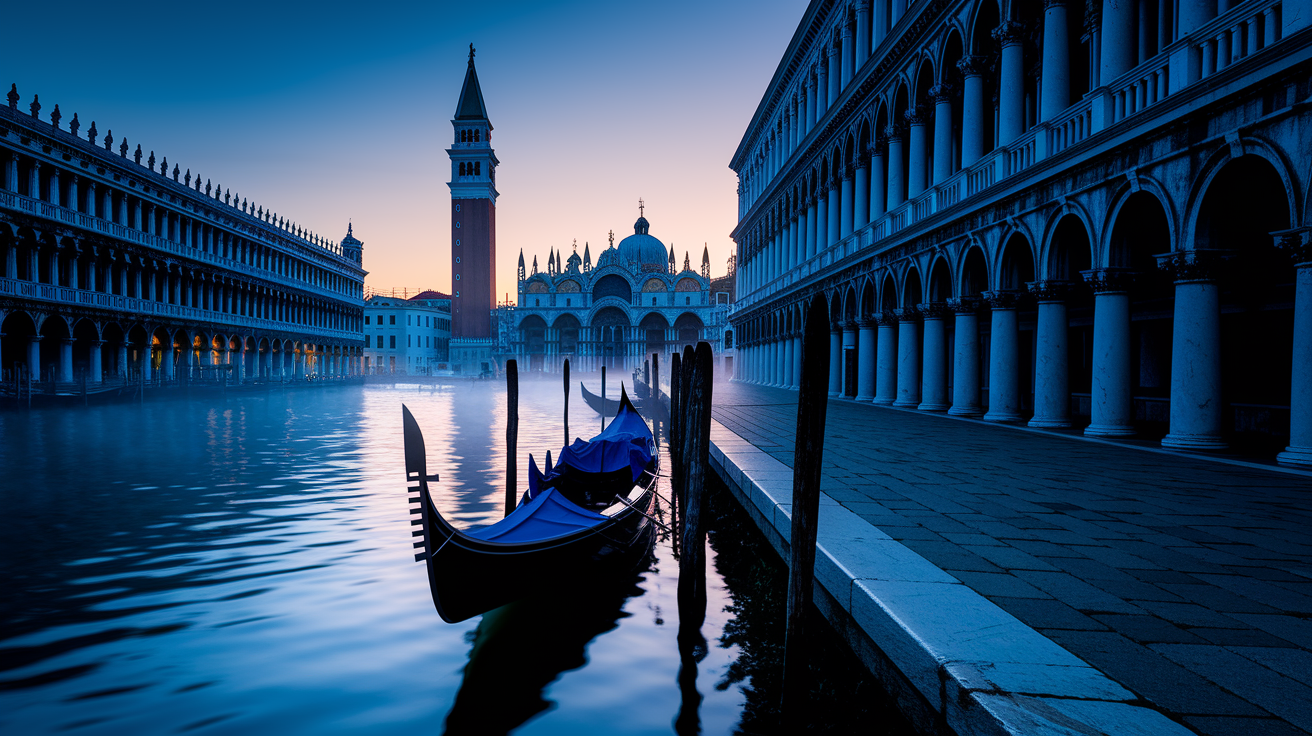
Start at Piazza San Marco early. Before 9 a.m. if you can manage it. See the Basilica (€3 entry, €3 online booking fee during high season) and climb the Campanile (€10 in person, or add a €2 fee to reserve a time slot online). Doge’s Palace tickets cost €25 if booked more than 30 days ahead, €30 otherwise. Travelers under 30 with a Rolling Venice card pay €13. Walk across the enclosed Bridge of Sighs after touring the palace’s grand chambers and old prisons.
Spend the afternoon away from San Marco. Cross the Accademia Bridge for views back toward the Salute basilica, or book the free Fondaco dei Tedeschi rooftop (advance reservation required) for a less-crowded panorama. Consider a late-afternoon gondola ride (€80 for up to six people during the day, €100 after sunset) or save money by riding the traghetto ferry that crosses the Grand Canal for €2.
Three hidden spots worth the detour:
- Libreria Acqua Alta: quirky bookshop with books stacked in bathtubs and a gondola, tucked in Castello.
- Campo Santa Margherita: local square in Dorsoduro with outdoor cafés and fewer tourists than San Marco.
- Scala Contarini del Bovolo: spiral Renaissance staircase (€8 entry) with rooftop views minus the Campanile crowds.
Day 7: Departure or Optional Day Trip
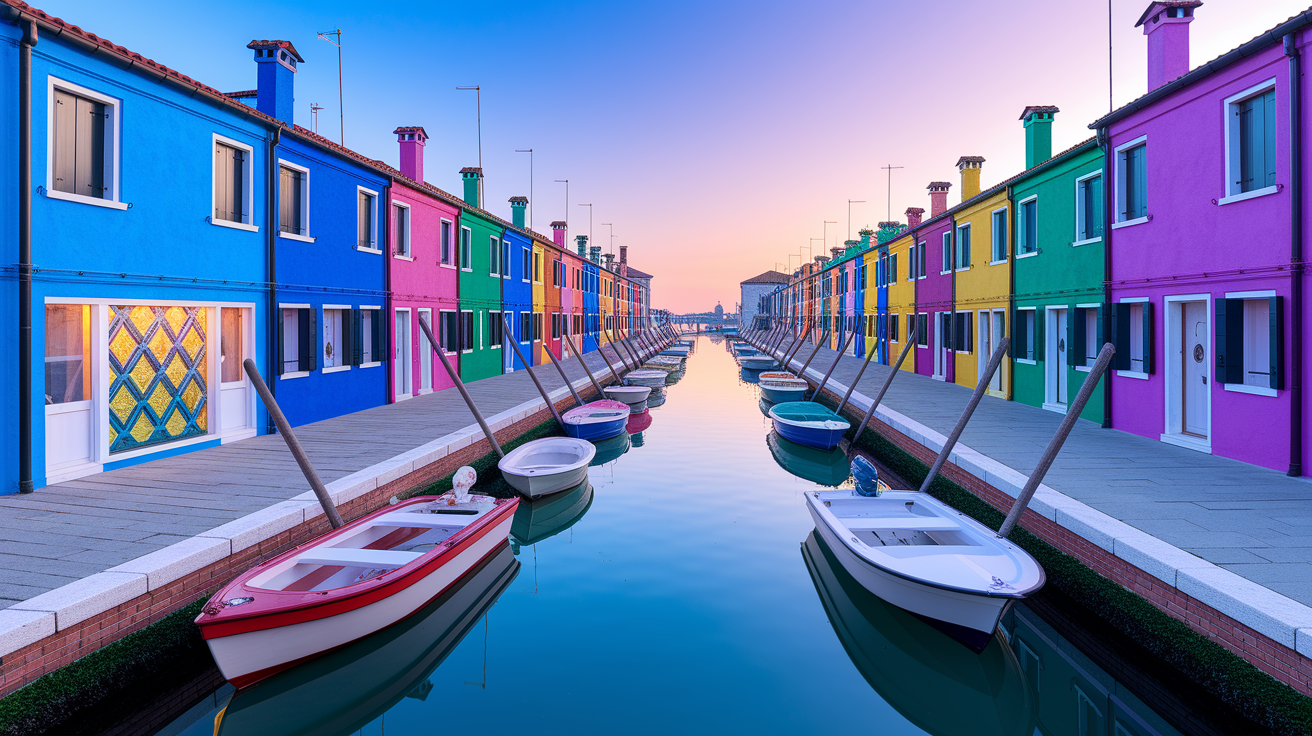
If your flight leaves in the afternoon or evening, take a half-day vaporetto trip to Murano (glass-blowing demos) and Burano (brightly painted fishermen’s houses). The islands sit 40 to 60 minutes from central Venice. A standard vaporetto pass covers the journey. Murano workshops offer free tours if you browse their showrooms. Burano’s best for photos and a quiet seafood lunch.
Morning flights mean leaving Venice 2 to 3 hours before departure. The Alilaguna water bus costs €15 and takes up to 75 minutes from central stops like San Marco or Rialto to the airport. The ATVO bus from Piazzale Roma is faster (25 minutes, €10) but you’ve got to walk or take a vaporetto to Piazzale Roma first. A taxi from Piazzale Roma runs €40 and takes about 30 minutes, though you still need to reach Piazzale Roma by foot or water.
Transportation Logistics for a One-Week Italy Trip
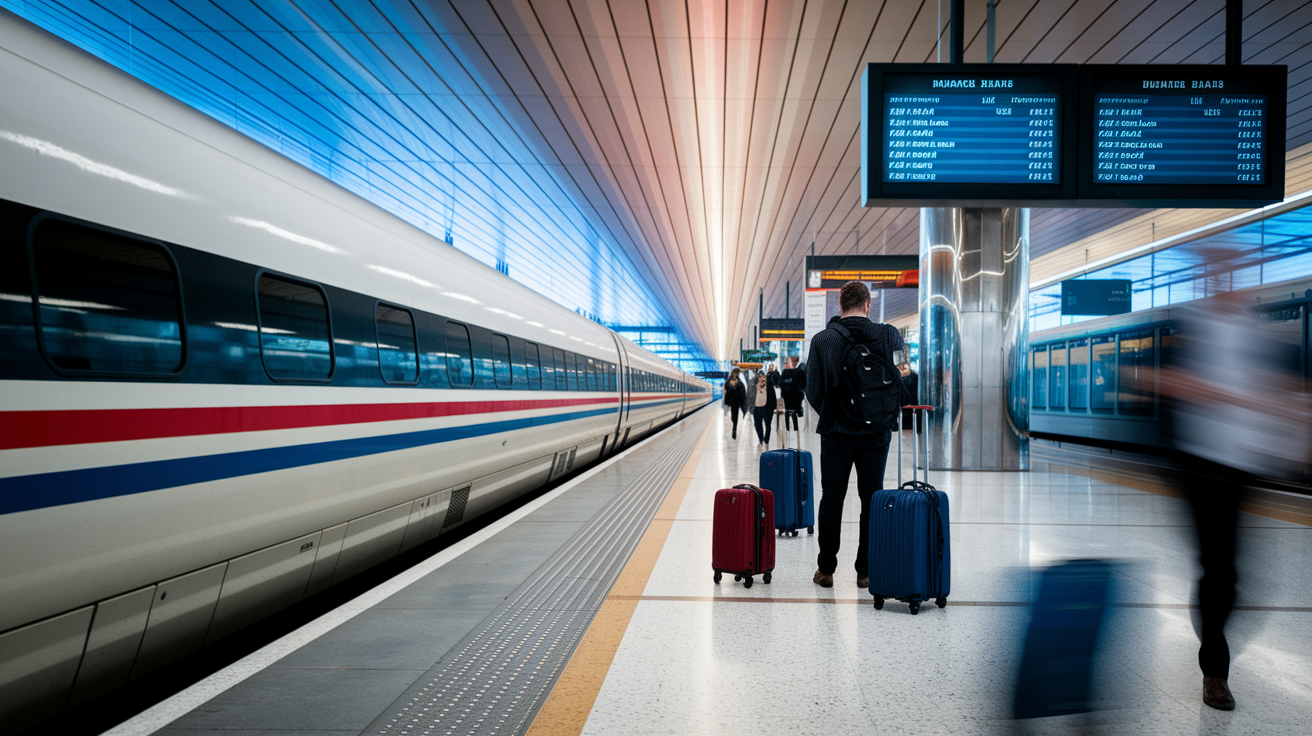
Italy’s high-speed Frecciarossa and Italo trains connect Rome, Florence, and Venice in 1.5 to 2.5 hours per leg, with stations right in each city center. Regional trains cost less (€25 to €33) but take twice as long and stop constantly. Book Frecciarossa tickets as soon as your dates are firm. Fares start around €20 to €30 per route when purchased a month ahead, but climb to €55 to €60 if you wait until the week before departure.
Validate any paper regional-train ticket at the yellow or green machines on the platform before boarding, or you’ll get fined by the conductor. High-speed e-tickets (Frecciarossa, Italo) don’t need validation. Just show the QR code on your phone or print the PDF. Trains list the Italian station name on your ticket (Roma Termini, Firenze S.M. Novella, Venezia S. Lucia), so double-check the name matches your destination to avoid accidentally booking Venezia Mestre (the mainland station) instead of the island.
Within cities, Rome and Florence are walkable. Venice runs on vaporetti and foot traffic. A 2-day Venice vaporetto pass (€35) covers unlimited rides and saves money if you’re planning more than four trips per day. Taxis in Rome must be hailed from designated stands (no street hailing). Expect meter charges plus luggage surcharges.
Train booking tips:
- Use the official Trenitalia site or Omio to compare Frecciarossa and Italo schedules side by side.
- Premium or Business class on Frecciarossa offers extra legroom, larger luggage racks, sometimes a welcome drink. Worth it on early-morning or late-evening trains.
- Arrive at the station 15 to 20 minutes early. Italian platforms are announced 10 to 15 minutes before departure, and you’ll need time to find your car and seat.
Accommodation Recommendations in Rome, Florence, and Venice
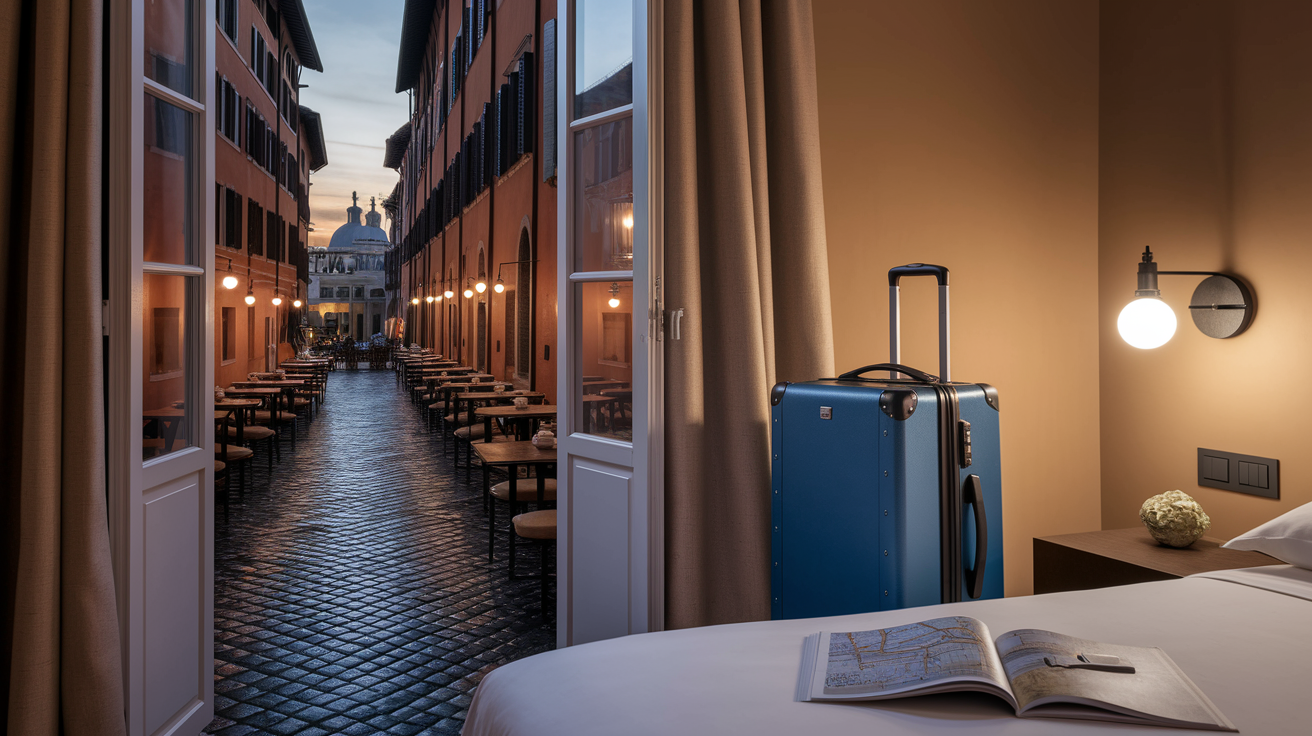
Pick hotels within walking distance of train stations or central landmarks to skip taxi costs and the hassle of dragging luggage across cobblestones or bridge steps.
Rome
Stay near Termini station for easy train access, or pick Trastevere or Monti for a neighborhood feel. Termini hotels are convenient but can feel generic. Trastevere puts you near evening dining and a short tram or bus ride from the Vatican.
- Monti sits a 10-minute walk from the Colosseum and has small boutique hotels with local cafés.
- Trastevere’s winding streets and evening aperitivo spots make it the most atmospheric base, though it’s farther from ancient Rome landmarks.
Florence
Centro Storico (historic center) hotels put you steps from the Duomo and Uffizi but cost more. Santa Croce and Oltrarno are quieter, more residential, and still walkable to major sites.
- Oltrarno hotels near Ponte Vecchio or Pitti Palace offer wine bars, artisan workshops, and Piazzale Michelangelo sunset access.
- Santa Croce (east of the Duomo) has local trattorias, leather markets, and a younger, less touristy vibe.
Venice
Dorsoduro and Cannaregio balance location, price, and local character best. San Marco hotels are central but expensive and surrounded by day-trippers.
- Dorsoduro (near Accademia or Ca’ Rezzonico vaporetto stops) is walkable to major sights and has quieter evening canals.
- Cannaregio (north of Rialto) offers lower prices, neighborhood bakeries, and the Jewish Ghetto’s historic synagogues and restaurants.
Dining Tips and Must-Try Regional Foods
Italian food varies sharply by region. What you eat in Rome won’t show up on menus in Florence or Venice. Restaurants charge a coperto (cover fee) of €2 to €4 per person, and water comes in bottles (naturale for still, frizzante for sparkling) rather than free tap service. Tipping’s optional. Rounding up a few euros or leaving 5 to 10% is common for good service, but 20% American-style tips aren’t expected.
In Rome, order cacio e pepe (cheese and black pepper pasta), carbonara (egg, guanciale, pecorino), or supplì (fried rice balls). Skip restaurants with photo menus or multilingual hawkers near the Colosseum and Vatican. Walk 10 minutes in any direction to find better food at lower prices. Trastevere and Testaccio are solid dinner neighborhoods.
Florence and Tuscany focus on bistecca alla fiorentina (massive T-bone steak, sold by weight), ribollita (hearty bread and vegetable soup), and pappardelle with wild boar ragù. The San Lorenzo Market’s indoor food stalls sell porchetta sandwiches and local cheeses for quick lunches. Pair meals with Chianti or Brunello wines from nearby vineyards.
Venice leans on seafood: sarde in saor (sweet and sour sardines), risotto al nero di seppia (squid-ink risotto), and fritto misto (mixed fried seafood). Cicchetti bars serve small plates similar to Spanish tapas. Stand at the bar with a glass of wine and order 3 to 4 plates per person. Skip the gondola-side restaurants. Walk into Cannaregio or Dorsoduro for better prices and fewer tourists.
Four dishes to try across the trip:
- Cacio e pepe in Rome
- Bistecca alla fiorentina in Florence
- Cicchetti and Aperol spritz in Venice
- Gelato everywhere (look for shops displaying natural colors and covered tubs rather than bright, heaped mounds)
Budget and Cost Expectations for One Week in Italy
A week in Italy costs €1,400 to €2,100 per person (roughly $1,500 to $2,300 USD), depending on hotel tier, dining choices, and how many guided tours you book. High-speed trains, museum tickets, and nightly stays make up the biggest chunks.
| Category | Typical Cost Range | Notes |
|---|---|---|
| Hotels (6 nights) | €480–€900 | €80–€150 per night; central locations cost more |
| Trains (Rome–Florence–Venice) | €50–€120 | Book 3 to 4 weeks ahead for lowest fares |
| Museum & site tickets | €150–€250 | Vatican €20–22, Uffizi €29, Colosseum €18, Doge’s Palace €25–30, plus booking fees |
| Meals & drinks | €300–€500 | €40–€70 per day; includes coperto, bottled water, occasional aperitivo |
| Local transport & miscellaneous | €100–€200 | Vaporetto passes, airport transfers, gelato, tips |
Flights and travel insurance sit outside this range. Budget carriers into Rome or out of Venice can drop airfare significantly, but check baggage fees and airport transfer costs before booking. Savings disappear if you’re flying into Ciampino and paying €40 for a taxi into the city.
Customization Options Based on Interest
Swap days or cities based on what matters to you. The 3–2–2 structure’s flexible. Move nights between cities or replace a destination entirely.
Art and museum focus:
- Add a third night in Florence to see both the Uffizi and Accademia without rushing.
- Spend a morning at Rome’s Galleria Borghese (€15, advance booking required months ahead).
- Visit Venice’s Peggy Guggenheim Collection for modern art along the Grand Canal.
Food and wine priorities:
- Replace Venice with Bologna (1 to 2 nights) for mortadella, tortellini, and a less touristy vibe.
- Book a full-day Chianti wine tour instead of a quick half-day trip.
- Take a pizza and gelato cooking class at a Tuscan farmhouse (includes vineyard tour, wood-fired oven, recipes to take home).
Beach or coastal extension:
- Swap Venice for 3 to 4 nights in Cinque Terre (colorful cliffside villages, hiking trails, seaside dining).
- Add 2 to 3 days in Positano or the Amalfi Coast after Rome (needs a separate train or ferry leg).
- Visit Capri as a day trip from Naples if you extend south.
History-focused itinerary:
- Add Pompeii and Herculaneum (1 to 2 days) after Rome. Take the Circumvesuviana train from Naples.
- Spend an extra day in Rome for the Appian Way, Catacombs, or Ostia Antica ruins.
- Replace Florence with Verona (Roman arena, Juliet’s balcony) and extend to Lake Garda.
Hit Rome’s top sights, spend a Vatican morning, then catch a train to Florence for the Duomo and Uffizi. Take a Tuscany day trip, then wander Venice’s canals and quieter lanes.
Plan trains with buffer time, choose neighborhoods that cut walking, and save room for long meals. The guide covers hotels, transit tips, food picks, and cost ranges so you’re not scrambling.
This one week in italy itinerary for first-time visitors keeps the pace easy, covers must-sees, and leaves room for small discoveries. You’ll finish feeling like you saw Italy, not ran through it.
FAQ
Q: What does the 7-day Italy itinerary cover?
A: The 7-day Italy itinerary covers Rome (Colosseum, Forum), Vatican, Florence (Duomo, Uffizi), a Tuscany day trip (Pisa/Siena/Chianti), Venice (Grand Canal, St. Mark’s), and a flexible departure day.
Q: Is this itinerary too rushed for first-time visitors?
A: This itinerary is paced to see highlights without nonstop rushing, with built-in breaks and one lighter option per day—still swap or skip activities if you’d rather move slower.
Q: How do I travel between cities in this plan?
A: Travel between cities in this plan uses Italy’s high-speed trains for Rome-Florence-Venice, about 1.5–3 hours; book tickets early for best prices and faster travel time.
Q: Should I buy tickets in advance for major sights?
A: You should buy tickets in advance for major sights like the Colosseum, Vatican Museums, Uffizi, and St. Mark’s to skip long lines and lock in timed entries.
Q: Which Tuscany day trip should I choose: Pisa, Siena, or Chianti?
A: Choose Pisa for the Leaning Tower and quick sightseeing, Siena for medieval streets and slower pace, or Chianti if you prefer rolling hills, wineries, and a relaxed tasting day.
Q: Where should I stay in Rome, Florence, and Venice for first-time visitors?
A: Stay near Rome’s Centro Storico or Trastevere for landmarks and evening vibes; Florence’s Duomo or Oltrarno for walkable art access; Venice’s San Marco or Dorsoduro for canals and quieter streets.
Q: How much cash should I carry versus using cards?
A: You should carry a small amount of cash for market stalls, cafes, and small shops, but use cards for hotels, trains, and most restaurants—ATMs are common in cities.
Q: What is a realistic daily budget for this one-week trip?
A: A realistic daily budget ranges roughly: budget travelers €70–€120, mid-range €150–€250, and splurge travelers €300+—these cover lodging, food, local transport, and some entry fees.
Q: Is this itinerary suitable for traveling with kids?
A: The itinerary is suitable for kids with tweaks—slow museum visits, more parks and gelato breaks, and train travel to avoid long drives; pick the Chianti swap if kids need open space.
Q: What should I pack for a week in Italy on this route?
A: Pack comfortable walking shoes, a lightweight day bag, a universal adapter, layered clothing for varied weather, a rain layer, photocopies of documents, and minimal dressier options for dinners.
Q: Can I add a beach day to this itinerary?
A: You can add a beach day by swapping a Tuscany day or a Venice morning for Cinque Terre, the Lido, or the Tuscan coast—best if you value relaxed seaside time over more museums.
Q: How much walking should I expect each day?
A: Expect moderate walking—plan for 3–5 miles a day on cobblestones and stairs; allow extra time for slow exploration, breaks, and short public-transit hops when needed.