Packing Lists
What to Pack for a Tropical Beach Vacation: Your Complete Checklist
By Travelin Guru Leisure
February 23, 2026
Field Notes
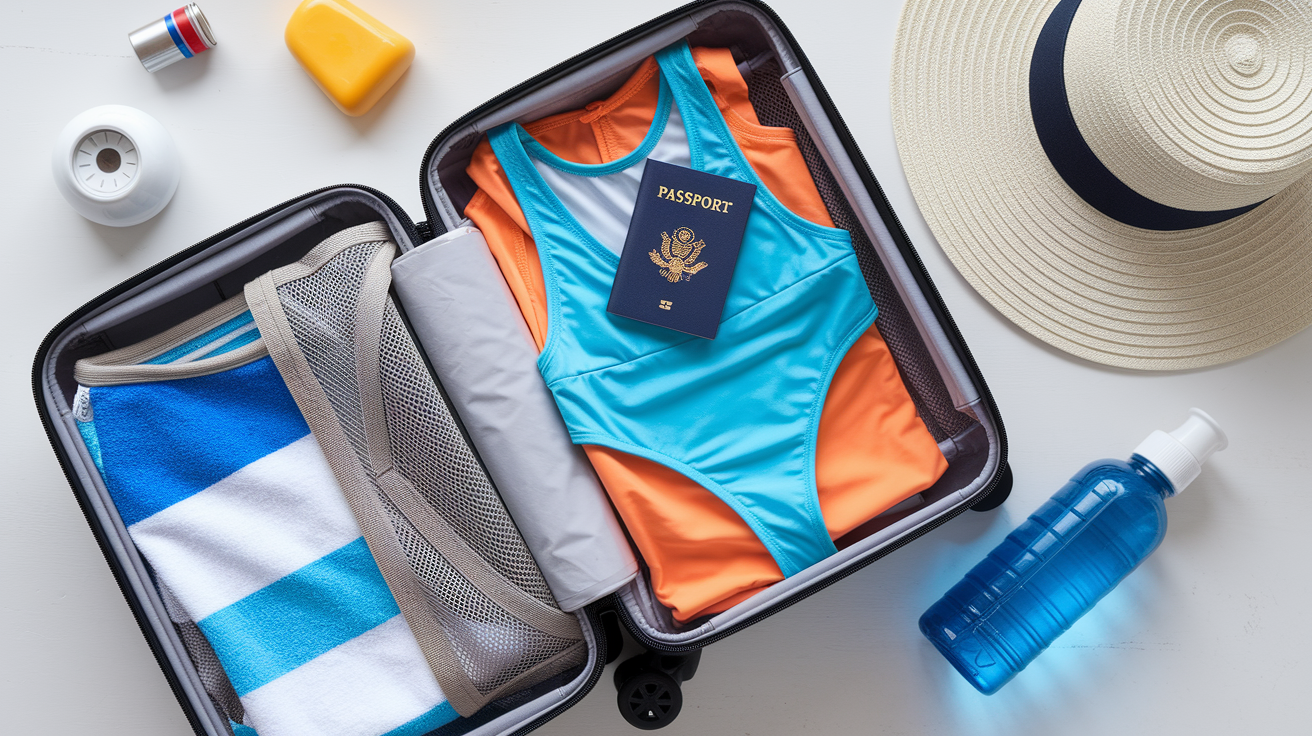
Think you can toss a swimsuit and sunscreen into a bag and call it packed?
Think again. Tropical trips punish tiny lists: humidity keeps swimsuits damp, sun eats sunscreen, and island shops charge double.
This post is your complete checklist for what to pack for a tropical beach vacation.
You’ll get exact counts, like how many swimsuits and towels, which sun and bug protection to buy before you go, and simple gear swaps for families, light packers, or adventure days.
Read this before you zip your bag.
Core Tropical Beach Vacation Packing Essentials (Complete Quick-Start Checklist)
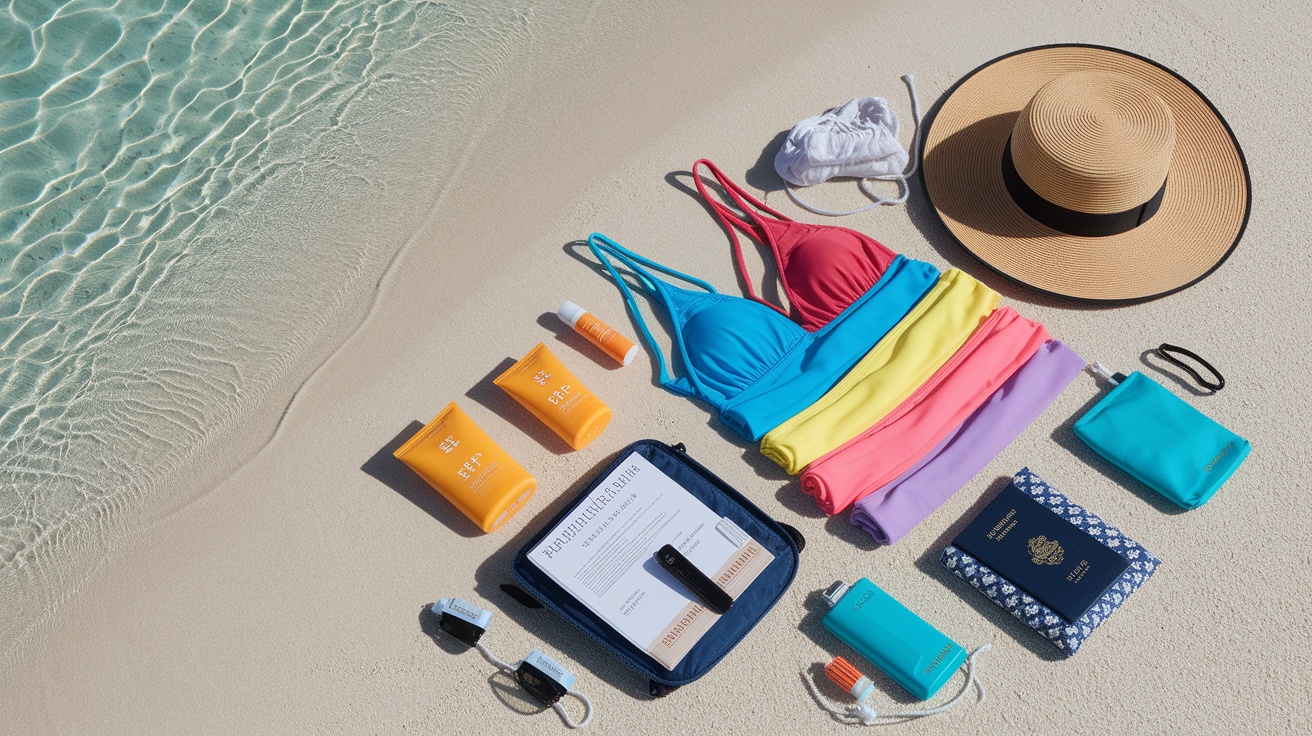
Packing for a tropical beach vacation breaks down into five areas: sun protection, swimwear, beach gear, waterproof storage, and travel documents. Get these sorted and you’ll skip the two biggest mistakes, running out of dry swimsuits and burning through sunscreen faster than you thought possible.
Bring 2–3 swimsuits per person. Wet suits don’t dry overnight when it’s humid, especially if you’re swimming twice a day. One towel per person plus a spare is the bare minimum. Sand and saltwater mean towels stay damp way longer than expected, and smaller resorts don’t always offer extras.
For hydration, pack one insulated water bottle per person, somewhere in the 26–32 oz range. That size keeps drinks cold through long beach days and cuts down on buying plastic bottles. A waterproof phone case, either a hard OtterBox Frē MagSafe or a floating pouch style, protects your phone during boat trips, snorkeling, and surprise rain showers.
- Reef-safe SPF 50 body sunscreen
- SPF 40 face sunscreen (mineral or facial formula)
- SPF lip balm (at least 1–2 tubes)
- 2–3 swimsuits per person
- Beach towel (1 per person + 1 spare)
- Wide-brim sun hat or packable bucket hat
- Polarized sunglasses
- Water shoes (1 pair for rocky or coral beaches)
- Lightweight cover-up or sarong
- 20% picaridin bug repellent (travel size)
- Insulated water bottle (26–32 oz per person)
- Waterproof phone case
- Passport, ID, and printed travel documents
- Portable phone charger
- Basic first aid kit (bandages, antiseptic wipes, blister care)
Quantities matter more in tropical climates. Sun exposure is constant, humidity keeps everything wet, and heat drains phone batteries faster. If you pack one swimsuit, you’ll spend half your trip in something damp. One towel? It’ll smell like mildew by day three. Build in backups for anything that touches water or sweat.
Clothing and Swimwear Packing Strategy for Tropical Conditions
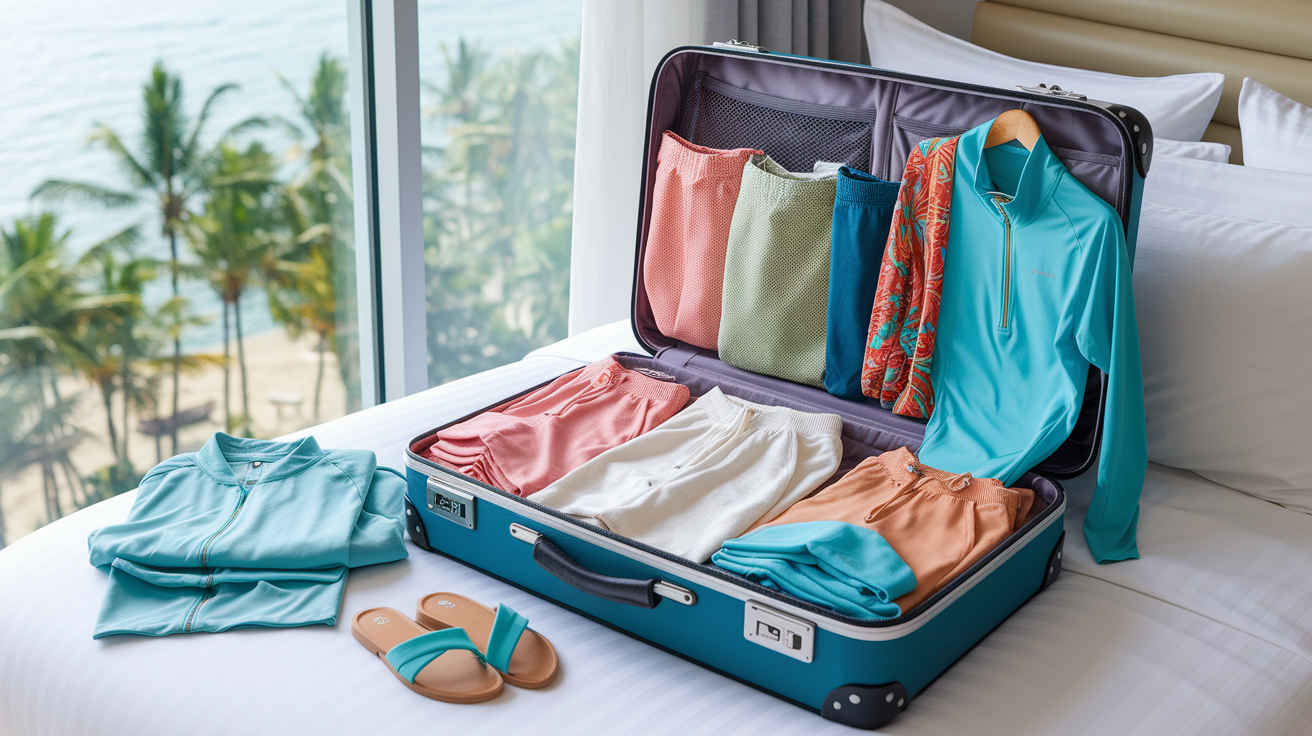
Choose lightweight, wrinkle-resistant fabrics that breathe in heat and dry quickly after rain or a swim. Linen shirts, cotton blend shorts, and loose sleeveless tops work for both beach days and air-conditioned restaurants. Pack 3–5 tops and 1–2 pairs of lightweight trousers or shorts. Skip heavy denim or anything that takes more than a few hours to dry.
Cover-ups do double duty. A sarong or lightweight caftan works as a beach cover, a picnic blanket, a makeshift sun shade, or a wrap for cooler evenings. Bring 1–2 per person. They take up almost no luggage space and handle wet swimsuit transitions without looking sloppy. One-piece swimsuits can double as bodysuits under skirts or shorts for casual lunches, which cuts down the number of separate tops you need.
UV-protective rash guards reduce how often you need to reapply sunscreen, especially if you’re snorkeling or spending hours in the water. A long-sleeve swim shirt with UPF 50 coverage saves roughly 20 minutes of reapplication time every 90 minutes, and it’s easier than trying to coat your back evenly. For kids, rash guards keep sun exposure manageable without constant reminders.
Sample outfit combinations for a week-long trip:
- Morning beach: swimsuit, rash guard, water shoes, sun hat
- Midday return: cover-up or sarong over damp suit, flip-flops
- Casual lunch: linen shirt, denim shorts, supportive sandals
- Evening resort dinner: sleeveless maxi dress or lightweight trousers with a breathable top
- Boat or island day trip: quick-dry shorts, tank top, packable rain jacket in daypack
Footwear and Sun Protection Clothing Selection
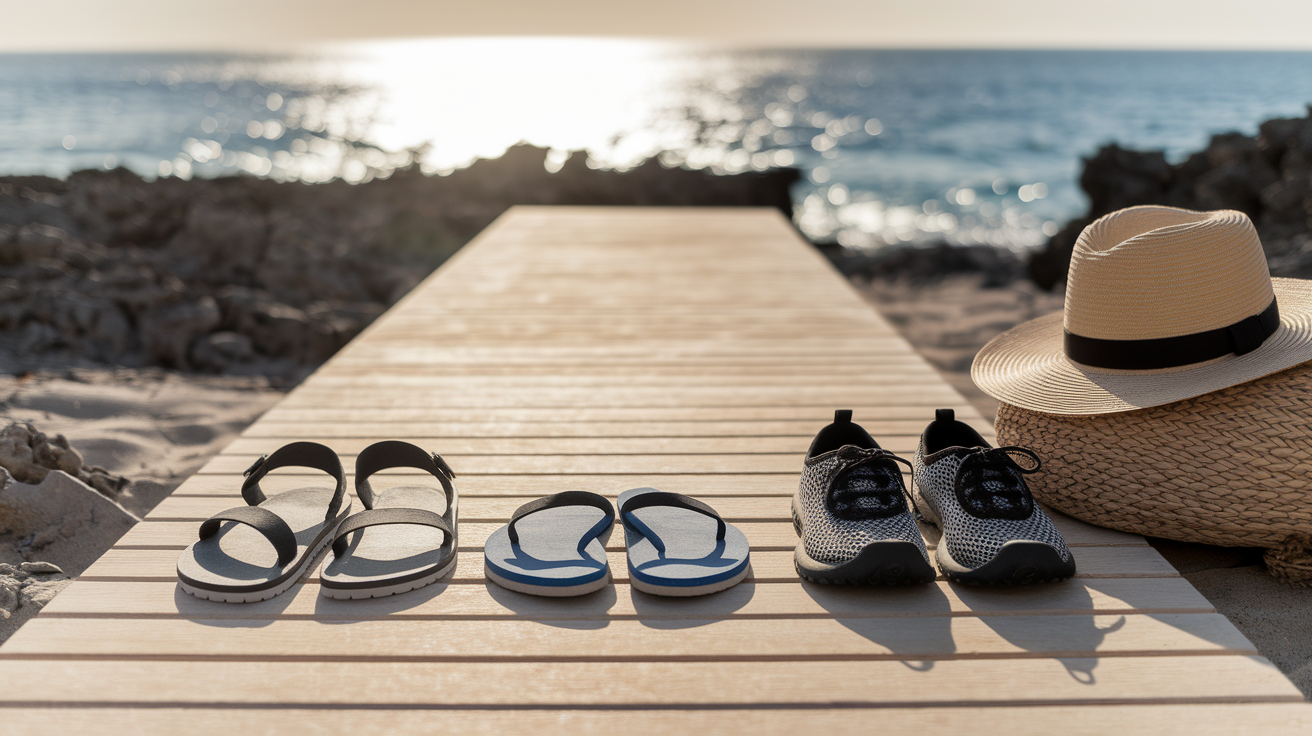
Pack two pairs of sandals. One packable flip-flop for sand and one supportive slide or strap sandal for walking at night or on uneven terrain. Cheap foam flip-flops fall apart quickly on hot pavement and offer no arch support. Look for a pair with a molded footbed or a slight contour, especially if you’ll be walking more than a few minutes at a time.
Water shoes matter on rocky beaches, coral entries, and tide pools. A single pair with quick-dry mesh, a secure heel, and a grippy rubber sole prevents cuts and slips. Skip the flimsy aqua socks. They don’t protect your feet from sharp shells or hot sand. If you’re unsure whether you’ll need them, check photos of your beach or snorkel site. Clear shallow water usually means coral or rocks underfoot.
Polarized sunglasses reduce glare off water and sand, which makes a real difference when you’re outside all day. Bring one pair you trust. Replacements on small islands are hard to find and usually overpriced. A packable sun hat with a chin strap stays put in wind and folds flat in your bag. Wide-brim straw hats look great in photos but crack easily in luggage. Save those for driving trips where you can toss them in the back seat. UV-protective swim shirts work best for long snorkel sessions, boat rides, or any activity where you’re in and out of the water and reapplying sunscreen becomes a hassle.
Toiletries, Reef-Safe Sunscreen, and After-Sun Care Guidance
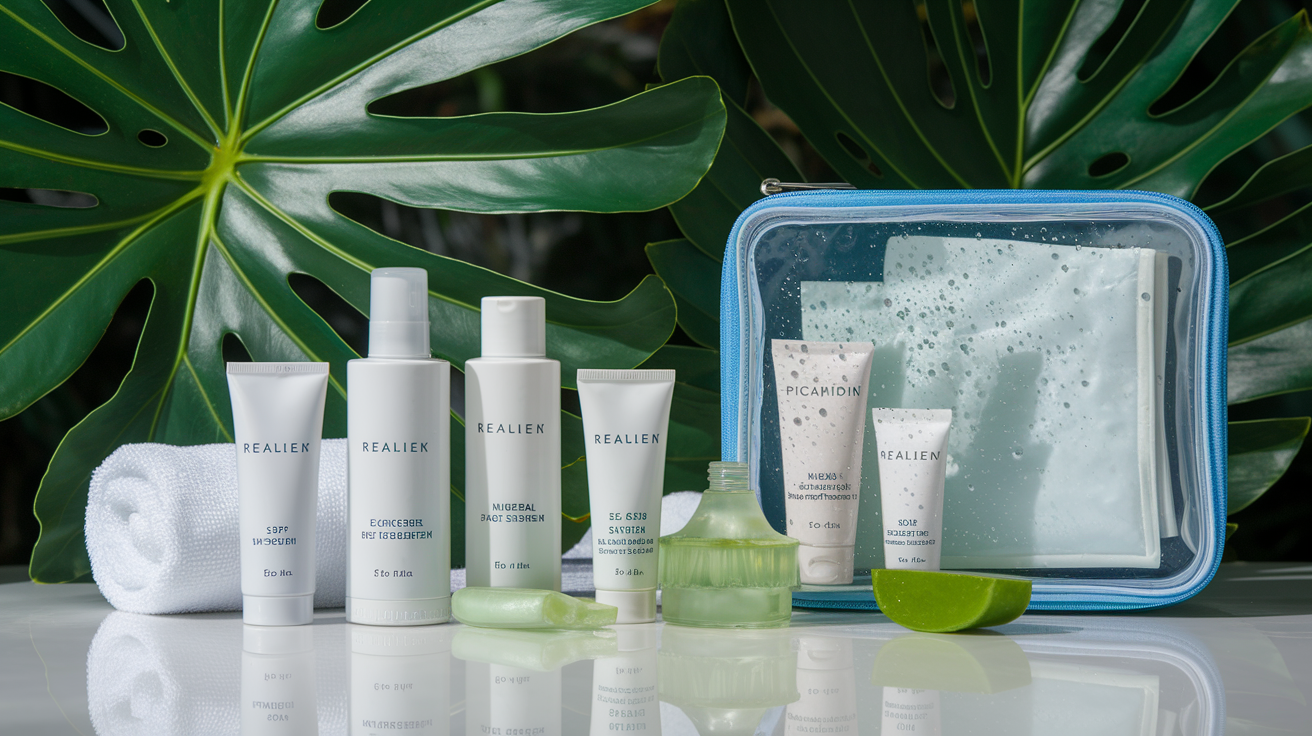
Reef-safe sunscreen is required in many tropical destinations and costs significantly more on-island, so buy it before you leave. SPF 50 body sunscreen in spray or lotion form works for most situations. One example is Supergoop Play Spray or Sun Bum classic lotion, both widely available and effective. For your face, a separate SPF 40 mineral sunscreen or tinted formula like Glowscreen Soft-Radiance Drops sits better under makeup and doesn’t sting if you sweat into your eyes.
SPF lip balm is easy to forget and painful to go without. Bring at least two tubes. One for your beach bag, one for your day pack. After-sun care helps with the inevitable slight burn or dry skin from saltwater. A cooling aloe vera gel stored in the mini fridge feels incredible at the end of a long beach day. Look for fragrance-free options if your skin is sensitive, or pick up a bottle of Sun Bum Cool Down aloe gel.
If you’re flying carry-on only, the TSA 3 oz liquid limit applies to sunscreen, so either pack a small tube for the plane and buy full-size bottles on arrival, or check a bag with your main supply. Bug spray with 20% picaridin works better than DEET in humid tropical climates and doesn’t damage synthetic fabrics. A travel-size bottle (around 4 oz) lasts a week for two people if you’re applying it once per evening. Antibacterial wipes are useful for quick clean-ups before meals, especially if you’re eating street food or have kids along.
Useful toiletry categories to pack:
- Reef-safe body sunscreen (SPF 50)
- Face sunscreen (mineral or SPF 40 tinted option)
- SPF lip balm (2 tubes minimum)
- After-sun aloe gel (store in fridge)
- Bug repellent (20% picaridin formula)
- Antibacterial wipes or travel hand sanitizer
Keep your liquids organized in a clear toiletry pouch or a small Dopp kit, and remember that even “waterproof” sunscreens need reapplication every 90 minutes when you’re swimming. Factor that into how much you buy. A family of four can go through a full bottle in two days if everyone’s in the water frequently.
Beach Gear and Accessories: How to Choose the Right Equipment
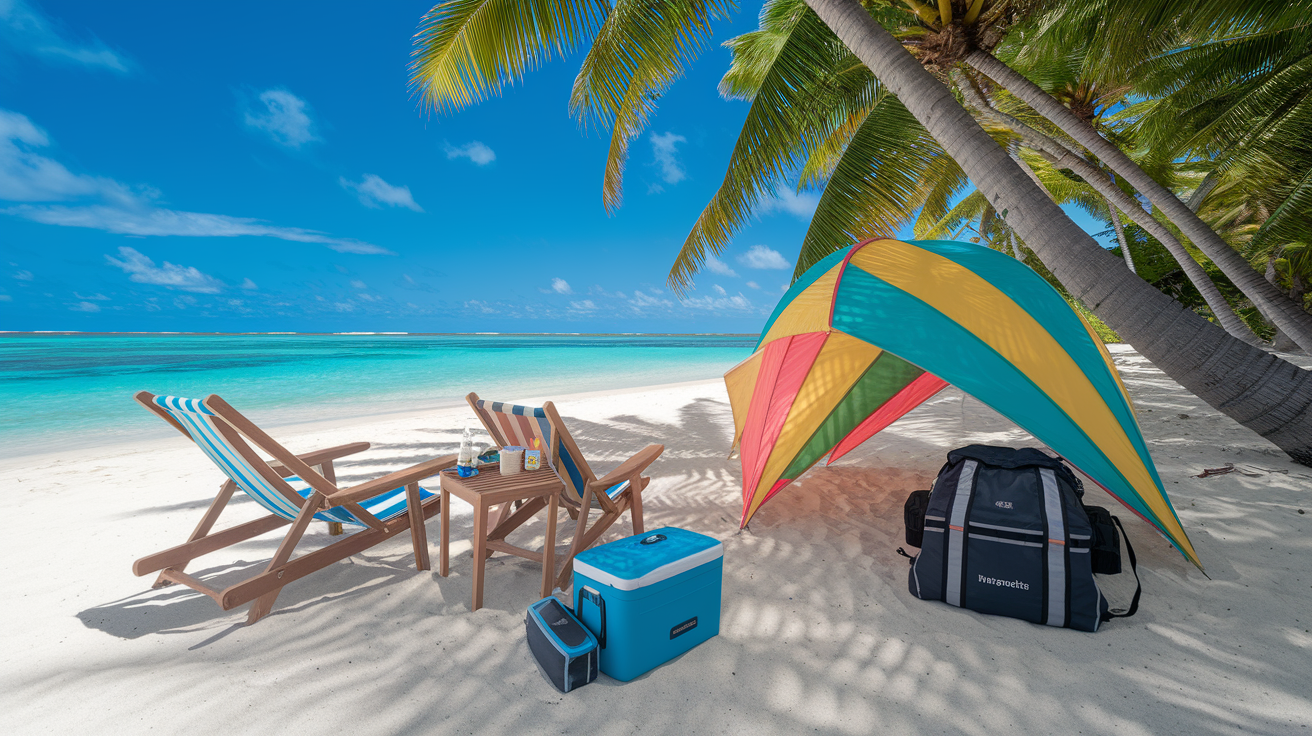
Microfiber or sand-resistant beach towels dry faster than cotton and shake clean more easily. Even quick-dry towels stay damp in high humidity, so bring at least one per person plus a spare. Some resorts don’t provide beach towels, and buying or renting them on-site adds unnecessary cost.
Coolers keep drinks cold and prevent midday trips back to your room. An 8-liter soft-sided cooler works for one or two people on a half-day outing. A 20-liter option like the Hydro Flask Carry Out handles a small family or a full beach day with snacks. For larger groups or multi-day boat trips, a hard cooler like the Roadie 24 offers better ice retention and doubles as extra seating.
Shade options range from compact clip-on umbrellas to full family shelters. Sport-Brella clips onto chairs, while the CoolCabana 5 or L.L.Bean Sunbuster folding shelter provides covered space for multiple people and gear. Beach chairs with cupholders and lightweight frames (like Tommy Bahama or Shore Thing models) make long beach days more comfortable, but they’re bulky to pack unless you’re driving or checking a large bag. A portable beach table is optional but keeps phones, snacks, and sunscreen off the sand.
Wet bags separate damp swimsuits and sandy clothes from dry items in your luggage, and they’re reusable for dirty laundry or toiletries on the trip home. Dry bags protect electronics, wallets, and cameras during kayaking, snorkeling, or sudden rain.
| Item | Purpose | Recommended Size/Model | When to Use |
|---|---|---|---|
| Beach towel | Drying off, sitting on sand | Microfiber or sand-resistant, 1 per person + 1 spare | Every beach day; resorts may not provide extras |
| Cooler | Keep drinks and snacks cold | 8L soft-sided for couples; 20L Hydro Flask Carry Out for families; Roadie 24 for groups | Full-day beach outings, boat trips, picnics |
| Beach blanket | Picnic base, extra seating, shade layer | Sand-proof, rollable | Family setups, beach picnics, extra ground cover |
| Sun shelter | Shade for multiple people and gear | CoolCabana 5, L.L.Bean Sunbuster, or Sport-Brella clip umbrella | Long beach days, young children, fair skin, midday sun |
| Folding beach chair | Comfortable seating off the sand | Lightweight with cupholders (Tommy Bahama, Shore Thing) | Extended stays, older travelers, back support needs |
| Dry bag / wet bag | Protect electronics; separate wet items | 40L waterproof dry bag backpack; medium wet bag for suits | Kayaking, snorkeling, rain protection, post-swim storage |
Electronics, Entertainment, and Waterproof Tech Recommendations
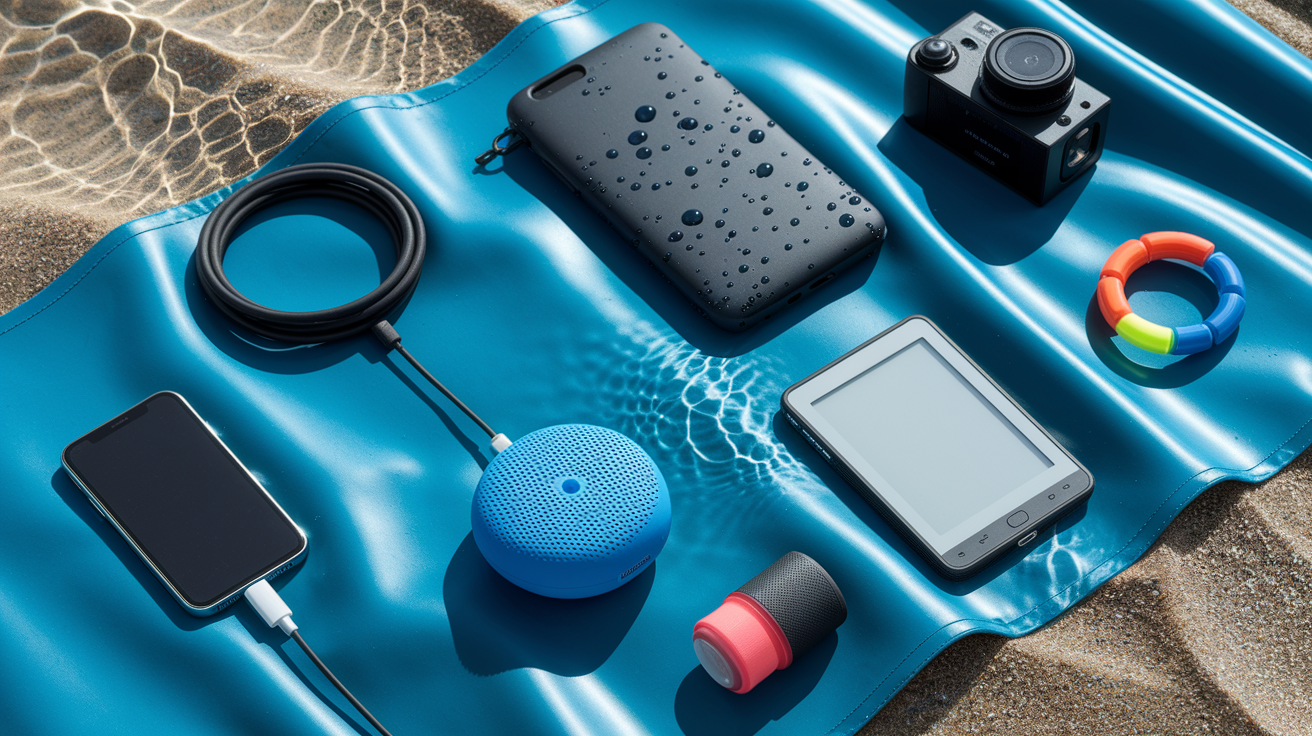
A portable charger keeps your phone alive through long days when you’re using GPS, taking photos, and streaming music. The Anker 321 MagGo is a reliable compact option. One charger per one or two people is usually enough unless everyone’s a heavy user. Keep a 6-foot charging cable in your travel bag permanently so you never forget it, and consider a 10-foot option for airport lounges or hotel rooms where outlets are far from the bed.
Portable waterproof speakers let you play music without draining your phone battery or risking water damage. Compact models like the JBL Go 4 or Ultimate Ears Miniroll fit in a beach tote and last several hours per charge. Keep the volume respectful. Other beachgoers didn’t come to hear your playlist.
Waterproof phone cases come in two styles: hard cases like the OtterBox Frē MagSafe that stay on your phone full-time, or floating pouch-style cases you use only during water activities. Hard cases offer better protection for the entire trip; floating pouches are cheaper and easier to share among family members.
A budget waterproof action camera costs roughly 20% of a GoPro’s price and often includes mounts, cases, and accessories in the box. If you’re snorkeling, kayaking, or doing anything where you want hands-free video, it’s worth the small investment. A Kindle Paperwhite is lighter than three paperbacks, waterproof, and easier to read in bright sun than a phone screen. If you’re traveling with kids, portable beach games like flying rings, a collapsible disc set, or a compact Spikeball kit add easy entertainment without taking up much luggage space.
Organization, Luggage, and Packing Cubes Strategy
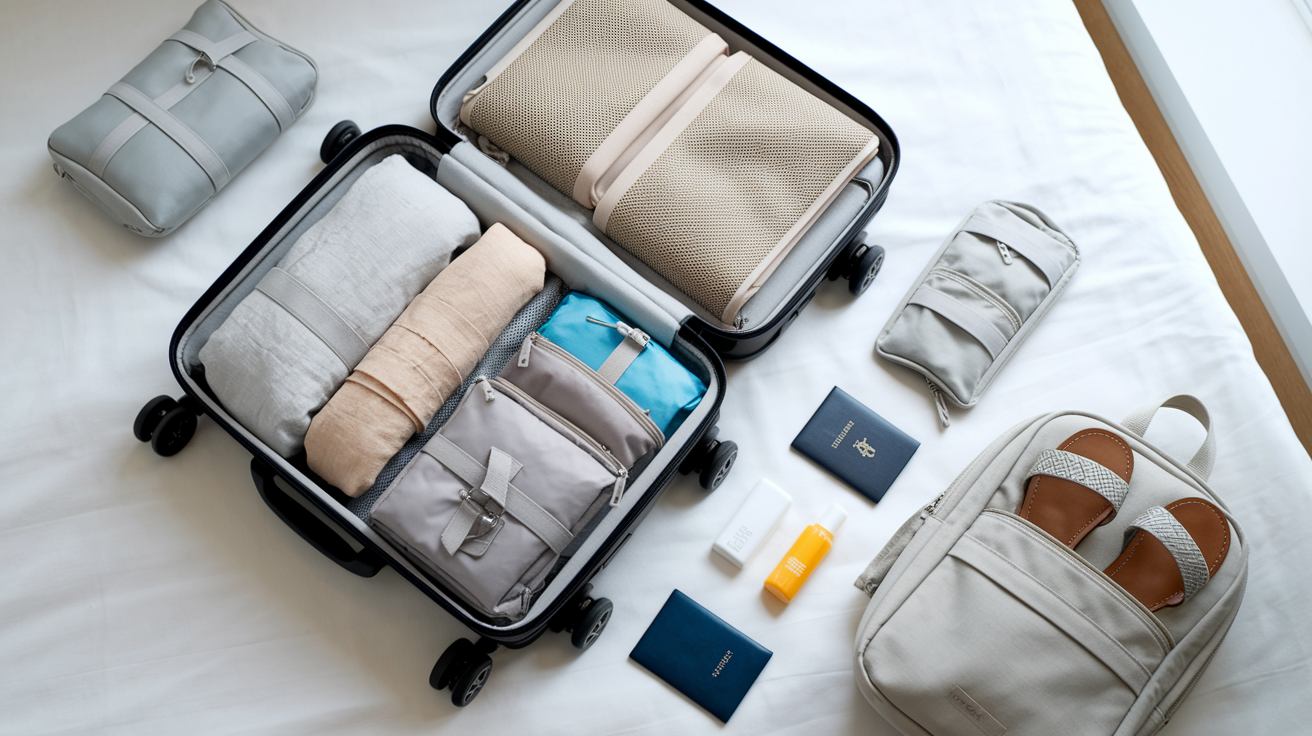
Packing cubes turn a chaotic suitcase into an organized system where you can find what you need without unpacking everything. Use one medium cube for clothing, one small cube for toiletries, and another small or slim cube for accessories like chargers, sunglasses, and hats. Cubes compress bulkier items and keep wet or sandy clothes separated from clean ones when you’re packing to leave.
Roll your clothes instead of folding them. It saves space and reduces wrinkles in lightweight fabrics like linen and cotton blends. Waterproof pouches, like those from the Aloha Collection, collapse flat when empty and work perfectly for wet swimsuits, damp towels, or items you’ve rinsed in the sink. If you’re checking a bag, pack your bulkiest items (coolers, beach chairs, umbrellas, full-size toiletries) in checked luggage and keep your carry-on light and focused on essentials.
Your carry-on should always include anything you’d need for the first 24 hours if your checked bag goes missing: one swimsuit, a change of clothes, medications, phone charger, travel documents, and a small bottle of sunscreen. Put valuables, electronics, and anything irreplaceable in your personal item or daypack, never in checked luggage.
Effective packing cube and compression strategy:
- Medium cube: tops, shorts, lightweight pants, cover-ups
- Small cube: underwear, socks, bras (quick-dry preferred)
- Slim or small cube: chargers, cables, portable battery, sunglasses case
- Waterproof pouch: wet swimsuits, damp towels, toiletries that might leak
- Shoe bag or separate pouch: sandals, flip-flops, water shoes (keeps sand contained)
- Carry-on essentials: passport, phone, charger, 1 swimsuit, medications, 3 oz sunscreen, change of clothes
Compression bags work well for bulkier items like beach blankets or a packable rain jacket, but don’t over-compress delicate fabrics or anything that wrinkles easily. Leave a little room in your luggage for souvenirs, wet items on the return trip, and anything you pick up on-island.
Specialized Packing Tips for Families, Honeymoons, and Island Hopping
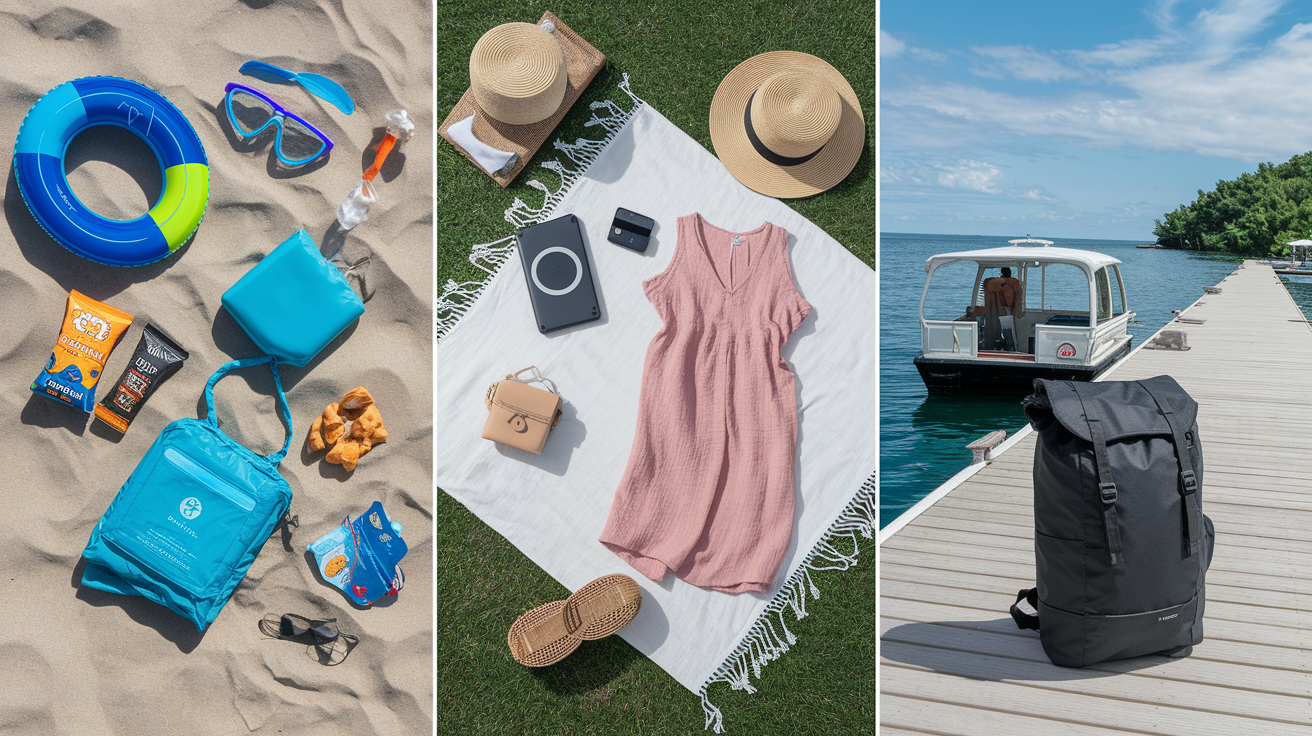
Families with young kids need a few specific additions: inflatable arm floaties or a small life jacket for open water, a kid-sized snorkel set with a dry-top design to prevent water intake, and baby-safe mineral sunscreen that won’t sting eyes. Pack extra snacks and a refillable water bottle for each child. Resort food is expensive, and kids get hungry and thirsty more often than adults when they’re active all day. A small wet bag just for kids’ gear keeps sandy toys, damp suits, and half-eaten snacks contained.
Honeymoon travelers can pack lighter and focus on a few elevated pieces. One nicer sundress or linen shirt for sunset dinners, a sarong that works as both a cover-up and a picnic blanket, and a portable speaker for private beach time. Skip the bulky camera gear unless photography is a priority; phone cameras handle most vacation shots well, and a small tripod lets you take couple photos without asking strangers. A waterproof pouch protects rings during swimming. Many newlyweds use a Lion Latch ring holder to keep wedding bands secure.
Island hopping requires a minimalist approach. Bring only what fits in a 40-liter backpack or a single carry-on. You’ll be moving between boats, small planes, and water taxis where checked luggage isn’t always an option. Stick to quick-dry clothing, one pair of shoes, two swimsuits, and a compact daypack for excursions. Use packing cubes to compress everything tightly, and keep your essentials (documents, money, phone, charger, medications) in a small crossbody bag that stays with you at all times.
Special-scenario packing adjustments:
- Families: inflatable floaties, kid snorkel set (dry-top), baby sunscreen, extra snacks, small wet bag for toys
- Honeymoon: 1–2 elevated outfits, portable speaker, phone tripod, ring holder, lightweight sarong
- Island hopping: 40L backpack, quick-dry clothing only, minimal footwear, small crossbody for valuables, collapsible daypack
- Remote or eco-resorts: extra bug spray, headlamp or small flashlight, reef-safe toiletries, filtered water bottle
- Rainy season travel: packable rain jacket per person, waterproof dry bag for electronics, extra quick-dry clothing
Plan for flexibility. If you’re visiting multiple islands, you won’t have access to laundry as often, so quick-dry fabrics and a sink-wash routine become essential. If you’re staying at an all-inclusive resort, you can pack lighter because towels, water, and some gear are provided. Match your packing strategy to your trip style, and always assume you’ll need one less outfit and one more swimsuit than you think.
Final Words
Start with the must-haves: reef-safe SPF 50, SPF 40 face sunscreen, SPF lip balm, 2-3 swimsuits, one towel per person plus a spare, a 26-32 oz insulated bottle, a waterproof phone case, and 20% picaridin bug spray.
Choose lightweight, quick-dry clothes, a cover-up, water shoes, a packable hat, sand-resistant towel, small cooler, and a dry bag.
Organize with packing cubes, keep passports and TSA-size sunscreen in your carry-on, and bring a compact power bank for beach days.
This short guide shows what to pack for a tropical beach vacation, so you spend less time worrying and more time lounging in the sun.
FAQ
Q: What is the 5 4 3 2 1 rule for packing?
A: The 5 4 3 2 1 rule for packing means bring 5 tops, 4 bottoms, 3 underwear, 2 shoes, and 1 jacket — a simple capsule that covers variety while keeping your bag light.
Q: What is the 3 5 7 rule for packing?
A: The 3 5 7 rule for packing suggests about 3 bottoms, 5 tops, and 7 underwear/socks or day items — enough pieces to mix outfits for a week and avoid overpacking.
Q: What is the 3 3 3 rule for packing for travel?
A: The 3 3 3 rule for packing for travel recommends three tops, three bottoms, and three underlayers (underwear or socks), ideal for short trips with mix-and-match and occasional laundry.
Q: What to pack for a 10 day tropical vacation?
A: The essentials to pack for a 10 day tropical vacation are 2–3 swimsuits, one towel per person plus a spare, reef-safe SPF50 body and SPF40 face sunscreen, SPF lip balm, 26–32 oz insulated bottle, 20% picaridin repellent, waterproof phone case, travel documents, and chargers.