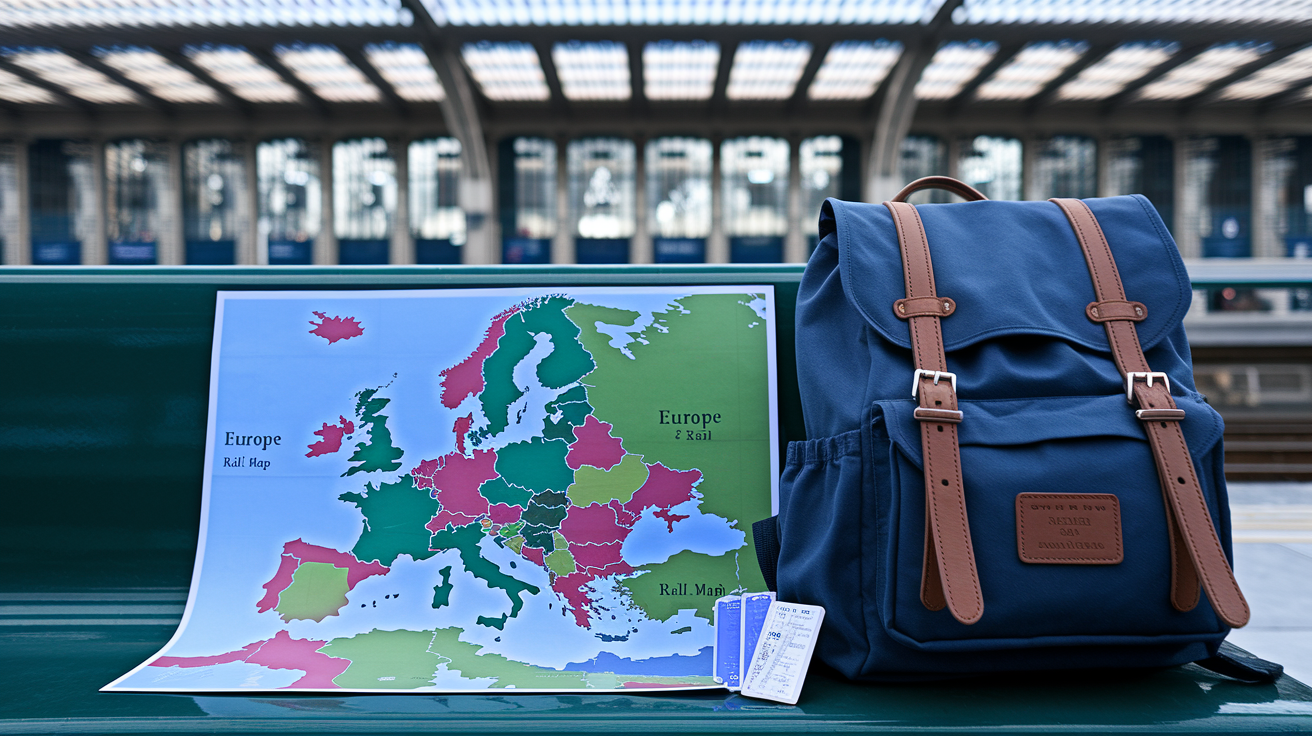

Think you need weeks to see Europe by train? You don’t.
This 10-day route hops Paris, Bruges, Amsterdam, Berlin, Munich, Innsbruck, and Venice using fast and regional trains so you skip airport hassle and actually enjoy the countryside.
It’s paced for first-timers: short stays, realistic travel times, and built-in buffers so you won’t burn out.
Keep reading for a straightforward plan with booking tips, sleep-friendly hotels near stations, and money-smart choices that make this trip easy and fun.
Overview of the 10-day Europe Train Itinerary
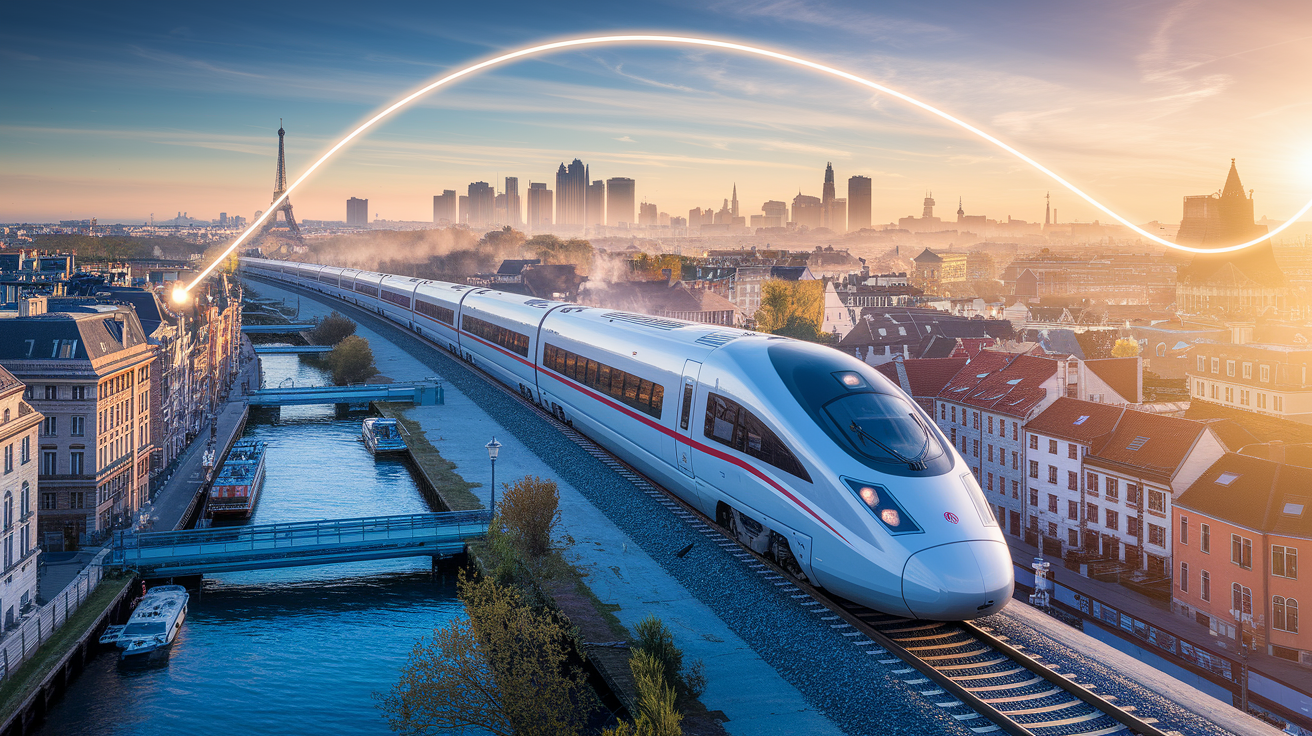
This 10-day Europe train itinerary covers five countries across Western and Central Europe, built around major rail hubs that connect smoothly by high-speed and regional trains. You’ll start in Paris, move through Belgium and the Netherlands, cut east into Germany, and finish in Austria and Italy. It’s a balanced mix of culture, history, architecture, and food without overwhelming transfers.
Europe’s rail network makes multi-country trips surprisingly simple. Trains like the TGV, ICE, and Eurostar run on time, offer comfortable seating, and connect city centers directly. You skip airport hassle and see countryside along the way.
- Paris, France (arrival and 2 nights)
- Bruges, Belgium (1 night)
- Amsterdam, Netherlands (2 nights)
- Berlin, Germany (2 nights)
- Munich, Germany (1 night)
- Innsbruck, Austria (1 night)
- Venice, Italy (1 night, departure day)
The rest of this article walks through each day’s activities and train connections. You’ll get realistic costs, lodging tips near major stations, and advice on which rail pass or ticket type makes the most sense for this route. There’s also guidance on how to book tickets and alternative routes if you want to adjust the plan.
Day-by-Day Europe Train Itinerary
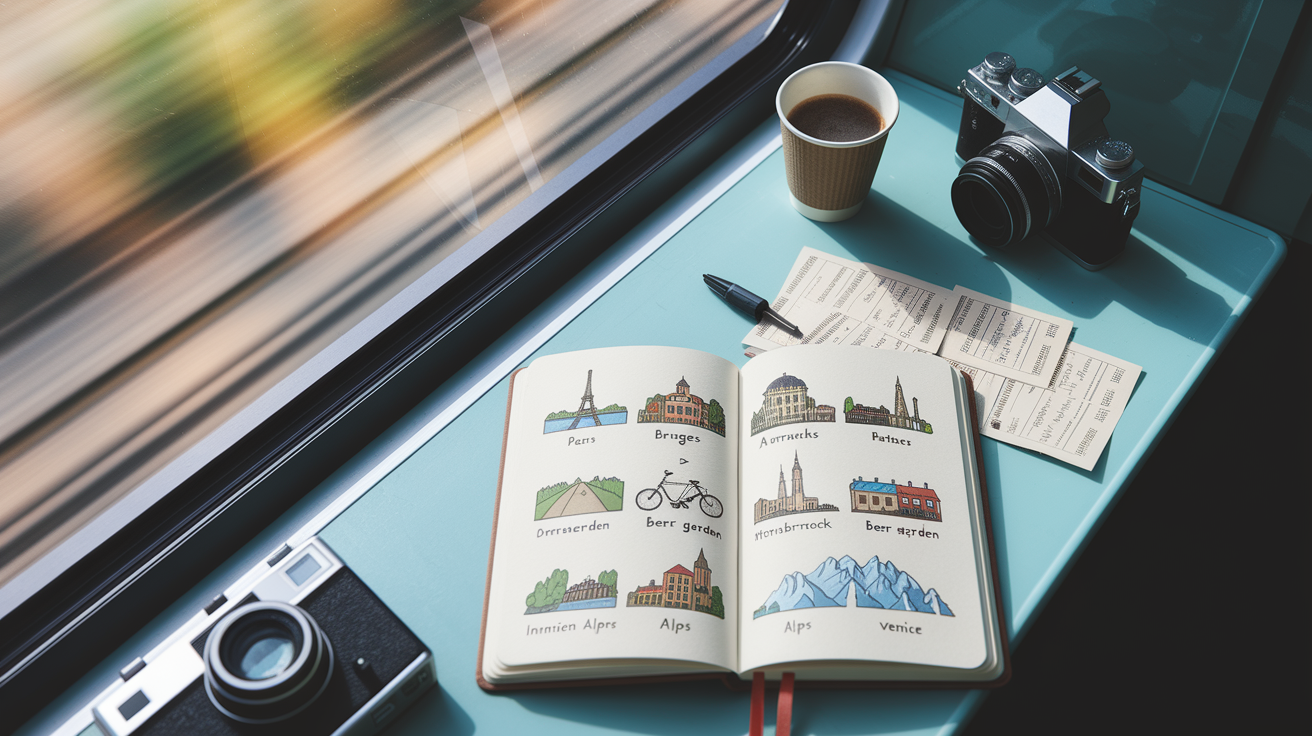
Day 1: Arrive in Paris
Fly into Charles de Gaulle and take the RER B train to central Paris. Takes about 30 minutes. Spend the afternoon adjusting to the time zone with a walk along the Seine or through the Marais. Grab dinner near your hotel and get to bed early so you’re ready for a full day tomorrow.
Day 2: Paris
Visit the Eiffel Tower in the morning when lines are shorter, then walk through Trocadéro Gardens for photos. In the afternoon, explore the Louvre or stroll the Latin Quarter and stop at a café. The Eiffel Tower lights up in the evening and the city feels quieter then.
Day 3: Paris to Bruges
Take a mid-morning Thalys or TGV train to Bruges. About 2.5 hours with one change in Brussels. Check into your hotel near the Markt, then walk the cobblestone streets to see the Belfry, canals, and medieval buildings. Bruges is small, so you can cover the center in an afternoon and evening walk.
Day 4: Bruges to Amsterdam
Catch a direct train to Amsterdam, around 3 hours. Arrive by early afternoon and settle into a hotel near Centraal Station. Spend the rest of the day walking the canal ring, visiting the Anne Frank House if you booked ahead, or browsing the Jordaan neighborhood. Amsterdam is bike-friendly, but walking works fine for a short stay.
Day 5: Amsterdam
Use the full day to visit the Rijksmuseum or Van Gogh Museum in the morning. Take a canal boat tour or rent a bike to see Vondelpark. In the evening, explore the De Pijp area for dinner and a relaxed local vibe away from the main tourist center.
Day 6: Amsterdam to Berlin
Board an intercity train to Berlin. About 6 hours, usually one change. The ride crosses flat Dutch farmland and German forest, so bring a book or download shows. Arrive in Berlin by late afternoon, check in near Hauptbahnhof or Alexanderplatz, and grab currywurst or döner for a simple first meal.
Day 7: Berlin
Spend the morning at the Berlin Wall Memorial and East Side Gallery, then walk through Brandenburg Gate and the Reichstag area. Visit Museum Island in the afternoon if you’re into history, or explore Kreuzberg and Friedrichshain for street art and cafés. Berlin rewards wandering more than rigid plans.
Day 8: Berlin to Munich
Take a high-speed ICE train to Munich, around 4 hours. Arrive by early afternoon and head to Marienplatz to see the Glockenspiel and old town. Munich feels more compact than Berlin, so you can cover the center on foot. Visit a beer garden in the evening if the weather’s decent.
Day 9: Munich to Innsbruck
Catch a morning regional train to Innsbruck. About 2 hours, which takes you through Bavarian countryside and into the Alps. Check into a hotel near the Altstadt, then take the Nordkette cable car up for mountain views or walk the old town along Maria-Theresien-Straße. Innsbruck is small and quiet, a good break before Venice.
Day 10: Innsbruck to Venice (departure)
Take an early train to Venice, about 5 hours with usually one change in Verona. Arrive by early afternoon, store your bags at the train station if your flight is later, and spend a few hours walking through San Marco, across the Rialto Bridge, or along quieter canals in Cannaregio. Fly home from Venice Marco Polo Airport or extend the trip if you have time.
Train Routes and Travel Times
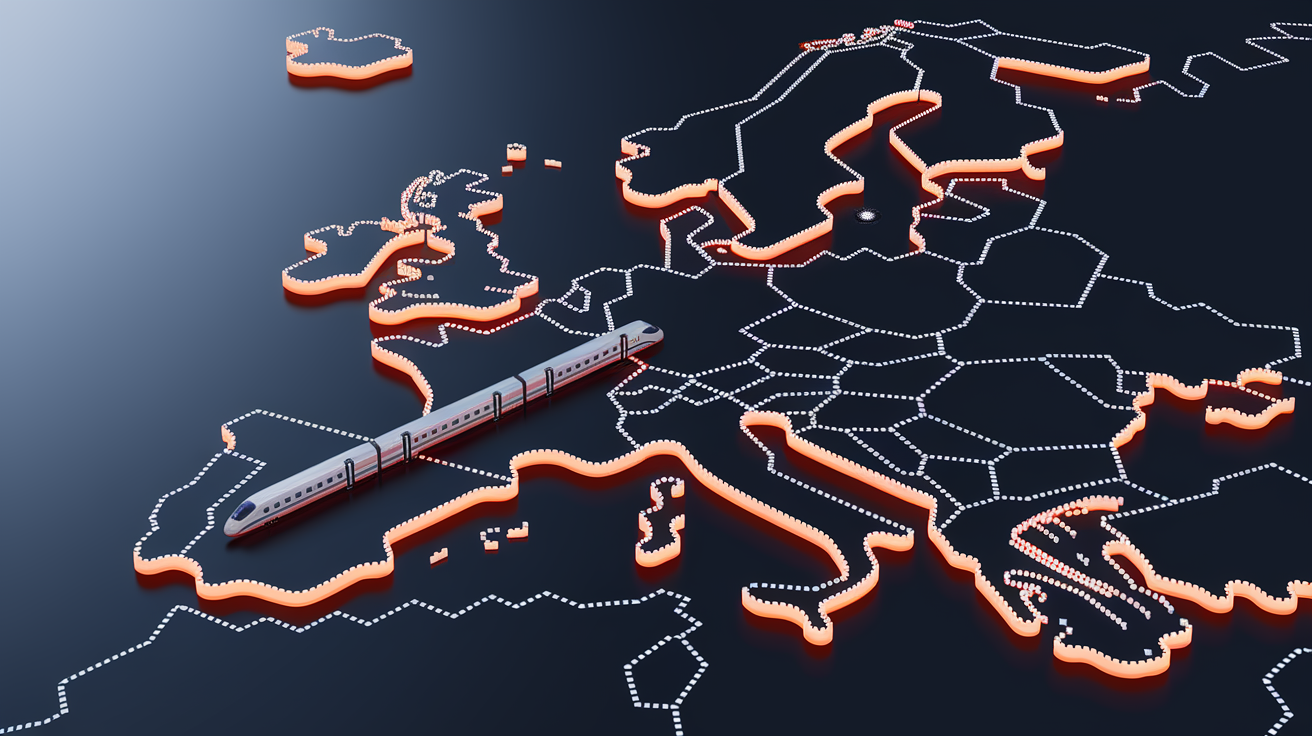
Knowing train durations helps you plan realistic departure times, avoid rushing, and decide whether to book morning or afternoon travel. Shorter segments let you arrive with time to explore. Longer rides work better if you board early and use the train time to rest or catch up on trip notes.
| Route | Typical Duration |
|---|---|
| Paris to Bruges (via Brussels) | 2.5 hours |
| Bruges to Amsterdam | 3 hours |
| Amsterdam to Berlin | 6 hours |
| Berlin to Munich | 4 hours |
| Munich to Innsbruck | 2 hours |
| Innsbruck to Venice (via Verona) | 5 hours |
European trains run on time more often than flights, especially high-speed lines like TGV and ICE. Delays happen, but they’re usually short and announced clearly on platform screens.
Seats on intercity trains are comfortable, with power outlets, tables, and room to stretch. Regional trains are simpler but still clean and reliable. If you’re traveling during peak morning or evening hours, book a seat reservation on busy routes to guarantee space. Especially on the longer segments like Amsterdam to Berlin.
Eurail Pass vs Point-to-Point Tickets
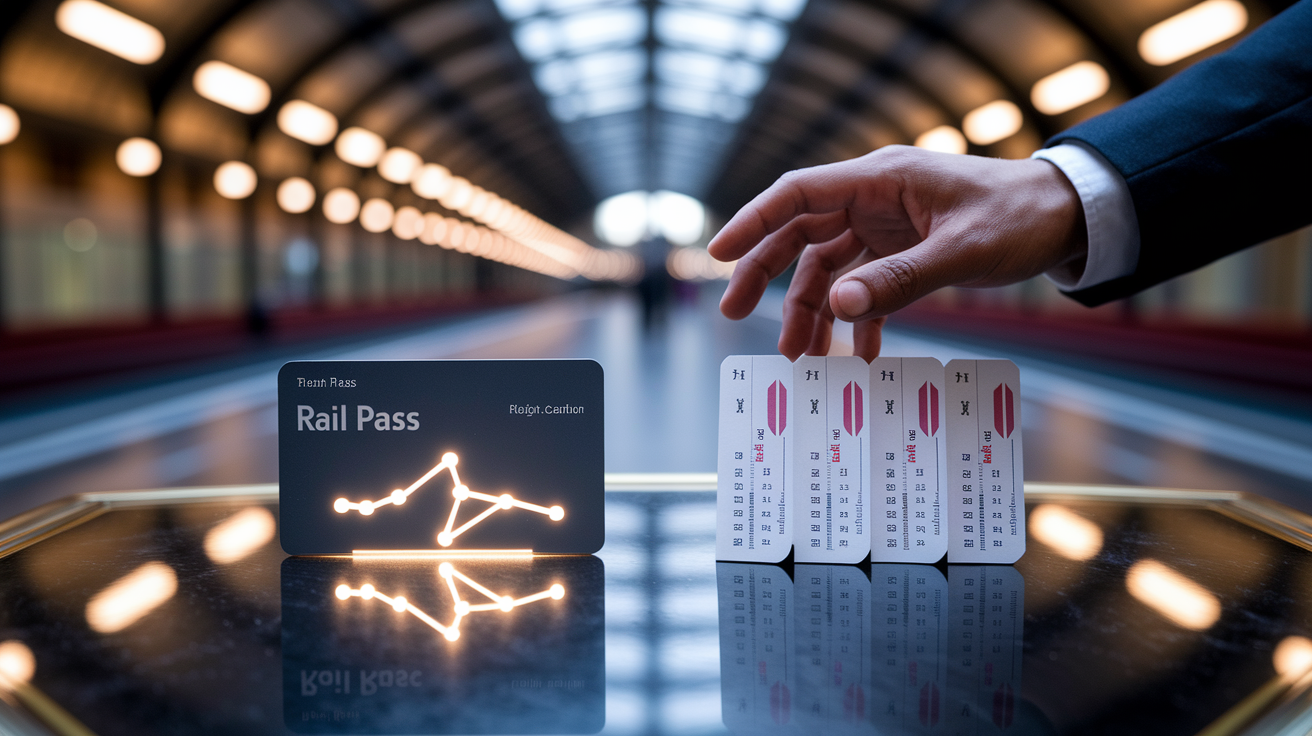
Choosing between a Eurail pass and individual tickets depends on how many train rides you’ll take, how far in advance you book, and whether you value flexibility over locking in a schedule.
A Eurail Global Pass covers unlimited train travel across 33 countries for a set number of days within a one or two month window. For this 10-day itinerary, a pass with 7 travel days gives you coverage for all major segments and a couple extras if you take day trips. The pass is convenient because you don’t need to buy separate tickets in each country, and it includes discounts on some scenic routes and ferries. You will still need seat reservations on high-speed trains like Thalys and TGV, which cost extra, usually €10 to €30 per segment. Regional trains in Germany and Austria don’t require them.
Point-to-point tickets bought individually can be cheaper if you book early, especially on routes with advance-purchase discounts. A Paris to Brussels ticket bought three months ahead might cost €29, while the same ride booked the day before can jump to €100 or more. If your dates are locked in and you’re comfortable committing to specific trains, point-to-point tickets often save money. The downside is less flexibility and more time spent navigating different national rail websites.
A Eurail pass makes sense if you want spontaneous travel, plan last-minute day trips, or prefer one upfront cost. Point-to-point tickets work better if your schedule is fixed, you book far ahead, and you want the lowest possible fares.
Consider trip length. Passes become better value on itineraries with five or more long-distance train rides. Factor in reservation fees too. Eurail passes still require paid seat reservations on many popular high-speed routes, which can add up.
How to Book Trains in Europe
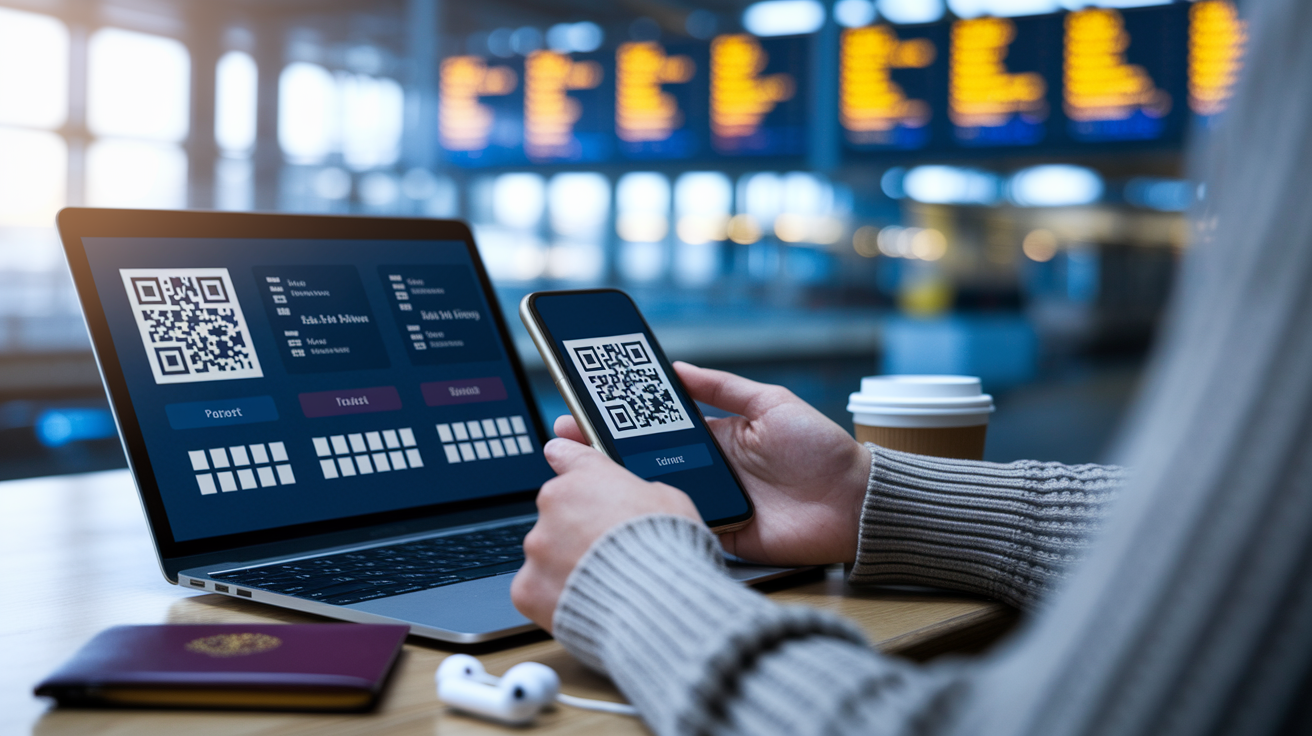
Booking European trains is straightforward once you know which platforms to use and when to reserve. Most travelers use a mix of national rail apps and third-party booking sites depending on the route.
For single-country trips or specific segments, book directly through national operators like SNCF (France), Deutsche Bahn (Germany), Trenitalia (Italy), or NS International (Netherlands). These sites show the best fares and let you pick seats. For multi-country routes, Rail Europe and Trainline aggregate schedules and fares across operators, which saves time but sometimes adds a small booking fee. If you’re using a Eurail pass, download the Rail Planner app to check schedules and manage your travel days, then book seat reservations separately through the pass reservation portal or at station ticket counters.
Book tickets as early as possible for high-speed trains. Most European rail operators release tickets 90 days in advance, and prices go up as the departure date gets closer. Regional trains in Germany, Austria, and Switzerland don’t require advance booking and have flat fares, so you can buy those the same day.
Pick your route and check the schedule on the national rail site or app. Compare fares between booking direct and using Rail Europe or Trainline. Choose your train and class (second class is comfortable for most travelers). Enter passenger details and payment information. Download or print your ticket. Most are mobile-friendly QR codes now.
Common mistakes? Waiting too long to book high-speed segments. Assuming all trains allow walk-on ticketing (they don’t). Forgetting to activate a Eurail pass before the first travel day. Also, some budget regional trains in Eastern Europe still use paper tickets sold at the station, so check the operator’s policy before assuming everything is digital.
Best Areas to Stay Near Major Train Stations
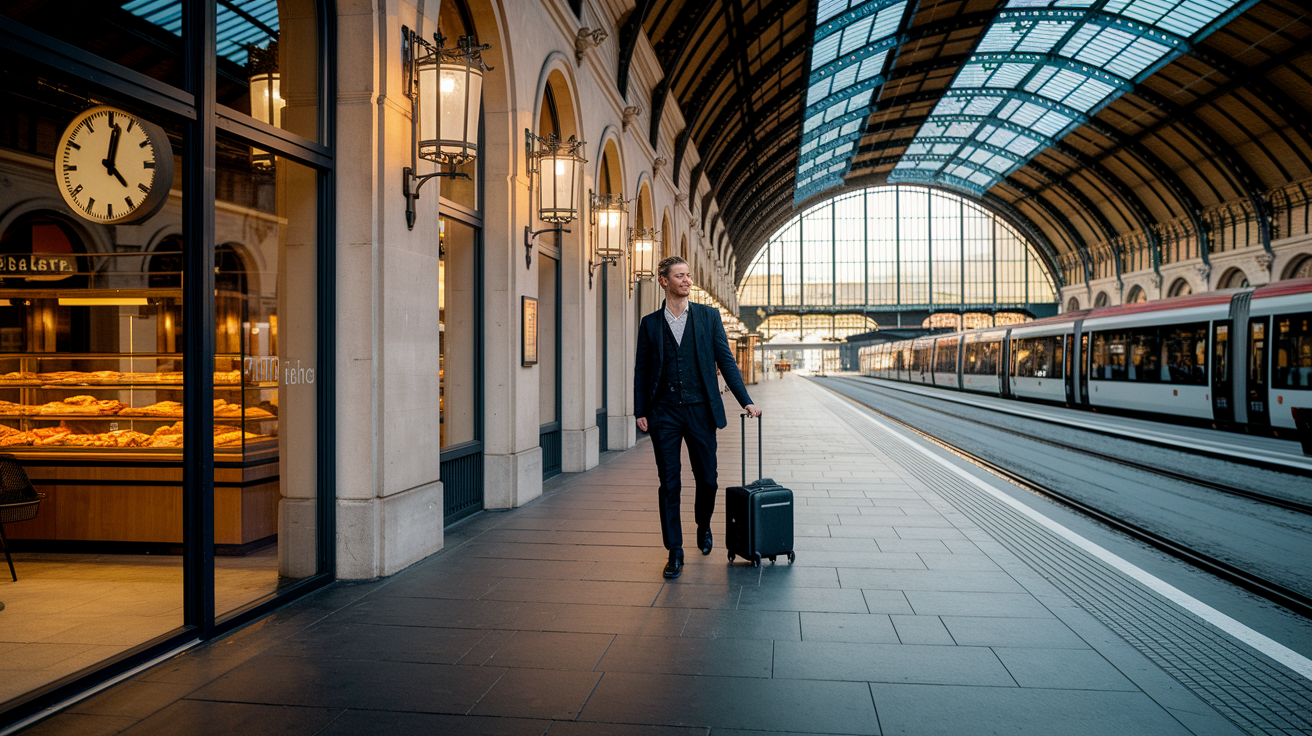
Staying near train stations cuts down on transfer stress, especially when you’re moving cities every day or two. You can walk to the platform in ten minutes, store bags easily, and grab breakfast or coffee on the way without a long commute.
Station neighborhoods in Europe are usually well-connected, safe, and full of budget to mid-range hotels. In Paris, the area around Gare du Nord is busy but functional, with plenty of small hotels, bakeries, and metro access to other parts of the city. In Amsterdam, staying near Centraal Station puts you steps from canals, museums, and trams. Berlin’s Hauptbahnhof neighborhood is newer and less charming but extremely convenient for early trains, and the government quarter is a short walk. Munich’s Hauptbahnhof area is more tourist-heavy but offers lots of lodging options and quick access to Marienplatz.
Paris Gare du Nord vicinity: Busy station area with budget hotels, good metro connections, safe during the day, quieter at night a few blocks away.
Amsterdam Centraal surroundings: Close to canals and museums, higher hotel prices but very walkable, watch for tourist-heavy streets near the station.
Berlin Hauptbahnhof district: Modern area near government buildings, fewer restaurants but clean and efficient, easy tram and S-Bahn access.
Munich Hauptbahnhof neighborhood: Packed with hotels and hostels, loud at night, convenient for trains and quick walks to Marienplatz.
Innsbruck Hauptbahnhof area: Quiet, close to the old town, small local cafés, easy access to cable cars and mountain trails.
Venice Santa Lucia station zone: Right on the Grand Canal, pricier lodging, skip this if you want quieter neighborhoods like Cannaregio a short walk away.
Station areas are generally safe, but stay aware at night near big terminals like Gare du Nord and Brussels Midi, where pickpockets work crowded platforms. Most station neighborhoods have supermarkets, bakeries, and casual dining within a few blocks, so you can grab supplies or eat cheaply without trekking across the city.
Budget Breakdown for a 10-day Europe Train Trip
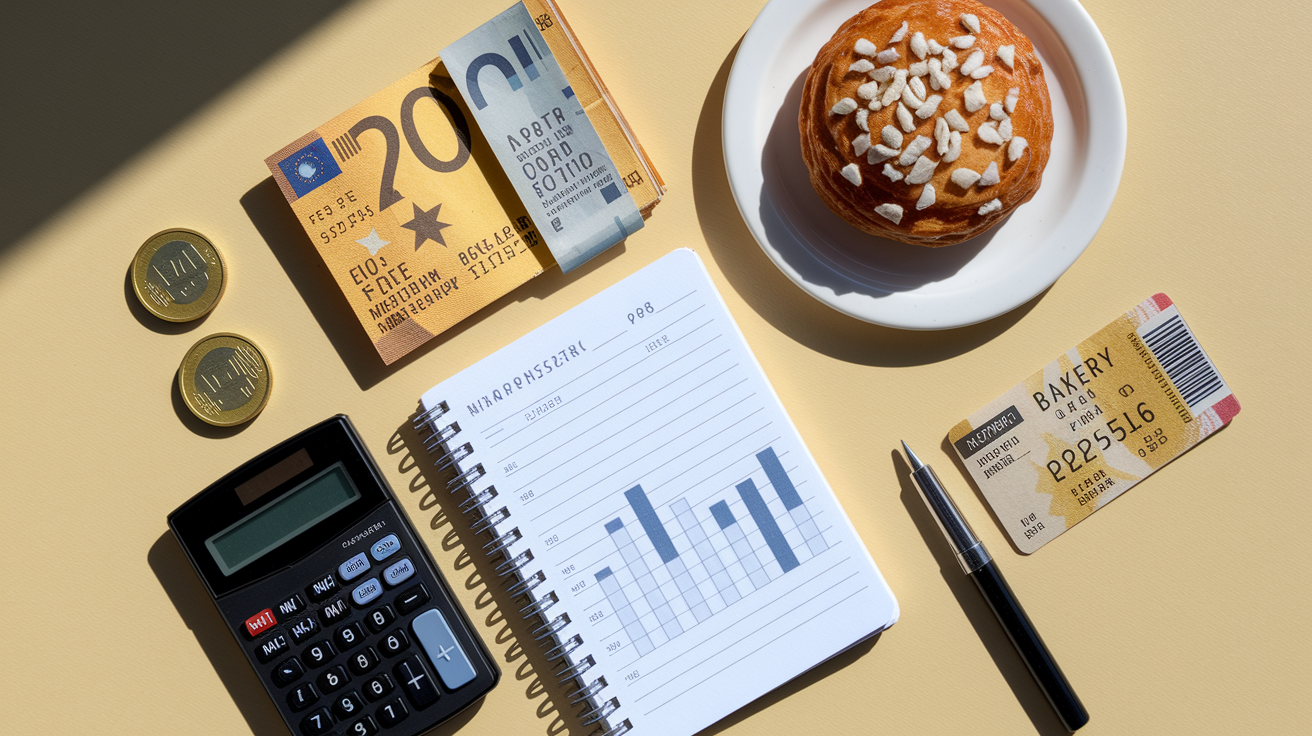
Mid-range travelers can expect to spend between $80 and $150 per person per day in Western Europe. It depends on lodging choices, how often you eat out, and whether you book trains early. This budget assumes you’re staying in budget hotels or hostels, eating one sit-down meal and one cheaper meal daily, and visiting a few paid attractions.
| Category | Typical Cost Range | Notes |
|---|---|---|
| Accommodation | $40–$80 per night | Budget hotels, hostels, or Airbnb near stations; prices higher in Amsterdam and Paris. |
| Trains | $300–$500 total | Point-to-point tickets if booked early; Eurail pass around $400–$500 for 7 travel days. |
| Food | $25–$50 per day | Breakfast at bakery, lunch from a market or café, dinner at a mid-range restaurant. |
| Attractions | $10–$20 per day | Museum entries, towers, cable cars; some cities offer free walking areas. |
| Miscellaneous | $10–$20 per day | Snacks, coffee, local transport (trams, metro), tips. |
You can cut costs by booking trains three months ahead, staying in hostels or budget chains, and eating one grocery-store meal per day. Cooking isn’t always an option in hotels, but grabbing bread, cheese, and fruit for lunch saves $10 to $15 compared to café prices. Free activities like walking tours, city parks, and window shopping also stretch your budget without skipping the experience.
Alternative 10-day Train Routes
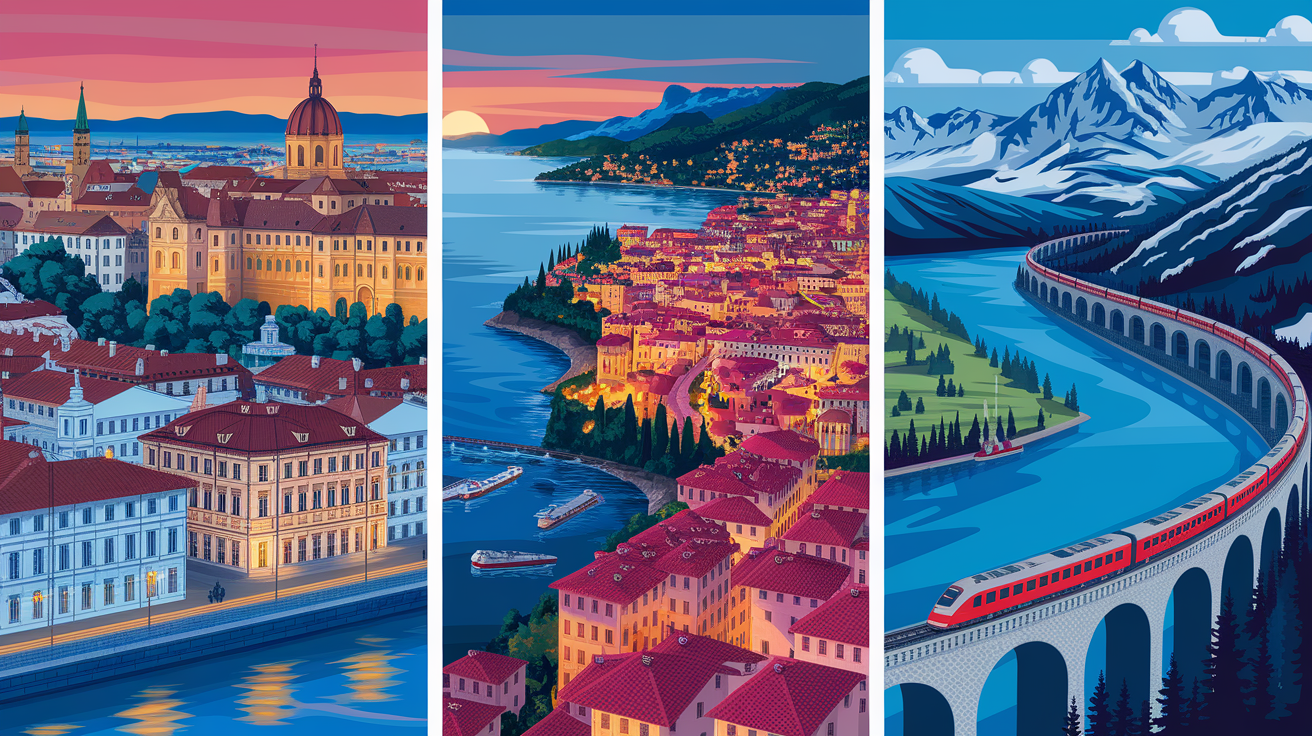
If the Western Europe route doesn’t match your interests, these alternatives offer different scenery, culture, and travel speeds. All three routes work well by train and fit comfortably into 10 days without excessive rushing.
Central Europe Loop
This route focuses on history, architecture, and affordable cities. Start in Prague, move south to Vienna, then east to Budapest, and loop back through Bratislava or Krakow. The train from Prague to Vienna takes about 4 hours, Vienna to Budapest is around 2.5 hours, and Bratislava sits just 1 hour from Vienna if you want a half-day stop. Central Europe is cheaper than Western Europe, with lower lodging and food costs, and the cities are compact enough to explore on foot. If you’ve got an extra day, add Krakow. About 7 hours from Prague for salt mines and old-town squares.
Mediterranean Route
Start in Barcelona, head east along the coast to Nice, then continue into Italy through Florence and Rome. The Barcelona to Nice segment takes about 8 hours with a change in Marseille or Montpellier, so plan an overnight in one of those cities to break it up. Nice to Florence is around 6 hours, and Florence to Rome is 1.5 hours on a high-speed train. This route trades quick city hops for longer scenic rides along the Mediterranean, with beach stops, hilltop towns, and warm weather from late spring through early fall. It’s a good pick if you want art, food, and slower-paced coastal travel.
Alpine Scenic Route
Focus on mountains and small towns by starting in Zurich, moving to Lucerne and Interlaken in Switzerland, then crossing into Austria via Innsbruck and finishing in Munich or Salzburg. Zurich to Lucerne is 1 hour, Lucerne to Interlaken is 2 hours, and Interlaken to Innsbruck is about 4 hours with one change. This route includes access to scenic trains like the Glacier Express and Bernina Express if you extend the trip slightly. The Alps are stunning year-round, but late spring and early autumn offer the best mix of clear weather and accessible trails without heavy snow.
You can swap sections of any route into the main itinerary by replacing similar-length segments. If you want Budapest instead of Berlin, replace the Amsterdam to Berlin leg with Amsterdam to Prague. About 10 hours, overnight recommended, then continue Prague to Budapest. Most European rail hubs connect logically, so adjusting the route is easier than it sounds.
Final Words
Jump on the first train: this post maps the Western Europe route, a day-by-day plan, and key train segments so you know when to move and when to linger.
You’ll get ticket advice (Eurail vs point-to-point), booking steps, station-area hotels, a budget, and alternate routes. Everything’s aimed at relaxed days, not a sprint.
If you’ve ever missed a connection, you’ll appreciate the buffer tips.
Use this 10-day Europe train itinerary for first-time travelers as a tweakable blueprint to travel at an easy pace. Enjoy the trip.
FAQ
Q: How much data do I need for a 10 day trip to Europe?
A: The data you’ll need for a 10-day trip to Europe is roughly 3–5 GB for light use, 10–20 GB for regular use, or 30+ GB if you stream a lot; use a local SIM or eSIM.
Q: What is the most beautiful train journey in Europe?
A: The most beautiful train journey in Europe is often the Bernina Express, prized for dramatic Alpine views; other top picks are the Glacier Express for long panoramas and Norway’s Flam Railway for fjord scenery.
Q: How much should a 10 day Europe trip cost?
A: The cost of a 10-day Europe trip typically runs about $800–$1,500 for mid-range travel; budget travelers can aim for $600–$900, while a more comfortable or splurge trip might be $2,000+.
Q: How to plan a 10 day trip to Europe?
A: To plan a 10-day trip to Europe, choose one region, pick 3–4 cities, book key trains and central hotels, add buffer time, prebook must-see tickets, and leave room to relax and explore.