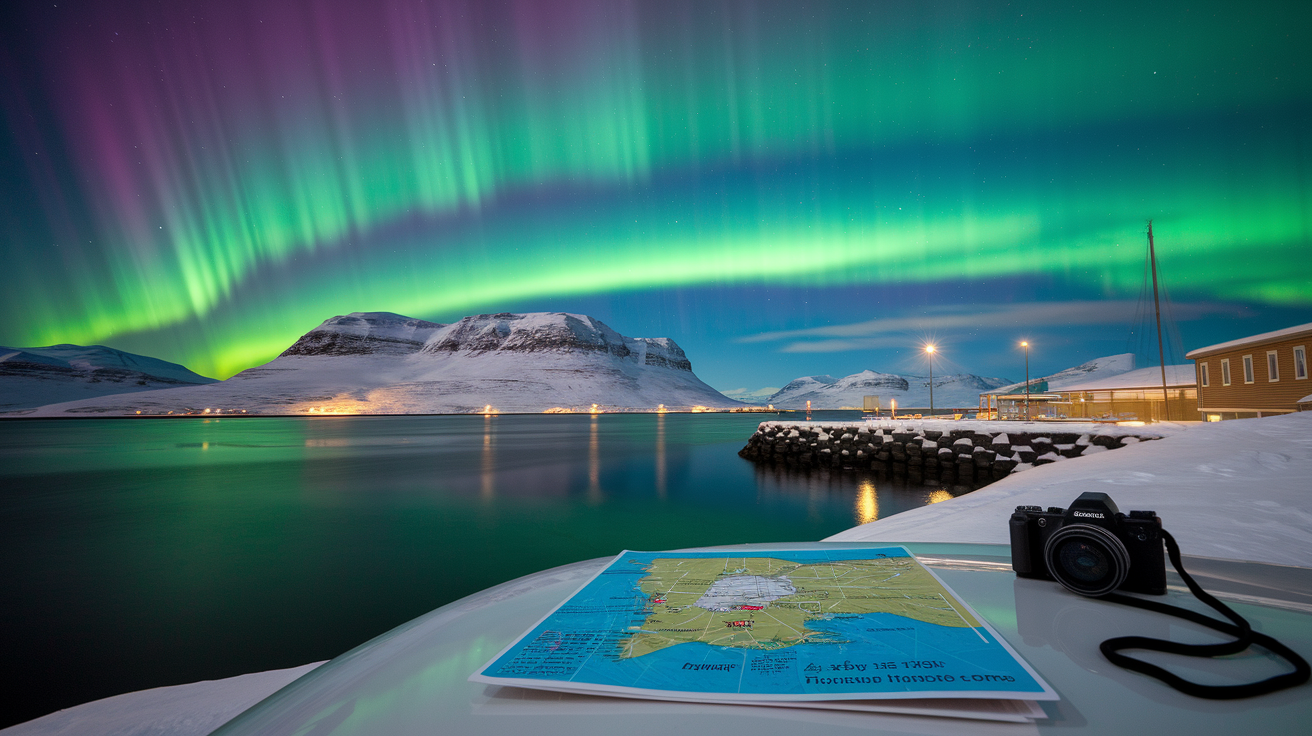

Want to spend a week in Tromsø chasing the Northern Lights—and still have energy for dog sledding, fjord cruises, and cozy museum afternoons?
This 7-day Tromsø plan lays out where to be and when, with guided aurora chases, two self-guided nights, daytime Arctic activities, and built-in rest so you won’t feel rushed.
Think of it like a good meal: one main (nightly aurora hunts), a few satisfying sides (dog sledding, snowshoeing, fjord trips), and time to savor each bite.
Follow it and you’ll leave with photos, stories, and no regrets.
Overview of the 7‑Day Aurora Plan in Tromsø
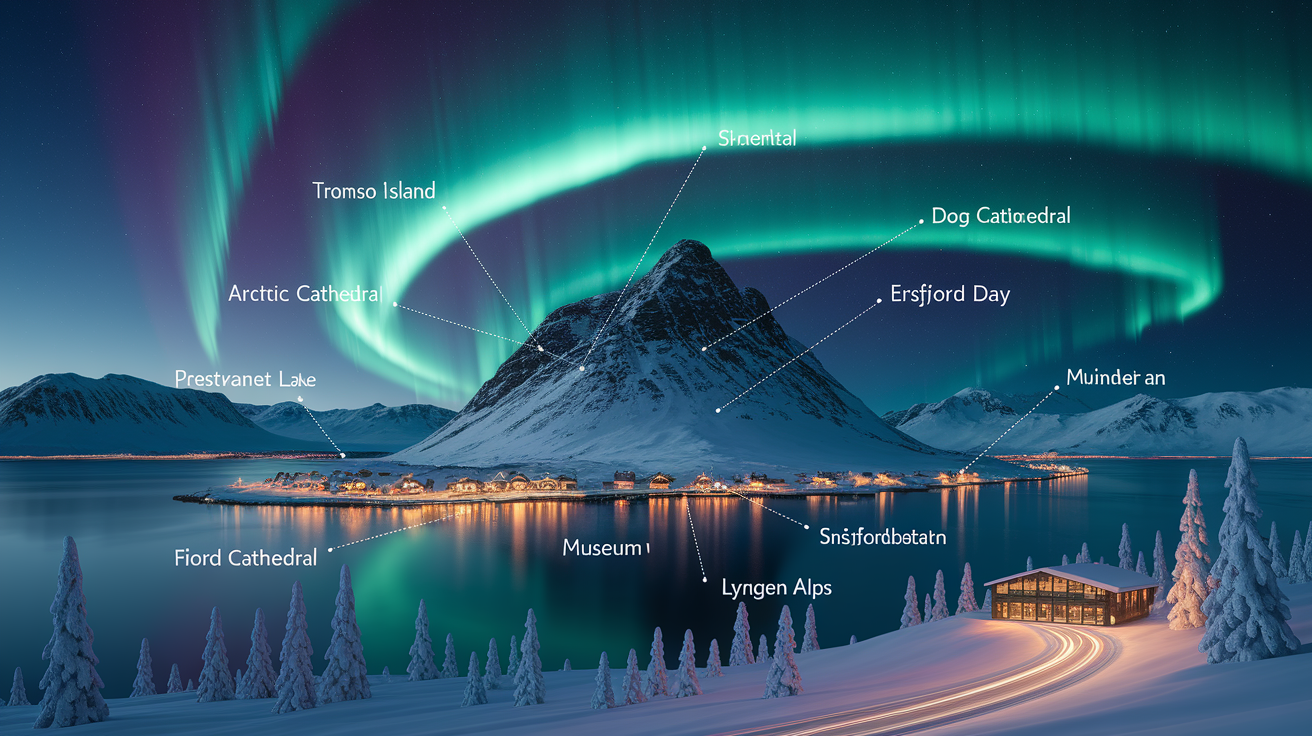
Day one starts with arrival at Tromsø Airport, about 18 minutes on foot or a quick 7-minute bus ride to most downtown hotels. After you’ve checked in, spend the afternoon wandering the compact city center, crossing the bridge to visit the Arctic Cathedral, and poking around Storgata for cafes and gear shops. Your first Northern Lights attempt should be self-guided at Prestvannet lake, just north of the center, sometime between 21:00 and midnight. It’s an accessible dark spot with calm water reflections and low light pollution, no car needed.
Day two pairs morning dog sledding with Arctic Adventure (roughly 10:00 departure, three hours total with transfers) and an evening guided Northern Lights minibus chase. The chase leaves around 19:30 and covers a 50 to 100-kilometer radius, often heading toward Balsfjord or Ramfjorden, both about 45 minutes southeast, to escape cloud cover. You’ll probably get back around 01:00, so don’t set an alarm the next morning.
Day three shifts to water-based exploration. An Arctic catamaran fjord cruise leaves Tromsø harbor around 11:00, lasting four to five hours among the snowy peaks of Kvaløya. After the cruise, take the Tromsø Cable Car to Storsteinen summit around 14:30 for sunset views. In early February, the sun sets by 14:00, and the twilight glow lasts another hour. That evening, try aurora viewing from Ersfjordbotn on Kvaløya, a 25-minute drive west, known for its sheltered bay and minimal artificial light.
Day four is built around a snowshoe hike with Pukka Travels. Departs around 09:30 in a Tesla transfer and you’ll hike for roughly an hour through forested terrain near Grøtfjord, followed by a beach lunch on the white sand at Grøtfjord itself, about 40 minutes northwest of Tromsø. Return by mid-afternoon, rest, then join a second guided aurora minibus tour that may drive as far as the Finnish border if local skies are cloudy. Guides monitor real-time forecasts and adapt routes on the fly.
Day five is your rest and cultural day. Sleep late, enjoy a leisurely brunch at Koselig Cafe, and spend the afternoon at the Polar Museum or Perspektivet Museum to learn Arctic exploration history without a rigid schedule. If your visit coincides with Sami Week in early February, attend the Arctic market or watch lasso competitions near the city center. Save energy for a final self-guided aurora attempt at Prestvannet or a short drive to Ramfjorden around 22:00, when tourist traffic thins and skies often clear.
Day six features a full-day fjord sightseeing minibus tour. Departs around 09:00 and covers roughly 200 kilometers through stops at Sømaroy fjord and Ersfjordbotn, with wildlife sightings like reindeer and harbour porpoise common along the route. The tour returns by 17:00, giving you time for dinner in town and one last Northern Lights chase, either guided or self-driven, targeting whichever location showed the clearest forecast that morning.
Day seven is departure and buffer day. If your flight leaves after midday, use the morning for last-minute souvenir shopping on Storgata, a coffee and cinnamon roll at Risø Mat & Kaffebar, or a quick visit to Mack Ølbryggeri if you missed it earlier. If clouds blocked aurora all week, consider an early-morning drive to Lyngen Alps, 1.5 hours east, where continental weather often provides clearer skies. Many travelers have salvaged a sighting by chasing east on their final morning before a late-afternoon flight.
Where to Stay in Tromsø for a Northern Lights Trip
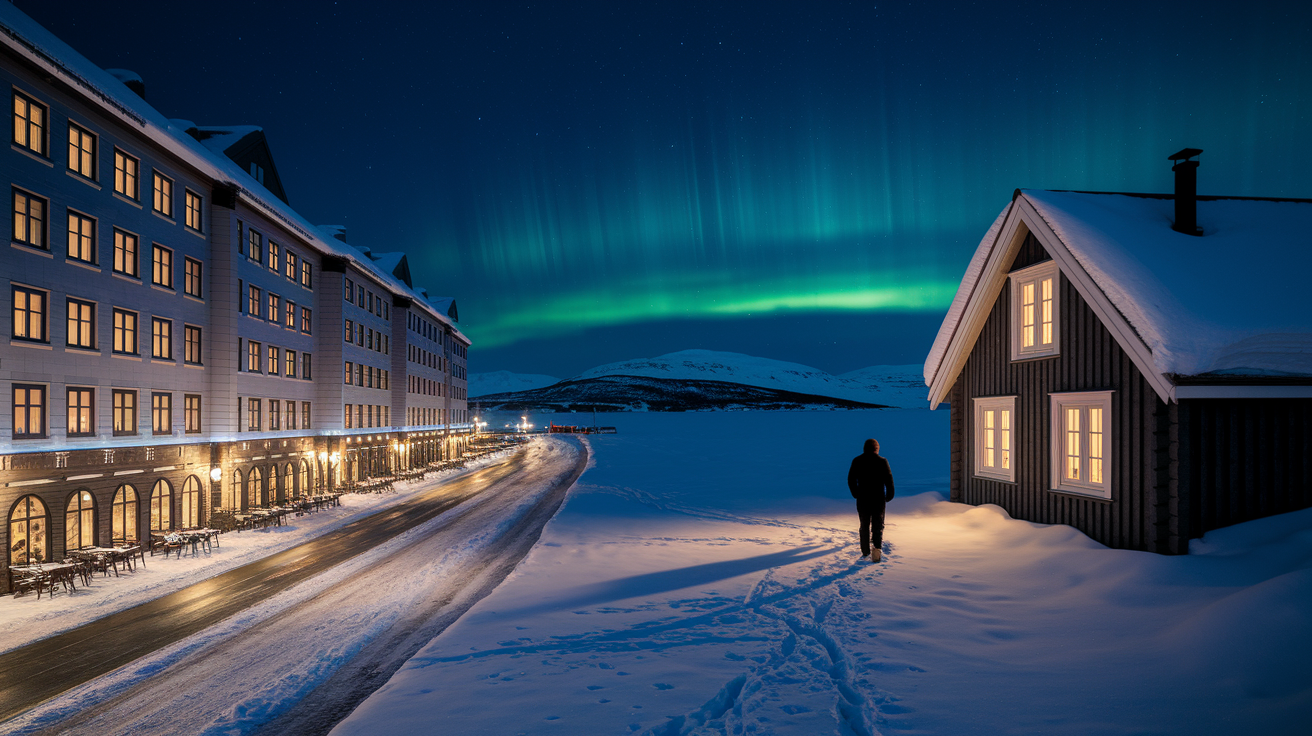
Tromsø accommodation splits into three practical tiers. City-center hotels and guesthouses sit within walking distance of Storgata, restaurants, museums, and the bus terminal. They’re ideal if you’re planning to rely on guided tours for aurora chasing and prefer not to drive at night. Mid-range hotels like Clarion Hotel The Edge and smaller guesthouses near the Arctic Cathedral offer heated rooms, breakfast, and easy access to evening tour pickups. Prices in the city center run higher, but you save on transport and gain flexibility for spontaneous café stops and museum visits.
Outside the city center, lodges and Airbnb cabins on Kvaløya or near Prestvannet lake provide darker skies and direct access to aurora viewing spots without needing to drive far. Tromsø Lodge and Camping, about 15 minutes from downtown, offers cabin rentals with kitchens, reducing food costs and allowing you to step outside at 02:00 when an aurora eruption lights up the sky. Something impossible in a city-center hotel room. These stays work best if you’ve got a rental car and prefer self-guided aurora chasing over group minibus tours.
| Accommodation Type | Price Range (per night) | Distance to City Center |
|---|---|---|
| City-center hotel | NOK 1,200–2,500 | 0–1 km (walkable) |
| Guesthouse or budget hotel | NOK 800–1,500 | 1–3 km (short bus ride) |
| Cabin or lodge outside city | NOK 1,000–2,000 | 5–20 km (car recommended) |
| Airbnb near Prestvannen | NOK 700–1,800 | 2–4 km (18-min walk or 7-min bus) |
Transportation and How to Get Around Tromsø
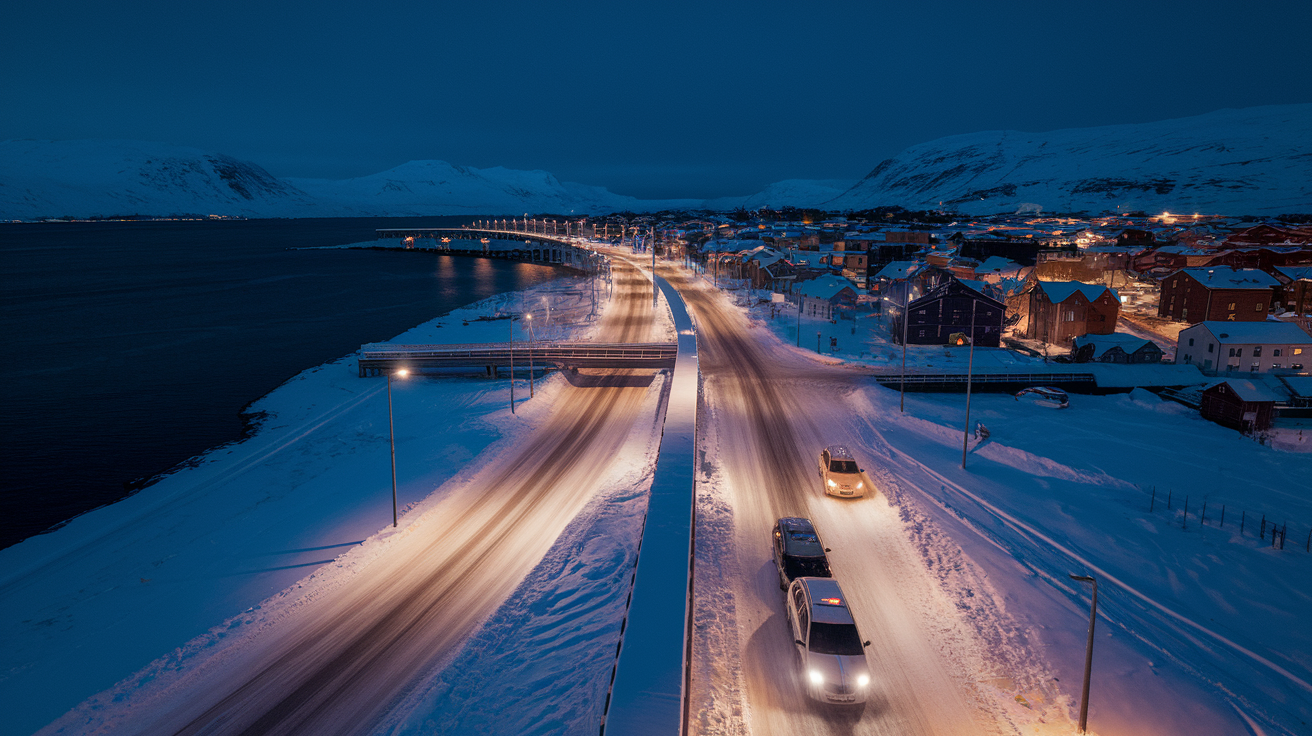
Tromsø Airport sits about five kilometers from the city center, a 10-minute ride by Flybussen airport shuttle or regular city bus route 40 or 42. Most travelers buy a single bus ticket for 35 NOK through the Troms Billett app or on board, though the app saves a few kroner and lets you plan routes in advance. Taxis wait outside arrivals and cost around 150–200 NOK to downtown hotels, useful if you land late or you’re carrying heavy winter gear.
The city center itself is compact and walkable. Most museums, restaurants, and the Arctic Cathedral are reachable on foot in under 20 minutes. Buses run regularly to Kvaløya and other suburban areas, making it possible to reach trailheads or quieter aurora spots without a car. If you’re planning multiple daytime excursions or want flexibility for self-guided Northern Lights chasing, a rental car becomes the single biggest upgrade. It lets you drive 30 to 100 kilometers to escape cloud cover and find clear skies on short notice.
Driving in Tromsø in winter requires confidence on icy roads. All rental cars come with winter tires by law, but black ice, narrow mountain roads, and limited daylight (sunrise around 10:00, sunset around 14:00 in early February) demand slow speeds and constant attention. If you’ve never driven in snow, guided tours are safer and still highly effective for aurora viewing. Operators monitor forecasts in real time and know the best dark-sky locations within an hour’s drive.
Download the Troms Billett app before arrival to buy bus tickets and check routes. Rental cars are available at the airport. Book in advance during peak season (December to February). Winter driving requires experience with ice. If you’re unsure, rely on guided tours and local buses. Taxis are reliable but expensive. Expect to pay 150–200 NOK for short city trips. Walking works in the city center, but outer aurora spots and activity sites require transport.
Daytime Activities and Excursions
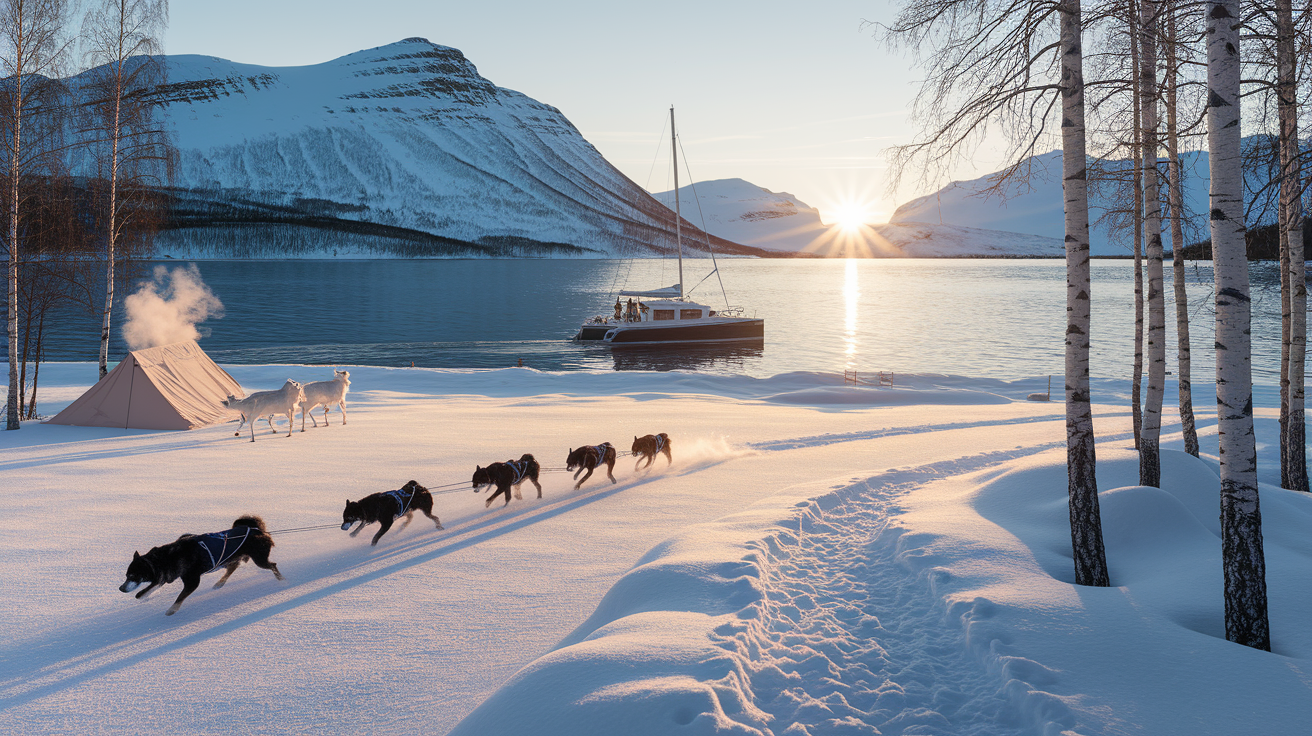
Tromsø’s short winter daylight window (roughly 10:00 to 14:00 in early February) compresses daytime activities into a few focused hours, but the Arctic environment offers experiences impossible elsewhere. Dog sledding with operators like Arctic Adventure pairs a morning meet-and-greet with the sled dogs, a guided sled run across snowy terrain, and a post-run hot chocolate while the musher explains dog care and training. Most tours last three hours including transfers, departing around 10:00 and returning by early afternoon, leaving time for a second activity or rest before evening aurora chasing.
Fjord cruises on small Arctic catamarans, seating up to 12 people, depart Tromsø harbor around 11:00 and navigate between snow-covered peaks and calm fjord waters for four to five hours. Some cruises include optional fishing at lunchtime, with guides limiting catches to only what the group will eat. Most operators offer vegetarian or vegan lunch options if you request it when booking. Whale watching runs from November through mid-January, when orca and humpback whales follow herring migrations into the fjords. These tours depart from Skjervøy, about 2.5 hours north of Tromsø, and require a full-day commitment.
Sami cultural visits, typically 30 kilometers south of Tromsø at reindeer camps, introduce traditional joik singing, reindeer feeding, and a warm lunch of bidos stew inside a lavvu tent. Tours usually run from mid-morning to early afternoon and include transfers, making them easy to combine with an evening aurora chase. If your visit coincides with Sami Week in early February, the city hosts an Arctic market and lasso competitions, offering cultural engagement without leaving downtown.
Snowshoeing and winter hiking suit travelers who prefer quieter, smaller-group experiences. Guided snowshoe hikes with providers like Pukka Travels include Tesla transfers, roughly one hour of forest trekking, and visits to scenic spots like Grøtfjord’s white sand beach. An unusual Arctic sight. Summer visitors can hike Tromsøya and Kvaløya trails, kayak fjords, or cycle Gimsøy, but winter activities focus on snow-based excursions and indoor cultural sites like the Polar Museum and Science Centre of Northern Norway.
Dog sledding (3 hours, morning departure). Fjord catamaran cruise (4–5 hours, midday). Whale watching (November–January, full day from Skjervøy). Sami reindeer camp visit (half day, includes lunch and transfers). Snowshoe forest hike (3–4 hours, guide and transport included). Museums and indoor culture (Polar Museum, Arctic Cathedral, Perspektivet Museum).
Weather, Aurora Forecasts, and Contingency Planning
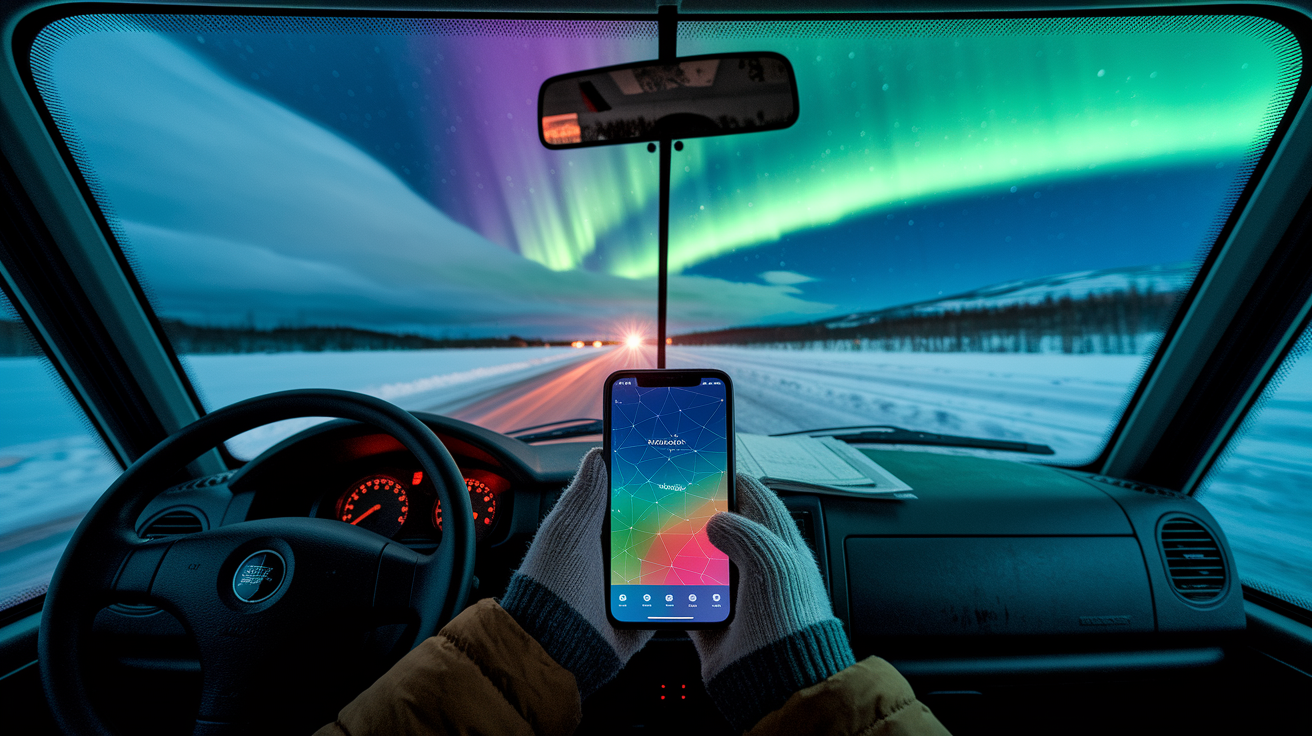
Northern Norway’s weather shifts quickly. A forecast showing clouds over Tromsø in the morning can flip to clear skies by evening, or vice versa. Check aurora and meteorological forecasts each morning using apps like Yr.no for cloud cover and Aurora Forecast or Norwegian Meteorological Institute tools for Kp index predictions. Even a Kp 2 night can produce overhead auroras in Tromsø due to its position under the auroral oval. If the city forecast looks poor but areas 50 to 100 kilometers away show clearing, a rental car lets you chase that gap, while guided minibus tours make the same calculation and drive guests to the best available location that night.
Contingency planning starts before you book. A single night in Tromsø offers roughly 30 to 40 percent probability of both clear skies and active aurora, but seven nights push cumulative odds above 95 percent for at least one good display. Build flexibility into your itinerary by keeping one or two days unscheduled. If early nights deliver strong auroras, use those free days for rest or daytime excursions. If clouds persist, use them for additional chase attempts or a drive east toward Lyngen Alps, where continental weather often provides clearer skies than the coastal zone around Tromsø.
Weather variability also affects daytime plans. Rain at +5 degrees Celsius in what should be a snowy February, or heavy snowfall that closes mountain roads, can force last-minute cancellations of dog sledding or fjord cruises. Operators usually offer rebooking or refunds, but having indoor backup options (Polar Museum, Perspektivet Museum, Mack Ølbryggeri tour, or a long café session at Kaffebønna) prevents wasted days and keeps the trip enjoyable even when outdoor plans fall through.
Check aurora and weather forecasts every morning, not just the night before. Keep at least one unscheduled day in your 7-day plan to allow for rebooking or extra aurora attempts. If you’re staying in the city center, book a guided minibus chase to let operators handle route decisions. If you have a rental car, plan alternate viewing locations in advance. Ramfjorden, Ersfjordbotn, and Balsfjord are reliable backups. Prepare indoor alternatives for bad-weather days so you don’t lose momentum when outdoor activities cancel.
Budget and Cost Breakdown for a 7‑Day Tromsø Trip
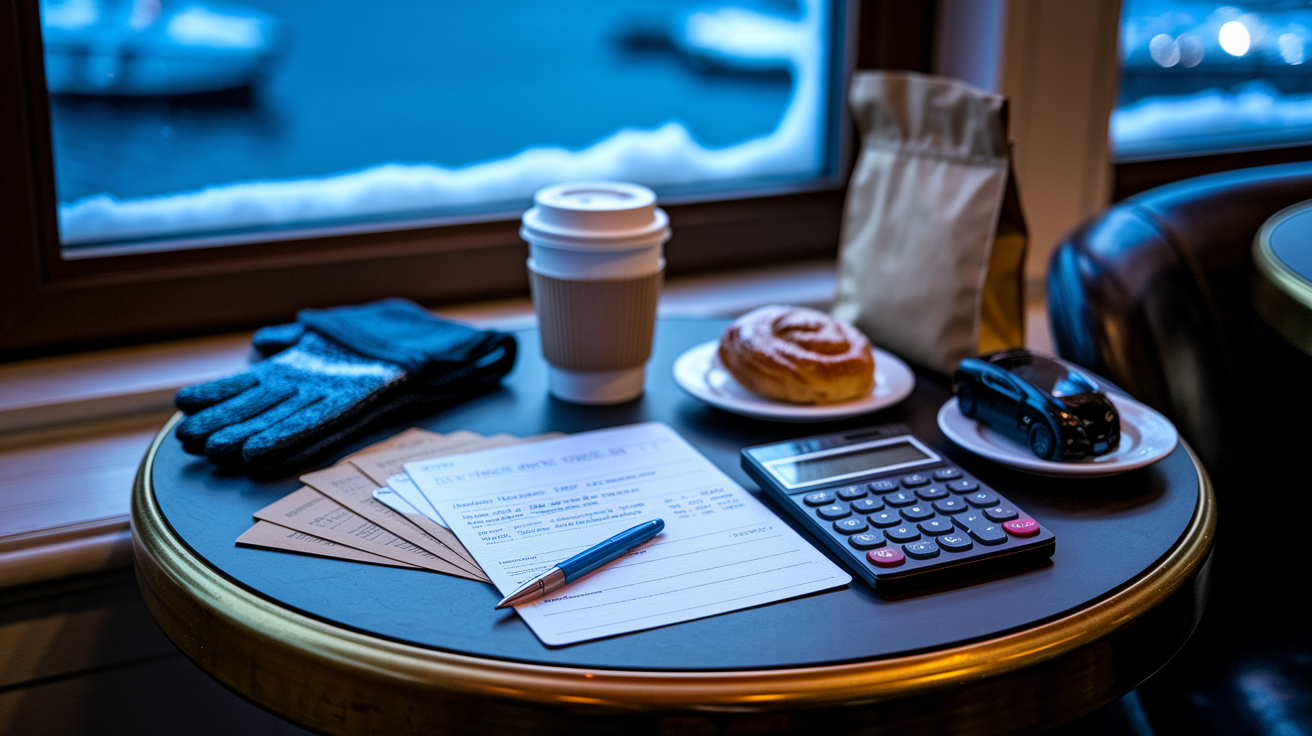
Tromsø ranks among the more expensive destinations in Europe, with costs similar to other Norwegian cities and higher than most Arctic alternatives. A realistic daily budget for mid-range travel falls between NOK 1,000 and 2,500 per person, excluding major tours, which can add NOK 800 to 1,500 per activity. Budget travelers who cook most meals, stay in guesthouses or Airbnb cabins with kitchens, and limit tours to one or two key experiences can push daily spend below NOK 1,000. Those prioritizing comfort, dining out, and multiple guided excursions should plan for NOK 2,500 or higher per day.
Food costs vary widely. A sit-down dinner at restaurants like Fiskekompaniet or Emmas Drømmekjøkken runs NOK 300 to 600 per person, while lunch specials labeled “dagens lunsj” at cafes cost NOK 120 to 180 and provide better value. Grocery stores like REMA 1000 and Kiwi sell basics at lower prices than dining out, and most cabin or guesthouse accommodations include kitchens. Coffee and a cinnamon roll at Risø Mat & Kaffebar costs around NOK 80 to 100, and a beer at Ølhallen runs NOK 90 to 120. Budget for small treats to add up quickly over a week.
| Category | Low Budget (per day) | Mid-Range (per day) | High-End (per day) |
|---|---|---|---|
| Accommodation | NOK 700–1,000 | NOK 1,200–1,800 | NOK 2,000–3,000 |
| Food & dining | NOK 200–400 (groceries + one meal out) | NOK 500–800 (mix of dining out) | NOK 1,000–1,500 (restaurants) |
| Excursions & tours | NOK 0–500 (self-guided, museums) | NOK 800–1,500 (1–2 guided tours) | NOK 2,000–3,000 (multiple tours) |
| Transportation | NOK 100–200 (bus, walking) | NOK 400–700 (rental car or mix) | NOK 800–1,200 (rental car + taxis) |
| Winter gear rental | NOK 0 (bring own or use tour gear) | NOK 200–400 (boots, outer layers) | NOK 500–800 (full rental set) |
Clothing, Gear, and Winter Survival Basics
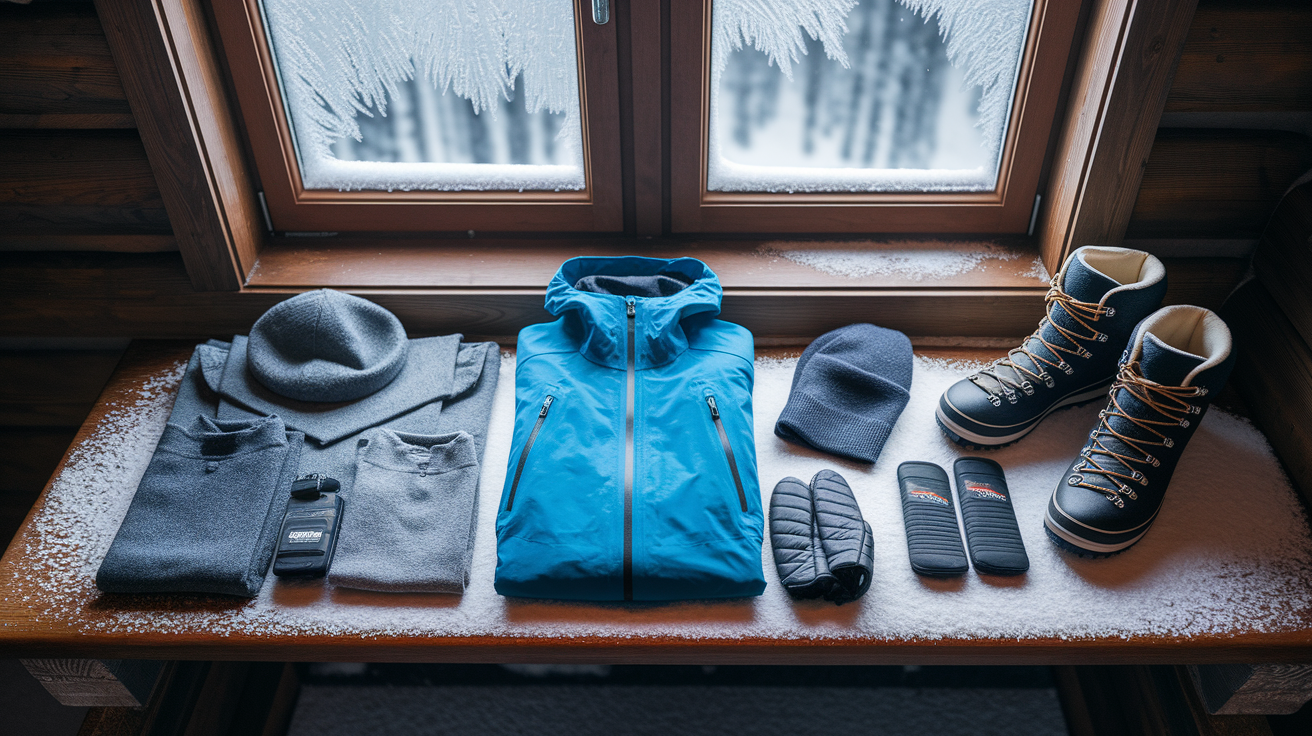
Arctic winter temperatures in Tromsø range from around -5 degrees Celsius during calm spells to colder snaps near -15 degrees, with wind chill dropping the feel significantly lower during coastal gusts. Layering is the only reliable strategy. Start with thermal base layers, top and bottom, made of merino wool or synthetic moisture-wicking fabric. Cotton traps sweat and makes you colder. Add a warm mid-layer like a fleece or wool sweater, then finish with a windproof and waterproof outer shell. Brands like Peak Performance and similar outdoor companies make jackets designed for Arctic conditions, but any quality winter jacket rated for -20 degrees or lower works fine.
Footwear makes or breaks a Northern Lights trip. Insulated, waterproof boots with non-slip soles handle icy sidewalks, snowy trails, and long waits during aurora chases. Sorel boots and similar heavy-duty winter models keep feet warm for hours of standing outside. Many travelers add thermal insoles for extra warmth. Bring thick wool socks, and avoid wearing too many pairs at once, which restricts circulation and actually makes feet colder.
Hands and head lose heat fastest, so invest in warm mittens rather than gloves. Mittens trap more warmth. Bring a wool or fleece hat that covers your ears completely. A balaclava or neck gaiter protects your face during strong winds or snowmobile rides, and rechargeable hand warmers tucked into mittens or pockets provide hours of extra heat during long aurora waits. Many guided tours provide warm overalls and boots, but check inclusions when booking, and always bring your own base layers, gloves, and hat.
Thermal base layers, top and bottom (merino wool or synthetic). Warm fleece or wool sweater for mid-layer insulation. Windproof, waterproof outer jacket rated for -20 degrees Celsius or lower. Insulated waterproof boots with non-slip soles (Sorel or equivalent). Thick wool socks and thermal insoles. Warm mittens (not gloves), wool hat, and neck gaiter or balaclava. Rechargeable hand warmers for extended outdoor waits.
Photography Tips for Capturing the Northern Lights
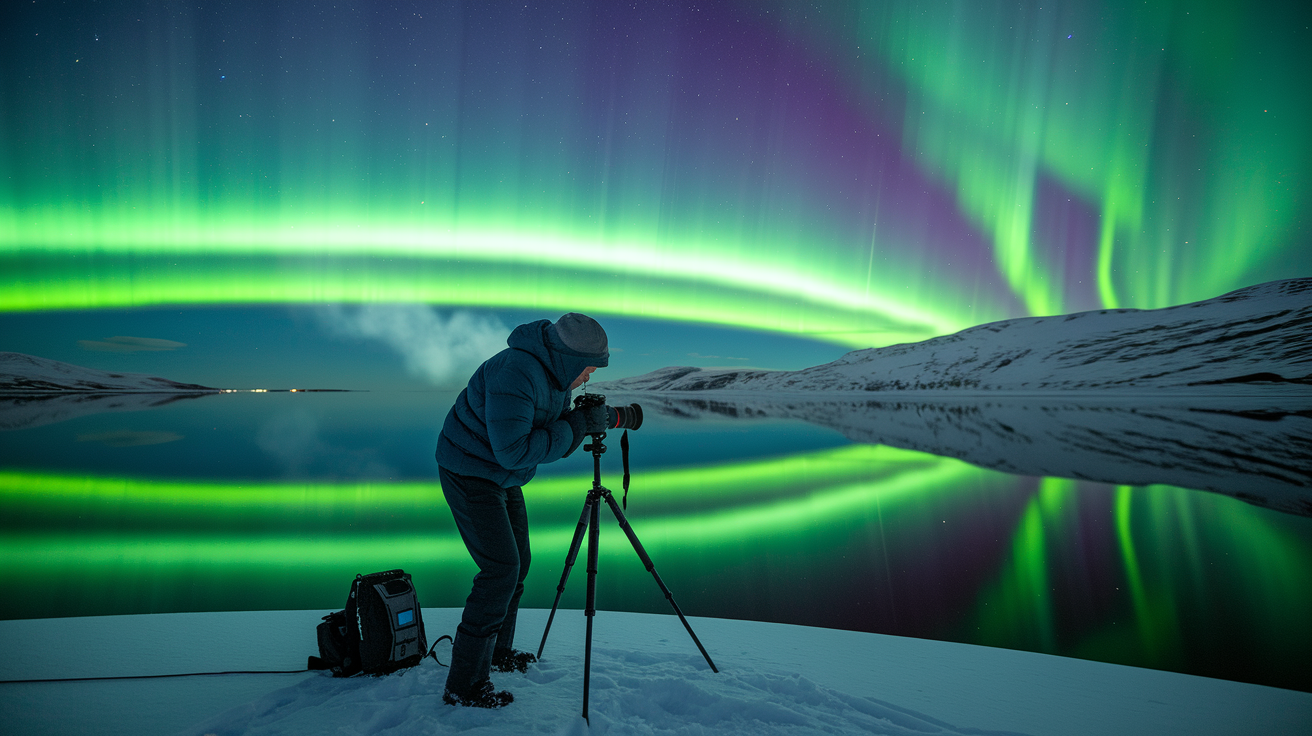
Northern Lights photography requires manual control of your camera, a sturdy tripod, and patience with cold-weather conditions that drain batteries and fog lenses. Start with a wide-angle lens, ideally 14 to 24 millimeters, to capture as much sky as possible. Auroras often spread across the entire dome, and a telephoto lens crops too tightly. Set your camera to manual mode and switch off autofocus, because the dark sky confuses autofocus systems and produces blurry shots.
Exposure settings depend on aurora brightness, but a good starting point is ISO 1600 to 3200, aperture wide open at f/2.8 or lower, and shutter speed between 5 and 15 seconds. If the aurora moves quickly, shorter exposures of 3 to 5 seconds freeze the motion better, while slower curtains allow 10 to 20 seconds without blurring. Focus manually to infinity. Many lenses have an infinity mark, or you can focus on a distant light during twilight and tape the focus ring in place so it doesn’t shift in the dark.
Cold weather kills camera batteries fast. Carry at least two spare batteries and keep them warm in an inside jacket pocket, swapping them into the camera when the active battery dies. After shooting, let your camera warm up slowly inside a sealed plastic bag before bringing it into a heated room, preventing condensation from forming on the sensor and lens elements. A remote shutter release or the camera’s built-in timer eliminates shake from pressing the shutter button, keeping long exposures sharp.
Scout locations during daylight. Look for still water like Prestvannet lake or Ersfjordbotn bay to capture reflections, and position yourself away from streetlights and buildings. Even a single lamp can ruin a long exposure. Roads between Reine and Å in Lofoten, and north-coast spots on Senja, offer dramatic silhouettes of mountains and fishing villages that add foreground interest to aurora shots. Wait until after 22:00 when tourist traffic thins, and be ready to shoot quickly when the lights appear, because strong displays sometimes last only a few minutes before fading.
Use a sturdy tripod and wide-angle lens (14–24 mm). Set camera to manual mode, ISO 1600–3200, aperture f/2.8 or wider, shutter speed 5–15 seconds. Focus manually to infinity and tape the focus ring to prevent accidental shifts. Carry spare batteries in an inside pocket and swap them as the active battery drains in the cold. Use a remote shutter release or 2-second timer to avoid camera shake. Scout locations during daylight for still water, low light pollution, and interesting foreground elements.
Final Words
Under a clear, green sky you’ve got the week mapped: nightly viewing spots, best hours, and a simple day‑by‑day plan so you know where to be and when.
We also covered where to stay, getting around, top daytime excursions, weather backups, a realistic budget, must‑have winter gear, and practical photo settings.
Use this 7-day Northern Lights itinerary in Tromsø as your easy, paced roadmap — one main plan a day, a couple lighter options, and room to breathe. Go see the lights and enjoy the quiet wonder.
FAQ
Q: What is the best time to see the northern lights in Tromsø?
A: The best time to see the northern lights in Tromsø is between late September and early April, with peak chances on clear, dark nights—typically around 21:00–01:00 during winter months.
Q: What does a 7‑day Tromsø northern lights itinerary look like?
A: A 7‑day Tromsø itinerary balances nightly aurora viewing (best 21:00–01:00) with daytime activities like fjord cruises, dog sledding, museums, and short drives of 20–90 minutes from town each day.
Q: Where should I stay in Tromsø for aurora hunting?
A: For aurora hunting, stay either in central hotels for convenience, small guesthouses for local feel, or lodges outside the city for darker skies—each trades off comfort, cost, and distance to the viewing spots.
Q: How do I get to Tromsø and get around during winter?
A: You’ll fly into Tromsø Airport and use airport buses, local buses, taxis, or a rented car; buses are reliable, while a car gives flexibility but needs winter driving skills and care on icy roads.
Q: What daytime activities are best in Tromsø?
A: The best daytime activities in Tromsø include fjord cruises, dog sledding, reindeer and Sami cultural visits, snowshoeing, wildlife tours, and museum stops—easy options for different energy levels and budgets.
Q: What should I pack for a 7‑day Tromsø winter trip?
A: Pack layered clothing: a warm base, insulated midlayer, waterproof outer layer, insulated boots, mittens, balaclava, hat, and rechargeable hand warmers to stay comfortable during long cold nights outdoors.
Q: How can I adapt my plan if weather or clouds block the aurora?
A: If clouds block the aurora, move to clearer nearby areas like Kvaløya or Lyngen, keep nights flexible, check forecasts often, and plan indoor daytime alternatives to avoid wasted travel time.
Q: What is a realistic budget for a 7‑day Tromsø northern lights trip?
A: A realistic 7‑day Tromsø budget is roughly: low about $900–1,400, mid $1,800–3,000, high $4,000+ per person—depending on accommodation, guided tours, meals, and equipment rentals.
Q: What camera settings and gear work best for photographing the aurora?
A: Use a wide fast lens, sturdy tripod, manual focus set to infinity, ISO 800–3200, shutter speeds from 5–20 seconds depending on aurora activity, and keep spare batteries warm for best results.
Q: How do I maximize my chances of seeing the northern lights on a short trip?
A: To maximize chances on a short trip, plan multiple aurora nights, stay outside city lights at least one night, use aurora and cloud forecasts, join a guided chase, and stay flexible with plans.