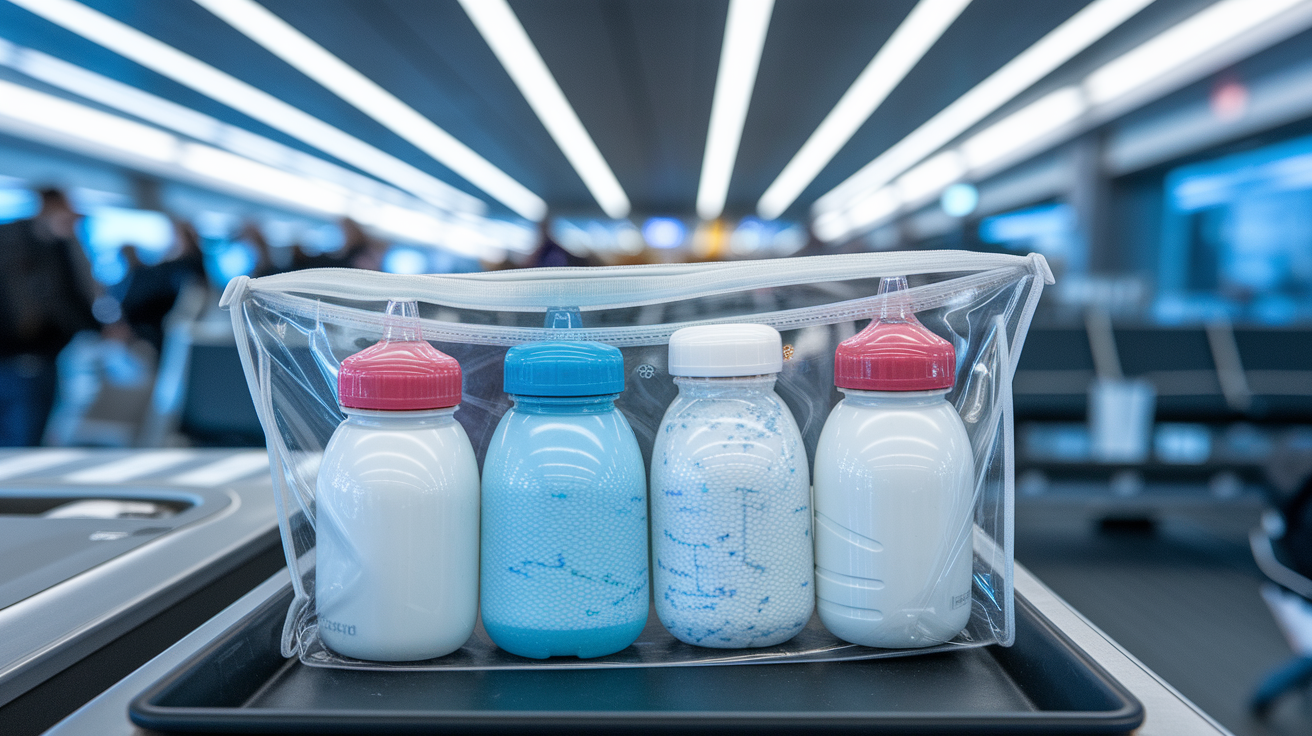

Think TSA treats baby formula and breast milk like other liquids? Think again.
TSA calls them medically necessary, so you can carry more than 3.4 ounces, but you must declare the milk or formula at the checkpoint and it may get extra screening.
This post lays out what’s allowed, how screening works, cooling and packing tips, and quick steps to get through security with less stress.
If you’ve ever landed hungry and tired, you’ll appreciate having a clear, practical plan.
Understanding TSA Allowances for Infant Milk and Formula
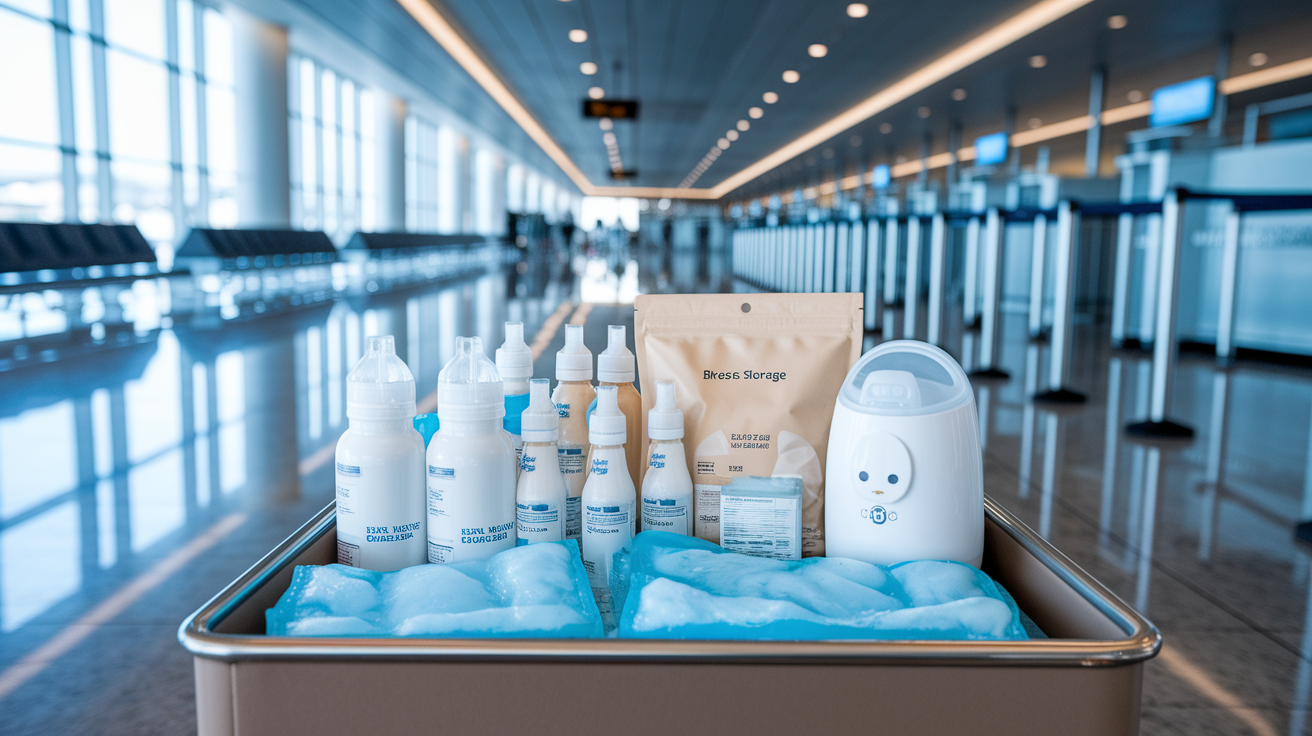
Breast milk, baby formula, and toddler drinks don’t follow the standard 3.4-ounce liquid rule that applies to everything else in your carry-on. TSA treats them as medically necessary liquids, so you can bring more than 3.4 ounces without a fixed cap. Bring what you need for your trip, delays included.
The exemption covers fresh, frozen, and partially thawed breast milk. Ready-to-feed formula, liquid concentrate, powdered formula mixed with water, and pureed baby food in jars or pouches all count too. Large volumes might trigger extra screening, but officers can’t turn you away for having too much. TSA expects “reasonable quantities” for your journey, and most supervisors define that as whatever you need to feed the child through your travel day.
You don’t need your baby with you to carry breast milk or formula through security. Plenty of traveling parents pump and transport milk home from work trips. The rules are the same. You must declare at the checkpoint, tell the officer you’re carrying breast milk or formula, and present the containers separately from other items.
Key exemptions and what’s allowed:
- Breast milk, formula, and baby food are exempt from the 3.4 oz / 100 mL carry-on liquid rule
- Fresh, frozen, and partially thawed breast milk are all permitted
- There’s no TSA-imposed quantity limit. Bring as much as needed for the trip
- The infant doesn’t need to be traveling with you
- Breast pumps and pump parts are treated as medical devices and are allowed
- Ice packs, gel packs, and freezer packs used to keep milk cold are also exempt from liquid limits
Carry-On Screening Procedures for Infant Liquids
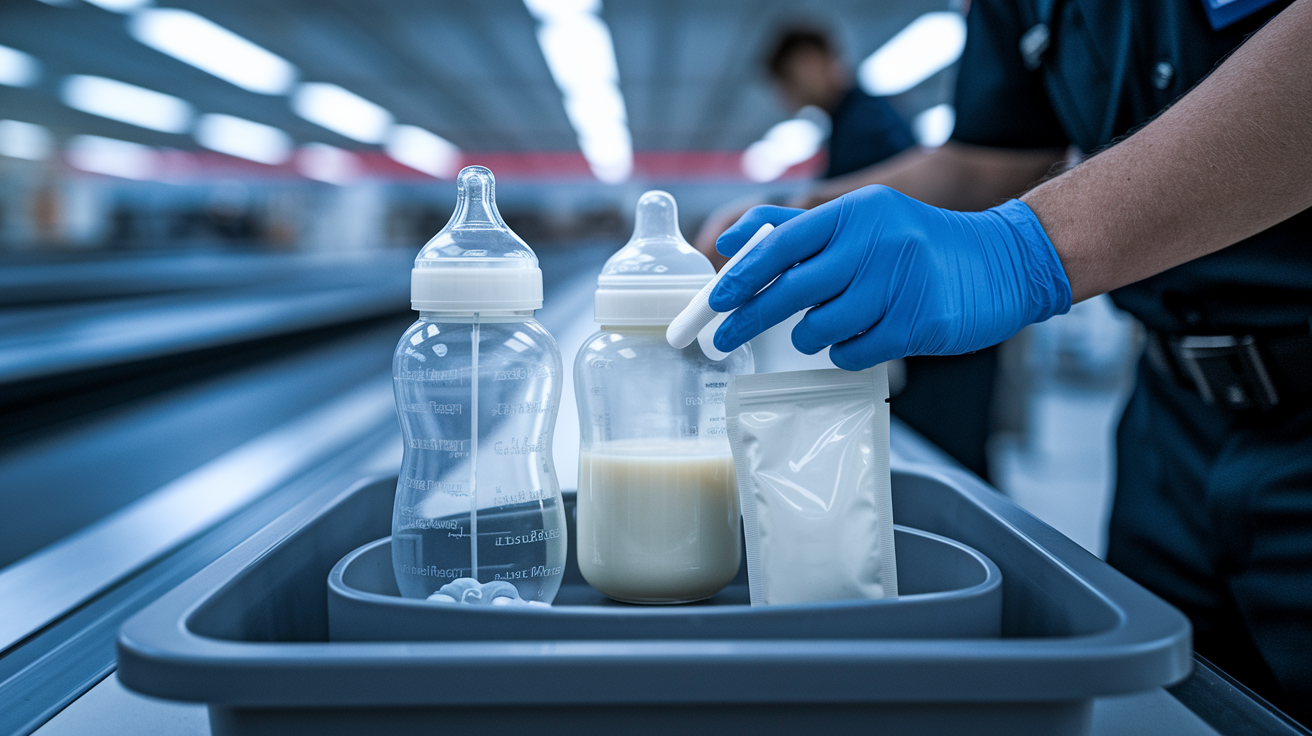
At the checkpoint, TSA officers will screen your milk, formula, and related supplies separately from the rest of your carry-on. Most officers use an X-ray machine to inspect bottles or storage bags, but you can decline X-ray screening and request a visual or swab inspection instead. Officers may ask you to open containers, transfer a small sample into a clean cup they provide, or let them swab the outside of a bottle. Pump parts and accessories can get swabbed too, and you can request that the officer change gloves before handling your items.
Frozen breast milk usually passes quickly with a visual check since it’s clearly solid. Partially thawed or slushy milk may need extra testing. Fully frozen ice packs and gel packs tend to move through screening faster than partially melted ones. That’s why many parents freeze packs solid the night before and pack them in insulated bags.
Here’s the typical process at security:
- Remove breast milk, formula, and baby food from your bag and place them in a bin
- Inform the TSA officer you’re traveling with infant liquids
- The officer will inspect items visually or by X-ray
- You may be asked to open containers or provide a small sample for testing
- Once cleared, items are returned and you can repack them immediately
Requesting Alternative Inspection
You can refuse X-ray screening for your breast milk or formula anytime. Just tell the officer you prefer alternative screening. TSA must then perform a visual inspection or swab test instead. Choosing this option may add a few extra minutes to your screening time, but it’s your right and officers are trained to accommodate it.
Cooling Methods and Approved Ice Packs for Infant Milk
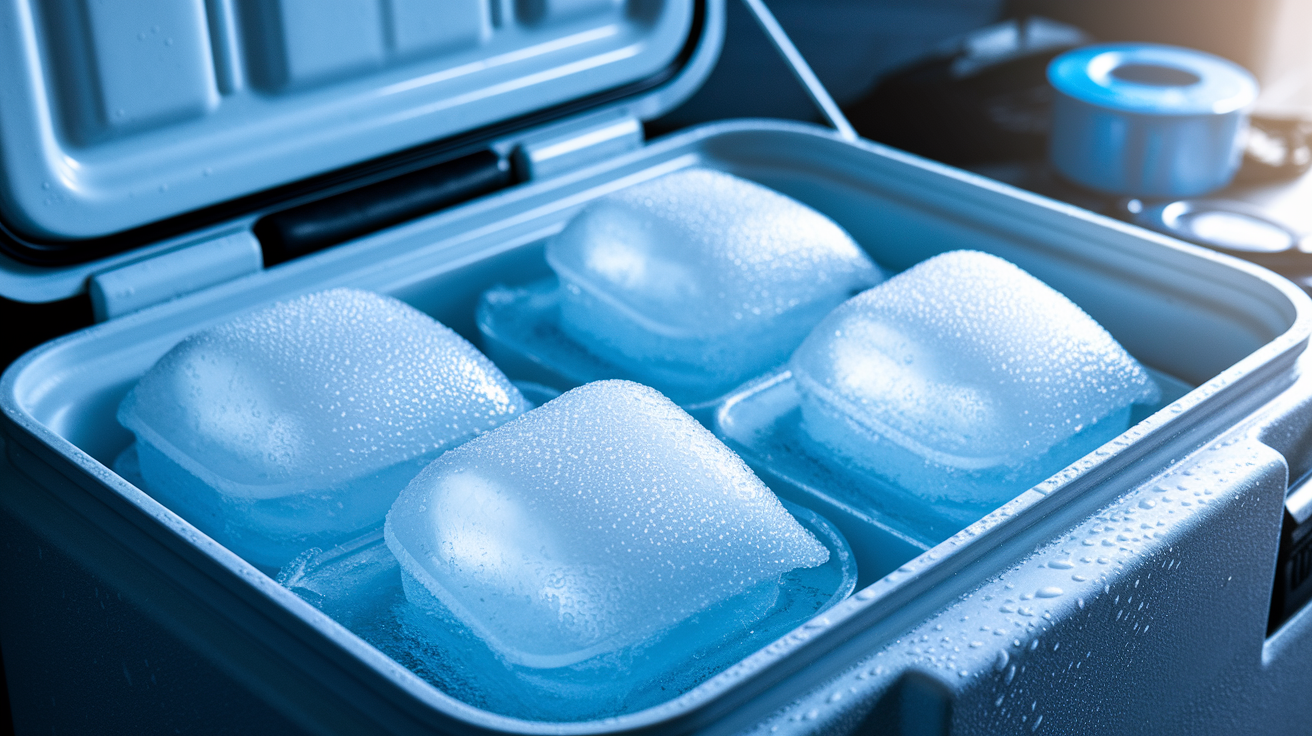
Ice packs, gel packs, freezer packs, and insulated coolers are all allowed in carry-on luggage when used to store breast milk or formula. They’re exempt from the standard liquid rules, so you can bring them even if they’re larger than 3.4 ounces. Partially melted or slushy packs are still permitted, though they may trigger additional screening because they appear liquid on the X-ray monitor.
Fully frozen cooling packs reduce the chance of extra questions. Heavy-duty reusable freezer packs designed for breast milk coolers tend to stay frozen longer and look clearly solid on X-ray scans, which can speed up your trip through security.
Approved cooling items for infant milk:
- Reusable ice packs designed for breast milk bags or bottles
- Gel packs and freezer packs in any size, as long as they’re used for milk storage
- Insulated cooler bags and lunch-style coolers with built-in ice compartments
- Frozen breast milk bags, which act as both product and cooling element
Packing Infant Milk and Formula for Smooth TSA Transit
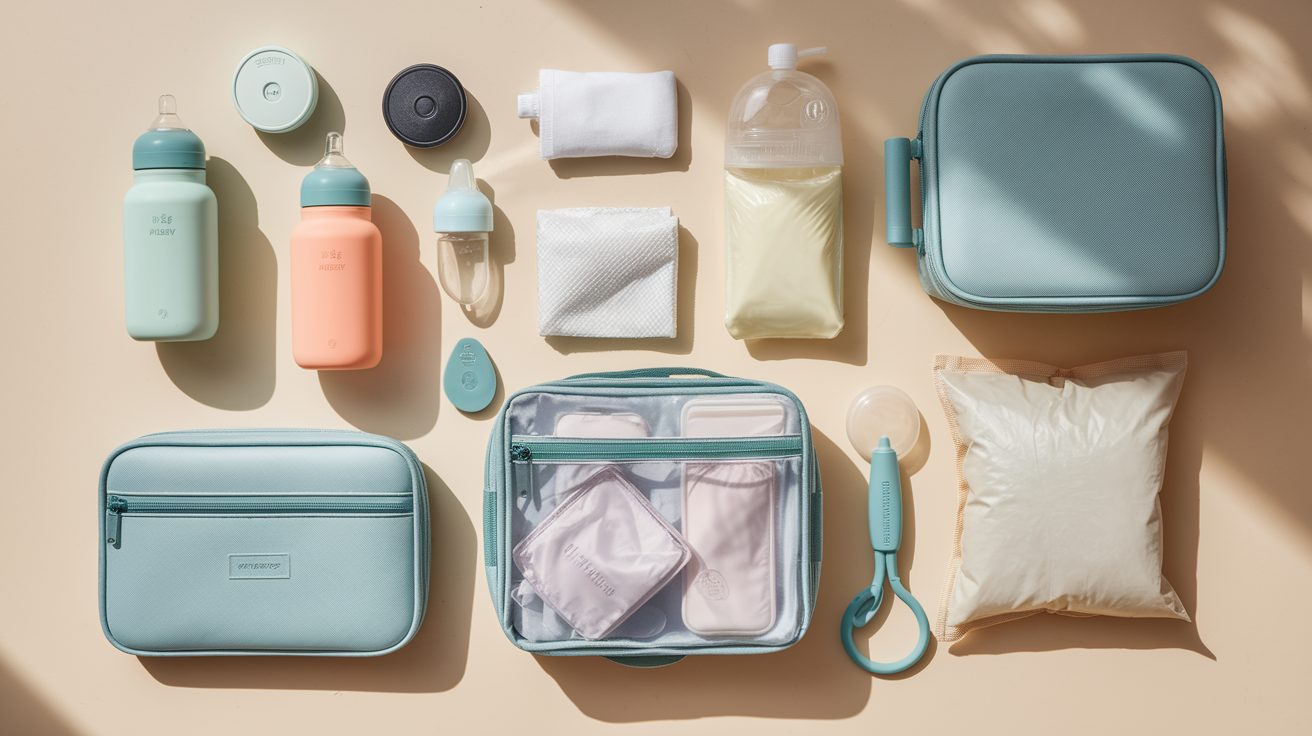
Use leak-proof containers with secure, twist-on lids or sealed breast milk storage bags to prevent spills in your luggage. Place milk and formula in an easy-to-open insulated bag or small soft cooler so you can pull it out quickly at security. Keep pump parts in a separate clear ziplock bag or small tote to make inspection faster and avoid unpacking your entire diaper bag.
TSA recommends using clear or translucent bottles when possible since officers can see the contents without opening them. Labeling each bag or bottle with the date and time is optional, but it can reduce confusion and make it clear you’re carrying expressed milk. Bring extra storage bags, a backup hand pump, and sanitizing wipes in case of delays or spills.
| Item | Packing Recommendation |
|---|---|
| Breast milk or formula | Pack in leak-proof bottles or sealed storage bags inside an insulated cooler |
| Ice packs or gel packs | Freeze solid overnight and place around milk containers; avoid partially melted packs |
| Breast pump and parts | Store in a clear bag separate from milk; carry power cord and backup batteries |
| Backup supplies | Include extra bottles, storage bags, wipes, and a manual pump in case of delays |
| Baby food and snacks | Pack in jars or pouches; remove from carry-on at screening like milk and formula |
Carry-On vs. Checked Luggage for Breast Milk and Formula
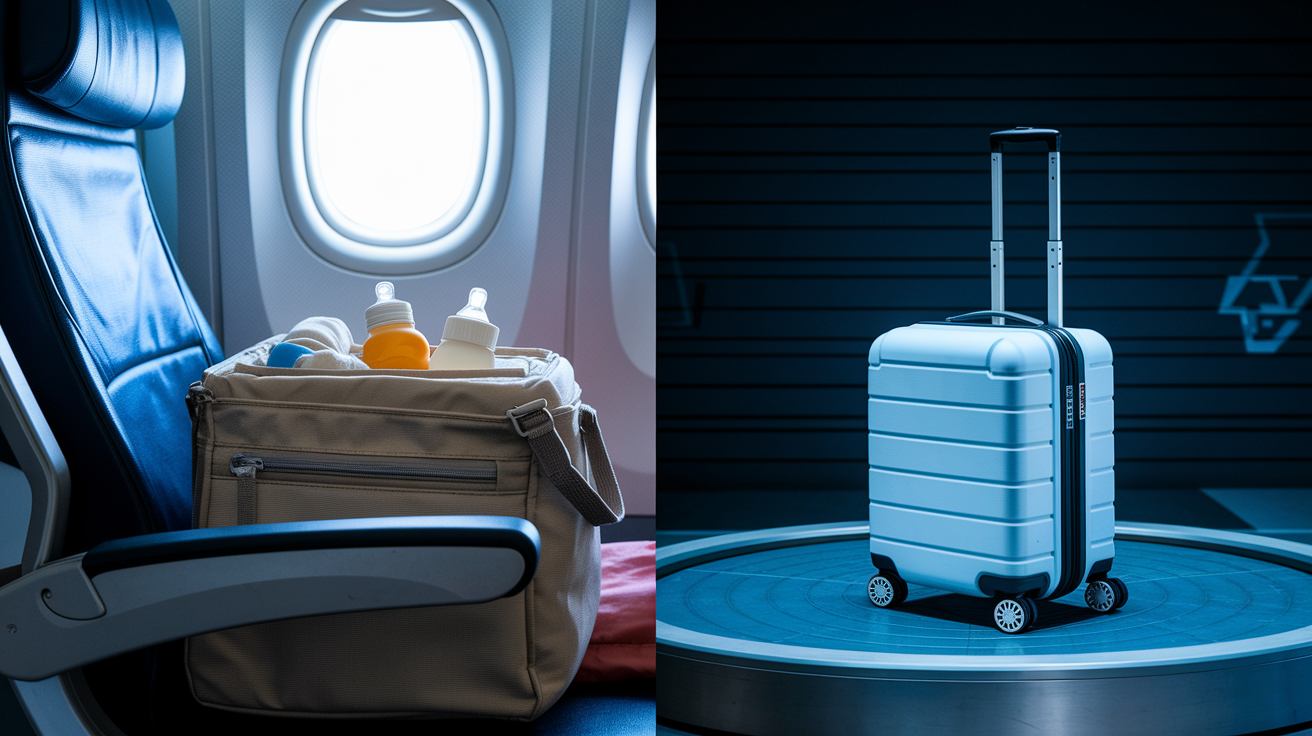
Carrying milk and formula in your carry-on bag gives you immediate access during flights and layovers. It avoids the risk of lost luggage or temperature swings in the cargo hold. Most parents prefer carry-on for short trips or day-of pumping, especially when they need to feed the baby during the flight or keep milk cold without relying on airline schedules.
Checked luggage is less common for breast milk but can work if you pack milk in a hard-sided cooler with plenty of frozen gel packs and seal it well. The downside? You lose control over temperature during baggage handling. And if your checked bag gets delayed or sent to the wrong city, your milk may spoil or thaw completely.
Carry-on advantages and considerations:
- You control temperature and can add ice as needed during layovers
- No risk of lost luggage affecting your milk supply
- Immediate access for feeding or pumping on the plane
- May require extra time at security for separate screening and inspection
International Rules for Traveling With Baby Formula and Milk
TSA rules apply to flights departing U.S. airports, but once you land abroad, the destination country’s security and customs policies take over. Many countries treat breast milk and formula as exempt from standard liquid limits, but the details vary. The United Kingdom allows up to 2,000 milliliters (about 67 ounces) of breast milk in carry-on luggage, as long as it’s not frozen. Canada doesn’t restrict breast milk under the 100 mL rule and treats it similarly to the U.S. approach.
European Union airports generally permit baby food and milk in reasonable quantities, but some require you to taste the liquid in front of security officers or submit samples for testing. Australia and New Zealand allow breast milk and formula but may ask for declaration forms at customs. Always check the destination airport’s official website or contact the airline before you travel to confirm current rules.
If you’re connecting through multiple countries, the strictest rule along your route will apply. Pack conservatively if you’re unsure, and carry a printed or digital copy of the destination country’s infant liquid policy in case an officer isn’t familiar with the exemption.
Examples of international policies by country:
- United Kingdom — Up to 2,000 mL allowed if not frozen; may require separate screening
- Canada — Breast milk exempt from 100 mL rule; treated as medically necessary
- European Union — Reasonable quantities permitted; some airports require taste tests
- Australia — Allowed with declaration; customs may inspect upon arrival
Customs Declarations Abroad
When you arrive in another country, customs officers may ask what you’re carrying in your cooler or insulated bag. Be ready to declare breast milk or formula and open the bag for inspection. Most countries don’t restrict or tax infant milk, but failing to declare it can slow down your entry process or trigger additional questions.
TSA Cares and Assistance for Parents Traveling With Infants
TSA Cares is a helpline designed to assist travelers who need accommodations or have questions about screening procedures before their trip. Call TSA Cares Assistance at 1-866-289-9673 at least 72 hours before you fly. A passenger support specialist can arrange for an officer to meet you at the checkpoint and guide you through the process. This is especially helpful if you’re traveling alone with an infant, carrying large quantities of milk, or anxious about the screening experience.
TSA PreCheck can shorten your wait time in the security line, but it doesn’t change the rules for breast milk, formula, or pump screening. You’ll still need to declare your items and remove them for separate inspection, even in the PreCheck lane. Officers at all checkpoints are trained to handle infant liquids, though experiences can vary depending on how familiar the individual agent is with the exemption.
TSA support options for traveling parents:
- Call TSA Cares at 1-866-289-9673 for pre-travel assistance and checkpoint accommodations
- Use the “Ask TSA” service via Apple Messages (iMessage) or Facebook Messenger for written answers before your trip
- Arrive at the airport with extra time if you’re carrying large volumes of milk or multiple cooling packs
In-Flight Practicalities for Feeding and Storing Milk
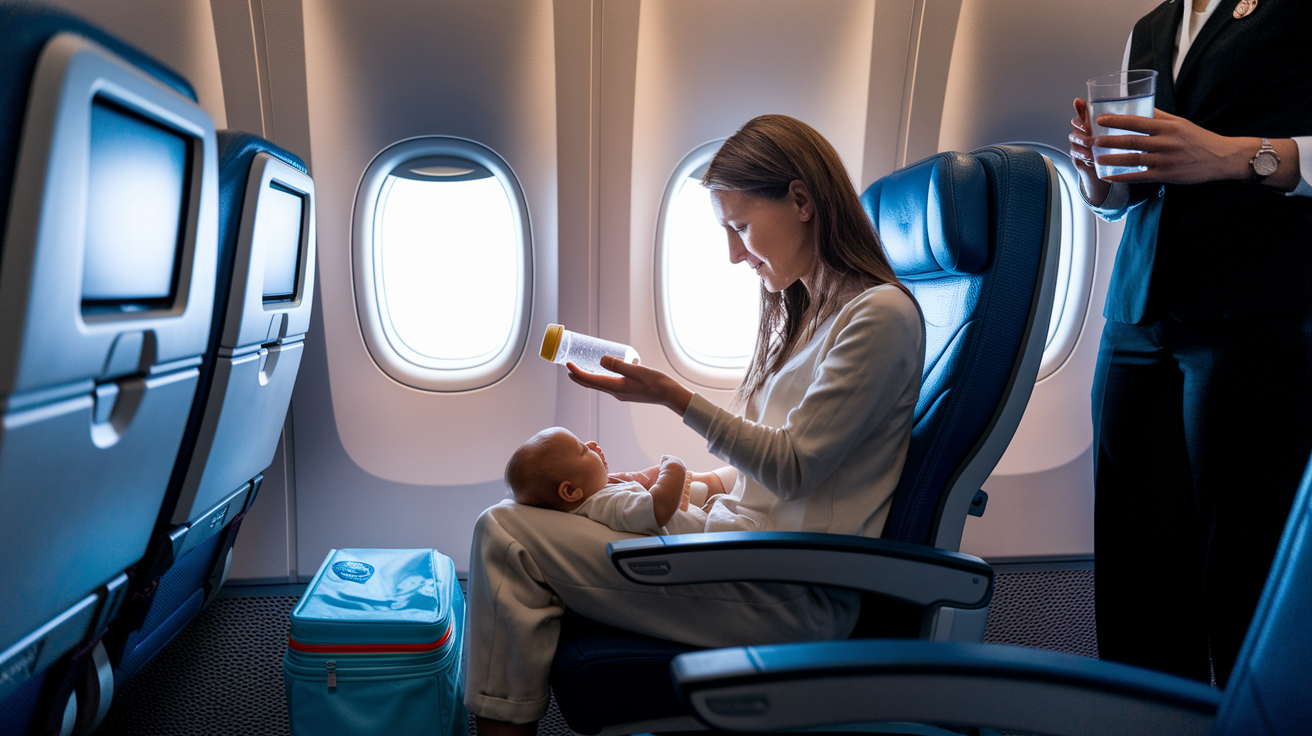
Many flight attendants will warm bottles or baby food for you if you ask, but the milk or formula can return very hot. Always test the temperature on your wrist or the back of your hand before feeding, and wipe the outside of the bottle or pouch with a clean cloth or sanitizing wipe since it may have been handled in the galley. Some parents bring their own bottle warmer or rely on warm water from the crew to control the heating process.
Feeding your baby during takeoff and landing can help reduce ear pressure and discomfort from altitude changes. Keep a ready bottle or pouch in an easy-to-reach pocket of your diaper bag so you don’t have to dig through overhead bins while the seatbelt sign is on.
In-flight feeding and storage tips:
- Ask the crew to warm bottles in hot water rather than the microwave to avoid hot spots
- Test warmed milk on your skin before offering it to the baby
- Store unused milk in your insulated bag with ice packs during the flight to maintain safe temperatures
- Bring a backup bottle or ready-to-feed pouch in case of turbulence or service delays
Handling Multi-Leg Trips and Long Travel Days With Baby Milk
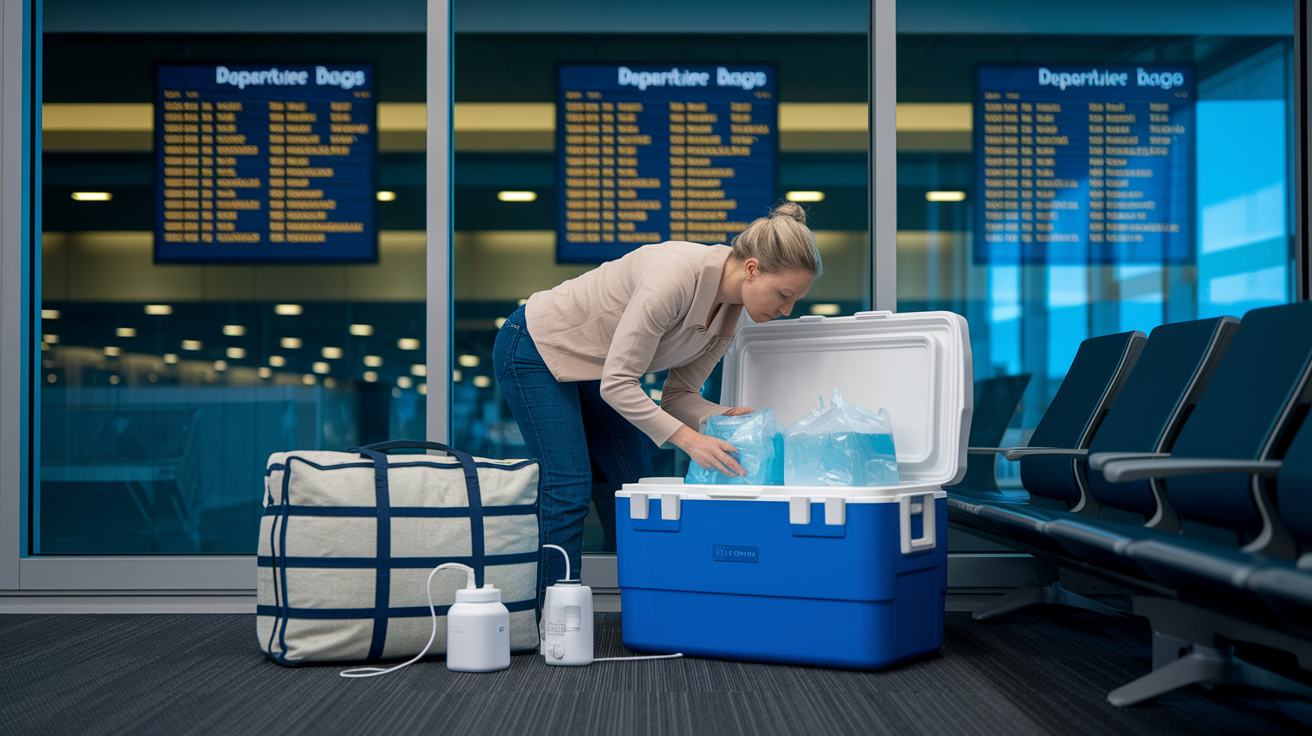
On connecting flights or long travel days, your frozen ice packs may thaw completely, and your milk may warm up between legs. If you have a layover of more than two hours, look for a family restroom or lactation pod where you can pump, re-ice your cooler, or transfer milk into fresh storage bags. Some airports sell bags of ice at concession stands, and you can ask gate agents or customer service desks if ice is available.
Pack at least double the amount of milk or formula you expect to use since delays and cancellations can stretch a six-hour trip into an all-day event. Carry backup powdered formula, extra bottles, and a manual hand pump in case your electric pump runs out of battery or you can’t find an outlet.
Delay-prep steps for long itineraries:
- Bring twice the milk or formula you think you’ll need to cover missed connections and gate holds
- Carry a portable battery pack to recharge your electric breast pump on the go
- Pack extra storage bags and a hand pump as a backup for gate-area pumping
- Locate airport lactation rooms or family restrooms on your layover airport’s map ahead of time
Frequently Asked TSA Questions About Infant Milk and Formula
Do I need my baby with me to carry breast milk through security?
No. You can travel with breast milk even if the infant isn’t with you. Many parents pump during work trips and bring milk home, and TSA treats those situations the same as traveling with a child.
How much breast milk or formula can I bring on a plane?
There’s no fixed limit. TSA allows you to bring as much as you reasonably need for your trip, including delays. Large volumes may require additional screening, but they won’t be confiscated.
Can TSA X-ray my breast milk or formula?
Yes, but you can refuse X-ray screening and request a visual inspection or swab test instead. The FDA considers X-ray screening of food and beverages safe, with no known adverse effects.
Are ice packs and gel packs allowed in carry-on luggage?
Yes. Ice packs, gel packs, and freezer packs used to store breast milk or formula are exempt from liquid limits and allowed in any size. Fully frozen packs move through screening faster than partially melted ones.
What if a TSA agent isn’t familiar with the breast milk exemption?
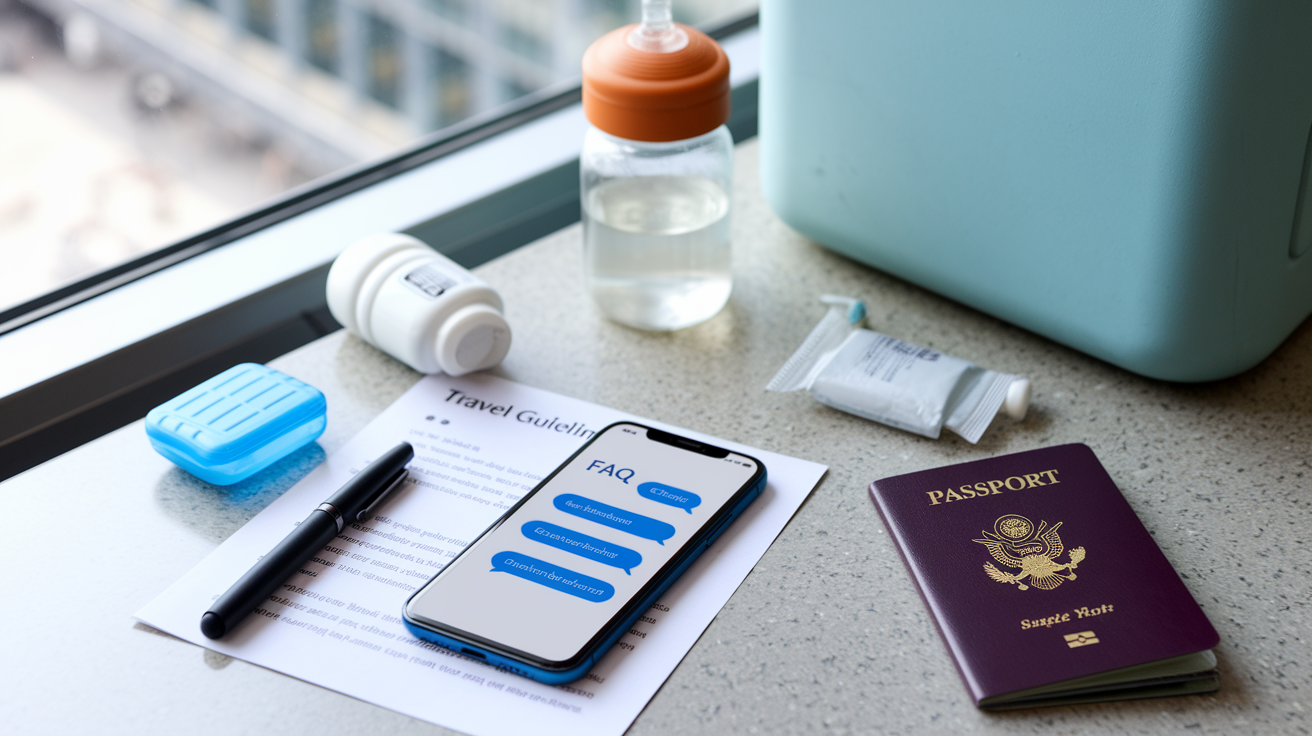
Politely ask to speak to a supervisor. It can help to carry a printed copy of TSA’s official breast milk guidelines from their website or a link on your phone to show the officer.
Can I ship breast milk instead of carrying it through security?
Yes. Some parents use temperature-controlled overnight shipping services to send milk home, especially on long trips or when traveling with large volumes. Shipping avoids TSA screening but typically involves a fee, though some employers cover the cost.
Sample Scripts for Security Officers
“I’m traveling with breast milk. It’s exempt from the 3.4-ounce liquid rule, and I have as much as I need for the trip.”
“These ice packs are for keeping breast milk cold. They’re allowed and exempt from liquid limits.”
“I prefer alternative screening instead of X-ray. Please perform a visual or swab inspection.” For further official-aligned guidance, refer to TSA Breast Milk Rules.
Final Words
Declare your milk at the checkpoint, keep it easy to reach, and expect separate screening. Fresh, frozen, or partially thawed milk is allowed beyond the 3.4 oz limit.
Ask for visual or swab checks if you prefer to skip X-rays. Use insulated bags, frozen packs, and leak-proof bottles. Carry-on is usually the simplest. Avoid checked bags for temperature-sensitive milk.
Remember your rights and call TSA Cares if you need help. These TSA rules for baby formula and breast milk make travel easier when you plan ahead. You’ll get through security, and still have time to breathe before boarding.
FAQ
Q: Do I need to declare breast milk at TSA?
A: You do need to declare breast milk at TSA. Breast milk must be declared and screened separately; officers may offer visual, swab, or X-ray alternatives if you decline. Quantities allowed as needed for the trip.
Q: How do I get through TSA with baby formula?
A: To get through TSA with baby formula, declare the formula and present bottles or tins separately for inspection. Ready-to-feed and powdered forms are exempt from the 3.4 oz rule when medically necessary.
Q: How many ounces of breastmilk can I bring on a plane?
A: There is no fixed ounce limit for breast milk; you may bring the quantity needed for your trip. Expect separate screening and be prepared to request visual or swab inspection instead of X-ray.
Q: Can I take a full tin of formula on a plane?
A: You can take a full tin of formula on a plane. Powdered tins and sealed containers are allowed; declare them at the checkpoint. Carry-on is best for access and temperature control.