
Think a week isn’t nearly enough for Italy?
You’d be surprised.
This 7‑day plan shows how to see Rome, Florence, and Venice without burning out.
Start with three days in Rome, two in Florence, and two in Venice, linked by fast trains so you avoid backtracking and airport‑shuttle headaches.
I’ll show which two or three sights to prioritize each day, when to book the big tickets, and where to slow down for a long coffee or dinner.
Follow this rhythm and you’ll leave feeling satisfied, not exhausted.
Complete 7‑Day Italy Itinerary Overview With Daily Routing
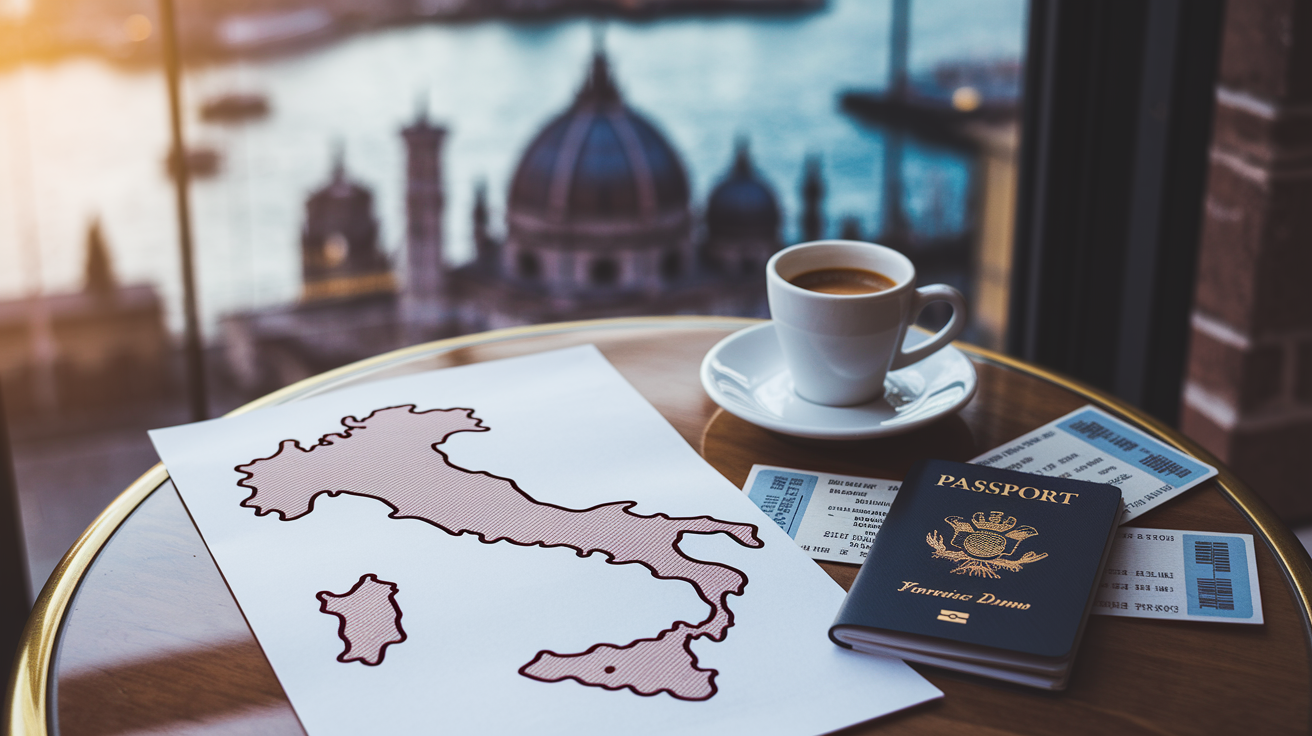
The classic week in Italy moves south to north: Rome (Days 1–3), Florence (Days 4–5), Venice (Days 6–7). It’s a routing that makes sense. No backtracking, clean train connections, and you can fly into one city and out of another without retracing your steps. Land at Rome’s Fiumicino, depart from Venice, and you’re moving through the country in one smooth line.
High‑speed trains make this work. Rome to Florence is about 1.5 hours on Frecciarossa or Italo. Florence to Venice is roughly 2 hours. Stations drop you right in the center of each city, so there’s no airport shuttle wait or rental car hassle. You step off the train and you’re already where you need to be.
Each stop feels different but connected. Rome gives you ancient history and big monuments. Florence is Renaissance art and walkable streets. Venice closes things out with canals, quiet morning markets, and a slower rhythm. The trick? Don’t try to see everything in each city. Pick your top two or three things per day, book the big stuff ahead, and leave room to breathe. Meals, getting lost a bit, sitting down with coffee.
Start early. Most major attractions open by 8:00 or 9:00 AM, and the first couple hours are your best shot at smaller crowds and better light. Don’t stack multiple heavy sites on the same day. The Colosseum and the Vatican each take half a day or more. Trying to squeeze both in will wreck you. Book skip‑the‑line or timed tickets at least a week out, ideally two. Vatican Museums, Uffizi, Accademia, Doge’s Palace…all of them need advance booking.
Here’s the week broken down:
- Day 1 – Rome: Arrive, settle in, hit the Vatican Museums and St. Peter’s Basilica. Walk to Castel Sant’Angelo and the Centro Storico for Trevi Fountain and Piazza Navona.
- Day 2 – Rome: Colosseum, Roman Forum, Palatine Hill. Explore Monti or Trastevere in the evening.
- Day 3 – Rome to Florence: Morning walk through hidden Rome spots (Knights of Malta keyhole, Bocca della Verità). Catch an early afternoon train to Florence.
- Day 4 – Florence: Duomo climb, city walking tour, sunset at Piazzale Michelangelo or San Miniato al Monte.
- Day 5 – Florence: Galleria dell’Accademia in the morning for David. Optional Uffizi visit or wander Oltrarno and Santa Croce neighborhoods.
- Day 6 – Florence to Venice: Morning train to Venice. Afternoon at St. Mark’s Square, Doge’s Palace, Rialto Bridge. Evening gondola ride.
- Day 7 – Venice: Half‑day Vaporetto trip to Burano and Murano. Return for a final walk or early dinner before departure.
Rome Foundations for a One‑Week Italy Route
Most international flights land at Rome’s Leonardo da Vinci–Fiumicino Airport (FCO), about an hour from the city center. The Leonardo Express train runs directly from the airport to Roma Termini station in 32 minutes and costs around €14. It’s faster and more predictable than a taxi, especially during rush hour. Budget carriers within Europe might drop you at Ciampino (CIA) instead. From there, take the Ciampino Airlink bus to Termini, roughly 45 minutes.
Rome’s major attractions need real time. The Colosseum and Roman Forum together take 3–4 hours at a comfortable pace. The Vatican Museums, Sistine Chapel, and St. Peter’s Basilica can easily fill half a day, and that’s if you arrive right when they open. Trying to do both the Vatican and the Colosseum on the same day is technically possible but will leave you wrecked and rushing. The Centro Storico (the historic center around the Pantheon, Trevi Fountain, Piazza Navona) is best visited early, ideally between 7:00 and 8:00 AM, before tour groups show up and the fountains turn into selfie stations.
For where to stay, Trastevere has charm and evening energy. Centro Storico puts you steps from everything. Monti offers a quieter, more local feel near the Colosseum. All three neighborhoods are walkable to most major sites or a short bus or Metro ride away.
Five key tips to make Rome work:
- Book Vatican Museums and Colosseum tickets at least a week ahead. First‑entry morning slots or late‑afternoon windows have the smallest crowds.
- Plan to walk a lot. Rome’s historic center is compact, but you’ll cover 5+ miles a day just moving between monuments.
- Most of Rome’s best restaurants and wine bars cluster in Trastevere. Plan at least one dinner there.
- Use Rome’s best viewpoints for sunset: Terrazza del Pincio (Villa Borghese), Giardino degli Aranci (Aventine Hill), or the terrace at Castel Sant’Angelo.
- Validate bus and Metro tickets when you board to avoid fines. Ticket inspectors are common and don’t give warnings.
Day‑by‑Day Italy Itinerary: Rome (Days 1–3)
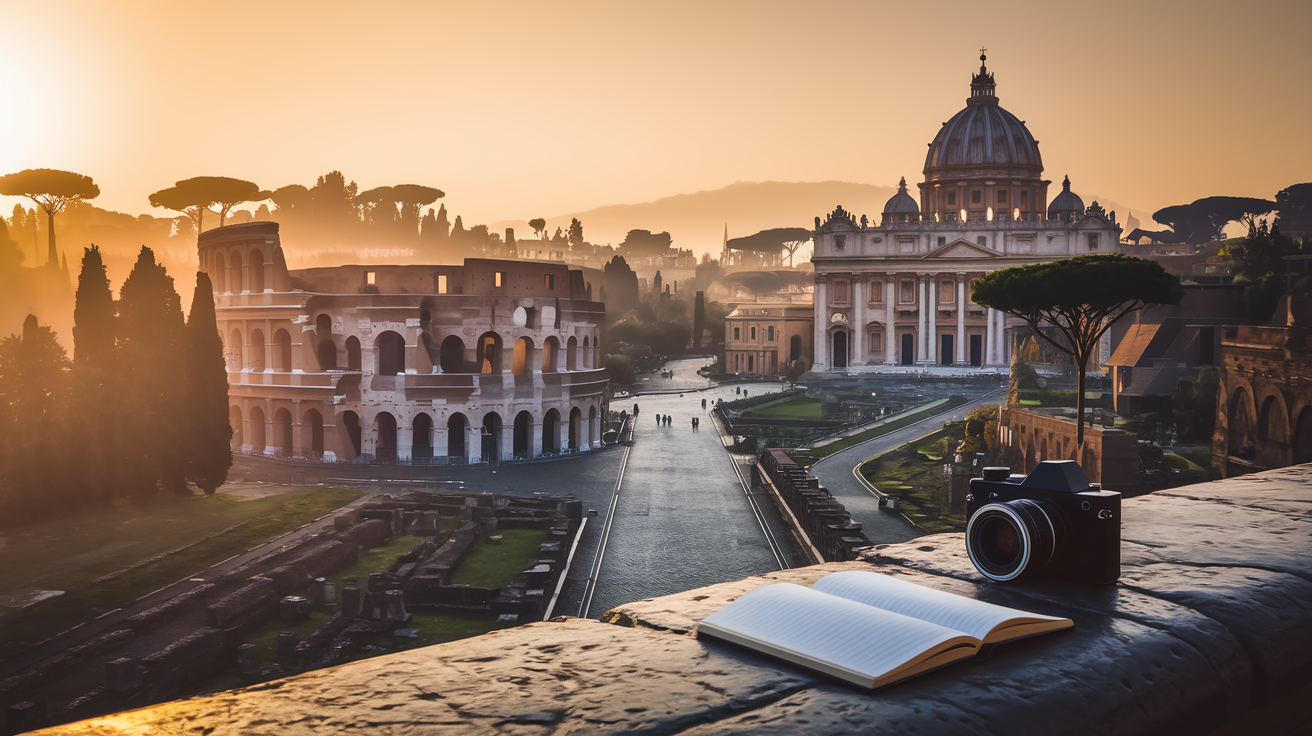
Rome anchors the first half of the week. Two full days on major sites, half a day wrapping up smaller stops before the train to Florence. The rhythm: start early, take a real break midday, save evenings for food and wandering.
Day 1: Vatican + Centro Storico
Begin at the Vatican Museums. If you booked the earliest entry slot (usually 8:00 or 8:30 AM), you’ll move through the galleries with far fewer people. The path takes you through the Raphael Rooms, then into the Sistine Chapel, and finally out to St. Peter’s Basilica and Square. The dome climb is optional but worth it if you’re comfortable with stairs and enclosed spaces. 551 steps to the top, but the view over Rome is one of the best in the city.
After the Vatican, walk across the Tiber via Ponte Sant’Angelo to Castel Sant’Angelo. You can tour the interior or just enjoy the bridge and the view. From there, head into the Centro Storico. Hit the Pantheon first (it’s free and quick), then walk to Trevi Fountain. If it’s late afternoon, the light is softer and the fountain looks better in photos. Finish the evening at Piazza Navona or in Trastevere for dinner. Carbonara, cacio e pepe, and a bottle of house wine are the reliable moves here.
Day 2: Colosseum + Forum + Palatine Hill
Start at the Colosseum as early as you can. Even with a skip‑the‑line ticket, there’s a security line, and it moves slower than you’d expect. Once inside, plan for at least an hour to walk the main level and upper tiers. Audio guides are solid if you’re going self‑guided. Guided tours add context but cost more and take longer.
The Roman Forum and Palatine Hill share the same ticket as the Colosseum, and they’re right next door. The Forum takes another 1.5 to 2 hours if you’re stopping to read plaques and imagine what the ruins used to be. Palatine Hill is quieter, with good views back over the Forum, and it’s a nice place to sit and rest before heading back into the city.
In the evening, explore Monti if you want something low‑key, or return to Trastevere if you didn’t get enough the night before. Supplì Roma has some of the best fried rice balls in the city. Fatamorgana makes creative, natural gelato that’s worth the stop.
Day 3: Hidden Rome + Train to Florence
On your last morning in Rome, visit a few smaller spots that don’t require tickets or long lines. The Knights of Malta keyhole on the Aventine Hill gives you a perfectly framed view of St. Peter’s dome through a garden gate. Quirky and quick. Walk down to the Bocca della Verità (the “Mouth of Truth”) in the portico of Santa Maria in Cosmedin. There’s usually a short line, but it moves fast. If you have time, climb the Spanish Steps or window‑shop along Via dei Condotti.
Catch a high‑speed train to Florence in the early afternoon. Trains leave from Roma Termini roughly every 30 minutes, and the trip takes 1 hour and 20 minutes to 1 hour and 40 minutes depending on the service. Book on Trenitalia or Omio. Both offer the same trains, but Omio’s English interface is a little easier to navigate. You’ll arrive at Firenze Santa Maria Novella station, right in the center of Florence, and you can walk to most hotels from there.
Florence Essentials for a 7‑Day Italy Trip
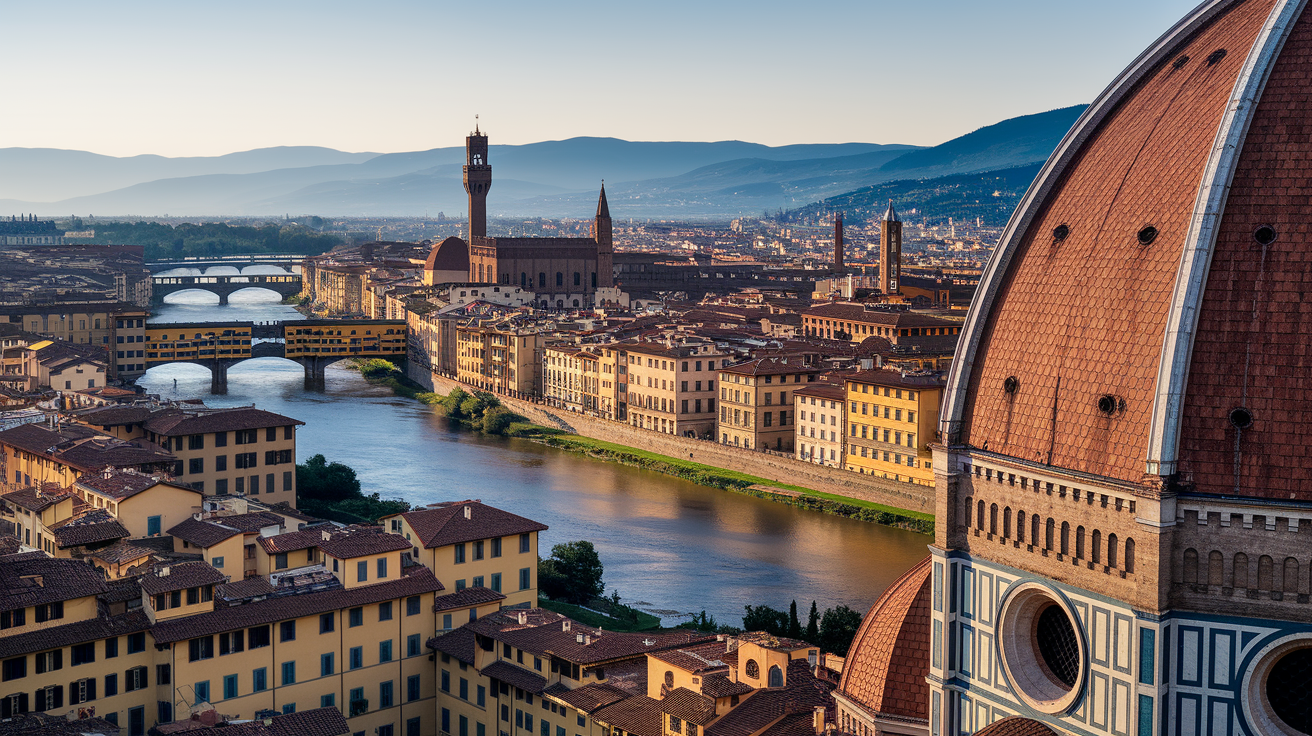
Florence is smaller and more walkable than Rome, but just as dense with things to see. The Uffizi Gallery is the top museum if you’re only picking one. It holds the largest collection of Italian Renaissance art in the world, and a guided tour helps you understand what you’re looking at instead of just shuffling past famous paintings. The Galleria dell’Accademia is shorter and centers on Michelangelo’s David, but you still need to book a timed entry in advance. Walk‑up tickets are rarely available, especially in spring and summer.
The Duomo dominates the skyline, and climbing Brunelleschi’s dome is one of Florence’s signature experiences. More than 400 steps, the stairway is narrow and steep, and you’ll need to book the “Brunelleschi Pass” ahead of time. Go early in the morning or late in the afternoon to avoid the midday heat and the worst crowds. The view from the top shows the entire city and the hills beyond, and it’s the kind of thing that makes the sore legs worth it.
For sunset, head to Piazzale Michelangelo or San Miniato al Monte. Piazzale Michelangelo is the busier of the two, with street vendors and tour groups, but the view is iconic. San Miniato is a 10‑minute walk farther up the hill, quieter, and often has monks chanting vespers in the late afternoon, which adds a whole other layer to the experience.
Florence’s best neighborhoods to stay in are Centro Storico for convenience, Santa Croce for local restaurants and a slightly lower price point, and Oltrarno for a residential feel with great wine bars and gelato. All three put you within a 15‑minute walk of the Duomo and the main museums.
Key Florence tips:
- Book Uffizi and Accademia at least a week ahead. Weekends and Mondays (when many other museums are closed) book up fastest.
- Sunset from Piazzale Michelangelo or San Miniato is a must. Plan to arrive 30–45 minutes before sunset to claim a spot.
- Day‑trip options include Siena (medieval hilltop town, easy by bus), Bologna (best food in Italy, 40 minutes by train), or a Chianti wine tour (book a half‑day tour with a driver).
- Most Florence museums close on Mondays, so plan your museum days for Tuesday through Sunday.
Day‑by‑Day Italy Itinerary: Florence (Days 4–5)
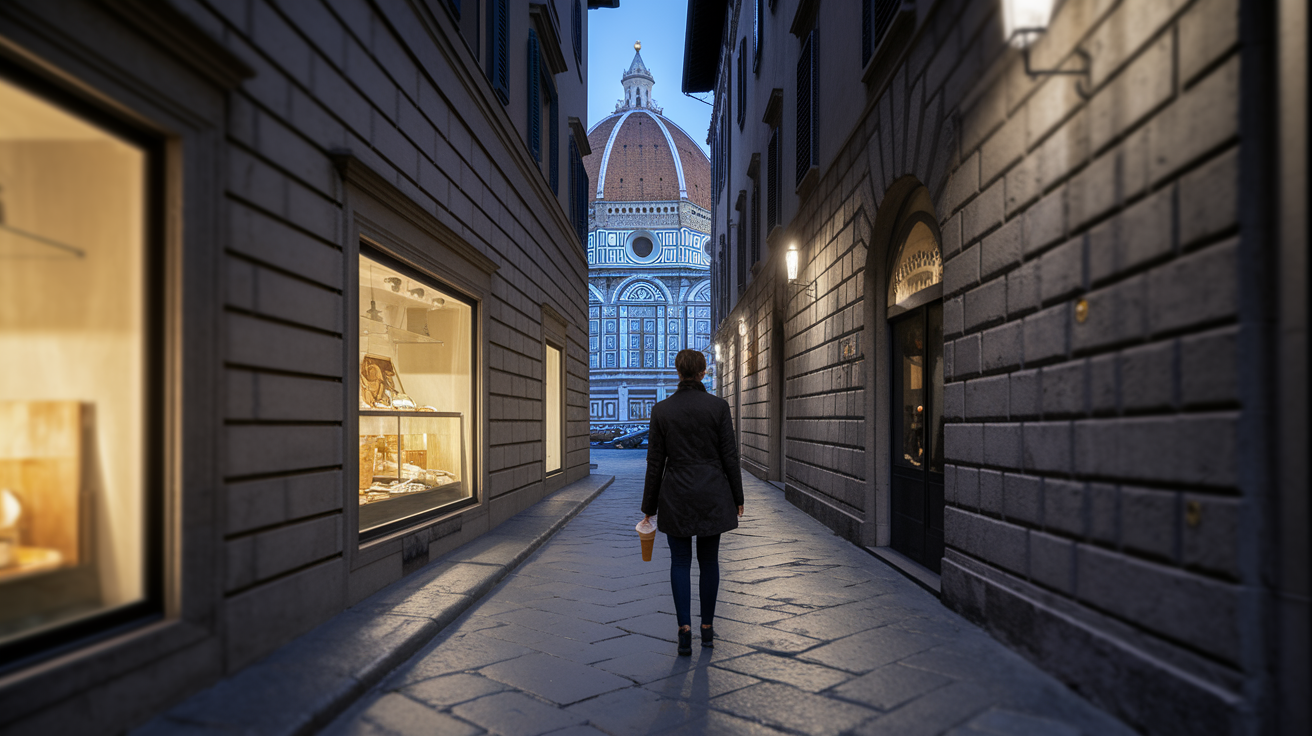
Florence rewards slow mornings and long walks. The city is compact enough that you can cover the main landmarks in a day and a half, then spend the rest of your time eating, sitting in piazzas, and wandering the side streets in Oltrarno.
Day 4: Arrival + Florence City Walk + Duomo Climb + Sunset
Arrive from Rome in the early afternoon, drop your bags at the hotel, and start walking. Florence’s historic center is small. You can cross it in 20 minutes, but you’ll want to take your time. Walk from Santa Maria Novella station toward the Duomo, cutting through Piazza della Repubblica and past the Baptistery. The Duomo’s exterior is more impressive than the interior, so unless you’re climbing the dome or the campanile (bell tower), a quick look from the outside is enough.
If you booked a Duomo climb, go in the late afternoon when the light is softer and the crowds thin out a bit. The climb is tight and steep, but it’s not technical, and kids over six can usually handle it fine. Once you’re back on the ground, walk south across the Arno to Piazzale Michelangelo for sunset. Stop at Gelateria Della Passera or Ditta Artiginale in Oltrarno on your way back for gelato or espresso, depending on the time.
Day 5: Accademia Early Morning + Optional Uffizi + Neighborhoods
Book the earliest time slot you can get for the Galleria dell’Accademia, usually 8:15 AM. The museum is small, and David is the centerpiece, so most people spend about an hour inside. The statue is larger and more detailed than you expect, and seeing it in person is one of those travel moments that actually lives up to the hype.
If you also want to visit the Uffizi, book a late‑morning or early‑afternoon entry, ideally with at least a two‑hour gap between museums. The Uffizi takes 2–3 hours if you’re selective about what you stop for. Trying to see everything will take closer to four hours and leave you exhausted. Focus on the Botticelli rooms (including The Birth of Venus), the Leonardo room, and the Caravaggio gallery, then move on.
If you skip the Uffizi or finish early, spend the rest of the day walking Santa Croce and Oltrarno. Santa Croce has the basilica (Michelangelo’s tomb is inside) and a cluster of good, affordable restaurants that aren’t tourist traps. Oltrarno has wine bars like Le Volpi e l’Uva, which specializes in natural wines and small plates, and the general vibe is more residential and less rushed than the area around the Duomo.
Venice Highlights for a One‑Week Italy Plan
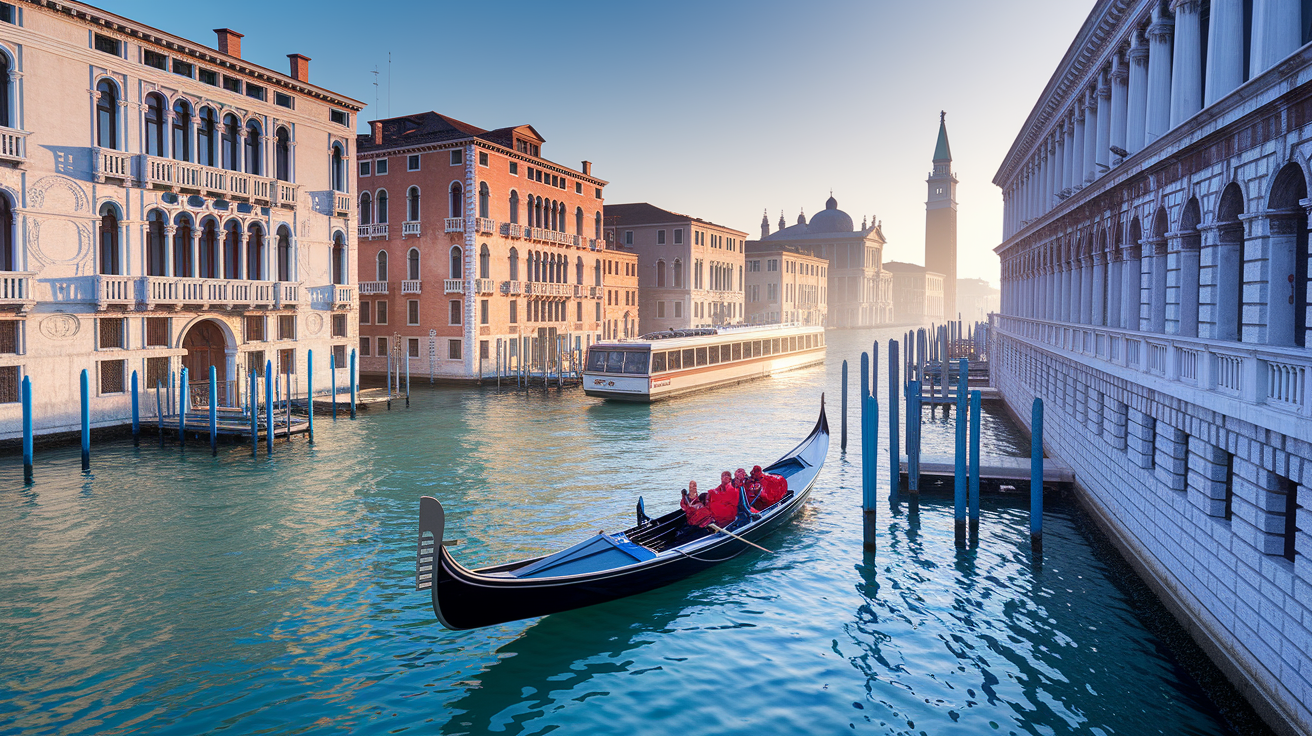
Venice is unlike any other city in Italy. No cars, no buses, no bicycles. Just walking and boats. The Vaporetto (water bus) is Venice’s version of public transit, and a multi‑day pass saves a lot of money if you’re taking more than three or four rides. A single Vaporetto ticket costs around €9.50, but a 48‑hour pass runs about €30 and pays for itself quickly, especially if you’re doing an island trip to Burano and Murano.
Doge’s Palace and St. Mark’s Basilica are the two big indoor attractions, and both require advance tickets or you’ll spend an hour or more in line. Doge’s Palace has a combined ticket option with the Correr Museum and a few smaller sites, which can be worth it if you have extra time. St. Mark’s Basilica itself is free to enter, but the museum, treasury, and terrace all cost extra and need separate tickets.
Gondola rides are expensive. Expect €80 to €100 for a 30‑minute ride. But they’re also one of the most iconic Venice experiences. You’ll get a better deal if you negotiate directly with a gondolier near smaller canals rather than right at St. Mark’s, where prices are higher and less flexible. If the cost is too much, a Vaporetto ride down the Grand Canal gives you a similar view for a fraction of the price.
Key Venice tips:
- Gondola rides near St. Mark’s are the most expensive. Walk 10 minutes away from the main square and you’ll find lower prices and less pressure.
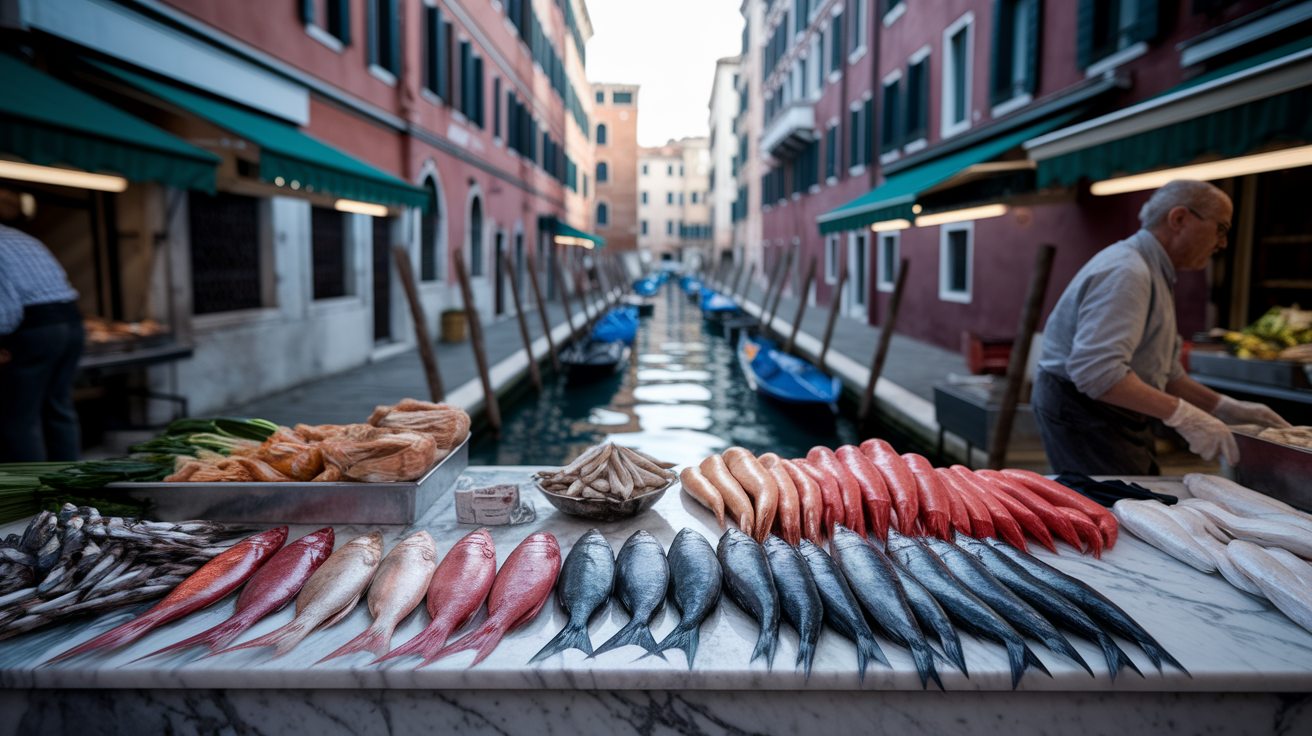
- Rialto Fish Market opens early (around 7:30 AM) and closes by noon. It’s worth a morning visit if you want to see Venice at work instead of just on display.
- Burano and Murano are both half‑day trips via Vaporetto. Burano has colorful houses and lace shops, Murano has glass‑blowing demonstrations (often free to watch).
- Arrive at major sites right when they open or just before closing to avoid the worst crowds. Midday in Venice, especially near St. Mark’s, is wall‑to‑wall people in peak season.
Day‑by‑Day Italy Itinerary: Venice (Days 6–7)
Venice is best experienced slowly. The canals, bridges, and narrow alleys all look similar, and getting a little lost is part of the experience. Plan your big attractions for the mornings, and leave afternoons open for wandering, sitting at a canal-side café, or hopping on a Vaporetto to explore the outer islands.
Day 6: Rialto Market + Libreria Acqua Alta + Gondola + Evening Dining
Start at the Rialto Fish Market, which is liveliest between 8:00 and 10:00 AM. The market is where Venetians actually shop, and it’s one of the few places in the city that still feels like it’s for locals, not tourists. After the market, walk across the Rialto Bridge and head toward Libreria Acqua Alta, a bookstore famous for stacking books in bathtubs and gondolas to protect them from flooding. Quirky, photogenic, fun for 15 minutes.
In the late morning or early afternoon, book a gondola ride. If you’re traveling as a couple or a small group, this is the time to do it. Ask the gondolier to take you through smaller side canals rather than just the Grand Canal. The quieter routes are more atmospheric and give you a better sense of how Venice is actually built.
For dinner, aim for something away from St. Mark’s Square. The restaurants right on the main piazzas are overpriced and underwhelming. Walk toward Cannaregio or Dorsoduro, where you’ll find smaller spots with better food and lower prices. If you want a splurge meal, book ahead at a canal-side spot. Some of the best romantic dinners in Venice happen at small tables right on the water, and those reservations fill up fast.
Day 7: Burano + Murano Half‑Day Trip
Take the Vaporetto to Burano and Murano in the morning. The ride to Burano takes about 45 minutes from the main Venice islands, and Murano is on the way back, so you can stop at both in a single trip. Burano is known for its brightly painted houses and lace-making tradition. It’s small, and you can walk the whole island in under an hour. Murano is larger and famous for glass blowing. Many workshops offer free demonstrations, and while there’s pressure to buy, it’s not aggressive, and watching the process is interesting even if you don’t purchase anything.
Plan to be back in Venice by early afternoon, especially if you have an evening flight or train. If your departure isn’t until later, spend your last few hours walking the quieter neighborhoods. Cannaregio and Castello are both less crowded than the area around St. Mark’s and feel more like actual residential Venice. Grab a final spritz, sit by a canal, and let the week settle before you head to the airport or your next stop.
Transportation Strategy for a 7‑Day Italy Itinerary

High‑speed trains are the backbone of this itinerary. They’re faster than flying once you account for airport transfers and security, they’re more comfortable, and the stations are located right in the middle of each city. Rome’s Termini, Florence’s Santa Maria Novella, and Venice’s Santa Lucia are all walkable or a short transit ride to most hotels and major attractions.
Trenitalia operates the Frecciarossa high‑speed trains, and Italo is a private competitor on the same routes. Both are clean, punctual, and offer similar pricing. Book directly through Trenitalia’s website or app if you’re comfortable navigating it in English, or use Omio if you want a simpler interface that shows all train options side by side. Prices are cheapest when you book a couple of weeks ahead, and they go up as the departure date gets closer, especially for popular morning and evening slots.
Driving is not worth it for this itinerary. Rome, Florence, and Venice all have restricted traffic zones in their historic centers, parking is expensive and hard to find, and the train is genuinely faster and easier. Save the rental car for a Tuscany road trip or an Amalfi Coast loop. It doesn’t make sense for a city‑to‑city week like this one.
| Route | Transit Time | Best Method | Notes |
|---|---|---|---|
| Rome → Florence | ~1.5 hours | High‑speed train (Frecciarossa or Italo) | Trains run every 30–60 minutes; book via Trenitalia or Omio |
| Florence → Venice | ~2 hours | High‑speed train (Frecciarossa or Italo) | Trains run frequently; Venice Santa Lucia is the main station |
| FCO Airport → Rome city center | ~32 minutes | Leonardo Express train to Termini | Runs every 15 minutes; faster and more reliable than taxis |
| Venice → Marco Polo Airport | ~20 minutes by bus or water taxi | ACTV bus or Alilaguna water bus | Water taxi is faster but more expensive; bus is cheaper and reliable |
For local transport, buy a multi‑day transit pass in Rome if you’re planning to use buses or the Metro more than twice a day. In Florence, everything is walkable, so you probably won’t need public transit at all. In Venice, the 48‑ or 72‑hour Vaporetto pass is almost always worth it unless you’re staying very close to St. Mark’s and not planning any island trips.
Budget, Cost Estimates, and Savings for One Week in Italy
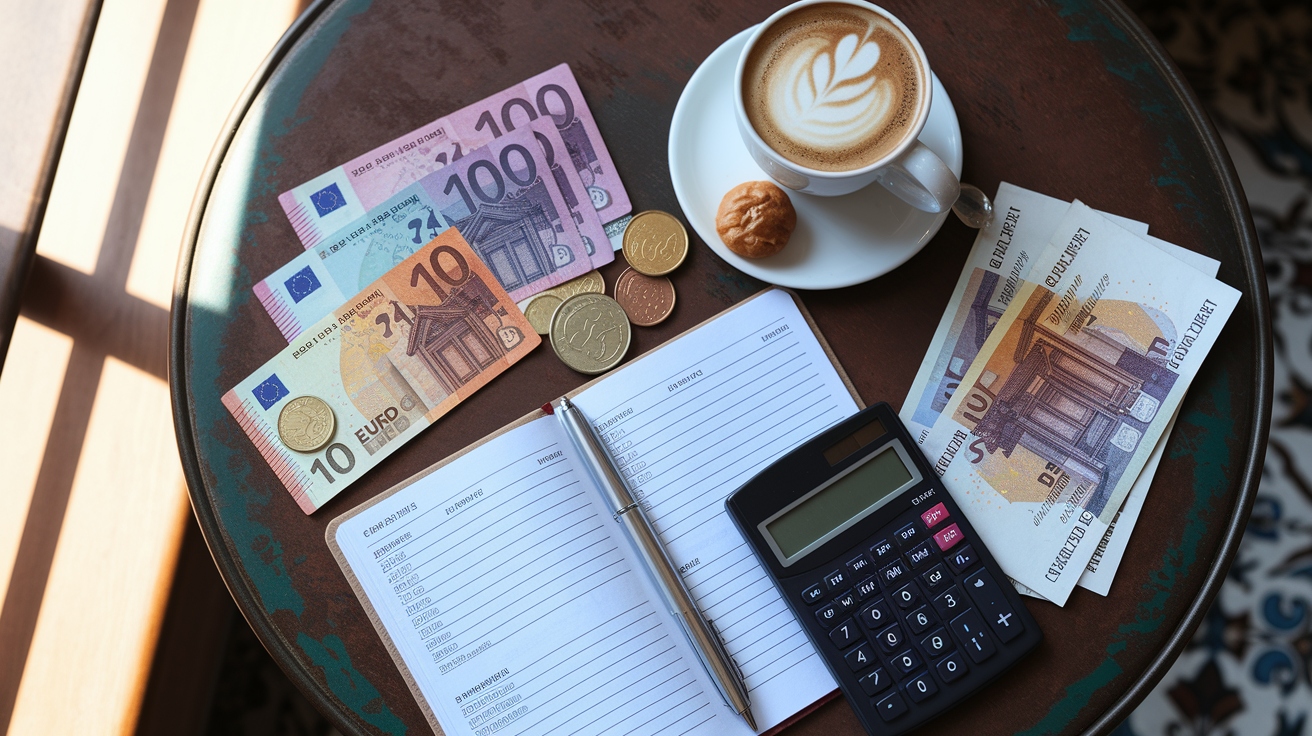
A week in Italy can range from budget‑conscious to quite expensive depending on how you book and where you eat. Expect daily costs to include accommodation, meals, entrance fees, and local transport. Budget travelers can get by on roughly €80–€100 per person per day if they’re staying in budget hotels or Airbnbs, eating one sit‑down meal and supplementing with bakery lunches, and skipping guided tours. Mid‑range travelers will spend closer to €150–€200 per person per day with nicer hotels, regular restaurant meals, and a few skip‑the‑line or guided experiences. If you’re staying in four‑star hotels, eating at recommended spots every night, and booking private tours, expect €250+ per person per day.
Trains between cities cost roughly €30–€50 per person each way if you book a couple of weeks ahead. Last‑minute bookings can run €70 or more. Museum and monument tickets range from €10 to €25 per site, and skip‑the‑line or guided options add another €20–€60 on top of that. Meals vary widely. A casual trattoria lunch runs €12–€18 per person, a nicer dinner with wine is €30–€50 per person, and a true splurge meal can go well over €80 per person.
Six specific ways to save money and time on a 7‑day Italy trip:
- Book hotels that include breakfast. Starting the day with coffee, pastries, and fruit saves you €10–€15 per person and lets you skip the morning café hunt.
- Use high‑speed trains instead of flights for intercity travel. Trains are faster door‑to‑door, cheaper, and don’t require early airport arrival or baggage fees.
- Buy multi‑day public transit passes in Rome and Venice. Single‑ride tickets add up fast, and the passes pay for themselves within a day or two.
- Pre‑book major museum and monument tickets online to avoid last‑minute upsells and overpriced “VIP” packages sold by third‑party vendors near the entrance.
- Eat one meal per day at a bakery, market, or sandwich counter instead of sitting down for every lunch and dinner. Italian bakeries offer incredible focaccia, pizza al taglio, and pastries for a fraction of restaurant prices.
- Book trains and accommodation as early as you can. Prices for both go up significantly in the final two weeks before travel, especially in peak season.
Seasonal, Weather, and Crowd Considerations for a 7‑Day Italy Route
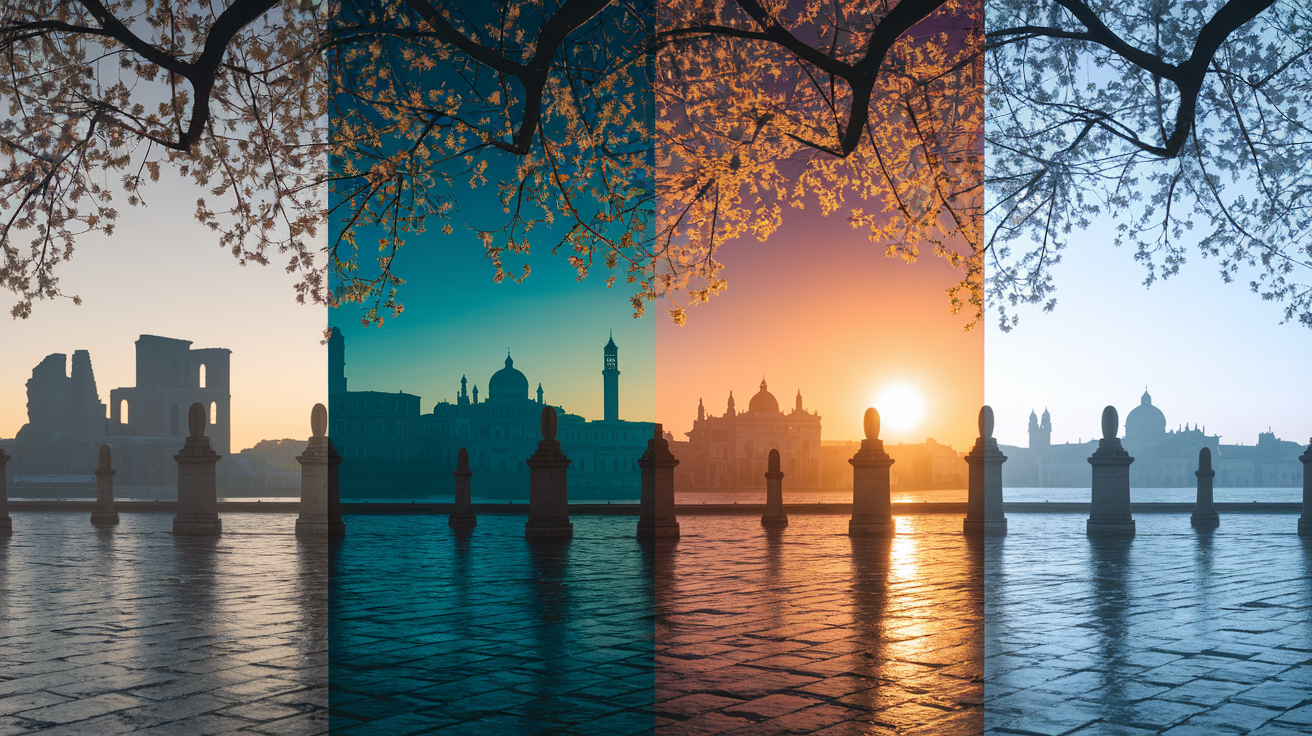
The best time to visit Italy for a week like this is late April through early June or mid‑September through October. Spring and early fall offer warm but not extreme temperatures, longer daylight hours, and fewer crowds than the peak summer months. July and August are the busiest and hottest. Expect packed museums, long lines, and prices at their highest. Many Italians take vacation in August, so some smaller restaurants and shops close for part of the month, especially in Florence and Rome.
Winter (November through March) is the quietest and cheapest season, but daylight is shorter, some attractions have reduced hours, and Venice can be prone to acqua alta (flooding). If you’re okay with cooler weather and the occasional rainy day, winter can be a great time to visit. You’ll have major sites nearly to yourself, and hotel prices drop significantly. Just pack layers and waterproof shoes, and check museum schedules before you go, since some smaller sites close or reduce hours in the off‑season.
For crowd management, book the earliest entry time available for any major museum or monument. The Vatican, Uffizi, and Doge’s Palace all see their biggest crowds between 10:00 AM and 3:00 PM. Arriving right at opening, or booking a late‑afternoon or evening slot where available, makes a huge difference in your experience.
Seasonal tradeoffs to consider:
- Spring (April–June): Warm weather, blooming flowers, long days. Prices are moderate and crowds are manageable except around Easter and late May.
- Summer (July–August): Peak season. Expect heat, crowds, and the highest prices. Book everything well in advance and plan indoor activities during the hottest part of the day.
- Autumn (September–October): Ideal weather, harvest season in Tuscany, fewer tourists than summer. Early September is still busy, but October is quieter and often has lower hotel rates.
Food, Wine, and Regional Dishes to Try During One Week in Italy
Italy’s food culture is regional, and what you eat in Rome is completely different from what you’ll find in Florence or Venice. Every city has its own specialties, and trying the local dishes is as much a part of the trip as the museums and monuments.
In Rome, the four classic pastas are carbonara (eggs, guanciale, pecorino, black pepper), cacio e pepe (pecorino and black pepper), amatriciana (tomato, guanciale, pecorino), and gricia (guanciale and pecorino, no tomato). Trastevere is the neighborhood to try them. Look for places where locals are eating, not the spots with photo menus and waiters standing outside. Supplì (fried rice balls) are a Roman street‑food staple, and gelato from Fatamorgana or a similar artisan gelateria is the right way to end the day.
Regional Highlights
Florence is all about bistecca alla Fiorentina. A massive T‑bone steak, grilled rare, and sold by weight. Trattoria dall’Oste and La Giostra are both known for it, and you’ll want to share unless you’re very hungry. Florentine cuisine also leans heavily on beans, olive oil, and simple preparations that let the ingredients speak for themselves. Ribollita (a thick bread and vegetable soup) and pappa al pomodoro (tomato and bread soup) are both traditional, hearty, and perfect if you’re looking for something lighter than steak.
Venice’s cuisine centers on seafood. Rialto Fish Market is where the restaurants buy their ingredients, and dishes like sarde in saor (sweet and sour sardines), baccalà mantecato (whipped salt cod), and fresh grilled fish are menu staples. Cicchetti (small plates similar to Spanish tapas) are served at wine bars throughout the city, and they’re a great way to try several dishes without committing to a full sit‑down meal.
Five must‑try items across the route:
- Carbonara in Trastevere, Rome. The real version is creamy from eggs and cheese, not heavy cream.
- Bistecca alla Fiorentina in Florence. Order it rare (“al sangue”) and share it. Portions are huge.
- Aperitivo in Florence or Venice. A pre‑dinner drink that comes with free snacks. It’s a cultural ritual, not just happy hour.
- Cicchetti and a glass of local white wine at a Venetian bacaro (wine bar). Fast, affordable, and delicious.
- Gelato from an artisan shop in any city. Look for natural colors (pistachio should be brown‑green, not neon) and avoid the places with giant mounds piled high in the display case.
Accommodation Planning for a 7‑Day Italy Itinerary
Where you stay shapes your experience in each city. Rome, Florence, and Venice are all small enough that staying central saves time and makes evening walks easier, but “central” in each city means something slightly different.
In Rome, Trastevere offers cobblestone streets, evening energy, and some of the best casual restaurants in the city. It’s a 15‑minute walk or short bus ride to the Vatican and Centro Storico, and it feels less touristy than staying right next to the Colosseum. Centro Storico puts you steps from the Pantheon, Trevi Fountain, and Piazza Navona, but it’s louder and more expensive. Monti is a quieter, more residential neighborhood near the Colosseum, with good cafés and wine bars and fewer crowds at night.
Florence’s Centro Storico is the most convenient base. You can walk to the Duomo, Uffizi, and Ponte Vecchio in under 10 minutes. Santa Croce is slightly farther from the main sights but has better restaurant options and lower hotel prices. Oltrarno, across the river, is the most local‑feeling neighborhood, with artisan workshops, wine bars, and a slower pace. You’ll walk an extra 10–15 minutes to reach the Duomo, but it’s worth it if you prefer quiet mornings and a residential vibe.
| Neighborhood | Best For | Pros |
|---|---|---|
| Trastevere (Rome) | Foodies, evening wanderers | Great restaurants, charming streets, easy access to Vatican and Centro Storico |
| Centro Storico (Florence) | First‑time visitors, museum‑focused travelers | Walking distance to everything, maximum convenience, wide range of hotels |
| Cannaregio (Venice) | Budget travelers, couples seeking quieter canals | Lower prices, fewer crowds, authentic neighborhood feel, still close to major sites |
In Venice, San Marco is the most central but also the most expensive and crowded. Cannaregio and Dorsoduro are both quieter, more affordable, and still within a 15‑minute walk or short Vaporetto ride to St. Mark’s Square. Castello is the most residential and least touristy, but it requires a bit more walking to reach the main attractions.
Packing and Safety Tips for a One‑Week Trip in Italy
Pack light, and pack layers. Italy’s weather can shift quickly, especially in spring and fall, and you’ll be doing a lot of walking. Comfortable, broken‑in shoes are non‑negotiable. Plan on covering 5–8 miles a day on foot, often on cobblestone streets or uneven surfaces. Waterproof walking shoes are ideal, and if you’re bringing a second pair, make them sandals or slip‑ons that you can wear to dinner.
A cross‑body bag is safer and more practical than a backpack or shoulder bag. Pickpocketing is a real concern in crowded areas like the Vatican, the Colosseum, Rialto Bridge, and packed Vaporetto boats. Keep your phone, wallet, and passport in a zipped inside pocket, and don’t leave your bag unattended at cafés or restaurants. The risk isn’t extreme, but it’s common enough that you should stay aware, especially in busy tourist zones.
Five packing essentials:
- Comfortable, waterproof walking shoes. You’ll be on your feet most of the day, and cobblestones are hard on flimsy sneakers.
- A plug adapter for European outlets (Type C or Type L in Italy). Your phone, camera, and other electronics won’t work without one.
- A cross‑body bag with interior zipped pockets for valuables. This is your best defense against pickpockets.
- A reusable water bottle. Italy’s public fountains (nasoni in Rome) have free, drinkable water, and refilling saves money and reduces waste.
- A light jacket or sweater. Even in summer, evenings can be cool, and many churches and museums require covered shoulders.
Validate your public transit tickets before boarding buses, trams, or the Metro in Rome and Florence. Ticket inspectors are common, fines are steep, and they don’t give warnings.
Final Words
Start in Rome, move north to Florence, and wrap up in Venice — that routing keeps travel time low and energy high. The post laid out daily timing, train tips, and the must-book spots so you know when to show up early and when to slow down.
You’ve got hands-on plans for mornings, afternoons, and easy evenings, plus transport, budget, packing, and a few alternate routes if you want a different pace.
Follow this 7 day italy itinerary, leave room for breaks and gelato, and enjoy a week that feels relaxed and doable.
FAQ
Q: Is 7 days enough to visit Italy?
A: Seven days is enough to visit Italy’s highlights if you stick to a focused Rome → Florence → Venice route. It’s brisk—book trains and top sights ahead, limit major plans to 2–3 per day.
Q: Is $5000 enough for a trip to Italy?
A: Five thousand dollars is enough for a comfortable one‑week trip to Italy for one person—or a modest couple—covering flights (if timed well), midrange hotels, high‑speed trains, meals, and a few guided tours.
Q: Is $1000 enough for a week in Italy?
A: One thousand dollars is enough for a week in Italy only for strict budget travelers if flights are excluded; expect hostels or cheap Airbnbs, inexpensive meals, regional trains, few paid attractions, and tight spending.
Q: When to avoid Italy in 2026?
A: You should avoid Italy in 2026 during the peak summer weeks (late June through August, especially Ferragosto mid‑August), major holidays (Christmas/New Year), and known strike days—check local calendars before booking.